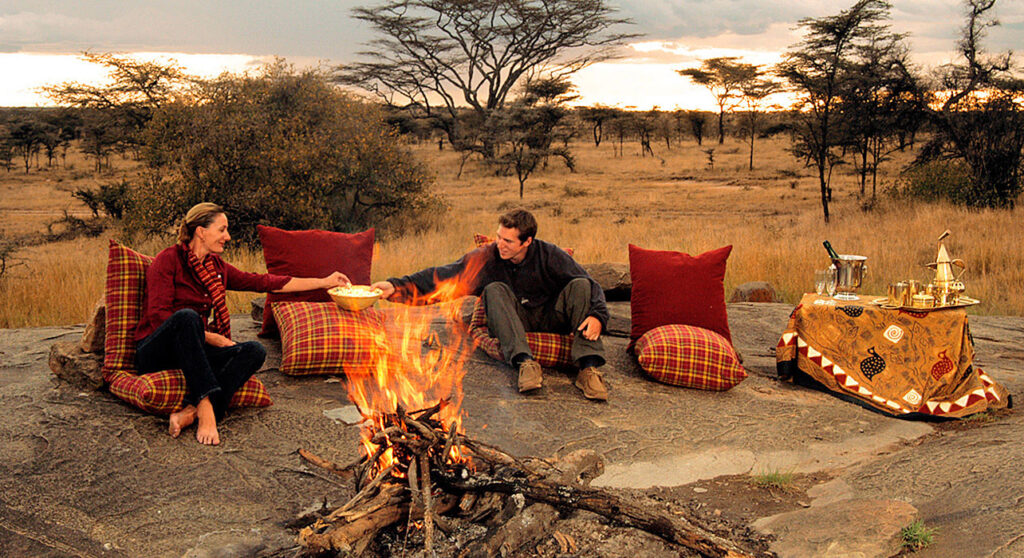
Great Wildebeest Migration Safaris: Serengeti & Maasai Mara

Great Wildebeest Migration Safaris. Serengeti & Maasai Mara | The World’s Greatest Wildlife Spectacle.

The Great Wildebeest Migration is the largest overland wildlife movement on Earth, involving approximately 1.5 to 2 million wildebeest, 500,000 zebras, and 200,000 Thomson’s gazelles in a continuous 1,800-mile clockwise circuit between Tanzania’s Serengeti National Park and Kenya’s Maasai Mara National Reserve. Driven entirely by rainfall patterns and fresh grass, the migration is a year-round phenomenon with no fixed start or end date, meaning there is always something dramatic unfolding somewhere in the ecosystem. The spectacle peaks during the Mara River crossings (July–October) and the calving season (January–March) in the southern Serengeti near Ndutu, when up to 8,000 calves are born each day. It is widely considered the Eighth Wonder of the Natural World and is recognized by UNESCO and National Geographic as one of the greatest wildlife events on the planet.

Quick Facts: Great Wildebeest Migration

Animals Involved ~1.5–2 million wildebeest + 500,000 zebras + 200,000 Thomson’s gazelles
Total Distance Approximately 1,800 miles (2,900 km) per annual circuit
Primary Location Serengeti National Park, Tanzania & Maasai Mara National Reserve, Kenya
River Crossings Grumeti River (May–Jun) and Mara River (Jul–Oct)
Calving Season January–March, Ndutu/Southern Serengeti, Tanzania
Best Months Overall July–October (river crossings) & January–March (calving)
Predators Present Lion, leopard, cheetah, hyena, wild dog, Nile crocodile
Park Entry Fee Serengeti: USD 83/adult/day (TANAPA 2026 rates included in all quotes)
Contact +255 683 311 134  |  info@luxurysafaristanzania.com

Why the Great Wildebeest Migration Belongs on Every Serious Traveller’s List

There are wildlife events, and then there is the Great Wildebeest Migration. Standing at the edge of the Mara River at dawn, with binoculars fogged by the pre-sunrise chill and the air thick with the smell of dust and crushed grass, you watch as the first wildebeest tentatively approach the bank and then, in a chaos of braying and splashing, ten thousand animals plunge simultaneously into crocodile-infested water, an experience that rewires something fundamental in you. We have guided travelers to this moment for over 12 years, and we can say without reservation: nothing else in the natural world comes close.
Luxury Great Migration Safari: Serengeti & Maasai Mara | 11-Day Exclusive Tour

Our Great Wildebeest Migration safaris cater to travelers who want more than a photograph. They are crafted for the person who wants to understand what they are witnessing: the ecological triggers, the predator dynamics, and the staggering scale of a phenomenon that has continued unchanged for millennia. Every itinerary is private and tailor-made, planned in close consultation with you and delivered by expert naturalist guides who know this landscape intimately.

Whether you are a first-time safari traveler, a seasoned Africa hand, a wildlife photographer hunting the perfect river crossing shot, or a family wanting to share something genuinely life-changing with your children, a luxury migration safari through Luxury Safaris Tanzania is the definitive way to experience this spectacle.

What Is the Great Wildebeest Migration? The Science Behind the Spectacle

At its core, the Great Wildebeest Migration is a relentless, rain-driven search for food. Wildebeest, a species that cannot store fat reserves or tolerate poor-quality grass, must keep moving to survive. Every year, following the short and long rains, the herds complete a clockwise circuit of Serengeti National Park and Kenya’s Maasai Mara National Reserve, covering approximately 1,800 miles of open savannah, riverine forest, and acacia woodland in a single year.

What makes this migration unique among Earth’s remarkable animal movements is its biological scale: approximately 500,000 calves are born in a six-week window; the Nile crocodiles of the Mara and Grumeti rivers can reach 5 metres in length and wait months specifically for the crossing season; and lion prides in the northern Serengeti have evolved their entire territorial structures around the migration’s seasonal patterns. To the east, the Ngorongoro Conservation Area provides the nutrient-rich volcanic soils that make Ndutu’s short-grass plains irresistible during calving season.

The Tanzania National Parks Authority (TANAPA) and the Ngorongoro Conservation Area Authority (NCAA) jointly manage the ecosystem on the Tanzanian side, ensuring the migration corridor remains protected from development pressure.

Month-by-Month Migration Guide: When to Visit and What to Expect.

When is the Best Time to go on a Luxury Safari in Tanzania

The single most common question we receive is: ‘When is the best time to see the Great Wildebeest Migration?’ The honest, expert answer is that the migration is happening every month of the year; the question is which phase you most want to witness. Our month-by-month breakdown below is drawn from 12+ years of on-the-ground guiding experience in this ecosystem:

Month Location Key Event / Wildlife Best For
Jan–Mar Southern Serengeti / Ndutu Calving: ~8,000 calves born daily. Cheetah & lion action prolific Families, photographers, first-timers
Apr–May Central Serengeti (Seronera) Rut & mating season. Long rains begin. Herds start moving north Off-peak value seekers, lush scenery lovers
May–Jun Western Serengeti (Grumeti) Grumeti River crossings. Massive crocs; smaller but very dramatic Photographers, experienced travellers
Jul–Aug Northern Serengeti / Lamai Wedge Peak Mara River crossings. Largest herds of the year enter Kenya All travelers, this is the classic peak season
Sep–Oct Maasai Mara (Kenya) / N. Serengeti Ongoing river crossings. Return south migration begins in October Couples, repeat Africa travellers, photographers
Nov–Dec Southern Serengeti / Ndutu area Herds return south following short rains. Green flush, calves forming Those seeking solitude with excellent wildlife

Our guides recommend the Serengeti Wildebeest Migration Safari combines calving and river crossing for travelers who want both phases in one trip. For the complete cross-border experience, our Kenya & Tanzania Wildebeest Migration Safari tracks the herds from the Serengeti into the Mara and back. Browse our full Best Time to Visit Tanzania guide for detailed seasonal advice on weather, crowds, and value.

The Mara River Crossing: Africa’s Most Electrifying Wildlife Event

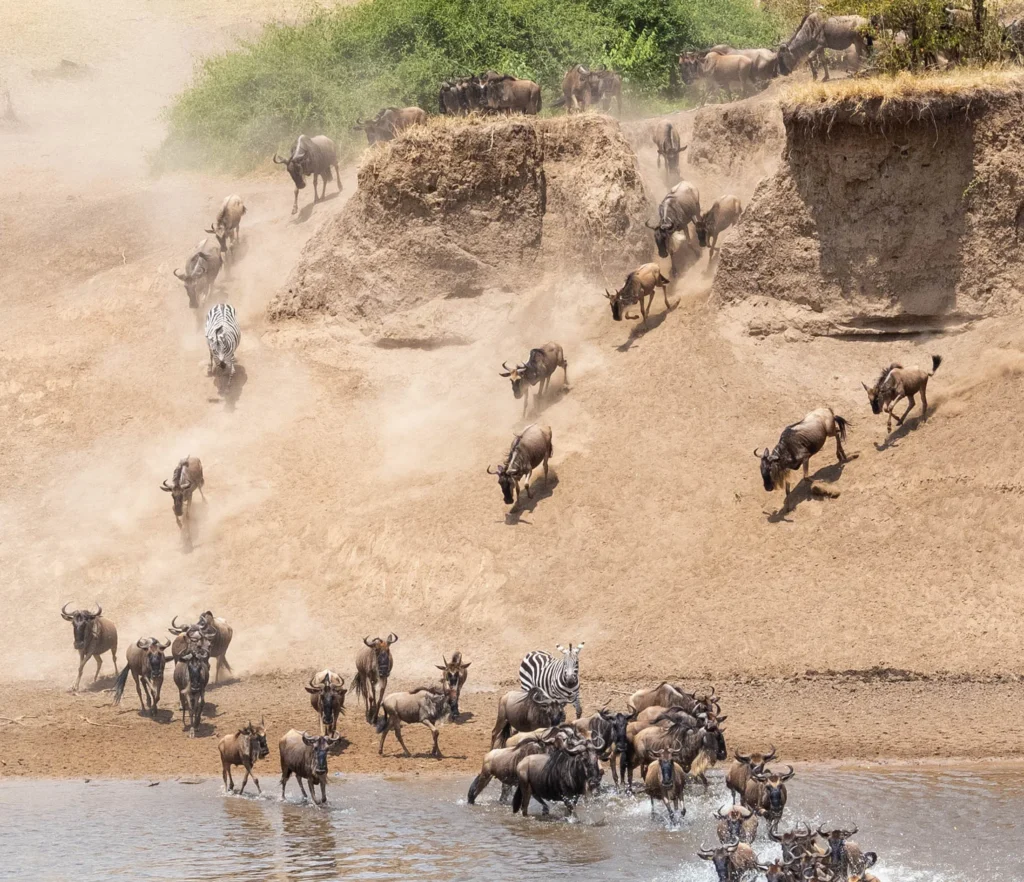
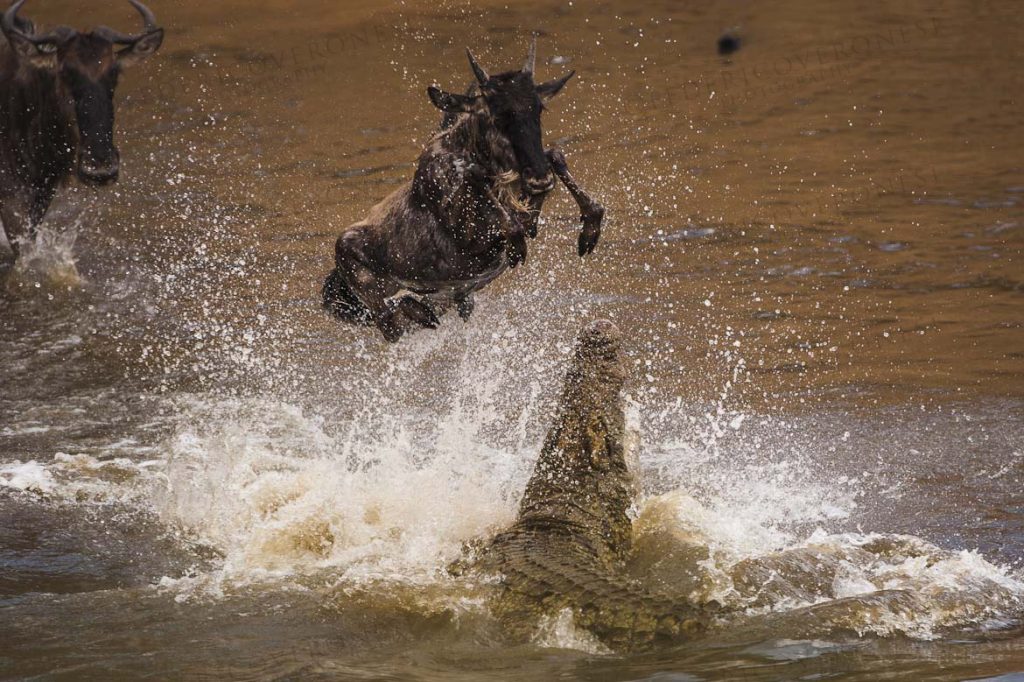
If the migration is Africa’s greatest show, the Mara River crossing is its most dramatic act. Between July and October, columns of wildebeest, sometimes stretching 40 kilometers across the open plains, approach the Mara River, gather nervously on the banks for hours, and then, triggered by an invisible signal (researchers still debate precisely what it is), plunge en masse into the water. What follows is primal: 4-to-5-meter Nile crocodiles launch from the water with frightening speed; wildebeest are pulled under, trampled, or swept downstream; yet tens of thousands make it across. Those that survive emerge onto Kenyan grass and begin grazing within minutes as if nothing happened.
Exclusive Luxury Tanzania Safaris: Redefining Private Guided Tours

Our luxury camps in the northern Serengeti National Park, particularly in the Lamai Wedge and Kogatende areas, are positioned to intercept crossings on the Tanzanian side before the herds reach Kenya. For those wanting the Kenyan crossing experience, our Maasai Mara Great Wildebeest Migration safari provides you with access to the Mara Triangle and Sand River crossing points, where multiple crossings can be witnessed in a single day.

The Grumeti River Crossing: The Connoisseur’s Alternative

Less famous than the Mara but arguably more exclusive, the Grumeti River crossing in the Western Corridor (May–June) delivers the drama of river crossings without the crowds. The Grumeti is home to some of Africa’s largest Nile crocodiles, individual animals estimated to be over a century old, and the crossings, while involving smaller herds, are more intimate and often more photogenic than the Mara. We consistently recommend this phase to our photography clients and seasoned travelers who have already experienced the Mara.

🌍 Ready to Witness the World’s Greatest Wildlife Spectacle?

📞 WhatsApp / Call: +255 683 311 134   |   ✉   info@luxurysafaristanzania.com

→ Plan My Migration Safari Now

Calving Season: The Migration’s Most Tender and Most Brutal Chapter

From late January through early March, the southern Serengeti and the Ndutu area near the Ngorongoro Conservation Area host the wildebeest calving season, one of the most extraordinary wildlife experiences on the continent. During the height of calving, approximately 8,000 calves are born every single day across the short-grass plains, triggered by the nutrient-rich volcanic soils that produce phosphorus-rich grass essential for lactating females.

Calves can stand within seven minutes of birth and run with the herd within hours, a necessary survival adaptation given the density of predators. Cheetahs, which thrive in the open plains environment, achieve some of their highest hunt success rates during calving. Lion prides from the central Serengeti move south specifically to exploit the abundance. On our Tanzania Wildebeest Calving Safari, we have recorded mornings featuring three separate cheetah hunts, two lion kills, and a jackal stealing a carcass all before 10am.

This is also the quietest, most private phase of the migration. Travellers on our Great Wildebeest Calving Migration Safari frequently tell us it surpasses even the Mara crossing for sheer emotional impact; the sight of a newborn calf taking its first steps while a cheetah circles 200 metres away is something that cannot be manufactured.

Where to Stay: Luxury Camps for Every Phase of the Migration

Choosing the right camp is the single most important logistical decision on a migration safari. The wrong camp in the right month means 2–3 hours of driving to reach the herds; the right camp means waking up to wildebeest outside your tent. Here is how we position our clients by phase:

Four Season Safari Lodge

Four Season Safari Lodge

Calving Season (January–March): Ndutu and Southern Serengeti

Camps in the Ndutu concession and the southern short-grass plains place you directly in the calving action. We work with a carefully selected group of mobile and semi-permanent camps that comply with Serengeti National Park conservation standards and deliver the understated luxury our clients expect: private guide vehicles, chef-prepared meals in the bush, and stargazing decks overlooking the open plains.

River Crossing Season (July–October): Northern Serengeti

The Lamai Wedge and Kogatende areas are the epicenter of Mara River crossing activity on the Tanzanian side. Our preferred properties here, including the legendary Singita Sasakwa Lodge in the Grumeti concession, combine extraordinary wildlife access with plunge pools, private butlers, spa facilities, and gourmet dining. These camps book out 12–18 months ahead for July–September; we strongly recommend securing your dates at least a year in advance.

Hot Air Balloon Safaris: Witnessing the Migration from Above

Drifting silently over the Serengeti at dawn in a hot air balloon offers few experiences that rival watching the migration herds spread across the plains below. We incorporate Hot Air Balloon Safaris in the Serengeti into our migration itineraries as a signature experience. Flights launch at sunrise, followed by a Champagne brunch breakfast. For photographers, the aerial perspective of wildebeest columns stretching to the horizon is simply irreplaceable.

Our Luxury Great Wildebeest Migration Safari Itineraries

We do not operate group tours. Every migration safari we arrange is private, tailor-made, and planned in close consultation with you. Below are our most popular structured itineraries, each of which can be modified in duration, camp selection, and add-on experiences:
Great Wildebeest Calving Migration Safari 8 Days

Our 8-day Great Wildebeest Calving Migration Safari takes you deep into the Ndutu region and Central Serengeti during January–March. Ideal for photographers and families, this itinerary combines the density of newborn calves with the predator activity that calving triggers. Fly-in transfers available.

Great Wildebeest Calving Migration Safari 8 Days

Serengeti Migration Safari (Ngorongoro & Tarangire 10 Days)

The 10-day Serengeti Wildebeest Migration Safari combines the migration with the Ngorongoro Conservation Area, home to 25,000 large mammals in a 260 km² caldera, and Tarangire National Park, where elephant herds of 300+ individuals congregate around the Tarangire River. Our most popular itinerary for first-time Tanzania visitors.

Serengeti Migration Safari (Ngorongoro & Tarangire 10 Days)

Kenya & Tanzania Wildebeest Migration Safari: 13 Days

For the complete migration experience, our 13-day Kenya & Tanzania Wildebeest Migration Safari crosses both countries, following herds from the Serengeti into the Maasai Mara and back. Operating July–October, this itinerary gives you the best statistical probability of witnessing multiple Mara River crossings.

Kenya & Tanzania Wildebeest Migration Safari: 13 Days

Maasai Mara Great Wildebeest Migration Safari 4 Days

Our 4-day Maasai Mara Great Wildebeest Migration safari is designed for travelers combining Kenya with a Tanzania circuit or those wanting a short, intense crossing-focused experience. The Mara Triangle and Keekorok areas offer some of the most reliable crossing points in the ecosystem.

Maasai Mara Great Wildebeest Migration Safari 4 Days

Luxury Family Safari and Zanzibar Holiday 12 Days

Our Luxury Family Safari and Zanzibar Holiday combines northern Tanzania game parks timed to the migration phase of your choosing with 3–4 nights on the coral-fringed beaches of Zanzibar. Children love the contrast of the Serengeti’s raw wildlife with Zanzibar’s turquoise waters.

Luxury Family Safari and Zanzibar Holiday 12 Days

Combining the Migration with Other East Africa Experiences.

The Serengeti-Mara ecosystem sits at the heart of one of the world’s most extraordinary collections of natural wonders. Many clients combine their migration safari with:

The Great Migration for Wildlife Photographers: An Expert Guide

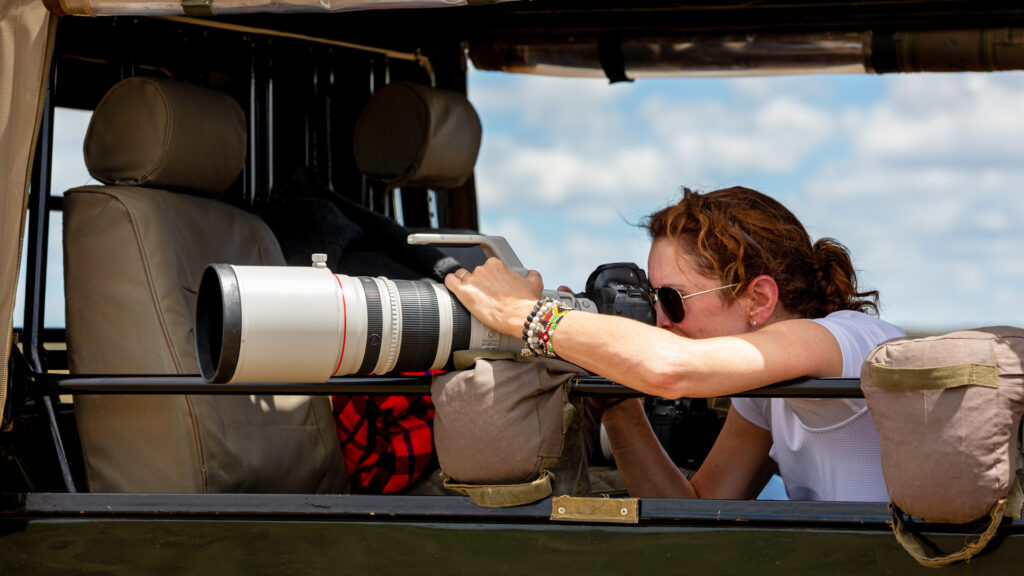
Our Luxury Safari in Tanzania with a Personal Photographer service pairs clients with a dedicated professional wildlife photographer throughout their safari. Here is the technical guidance our photography specialists share with every client:

Kenya Photography Safari: Maasai Mara Migration, River Crossings & Expert Guiding | Luxury Safaris Tanzania

Equipment Recommendations

  • River crossings: 400–600mm telephoto lens essential crossings can occur 50–200m from the bank
  • Calving season: 70–200mm more versatile, as newborn interactions often happen at closer range
  • High-speed burst mode (10fps+) critical for crossing action 50 frames in 5 seconds is not unusual
  • Dry season dust is extreme; bring sensor-cleaning tools and weatherproof your gear
  • Aerial/balloon photography: 16–35mm wide-angle captures the scale of herd columns from above

Helicopter Perspectives

For truly extraordinary aerial imagery, our Helicopter Safaris Over the Serengeti offer a door-off experience with full flexibility to shoot at any angle and altitude. The most exclusive camps in Serengeti have private vehicle access and no group departure times, giving photographers the freedom to remain at a crossing point all day.

Practical Planning: Everything You Need to Know

Getting to the Serengeti

International flights arrive at Kilimanjaro International Airport (JRO) or Dar es Salaam. From Arusha, scheduled light aircraft fly daily to Serengeti airstrips (Seronera, Kogatende, Lobo, and Ndutu) with Coastal Aviation and Air Excel. We coordinate all high-end fly-in safari packages and private jet safari options between destinations as part of our full-service offering.

Health and Safety

Tanzania requires proof of yellow fever vaccination if arriving from an endemic country. Antimalarial medication is recommended for all safari areas. All our vehicles carry first aid kits, and our guides hold Wilderness First Responder certification. Comprehensive travel insurance with medical evacuation cover is a condition of booking.

What to Pack

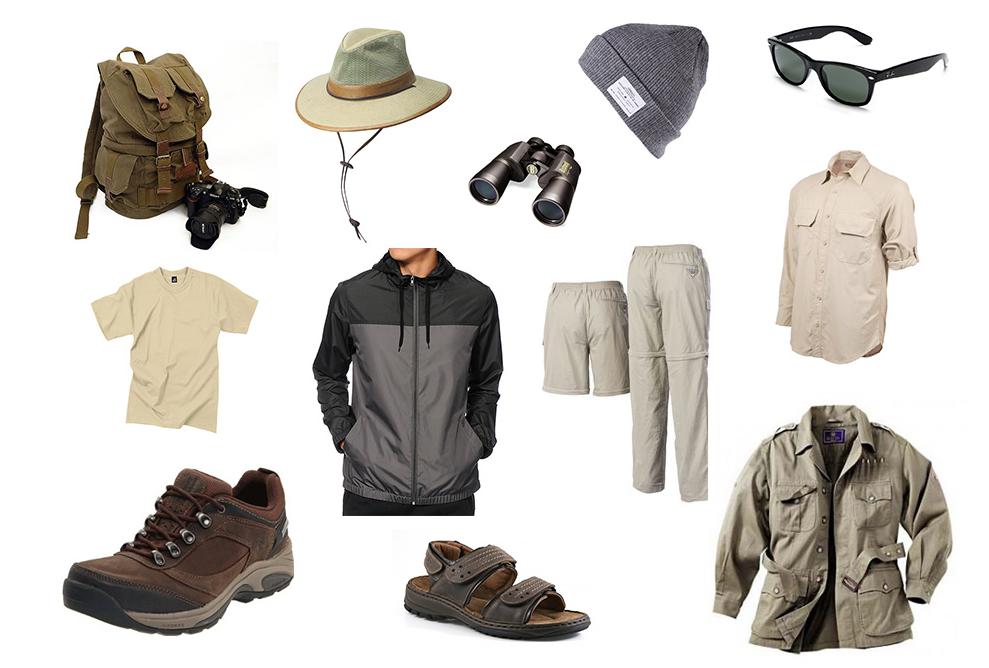
Packing list for an African Safari

  • Neutral-coloured clothing (khaki, olive, beige); avoid blue and black, which attract tsetse flies
  • Warm layers for morning game drives: Serengeti mornings can drop to 15°C even in August
  • Wide-brimmed sun hat, SPF 50+ sunscreen, UV-blocking sunglasses
  • Quality binoculars (8×42 or 10×42), the most important non-camera item on any safari
  • US dollars in small denominations for guide tips and camp gratuities

Visa and Entry

Most nationalities obtain the Tanzania e-Visa online (at USD 50). The East Africa Tourist Visa covers Uganda and Rwanda in addition to Tanzania. Our team handles all pre-departure logistics, including visa guidance, vaccination documentation, and pre-safari briefing calls.

Why should you book your migration safari with Luxury Safaris Tanzania?

With over 12 years specializing in luxury Tanzania safaris and more than 10,000 satisfied travelers, we bring migration-specific expertise that generic booking platforms cannot replicate:

  • Every safari is private: you never share a vehicle. Your guide, your pace, your priorities.
  • Our guides average 8+ years in the Serengeti-Mara ecosystem and hold Tanzanian government certification. They know individual lion prides by name.
  • We maintain real-time field intelligence during peak season with daily reports from guides in the northern Serengeti tracking herd movements and crossing activity.
  • ATOL-protected: your money is fully safeguarded against operator failure, essential for high-value bookings.
  • Safari FAQs covering 50+ common questions from visa requirements to tipping etiquette.

Who Is the Great Migration Safari For?

First-Time Safari Travellers

The migration is arguably the finest introduction to Africa. The sheer density of wildlife predators, prey, and scavengers means even a single morning game drive delivers multiple encounters. Our expert guides transform what you see into a coherent narrative about one of Earth’s most complex ecosystems. We recommend pairing with the Ngorongoro Conservation Area for the ideal first-timer northern circuit.

Couples and Honeymooners

Serengeti Honeymoon Safari: Luxury Romantic Escape in Tanzania

A profoundly romantic experience awaits couples and honeymooners in the Serengeti at sunset, with a private dinner on the plains and the sound of lions calling across the grasslands at night, and few places can match it. Our Serengeti Honeymoon Safari incorporates the most intimate luxury camps in the ecosystem, with private plunge pools, candlelit bush dinners, and sundowner experiences at secret viewpoints our guides have scouted over years of fieldwork.

Families with Children

Children from approximately age 8 respond extraordinarily to the migration, particularly the calving season, where newborn wildebeest taking their first steps captures young imaginations in a way no screen can replicate. Our Luxury Family Safari and Zanzibar Holiday adds the perfect beach complement that makes the trip complete for younger travelers.

Repeat Africa Travellers

Our Luxury Safari in Tanzania for Repeat Travelers outlines the deeper, more specific experiences that elevate a return visit for those who have completed the classic circuit: the Grumeti crossing, walking safaris, fly camping, and the Western Corridor’s extraordinary solitude.

Wildlife Photographers

The migration is a career-defining assignment. For serious photographers, the combination of volume, variety, and drama, particularly during river crossings and calving, produces images impossible to replicate anywhere else on Earth. Our photographer-specific itineraries include private vehicles, maximum time at crossing points, and an optional personal photographer guide throughout.

Post-Migration Beach Extensions: Zanzibar and the Tanzanian Coast

The combination of the Serengeti and Zanzibar is, in our considered opinion, the world’s most satisfying holiday pairing. After 7–10 days of intense game viewing on the dusty plains, Zanzibar’s turquoise waters and pristine coral beaches offer the perfect physical and psychological reset. We incorporate Zanzibar into the majority of our northern Tanzania itineraries, including our Tanzania Safari & Zanzibar Beach Holiday and the Serengeti, Kilimanjaro, and Zanzibar Beach Safari.

Zanzibar’s historic Stone Town, a UNESCO World Heritage Site, adds a cultural dimension that perfectly complements the wilderness. From the beaches, you can also explore the pristine reefs of Pemba Island and the Jozani Forest, home to the rare Zanzibar red colobus monkey.

📸 Planning a Photography Migration Safari? Let’s Build Your Perfect Itinerary.

📞 WhatsApp / Call: +255 683 311 134   |   ✉   info@luxurysafaristanzania.com

→ Plan My Migration Safari Now

When is the best time to see the wildebeest migration in Tanzania?

The migration is active year-round, but the two most sought-after phases are the calving season (January–March) in the southern Serengeti near Ndutu and the Mara River crossings (July–October) in the northern Serengeti and Maasai Mara. July and August represent the statistical peak for crossing activity. May–June (Grumeti crossings) and November–December (return migration) offer excellent wildlife with significantly lower visitor numbers.

How long should I spend on a wildebeest migration safari?

We recommend a minimum of 7 nights in the Serengeti-Mara ecosystem to give yourself a realistic chance of witnessing a major river crossing or multiple calving events. A 10–14 day itinerary allows you to cover more of the migration circuit and combine it with other parks. River crossings are unpredictable and can occur multiple times daily or not at all for 3–4 days; longer trips simply improve your odds of witnessing the defining moment.

Is the Great Wildebeest Migration only in Tanzania, or also in Kenya?

The migration circuit spans both countries. From January to June, the majority of herds are in Tanzania’s Serengeti National Park. From July to October, the herds migrate into Kenya’s Maasai Mara National Reserve, returning south in November and December. Our multi-country itineraries cover both sides of the border, giving you the complete experience across the full Serengeti-Mara ecosystem.

What is the difference between the Grumeti and Mara River crossings?

The Grumeti River crossing (May–June) occurs in the Western Corridor of the Serengeti and is renowned for its enormous, ancient Nile crocodiles, some estimated over a century old. It involves smaller herds than the Mara but offers greater intimacy and fewer visitors. The Mara River crossing (July–October) involves much larger herds, sometimes 10,000+ animals simultaneously, and is the more famous and visually overwhelming of the two events. We recommend the Grumeti for photography specialists and experienced travelers who want something different from the crowd.

Can I predict exactly when a Mara River crossing will happen?

No, river crossings cannot be predicted with precision. They are driven entirely by the herds’ own movements, which respond to grass availability, predator pressure, and factors researchers do not fully understand. Our guides monitor crossing points daily and use radio networks with other expert guides to track herd locations in real time. We position our clients at the most active crossing points and maintain vigil. On average, a client spending 4–5 days in the northern Serengeti during July–September will witness at least one major crossing.

How much does a luxury Great Wildebeest Migration safari cost?

A private luxury migration safari in Tanzania starts at approximately USD 5,000 per person for a shorter trip and ranges up to USD 15,000+ per person for a 14-day multi-country itinerary with premium lodges. Prices depend on camp selection, duration, season, and whether fly-in transfers are included. We provide detailed, transparent quotations with no hidden charges.

Contact us at info@luxurysafaristanzania.com or via WhatsApp at +255 683 311 134 for a personalized quote.

Is the wildebeest migration safe for families and children?

Yes, the migration is completely safe when experienced from a properly equipped vehicle with a certified guide. Clients remain in or near the vehicle during river crossings and predator events. Tanzania National Parks have strict safety protocols for safari vehicles near river crossing sites. Children from approximately age 6 upwards are well-suited to game drives, with age 8+ recommended for the most intense crossing-season activity. Our family itineraries include dedicated children’s naturalist activities at camp.

What animals will I see besides wildebeest on a migration safari?

The migration ecosystem hosts extraordinary biodiversity beyond the wildebeest herds. Alongside the wildebeest, zebras, and gazelles, you will encounter lions, leopards, cheetahs, hyenas, wild dogs, jackals, and servals. Elephants, buffalos, giraffes, topi, and hartebeest are resident year-round in the Serengeti. Over 500 bird species have been recorded in the ecosystem. The Nile crocodiles of the Mara and Grumeti rivers are among the largest in Africa, with individuals reaching 5 metres in length.

What is the calving season and why is it considered special?

The calving season (January–March) is the period when wildebeest give birth in the southern Serengeti and Ndutu area. Approximately 8,000 calves are born each day at peak calving, triggered by the nutrient-rich volcanic soils that produce the mineral-rich grass essential for lactating females. Calves can stand within 7 minutes of birth. The calving season triggers extraordinary predator activity; cheetah, lion, jackal, and hyena all exploit the abundance, making it one of the most action-packed wildlife viewing periods in the entire safari calendar.

Do I need to book far in advance for a migration safari?

Yes. The best camps in the northern Serengeti for July–October river crossing season book out 12–18 months in advance. We recommend inquiring at least 9–12 months ahead for peak season travel. For the calving season (January–March), bookings 6–9 months ahead are generally sufficient. Contact us as early as possible to secure your preferred dates, camp, and private guide availability.

Can I do a road safari to the Serengeti instead of flying in?

A road safari from Arusha to the Serengeti is possible (approximately 7–8 hours). However, we strongly recommend fly-in transfers for migration safaris, particularly to the northern Serengeti, as road transfers can consume 2–3 days that could otherwise be spent in the field. For clients on longer itineraries who want to experience the landscape en route, we offer combined road-and-fly-in options that balance the journey with maximum game time.

What are the Tanzania park entry fees for the Serengeti?

As of 2026, the Serengeti National Park entry fee set by TANAPA (Tanzania National Parks Authority) is USD 83 per adult per day, with reduced rates for children and East Africa residents. All park fees are included in our quoted itinerary prices. Fees are subject to change; we always quote the most current TANAPA rates at the time of booking. The Tanzania Tourism Board maintains current fee schedules.

Can I combine a migration safari with Kilimanjaro trekking?

Absolutely, and it is one of our most popular combinations. The dry season (January–March) coincides with excellent calving season viewing and optimal Kilimanjaro summit conditions. July–September similarly aligns with peak river crossings and ideal mountain weather. We typically sequence the Kilimanjaro climb before the safari, allowing your body to fully acclimatize to lower elevations on the plains after exertion at altitude. Browse our dedicated Kilimanjaro Trekking section for routes and timing.

What is the best lodge for the Great Wildebeest Migration?

The answer depends on which phase of the migration you are targeting. For river crossings, we recommend camps in the Lamai Wedge or Kogatende area of the northern Serengeti, the closest properties to the most active Tanzanian crossing points. For calving, Ndutu-area camps in the southern Serengeti concession are optimal. For the Grumeti crossing, properties like Singita Sasakwa Lodge in the Grumeti concession offer both proximity to the crossing and exceptional luxury standards. Contact us to discuss the best camp combination for your specific travel dates.

Where can I read more about planning a luxury Tanzania safari?

Our comprehensive safari planning guides, destination pages, and blog cover every aspect of Tanzania safari planning in depth. The Tanzania Tourism Board at tanzaniatourism.go.tz provides current government destination information. Contact our team at Luxury Safaris Tanzania directly by WhatsApp, email, or video call for personalized expert advice.

Related Safari Experiences & Destinations