The 4-day Serengeti safari works well across all seasons, but the experience changes significantly depending on when you travel. Here is an honest breakdown:

| Period |
Rating |
What to Expect |
| Jan – Mar |
Calving Season ★★★★★ |
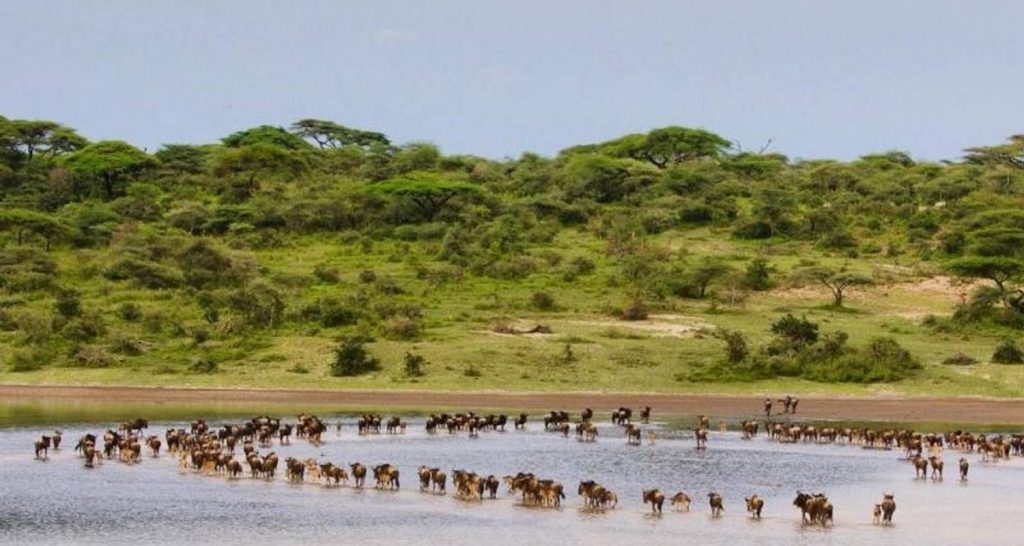
Up to 8,000 wildebeest calves are born daily in Ndutu. Cheetah and lion density at peak. Flat, green short-grass plains give unobstructed sight lines. Best for photography. |
| Jun – Oct |
Dry Season ★★★★★ |
Classic migration rivers in the north, but Seronera’s resident predators are highly active. Long grass has burned down. River crossings are visible for those extending north. |
| Nov – Dec |
Short Rains ★★★☆☆ |
Wildebeest herd begins its southward return to Ndutu. Migratory birds arrive. Fewer vehicles; lower rates. Some tracks are muddy after rain. |
| Apr – May |
Long Rains ★★☆☆☆ |
Heaviest rainfall. Several lodges reduce services. Wildlife dispersed across greened plains. Birding is exceptional, but game drives are unpredictable. |
The single best value window for a Serengeti Ndutu-focused itinerary is late January to mid-March peak calving season, when predator activity is at its annual maximum and the short-grass plains are alive with action at every kilometer. For travelers with more flexibility, the dry season from June through October offers the classic dry-country safari atmosphere: dusty golden light, animals concentrated at water, and maximum accessibility on all tracks.
For a full picture of Tanzania’s seasonal rhythms across all parks, see our guide to the best time to visit.
Who Is This Safari For?
First-Time Africa Visitors
Four days is the minimum meaningful allocation for a Serengeti safari. You see enough wildlife across two distinct ecosystems to understand what the Serengeti is without the logistical complexity of a longer multi-park itinerary. Many first-timers use this trip as the anchor of a first Tanzanian holiday, combining it with a night or two at Ngorongoro Crater and a beach extension on Zanzibar.
Wildlife Photographers
The Ndutu plains offer the finest conditions for action photography in East Africa: flat terrain with no visual obstruction, consistent mid-morning light, and predictably close animal activity during the calving season. Serious photographers should plan for the January–March window, request a vehicle with a 270-degree opening roof, and allocate at least 90 minutes per sighting stop.
Couples and Honeymooners
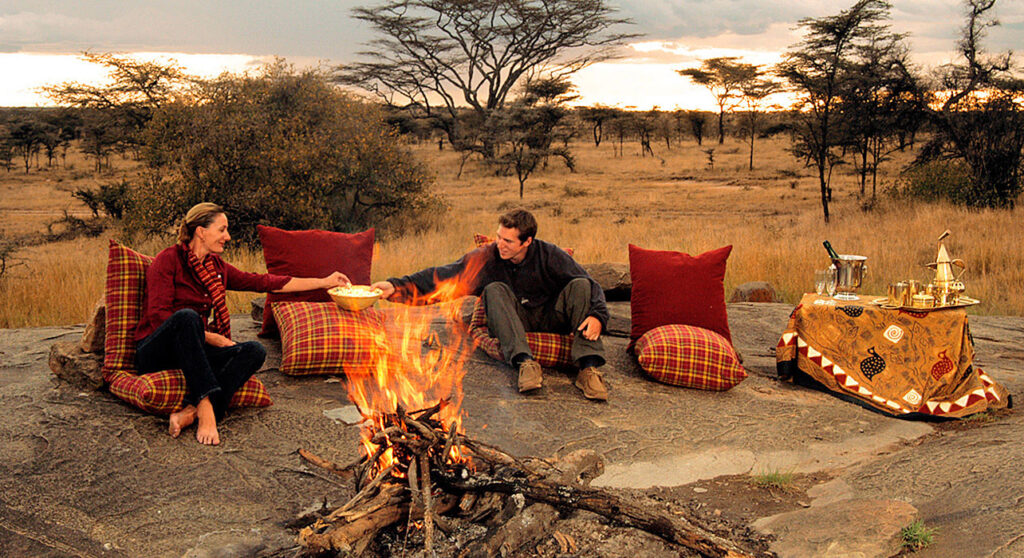
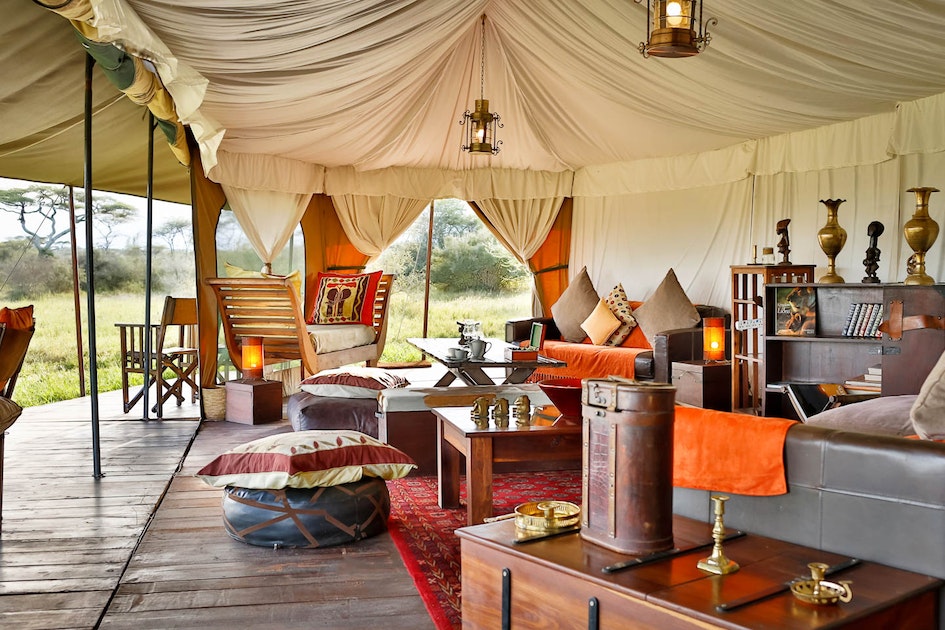
The short duration works well for couples who want a genuinely special wildlife experience without taking two weeks away from work. The fly-in structure eliminates road fatigue. Top-tier central Serengeti camps offer private suites with plunge pools, in-room dining, and guided bush walks at golden hour, all of which can be arranged in advance through Active African Vacations.
Families with Children
The calving season is exceptional for families: the birth of wildebeest calves is vivid, visceral, and completely age-appropriate; it is nature’s story at its most immediate. Active African Vacations recommends a minimum age of 6 for this itinerary. Children’s programs at selected camps include bush school sessions with the guide, tracking exercises, and junior naturalist materials.
Experienced Safari Travellers
For repeat Africa visitors, this itinerary often serves as a standalone week that sits between longer trips. The Ndutu calving season in particular is a spectacle that dedicated wildlife travelers plan years in advance, and even guests who have visited the Serengeti in the dry season are often surprised by how different it feels on the southern short-grass plains in February.
What is included in a 4-day Serengeti safari?
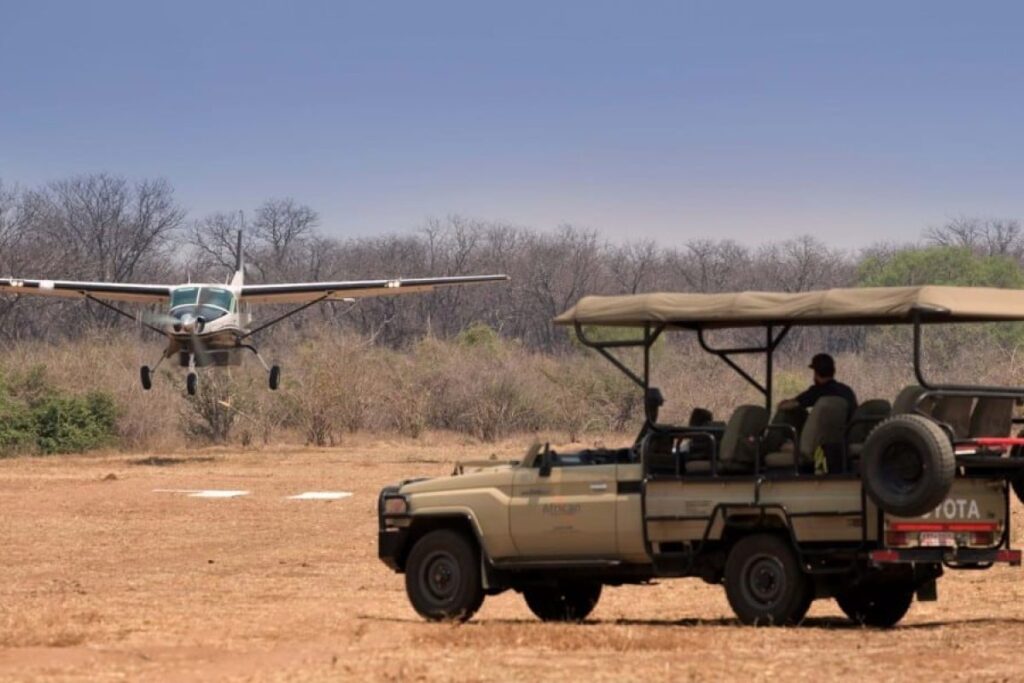
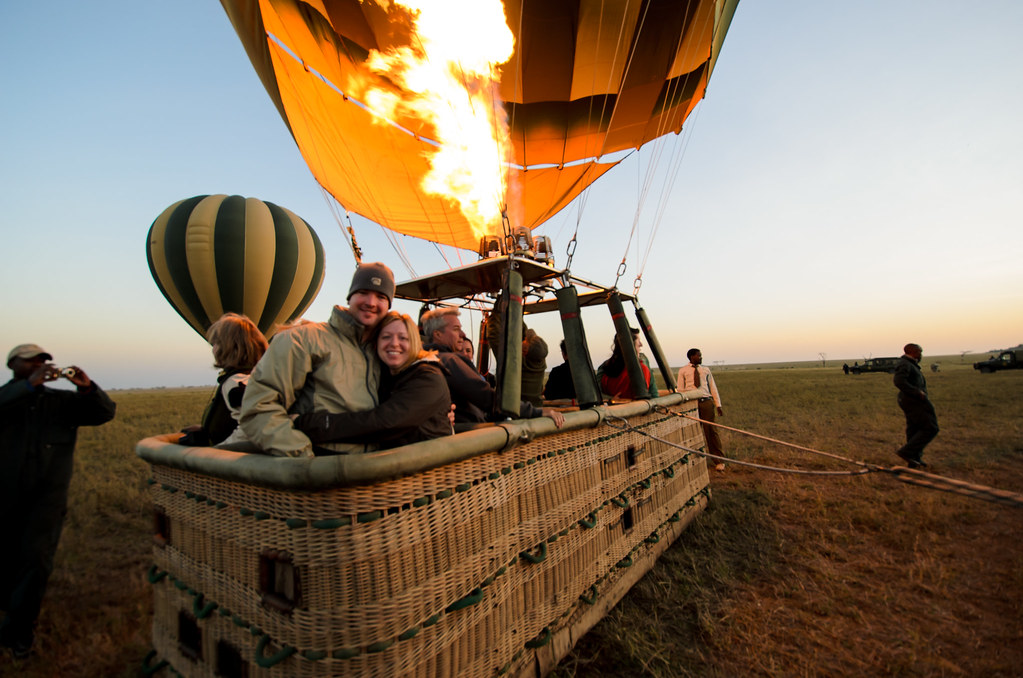
A fully inclusive 4-day Serengeti safari from Active African Vacations includes scheduled light-aircraft transfers between Arusha and the Serengeti, three nights’ accommodation at quality lodges or tented camps on a full-board basis, all private game drives with a certified professional guide, all park and conservation fees, bottled water on drives, and 24-hour support from the Active African Vacations operations team. Not included are international flights, visa fees, travel insurance, the optional hot air balloon safari, personal gratuities, and alcoholic beverages beyond the lodge’s house service.
How much does a 4-day Serengeti safari cost?
The cost of a 4-day Serengeti safari varies depending on the accommodation standard, time of year, and group size. As a guide, a private fly-in safari at a quality lodge in the Serengeti typically ranges from USD 3,500 to USD 7,000 per person for this duration, with peak calving-season rates and high-end lodge choices at the upper end of the range. The optional hot air balloon safari adds approximately USD 550 per person. Active African Vacations provides a fully itemized quote on request with no hidden fees.
Is 4 days enough for a Serengeti safari?
Four days is a productive minimum for a Serengeti safari. With three full game-drive days across two distinct zones (Ndutu and Seronera), you have strong statistical odds of sighting lions, cheetahs, elephants, leopards, and buffalo. Travellers who can extend their trip to 5 or 6 days gain significantly more flexibility to track specific animals over multiple sessions and to add a morning in a third zone, such as the Lobo area in the north during the dry season migration. That said, most guests who complete 4 days return having seen more wildlife than they anticipated.
What is the best time to go on a 4-day Serengeti safari?
The best time for a 4-day Serengeti safari depends on what you most want to see. January to March is optimal for the calving season: cheetahs, lions, and hyenas are at their most active, and the Ndutu plains are at peak wildlife density. June to October is the classic dry-season window: animals concentrate at water sources, the Seronera River predator activity is high, and all tracks are easily navigable. There is no ‘bad’ month in the Serengeti; even the green season from November to December has strong game and fewer vehicles.
Do I need a visa to travel to Tanzania for a safari?
Most nationalities require a visa to enter Tanzania. The standard tourist visa is available on arrival at Kilimanjaro International Airport and Dar es Salaam Julius Nyerere International Airport at a current cost of USD 100 for a single-entry visa. East African Community member state citizens (including Ugandans, Kenyans, and Rwandans) have simplified entry. Active African Vacations includes visa guidance documentation in the pre-departure briefing for every client.
What should I pack for a 4-day Serengeti safari?
Pack light, neutral-toned clothing (khaki, olive, and tan; avoid blue and black, which attract tsetse flies); a lightweight fleece or zip-up for early morning drives (Serengeti plains can be genuinely cold at 06:00); a wide-brimmed hat; quality sunscreen; insect repellent; a dust-protective camera bag; spare memory cards; and any prescription medication. Most lodges offer same-day laundry service, so four days of clothing is sufficient. Hard-sided luggage is not recommended for light aircraft; a soft duffel bag of 15 kg or under is standard for the Arusha-to-airstrip flight.
Can I combine this 4-day Serengeti safari with the Ngorongoro Crater?
Yes, and it is one of the most popular combinations in Tanzania. The Ngorongoro Crater sits approximately 150 km from the Ndutu area by road, so it is straightforward to add a crater day between the Serengeti leg and your return to Arusha. Active African Vacations offers several itineraries that combine both destinations; the Serengeti and Ngorongoro crater safari is the most compact option, while longer itineraries add Lake Manyara or Tarangire for a complete northern circuit.
What wildlife will I see on a 4-day Serengeti safari?
Resident wildlife in the Serengeti that can be encountered throughout the year includes lions, leopards, cheetahs, elephants, buffalo, hippopotamuses, Nile crocodiles, giraffes, zebras, wildebeest (year-round residents, with migratory herds swelling numbers dramatically during calving and migration seasons), impalas, Thomson’s and Grant’s gazelles, topis, hartebeest, elands, African wild dogs (rare but present), spotted and striped hyenas, black-backed and side-striped jackals, baboons, and vervet monkeys. The Serengeti’s 500+ bird species include martial eagle, secretarybird, kori bustard, grey-crowned crane, lilac-breasted roller, and numerous migratory waders. Lion density in the Serengeti is among the highest in the world, with an estimated 3,000+ individuals in the ecosystem.
Can children go on a 4-day Serengeti safari?
Yes. Active African Vacations recommends a minimum age of 6 for a fly-in Serengeti safari. Children benefit significantly from the calving-season itinerary (January–March), when wildlife activity is dramatic and accessible at close range. Many camps in the Serengeti offer junior naturalist programs and family-suite accommodation with interconnecting rooms. Active African Vacations matches family groups to properties known for child-friendly guiding and appropriate facilities. Young guests regularly identify a 4-day Tanzania safari as one of the most formative experiences of their childhood.