Kilimanjaro Trekking Expeditions
Mount Kilimanjaro (5,895 m / 19,341 ft) is Africa’s highest peak and the world’s tallest free-standing mountain, located in northern Tanzania near the town of Moshi. Kilimanjaro trekking is a nontechnical high-altitude challenge; no ropes or climbing gear is required, making it accessible to fit, determined hikers with no mountaineering experience. Seven official routes lead to Uhuru Peak: Marangu, Machame, Lemosho, Shira, Rongai, Northern Circuit, and Umbwe. The overall summit success rate is approximately 60–65%, rising above 90% on the longest routes. The best times to climb are January–March and June–October (Tanzania’s dry seasons). A complete guided climb with a reputable operator costs between $2,500 and $6,000+ USD per person all-inclusive, covering park fees, guides, porters, meals, and equipment. Most climbers combine Kilimanjaro trekking with a Tanzania safari in the Serengeti or Ngorongoro Crater, followed by a recovery break on Zanzibar’s beaches.
Kilimanjaro Trekking at a Glance Quick Facts
| Summit | Uhuru Peak, 5,895 m (19,341 ft) Roof of Africa |
| Location | Kilimanjaro Region, northern Tanzania, near Moshi & Arusha |
| Mountain Type | Dormant stratovolcano with three cones: Kibo, Mawenzi, Shira |
| Park Status | UNESCO World Heritage Site (1987); TANAPA-managed |
| Official Routes | 7: Marangu, Machame, Lemosho, Shira, Rongai, Northern Circuit, Umbwe |
| Success Rate | ~60–65% overall; up to 90%+ on 9–10 day Northern Circuit |
| Best Seasons | Jan–Mar & Jun–Oct (Tanzania’s dry seasons) |
| Trek Duration | 5–10 days depending on route; we recommend 7–8 days minimum |
| Cost Range | USD $2,500–$6,000+ per person, all-inclusive |
| Nearest Airport | Kilimanjaro International Airport (JRO), 50 km from Moshi |
| Park Fees (2026) | Conservation: $70/person/day | Camping: $50/person/night | Rescue: $20/trip |
| Expert Guides | KINAPA-licensed, WFR-certified; 12+ years’ experience, 10,000+ travelers |
Why Kilimanjaro Trekking Belongs on Every Serious Traveller’s Bucket List
There is a moment, somewhere above 5,000 meters, when the world falls silent. The air is so thin it feels borrowed, your legs carry a familiar ache, and the curve of the Earth begins to reveal itself at the edges of your vision. That moment, that specific, unrepeatable morning on the roof of Africa, draws tens of thousands of trekkers to Mount Kilimanjaro National Park in northern Tanzania every year.
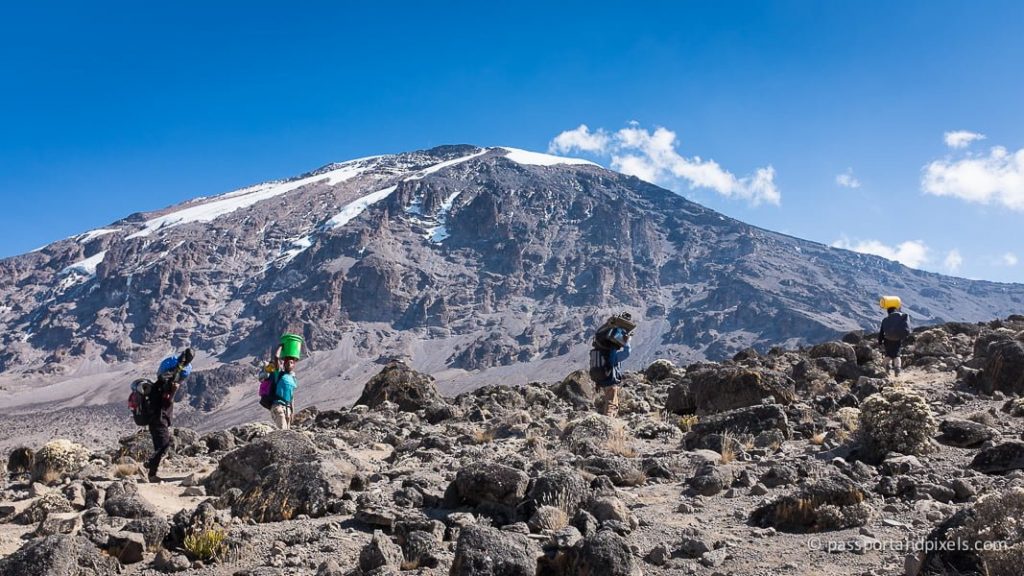
The combination of accessibility and scale makes Kilimanjaro trekking so extraordinary and utterly unlike any other adventure on the planet. You do not need technical climbing skills, crampons, or years of mountaineering experience. You need fitness, determination, and the right guide. The mountain does the rest: five completely distinct ecological zones, an unbroken arc of biodiversity from tropical rainforest to glacial ice field, compressed into a single week of walking.
At Luxury Safaris Tanzania, we have spent 12+ years and guided more than 10,000 travelers through this extraordinary experience. Our KINAPA-licensed expert guides have collectively summited Uhuru Peak hundreds of times. They know every campsite, every weather pattern, and every physiological signal that separates a triumphant summit from a reluctant turn-around. This guide shares everything we know: routes, costs, seasons, gear, altitude strategy, and the logistics of combining Kilimanjaro with a luxury Tanzania safari so you can step onto the mountain fully prepared.
| → Start Planning Your Kilimanjaro Trek: Talk to Our Experts |
Five Ecological Zones: The Journey Through Earth’s Climate Bands
One of the most remarkable things about Kilimanjaro trekking is that you pass through five distinct ecological zones in the space of a week, the biological equivalent of traveling from the equatorial tropics to the Arctic, all without boarding a plane. Understanding these zones transforms the trek from a physical challenge into a genuine natural history expedition.
Zone 1: Cultivated Zone (800–1,800 m)
Below the national park boundary, the lower slopes are a patchwork of coffee farms, banana groves, and Chagga villages, a gentle, warmly human introduction to the mountain. If you base yourself in Moshi before your climb, you will pass through this zone on the drive to the gate. The Chagga people have farmed these slopes for centuries, developing one of East Africa’s most sophisticated irrigation systems, and their relationship with Kilimanjaro is as ancient as the mountain’s mythology.
Zone 2: Montane Rainforest Zone (1,800–2,800 m)
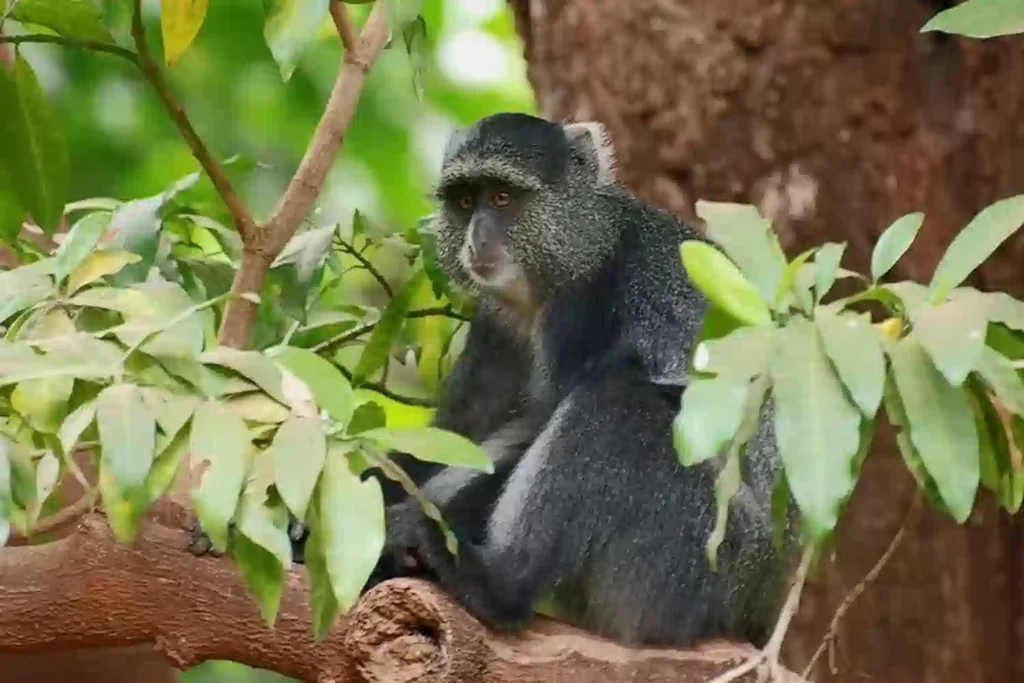
Dense, dripping cloud forest cloaks the lower reaches of the national park, teeming with black-and-white colobus monkeys, blue monkeys, and over 170 bird species. The forest catches cloud moisture, creating a permanently mist-washed, almost magical atmosphere. On the Lemosho and Machame routes, you trek beneath a cathedral canopy of Podocarpus trees draped in old-man’s beard lichen. Expect mud, occasional rain, and the rich, earthy scent of life at its most abundant.
Zone 3: Heathland and Moorland Zone (2,800–4,000 m)
Above the treeline, the forest gives way to open moorland, one of Kilimanjaro’s most visually striking habitats. Giant heather (Erica arborea) grows to five metres here, and the surreal giant groundsels (Senecio kilimanjari) emerge like something from a prehistoric forest. Silver everlasting flowers (Helichrysum) carpet the hillsides. The sky opens dramatically, and you begin to see Kibo’s snowcap for the first time. Sunbirds flash iridescently between blooms. This area is the zone where Kilimanjaro begins to feel otherworldly.
Zone 4: Alpine Desert Zone (4,000–5,000 m)
Above 4,000 meters, the landscape becomes stark and lunar. Bare volcanic rock, gravel scree, and sparse tufts of grass adapted to extreme UV radiation, sub-zero nights, and near-zero rainfall. This area is where altitude fatigue begins in earnest: the air carries roughly half the oxygen of sea level, and headaches, reduced appetite, and slower cognition are common. This region is also where your guide’s expertise, knowing the right pace, recognizing early altitude sickness signals, and keeping morale high, becomes absolutely critical.
Zone 5: Arctic Summit Zone (5,000–5,895 m)
The summit zone is a world of glacial ice, permanent snow, and magnificent desolation. Kilimanjaro’s ancient ice fields, the Northern Ice Field and the Furtwängler Glacier, are among the most dramatic visual icons of the mountain. Glaciologists estimate the ice cap has retreated by over 85% since 1912, lending each summit ascent a sense of urgency and historical witness. The famous wooden sign at Uhuru Peak reads ‘5,895 meters. Congratulations!’ is not just a photo opportunity. It is a genuine reckoning with what your body has achieved.
Kilimanjaro Trekking Routes: The Expert Comparison Guide
Seven official routes lead to Uhuru Peak, each with its character, difficulty profile, wildlife opportunities, and summit success statistics. Choosing the right route is the most consequential decision in planning your Kilimanjaro trekking adventure. Below is our comprehensive route comparison, the same guidance we give our clients when designing tailor-made itineraries from our base in Arusha National Park.
| Route | Duration | Difficulty | Traffic | Best For |
| Marangu | 5–6 days | Moderate | High | Budget hut-based accommodation. Lowest success rate. |
| Machame | 6–7 days | Mod–Hard | High | Scenic ridge traverse; most popular route worldwide. |
| Lemosho | 7–8 days | Moderate | Medium | Our #1 rec: superb scenery & acclimatisation profile. |
| Shira | 7–8 days | Moderate | Low | High-plateau start; spectacular Shira caldera views. |
| Rongai | 6–7 days | Moderate | Low | Near Kenya-side approach: drier, quieter, and good wet season. |
| Northern Circuit | 9–10 days | Moderate | Very Low | Highest success rate (90%+); full circumnavigation. |
| Umbwe | 5–6 days | Hard | Low | Steep & direct; experienced trekkers only. High risk. |
The Lemosho Route: Our Top Recommendation
For the majority of our clients couples, first-timers, repeat Africa travelers, and photographers we recommend the Lemosho Route over 7–8 days. Beginning at Londorossi Gate on the remote western slopes, the Lemosho Route offers the most gradual and thorough acclimatisation profile of any route except the Northern Circuit. You spend two nights in the forest zone, which is exceptional for wildlife spotting, before traversing the magnificent Shira Plateau and joining the standard Machame route at Lava Tower (4,642 m). The summit approach via the spectacular Barranco Wall is one of the most visually stunning sections of any Kilimanjaro trek. Summit success rates on the 8-day Lemosho consistently exceed 85–90%.
The Northern Circuit: Highest Summit Success Rate
The Kilimanjaro Northern Circuit Route (9–10 days) is the most comprehensive trekking experience on the mountain. It circumnavigates the northern slopes, rarely visited and extraordinarily remote, before making the summit push from the east. The additional days of gradual acclimatisation push the summit success rate above 90%, making it the best statistical bet for anyone who genuinely wants to stand at Uhuru Peak. It is also the route we recommend for photographers: the northern slopes reveal volcanic landscapes and cloud inversions that simply do not appear on the busier southern and eastern routes.
The Machame Route: The Whisky Route
Nicknamed the ‘Whisky Route’ (in contrast to the ‘Coca-Cola Route’ Marangu), Machame is the world’s most popular Kilimanjaro route and for good reason. It is genuinely scenic, climbs steeply through diverse zones, and the classic traverse via the Lava Tower provides better acclimatisation than Marangu. At 6–7 days, it is tight on acclimatisation compared to Lemosho, but the summit success rate still comfortably exceeds 75% with a quality operator and an experienced guide. We often recommend Machame for returning trekkers who want a faster pace.
The Marangu Route: The Hut Route
Marangu is unique as the only route with dormitory hut accommodation (rather than camping), making it the most comfortable in terms of sleeping conditions. However, it is also the route with the lowest summit success rate, typically 50–60%, because the out-and-back profile limits acclimatisation. Porters call it the ‘Tourist Route.’ We generally advise choosing Lemosho or Northern Circuit instead, unless your travel dates or fitness level make Marangu the only viable option. If you do choose Marangu, always opt for the 6-day rather than 5-day duration.
Sample 8-Day Lemosho Route Itinerary
This is the route our expert guides recommend for most Kilimanjaro trekking clients. Each day builds acclimatisation methodically and offers stunning scenery.
| Day 1 | Arrive in Arusha or Moshi. Pre-trek briefing, kit inspection, and accommodation. |
| Day 2 | Drive to Londorossi Gate (2,100 m) → Trek to Mti Mkubwa Camp (2,650 m), ~5 hrs. |
| Day 3 | Mti Mkubwa → Shira 1 Camp (3,500 m) via heathland and moorland, ~6 hrs. |
| Day 4 | Shira 1 → Shira 2 Camp (3,900 m) across the Shira Plateau, ~4 hrs. |
| Day 5 | Shira 2 → Lava Tower (4,642 m) acclimatisation → Barranco Camp (3,900 m), ~6 hrs. |
| Day 6 | Barranco → Barafu Camp (4,673 m) via Barranco Wall & Karanga Valley, ~7 hrs. |
| Day 7 | Midnight summit push from Barafu → Stella Point (5,739 m) → Uhuru Peak (5,895 m) → Mweka Camp (3,100 m), ~14 hrs. |
| Day 8 | Descent to Mweka Gate (1,800 m) → Transfer to Moshi/Arusha. Celebration! |
| Post-Trek | Optional: Serengeti safari, Ngorongoro Crater, or Zanzibar beach recovery. |
Best Time to Climb Kilimanjaro: A Month-by-Month Breakdown
You can attempt Kilimanjaro trekking year-round, but season dramatically shapes your summit experience. For comprehensive seasonal guidance across all of Tanzania’s ecosystems, please refer to our detailed guide on the best time to visit Tanzania. Here is what each season means specifically for Kilimanjaro:

January to March: Warm Dry Season (Excellent for Climbing)
This is one of our two peak recommendation windows. Skies above 4,000 metres are generally crisp and clear; temperatures at the summit hover around -10°C to -15°C, warmer than the June–October period. The lower forest zone receives some rainfall, but it rarely affects higher elevations. Summit views in January and February can be extraordinary. An added benefit: this period coincides with Kilimanjaro’s wildflower season in the moorland zone. If you want to combine your climb with wildlife, this period also coincides with the Serengeti calving season in the Ndutu area, one of nature’s most remarkable spectacles.
April to May: Long Rains (Not Recommended)
Tanzania’s long rains transform forest trails into mud slides and frequently shroud summit views in thick cloud. Experienced operators, our team included, advise strongly against scheduling Kilimanjaro trekking in April or May unless there is genuinely no alternative. If you must travel during this period, the Rongai Route on the drier northeastern slopes offers the best conditions.
June to October: Classic Dry Season (Peak Season)
The most popular and statistically reliable climbing window. Days above 4,000 metres are cold and clear, with summit nights reaching -20°C or colder. Critically, this period coincides with Tanzania’s most dramatic wildlife season; the Great Wildebeest Migration river crossings occur at the Mara River from July through October, making a combined Kilimanjaro and migration safari one of the greatest two-for-one adventures in travel. The Serengeti National Park at its wildlife-packed dry season peak pairs beautifully with a summit achievement at Uhuru.
November to December: Short Rains (Good for Experienced Trekkers)
Short, sharp afternoon showers are common but typically clear by morning. Summit conditions are generally excellent. Trails are quieter than peak season, prices are often lower, and the landscape is gloriously green after the rains. This window is a smart choice for experienced hikers who want to avoid crowds and have flexible travel dates. It also aligns well with pre-Christmas Tanzania safari and Zanzibar beach combinations.
How Much Does Kilimanjaro Trekking Cost? Complete Price Breakdown
Understanding the full cost of Kilimanjaro trekking requires looking beyond the headline figure. Here is a transparent breakdown of every component:
Kilimanjaro National Park Fees (2026)
| Conservation Fee | $70 USD per person per day charged for each 24-hour period on the mountain |
| Camping Fee | $50 USD per person per night (all routes except Marangu) |
| Hut Fee (Marangu only) | $60 USD per person per night Marangu is the only hut-based route |
| Rescue Fee | $20 USD per person per trip mandatory; funds park rescue operations |
| VAT | 18% applied to all above fees; payable to TANAPA at the gate |
| 7-Day Total (Lemosho) | Approximately $840–$1,120+ USD per person in park fees alone (before VAT) |
Note: All fees are charged in USD and subject to annual revision by TANAPA. Our team verifies current rates at the time of booking.
What’s Included in Our All-Inclusive Kilimanjaro Packages
- All national park conservation and camping/hut fees
- KINAPA-licensed lead guide + assistant guides (1 per 3–4 trekkers)
- Trained and ethically paid porters (KPAP-compliant, ~3 porters per trekker)
- A professional mountain cook all meals on the mountain from Day 1
- Camping equipment: high-quality expedition tents, sleeping mats, dining tents
- Emergency oxygen cylinder and first-aid kit carried on all climbs
- Pulse oximeters for daily blood oxygen monitoring
- Airport transfers and all ground transport in Tanzania
- Pre-trek accommodation in Moshi or Arusha with breakfast
- Post-trek hotel night in Moshi or Arusha with dinner
- Comprehensive pre-departure information pack and packing list
What Is Not Included
- International flights to Kilimanjaro International Airport (JRO)
- Travel and medical evacuation insurance (mandatory; we recommend World Nomads or similar)
- Personal trekking equipment (boots, sleeping bag rated to -15°C, layers, poles)
- Tips for guides and porters (our team provides a recommended tipping guide)
- Personal items: drinks, snacks, medications, sunscreen, satellite phone
Total Cost Estimates by Route
| Lemosho Route (8 days) | $3,200–$4,800 USD per person our most popular choice |
| Northern Circuit (10 days) | $3,800–$5,500 USD per person, highest success rate |
| Machame Route (7 days) | $2,900–$4,200 USD per person, a popular scenic option |
| Marangu Route (6 days) | $2,500–$3,500 USD per person hut-based, lower success rate |
| Private Group Premium (2 pax) | Add approx. 15–25% for fully private guide/porter allocation |
Costs vary with group size, season, and service level. Contact our team for a fully itemized, no-obligation quote tailored to your specific dates and preferences.
| → Get a Free, Personalised Kilimanjaro Cost Estimate from Our Experts |
How to Prepare for a Kilimanjaro Trek: Expert Advice from Our Guides.
The number-one reason climbers fail to summit Kilimanjaro is altitude sickness, not fitness. The number-two reason is poor preparation. Below is the preparation guidance our expert guides give every client.
Physical Fitness Training (Start 3–4 Months Before)
You do not need to be a trained athlete to climb Kilimanjaro, but you should comfortably manage 6–8 hours of hiking per day with a daypack over multiple consecutive days. Our recommended preparation program:
- Long hill walks of 4–6 hours with a weighted daypack (6–8 kg) at least weekly from month 2 onwards
- Stair climbing: 30–45 minutes, 3–4 times weekly (excellent altitude simulation for urban trekkers)
- Sustained cardio: running, cycling, or swimming 4–5 sessions weekly throughout the training period
- Day hikes with overnight camping: If possible, practice packing and managing fatigue over multiple days
- Core and leg strength training: squats, lunges, step-ups to prepare knees for summit descent
Altitude Acclimatisation Strategy
Acute Mountain Sickness (AMS) occurs when you ascend faster than your body can adapt to lower oxygen levels. The golden rule is to climb high and sleep low. Here is what that means in practice:
- Choose the longest feasible route (7+ days); acclimatization time is the most important factor in summit success
- Drink 3–4 litres of water per day throughout the trek, starting from Day 1 in the forest
- Walk slowly; the Swahili phrase ‘pole pole’ (slowly, slowly) is the climber’s mantra on Kilimanjaro
- Eat regular, high-carbohydrate meals even when appetite fades above 4,000 m
- Consult your doctor about acetazolamide (Diamox) at least 4 weeks before departure; our guides can advise on dosing protocols
- Descend immediately if symptoms of HAPE or HACE appear; our WFR-certified guides carry pulse oximeters and emergency oxygen
Essential Gear and Packing List
Kilimanjaro trekking demands a comprehensive layering system: you will pass through tropical, temperate, alpine, and Arctic conditions within a single trek. Non-negotiables include:
- Quality waterproof hiking boots fully broken in before travel (blisters on Kilimanjaro are miserable)
- Moisture-wicking base layers (merino wool or synthetic, not cotton)
- Insulating mid-layer fleece or down jacket
- Waterproof and windproof outer shell (jacket and trousers)
- Expedition sleeping bag rated to at least -15°C
- Trekking poles invaluable for balance and reducing knee stress on descent
- Quality headlamp with fresh batteries; summit night begins at midnight
- Warm gloves (inner + outer shell), balaclava, buff, and UV-protective glacier sunglasses
- High-SPF sunscreen (factor 50+) and SPF lip balm: UV radiation above 4,000 m is intense
- Gaiters for muddy forest sections and snow near the summit crater rim
- Reusable water bottles + hydration bladder (3–4L capacity)
- Snacks: nuts, energy bars, dried fruit for between-meal energy on summit day
Combining Kilimanjaro Trekking with a Tanzania Safari or Zanzibar
One of the standout strategic advantages of booking through Active African Vacations is our ability to craft genuinely seamless itineraries that weave together a Kilimanjaro climb, a private luxury Tanzania safari, and a barefoot recovery in Zanzibar without any logistical gaps or planning headaches on your end.