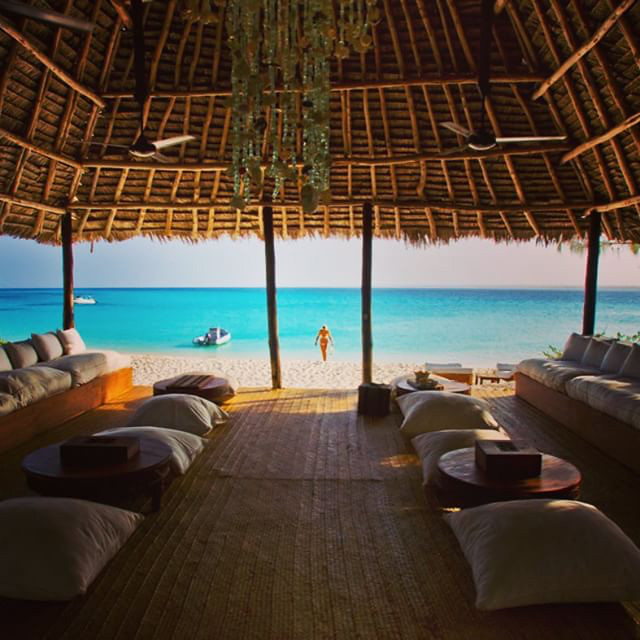
Zanzibar Beach Holidays: The Ultimate Luxury Island Escape in East Africa.
A Zanzibar beach holiday is a luxury island escape set in the Indian Ocean off Tanzania’s east coast, combining pristine white-sand beaches, turquoise coral-reef waters, a rich Swahili-Arab cultural heritage, and world-class water sports. The Zanzibar Archipelago, comprising the main island of Unguja and surrounding islets, including Pemba, sits just 35 kilometers from Dar es Salaam and is directly accessible by a 20-minute flight or a 1-hour boat crossing. Water temperatures stay between 25°C and 29°C year-round, making it a genuine all-seasons destination, with the dry season from June to October delivering the clearest skies, calmest seas, and optimal diving and snorkeling conditions. A Zanzibar beach holiday is most powerfully experienced as part of a wider Tanzania itinerary following a wildlife safari in Serengeti National Park or a summit of Kilimanjaro, creating what many travelers describe as the single most complete holiday experience available anywhere in Africa.
Quick Facts: Zanzibar Beach Holiday at a Glance
| DETAIL | INFORMATION |
| Location | Zanzibar Archipelago, Indian Ocean, off Tanzania’s coast 35 km from Dar es Salaam |
| Main Islands | Unguja (Zanzibar Island), Pemba Island, Mafia Island |
| Best Season | June–October (dry season); Dec–Feb (hot & dry, second best) |
| Water Temperature | 25–29°C year-round; no wetsuit needed |
| Flight to Zanzibar | ~1 hr from Arusha; ~20 min from Dar es Salaam |
| Currency | Tanzanian Shilling (TZS); USD widely accepted |
| Language | Swahili & English |
| Top Beaches | Nungwi, Kendwa, Matemwe, Paje, Jambiani, Pongwe, Nakupenda |
| Top Activities | Diving, snorkelling, kitesurfing, dhow cruises, spice tours, Stone Town, dolphin watching |
| Contact | +255 683 311 134 | info@luxurysafaristanzania.com |
Why Zanzibar is East Africa’s Most Iconic Beach Destination
The word alone has power. Zanzibar. Even people who have never opened an atlas know how it sounds; the syllables carry the scent of cloves, the lap of a warm Indian Ocean tide, and the image of a white dhow sail against a coral sunset. But beyond the romance of the name lies a destination that genuinely earns its legendary status: an archipelago of extraordinary natural beauty, complex cultural identity, and world-class luxury resort infrastructure that makes it the perfect finale or opening act to any luxury Tanzania safari.
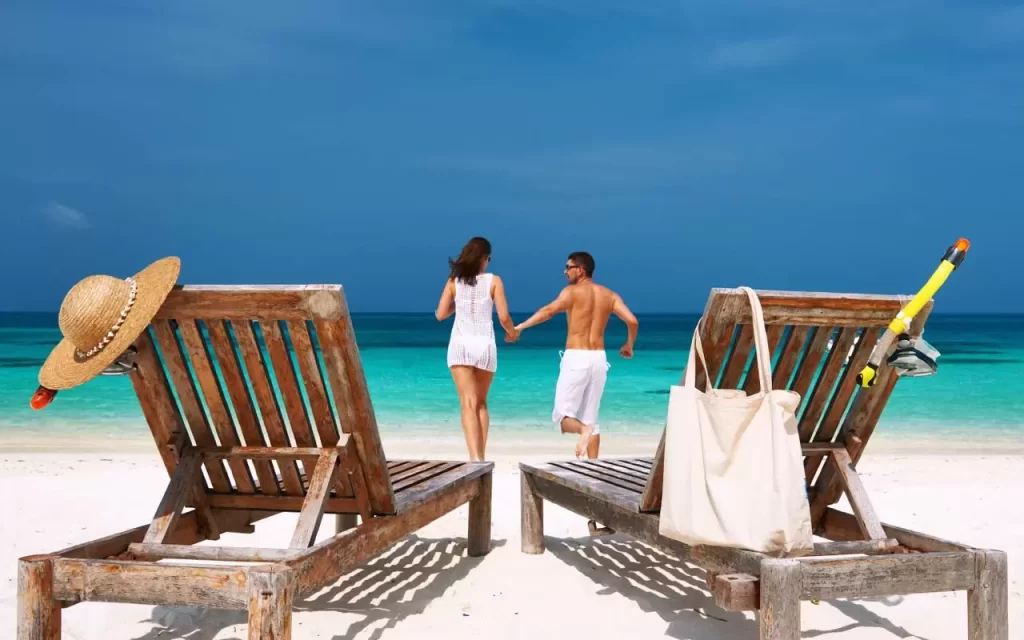
We have been guiding high-net-worth travelers through East Africa for over 12 years, designing bespoke itineraries for more than 10,000 guests from the US, UK, Europe, and Australia. In that time, the combination of a Serengeti wildlife safari followed by a Zanzibar beach holiday has remained our single most requested pairing, and for good reason. No other itinerary on Earth delivers two such different, equally extraordinary environments within a short domestic flight of each other. The Serengeti is all dust, silence, and raw predator drama. Zanzibar is all turquoise water, frangipani, and slow-flowing luxury. Together, they are Tanzania in its fullest expression.
Zanzibar Island (officially Unguja) stretches 85 kilometers from north to south and 30 kilometers east to west, small enough to explore thoroughly in a week and diverse enough to reward two. Its beaches span every temperament: the lively, social strips of Nungwi and Kendwa in the north; the pristine, diver’s paradise of Matemwe on the northeast coast; the kitesurfer haven of Paje on the east; and the utterly unspoiled, sun-bleached serenity of Jambiani and Pongwe in the south. Stone Town, a UNESCO World Heritage Site since 2000 sits at the island’s western tip, its labyrinthine coral-stone alleys and ornate carved doors forming one of East Africa’s most compelling cultural quarters.
This is a destination for all traveler personas. For couples seeking a honeymoon unlike any other, for families wanting a beach holiday that also delivers genuine educational and cultural value, and for the repeat Africa traveler who already knows the Serengeti and is ready for the island that completes the story, Zanzibar delivers every time.
The Best Beaches in Zanzibar: A Complete Guide by Zone
Zanzibar’s beaches are genuinely diverse in character, each suited to different traveler types and travel priorities. The overview table below will help you match the right beach to your vision for your holiday:
| Beach | Coast | Highlights | Best For |
| Nungwi | North | Lively, sunsets, turtle sanctuary, year-round swimming | Couples, Families |
| Kendwa | NW | Full moon parties, calm tides, snorkelling, water sports | Couples, Social |
| Matemwe | NE | Pristine, uncrowded, top snorkelling at Mnemba Atoll | Luxury, Divers |
| Paje | East | Kitesurfing capital, vibrant village, diving | Adventure, Surfers |
| Jambiani | SE | Seaweed farms, cultural, laid-back, coral formations | Culture Seekers |
| Pongwe | East | Ultra-quiet, honeymoon-perfect, romantic sunrises | Honeymooners |
| Nakupenda | West | Sandbar island, 15 min from Stone Town, snorkelling | Day-trippers |
| Uroa | East | Low-key, local feel, perfect for peaceful walks | Relaxation |
| Kizimkazi | South | Dolphin watching, dhow rides, star-gazing | Nature Lovers |
| Pwani Mchangani | NE | Kiteboarding, game fishing, diving, wide-open sands | Sports & Divers |
Northern Zanzibar Beaches: Nungwi and Kendwa
The northern coast of Zanzibar is where the island’s social energy is most concentrated and where you’ll find some of its most consistently beautiful swimming conditions. Unlike the eastern coast beaches, which are subject to dramatic tidal variation (exposing bare sand flats at low tide), the northern beaches benefit from calmer, steadier water levels that make them swimmable and visually spectacular throughout the day.
Nungwi Beach
Nungwi sits at the very tip of the island’s northern peninsula and is perhaps Zanzibar’s most celebrated beach, a 3-kilometer sweep of talcum-white sand backed by casual-luxury beach bars, boutique resorts, and the wooden frames of dhows under construction in the traditional boat-building yards at the village edge. The sunsets here are extraordinary: the western-facing aspect means you watch the Indian Ocean catch fire every evening without obstruction. Nungwi also hosts the Mnarani Natural Aquarium, a sea-turtle conservation center where hawksbill and green turtles are rehabilitated before release, making for a gentle, educational afternoon for families.
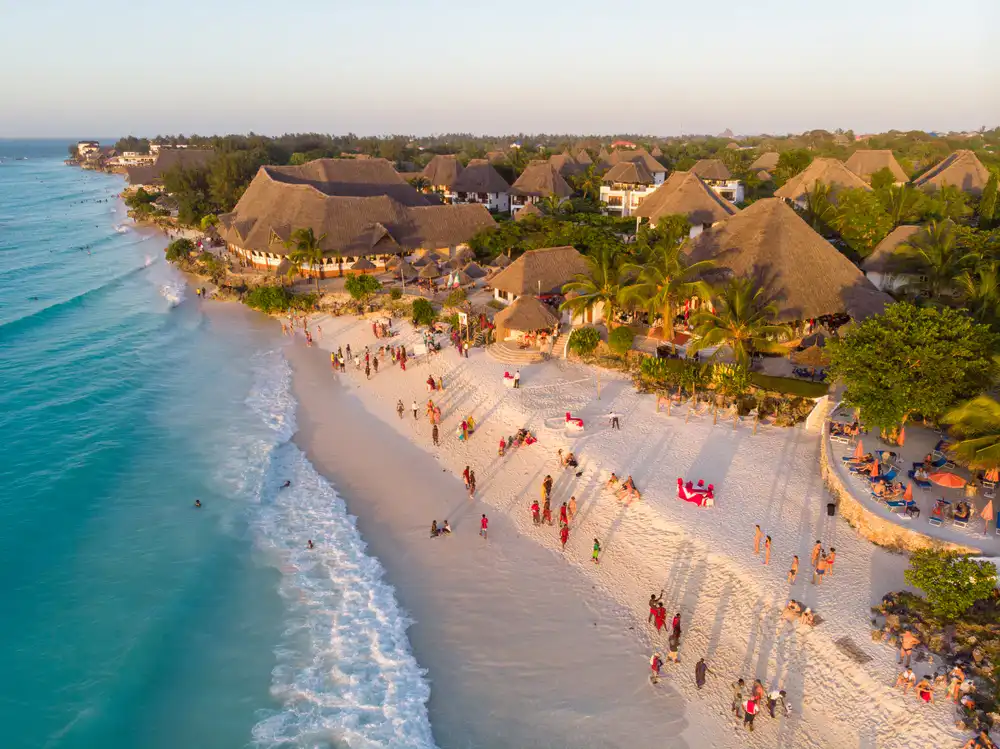
In terms of water sports, Nungwi is a hub. Sunset dhow cruises depart directly from the beach; snorkeling excursions to the nearby reef are organized year-round; and the village itself, with its Arabic-Swahili architecture, mosque minarets, and spice vendors, rewards an exploratory late-afternoon walk.
Kendwa Beach
Fifteen minutes south of Nungwi, Kendwa is smaller and marginally more intimate, the beach where our guests most frequently return after a first visit. It shares Nungwi’s tidal advantage (the reef configuration means the water stays swimmable even at low tide) and adds a particular atmosphere that is difficult to articulate but immediately felt upon arrival: relaxed, inclusive, and just social enough to feel alive without being frenetic. Kendwa Rocks Hotel hosts one of the world’s most-acclaimed full moon parties once a month, drawing a cosmopolitan crowd for an evening of music, fire shows, and dancing on the sand.
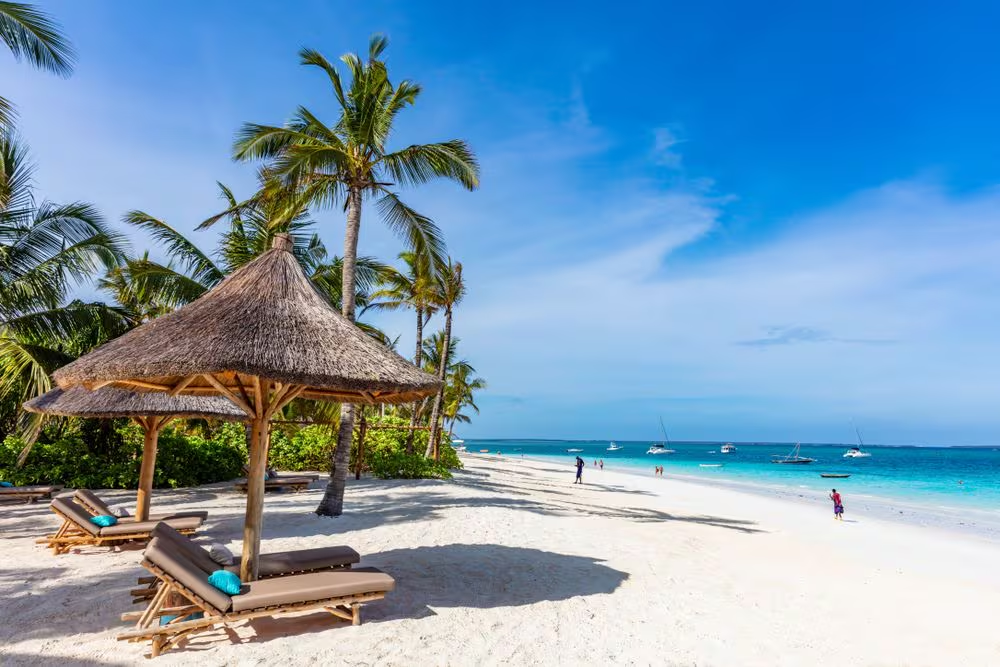
For luxury travelers, the private beach areas available at Kendwa’s higher-end resorts offer a genuinely exclusive experience: sunbeds reserved under personal shade structures, butler service, and cold-pressed juice menus that would not feel out of place at a Maldivian resort. Snorkelling directly off Kendwa is particularly remarkable: the reef lies close to shore, and the starfish population visible in the sand at knee depth is one of those wildlife moments that surprises even experienced divers.
Northeast Zanzibar: Matemwe and the Mnemba Atoll
The northeast coast of Zanzibar is where luxury accommodation reaches its absolute pinnacle, not just on the main island but also on the private coral atoll of Mnemba, accessible by a short dhow ride from Matemwe Beach. The & Beyond Mnemba Island lodge is widely regarded as one of the finest beach resorts in the world: sixteen open-fronted bandas (beach cottages) arranged around the island’s interior, accessed by barefoot paths through indigenous forest, each facing the Indian Ocean. The lodge operates on the island on a full-board basis, with snorkeling and diving available from the shore. The Mnemba Atoll Marine Conservation Area protects a reef of extraordinary biodiversity, including regular encounters with bottlenose dolphins, hawksbill turtles, and over 400 species of reef fish.
Matemwe Beach
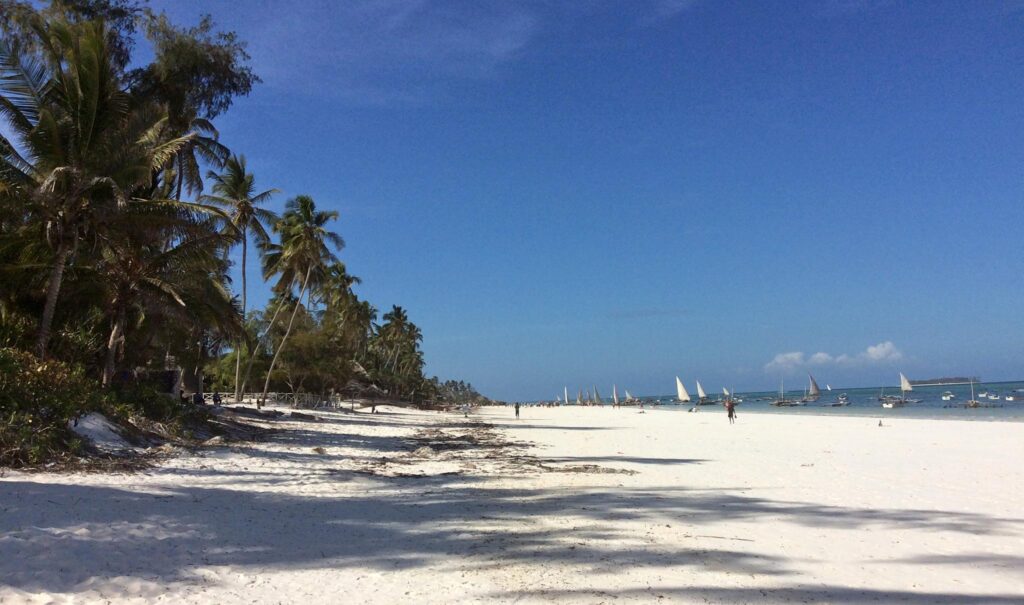
On the mainland coast, Matemwe Beach itself is one of Zanzibar’s most serene and photogenic stretches, a long, narrow strip of fine white sand with traditional outrigger fishing canoes beached along its upper edge and a reef visible as a turquoise ribbon in the mid-distance at low tide. Matemwe is quieter than Nungwi and considerably less developed than Paje, our recommended choice for travelers who prioritize privacy, natural beauty, and proximity to world-class diving over nightlife and social activity. The seaweed farmers who wade out at low tide to tend their underwater gardens add a striking visual element to the beach at golden hour.
Eastern Zanzibar: Paje, Jambiani, Pongwe, and the Kite Coast
The eastern coast of Zanzibar faces directly into the Indian Ocean trade winds, creating the conditions that have made it East Africa’s premier kitesurfing and windsurfing destination. The long fetch of open ocean, consistent south-easterly winds between June and October, and wide shallow-water lagoons at low tide all combine to produce conditions that draw kitesurfers from around the world.
Paje Beach
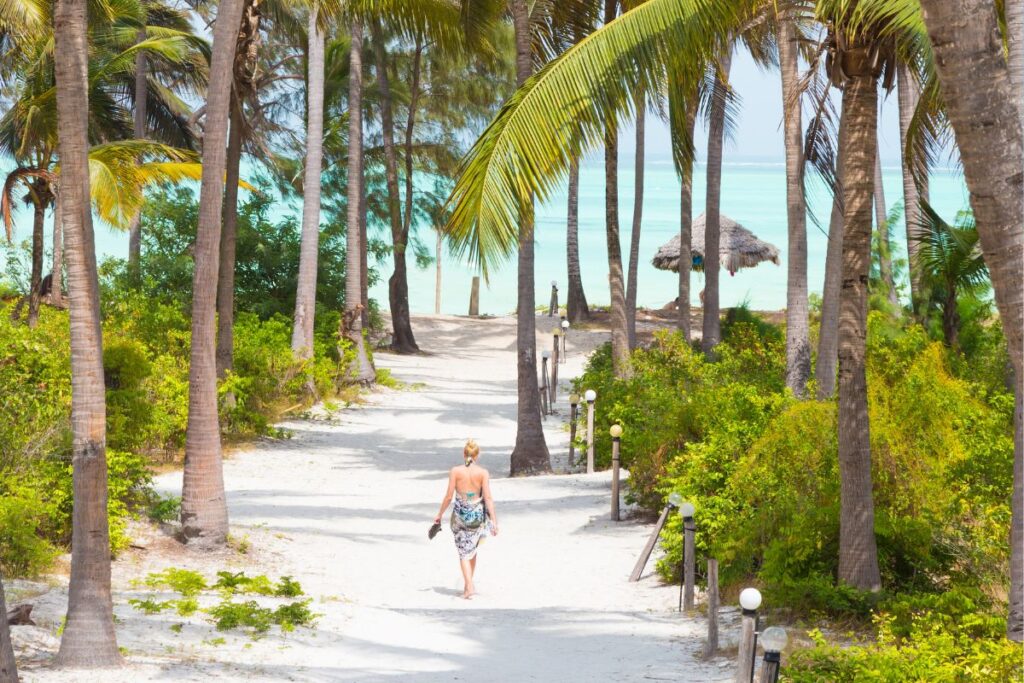
Paje is the kitesurfing capital of the east coast and, increasingly, a serious scuba diving hub in its own right. The beach has a youthful, international energy unlike any other on the island: kite schools operate openly along the sand, instructors from every corner of Europe give lessons in their national languages, and the laid-back restaurants and beach bars behind the dunes serve everything from fresh-caught lobster to shakshuka. For those who don’t kite, Paje’s proximity to house reefs and dive sites makes it excellent for snorkeling and PADI-certified diving courses.
Jambiani Beach
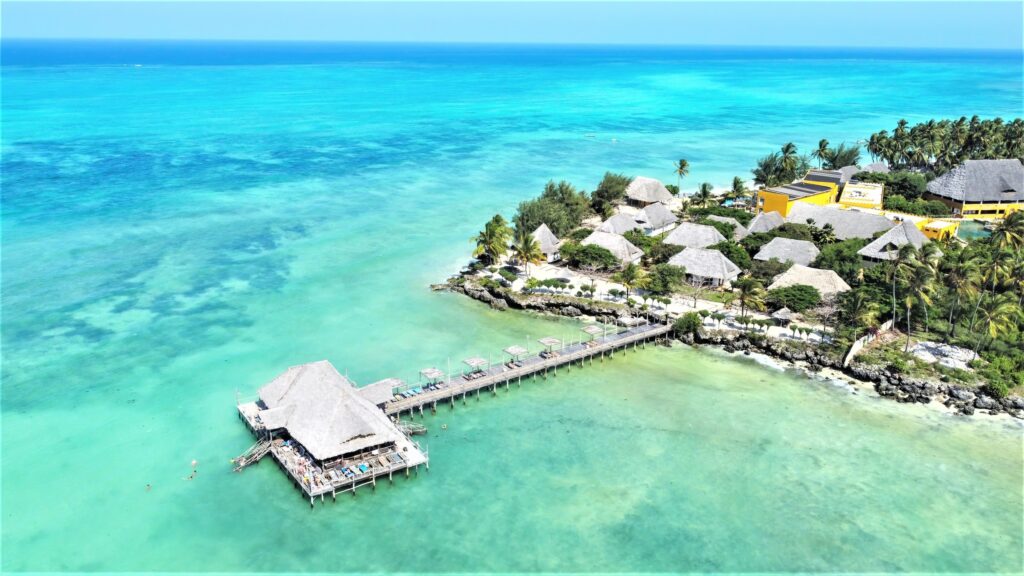
South of Paje, Jambiani offers what many experienced Zanzibar travelers consider the most authentic beach-village experience on the island. The beach itself is beautiful, framed by coral rock formations at its southern end, wide and flat at low tide, and dotted with local fishing vessels, but it’s the human element that distinguishes Jambiani: this is a working fishing village where travelers are welcomed into genuine community life. Jambiani’s seaweed-farming women cultivate euchemia seaweed for export to the global cosmetics industry and have become minor celebrities in sustainable tourism circles. Staying here means eating at family-run restaurants serving daily catch and learning the rhythms of Swahili coastal life.
Pongwe Beach
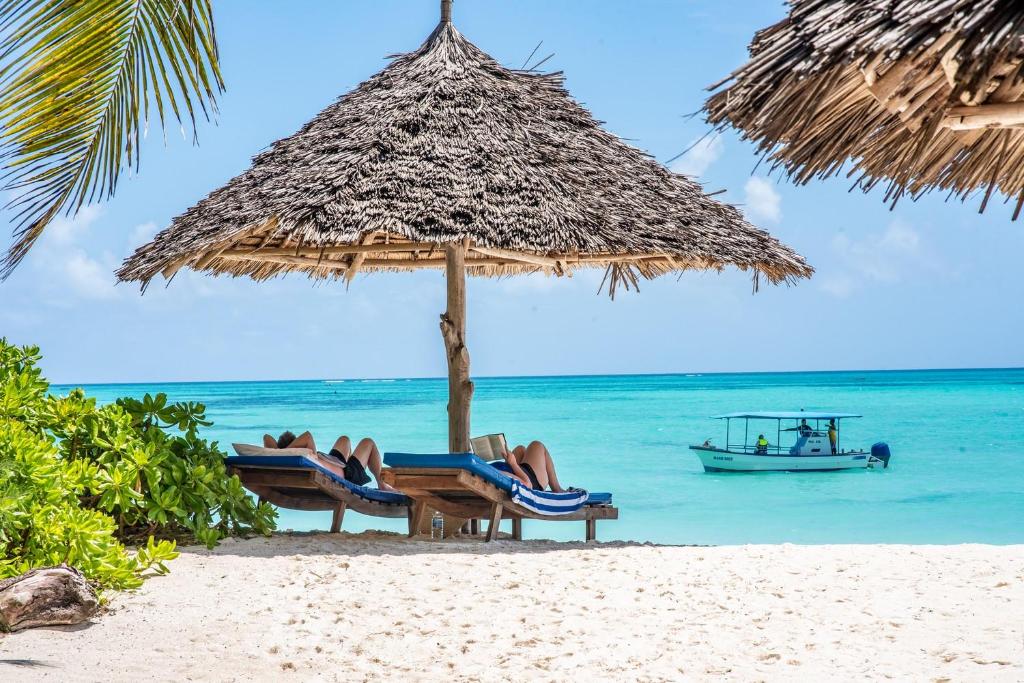
Our single most-recommended beach for honeymooners is Pongwe, a small pocket of shoreline situated between Kiwengwa and Uroa on the east coast. It faces slightly northeast, catching the sunrise in a way that no other Zanzibar beach quite matches, and it is genuinely quiet the kind of quiet that allows you to hear only the tide and the wind in the casuarina trees. Pongwe Bay Resort remains an exceptional choice for couples seeking absolute seclusion without sacrificing comfort.
Zanzibar’s Hidden Beaches: Nakupenda, Kizimkazi, and the Southern Shoreline
Beyond the main coastal strips, Zanzibar’s southern and offshore beaches offer experiences that feel genuinely off the beaten track even during high season.
Nakupenda Sandbar
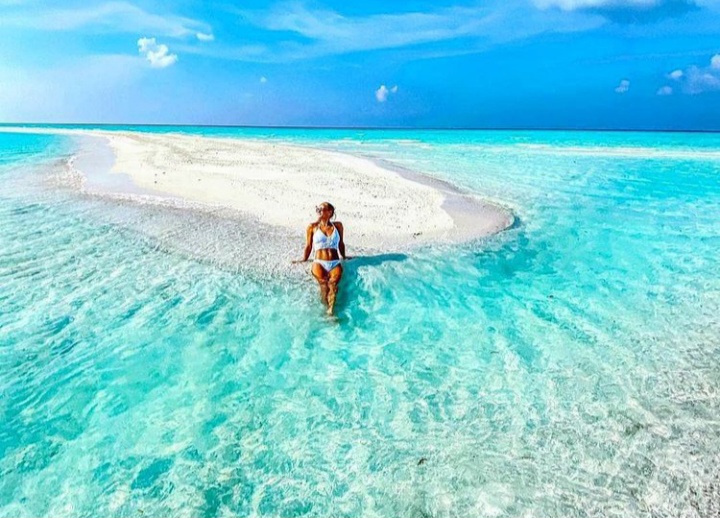
The name means ‘I love you’ in Swahili, and it is impossible to stand on this brief arc of white sand rising from the shallow blue water, fifteen minutes by motorboat from Stone Town, and disagree with the sentiment. Nakupenda is technically a tidal sandbar rather than a beach: at high tide, it barely exists; at low tide, it emerges as a perfect crescent of impossibly fine white sand surrounded in every direction by water so clear you can count the individual parrotfish picking at the coral below. Local dhow tour operators run half-day trips to Nakupenda regularly; we can arrange private, catered picnic excursions with a chilled cooler and personal crew.
Kizimkazi Beach
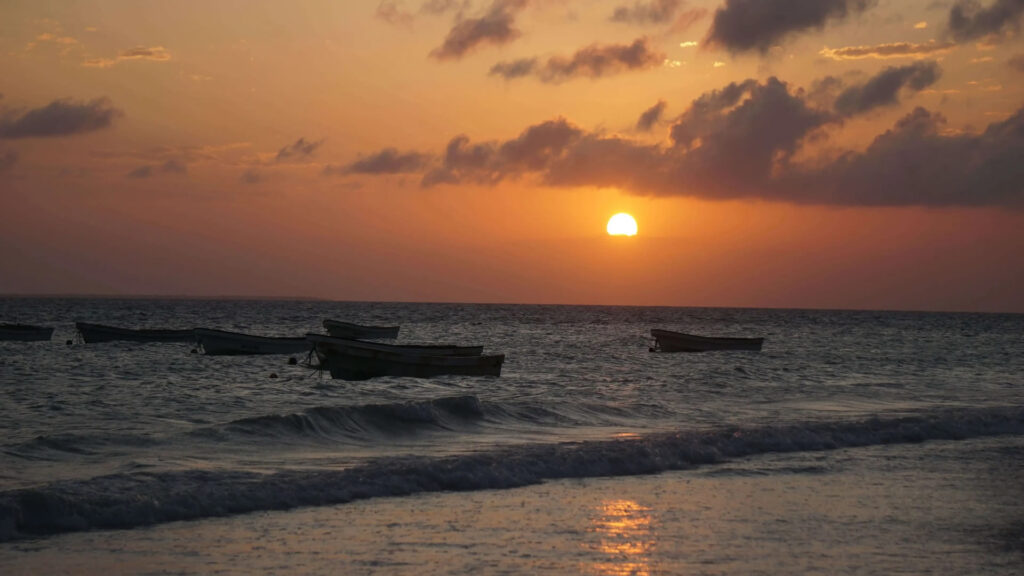
In Zanzibar’s quiet south, Kizimkazi Beach is known primarily for one thing: wild dolphins. The waters immediately offshore are home to resident pods of both humpback dolphins and bottlenose dolphins, and local boatmen run year-round snorkeling-with-dolphins trips. We should be transparent with our guests: responsible dolphin-watching practice means maintaining a respectful distance and never chasing or cornering the animals, something we discuss with every guest before booking this excursion. Kizimkazi also contains the oldest mosque in sub-Saharan Africa, dating to the 12th century, making it both an ecological and historical landmark.
Best Time to Visit Zanzibar: A Month-by-Month Guide

Zanzibar is an all-seasons destination in the sense that its water temperature barely varies year-round (25–29°C), its beaches are beautiful in every month, and flights connect directly from mainland Tanzania’s safari hubs regardless of season. However, planning your visit around the weather calendar will significantly enhance your experience. The table below distills our 12 years of experience advising guests on the best timing:
| Month | Conditions & Highlights | Rating |
| Jan | Hot & dry, calm seas. Excellent snorkeling & diving visibility. Busy festive tale. | GREAT |
| Feb | Peak heat, low winds. Fantastic for beach relaxation & water sports. | GREAT |
| Mar | Long rains begin mid-month. Some beach closures. Lower rates. | FAIR |
| Apr | Heavy rains. Rough seas. Most resorts offer deep discounts. | AVOID |
| May | Rains easing. Green landscapes. Best value, few tourists. | FAIR |
| Jun | Dry season starts. Cooler breezes and clear skies. Excellent. | BEST |
| Jul | Peak dry season. Best diving conditions. Busy book early. | BEST |
| Aug | Warm, dry, calm. Turtle nesting season. Kitesurfing peak. | BEST |
| Sep | Excellent all-around. Great snorkeling, dolphin trips, and culture. | BEST |
| Oct | Warm & dry. Short rains may start late this month. Still superb. | GREAT |
| Nov | Short rains. Brief showers, mostly sunny. Quieter, cheaper. | GOOD |
| Dec | Festive season. Short rains end. Busy & lively book ahead. | GREAT |
Dry Season (June–October): The Gold Standard
The dry season is when Zanzibar Beach Holidays are at their absolute best. Skies are almost uniformly clear, southeast trade winds keep the temperature pleasant (28–32°C rather than the heavy heat of the wet season), and the visibility underwater reaches 20–30 metres at prime dive sites. This period is also when the Great Wildebeest Migration is at its most dramatic on the mainland, making a combined migration safari followed by a Zanzibar beach stay the most popular combination in our portfolio. July and August are the busiest months; if you’re traveling in peak season, book resorts, dive courses, and boat trips well in advance.
December–February: Hot, Sunny, and Social
The short dry season between December and February delivers hot, clear days (34°C at peak) with low winds and flat, calm seas. Diving visibility is exceptional; some sites show 30+ metres during this period, and the warm temperatures combine with the festive season to create a particularly social, celebratory atmosphere at the northern beach resorts. This is Zanzibar’s honeymoon and special-occasion peak season: roses are everywhere, sunset champagne menus are a resort staple, and the island’s upscale culinary scene is at its most creative.
Green Season (March–May): Budget and Beauty
April and May bring the heavy, long rains and genuinely challenging weather with afternoon downpours, rough seas, and some beach resort closures. We generally advise against Zanzibar-focused holidays during these months for guests who have a fixed beach agenda, though March can be lovely if you catch it before the rains intensify. The upside: dramatically lower accommodation rates (30–50% below peak season), empty beaches, and a lush, green landscape that photographers find extraordinarily beautiful.
Things to Do on a Zanzibar Beach Holiday
A Zanzibar beach holiday is far more than passive sunbathing, though if that is your priority, we will absolutely design an itinerary that prioritizes exactly that. For those who want to engage more actively with the island, here is a curated guide to the experiences we recommend most frequently to our guests:
Scuba Diving and Snorkelling at Mnemba Atoll

The Mnemba Atoll Marine Conservation Area, located 3 kilometers offshore from Matemwe Beach in the northeast, is consistently rated among the top ten dive sites in the entire Indian Ocean. The outer reef wall drops to 40 metres through dense coral gardens, where encounters with whale sharks (November–February), manta rays, dolphins, hawksbill turtles, and extraordinary reef fish communities are regular features of dive briefings. The inner lagoon is calm enough for beginner snorkellers and holds its own biodiversity: Christmas tree worms on brain coral, clouds of butterfly fish in the shallows, and the occasional moray eel surveying from a crevice.
The & Beyond Mnemba Island lodge guests have direct access to the atoll from their private beach; for those staying on the mainland, Matemwe-based operators organize guided half-day and full-day dive excursions to the same sites.
Kitesurfing and Water Sports at Paje
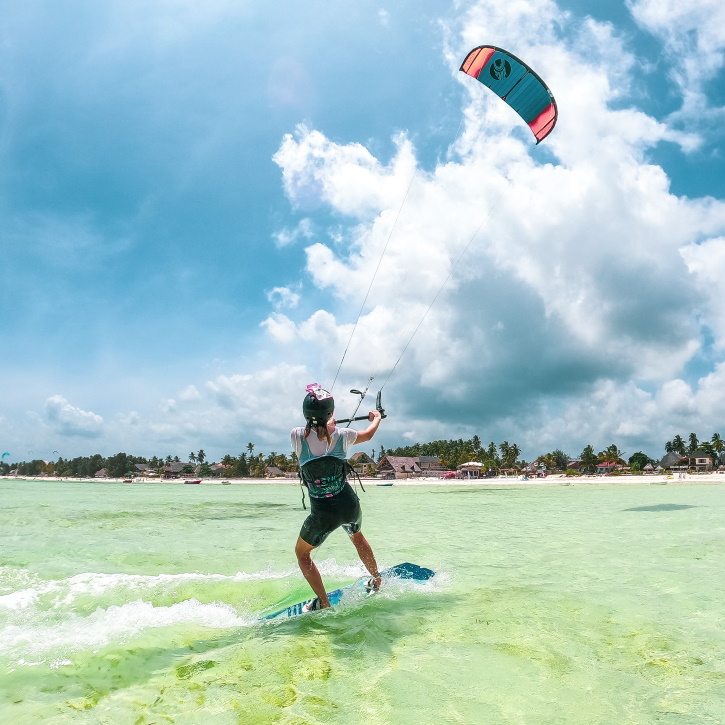
Paje on the east coast has established itself as East Africa’s premier kitesurfing destination, and with good reason. The consistent south-easterly winds (averaging 15–25 knots between June and October), the wide, shallow-water lagoon exposed at low tide, and the large number of professional kite schools all combine to create an environment that is ideal for both learning and progression. International Kiteboarding Organisation (IKO) certified instruction is available, and private lessons in multiple languages can be arranged through our team as part of a bespoke beach itinerary.
Beyond kitesurfing, Paje also offers stand-up paddleboarding, ocean kayaking, and glass-bottom boat trips over the nearby reef, all of which we can incorporate into a luxury beach holiday in Zanzibar tailored to your specific activity preferences.
Sunset Dhow Cruises
There is a particular Zanzibar experience that no brochure photograph can fully prepare you for, and it happens every evening. As the sun descends toward the Indian Ocean on Zanzibar’s western horizon, wooden dhows, the traditional lateen-sailed vessels that have plied these waters for a thousand years, drift silently along the reef edge with their triangular sails catching the last golden light. Watching the scene from the beach is beautiful; being on one of those dhows, glass of cold white wine in hand, watching Stone Town’s rooftops grow small in the distance, is something else entirely.
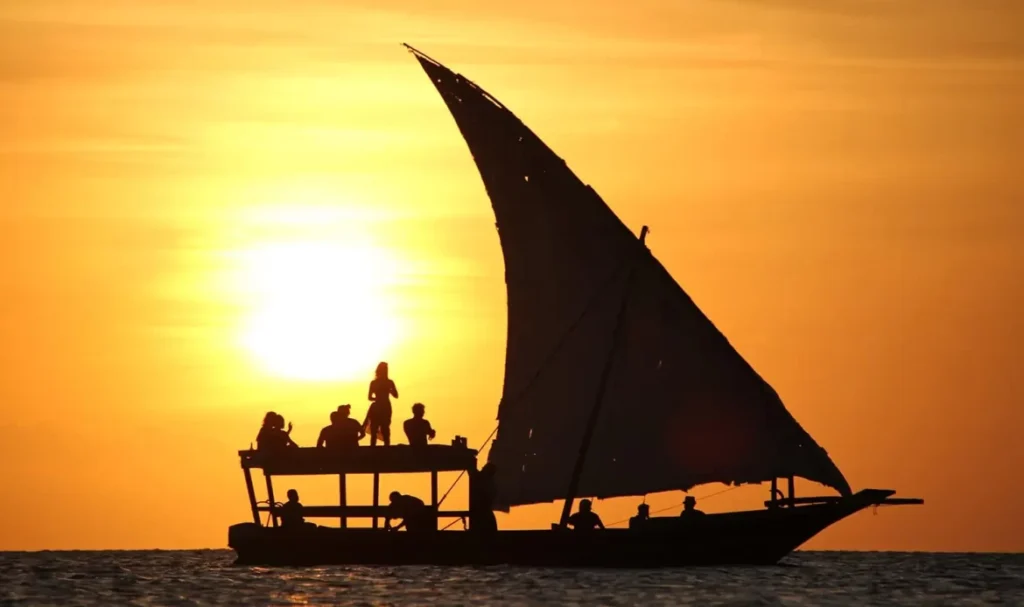
We arrange private sunset dhow cruises from both Nungwi and Stone Town, with catered sundowner spreads, fresh tropical fruit, and the option of a traditional Swahili dinner served aboard as the stars emerge over the Indian Ocean.
Stone Town Cultural Exploration
Zanzibar’s UNESCO-listed Stone Town is a living museum of the Swahili-Arab cultural fusion that has shaped the island’s identity over a millennium of trade, conquest, and exchange. Wandering its narrow coral-stone alleys, past the elaborately carved wooden doors that signal the wealth and status of the Arab merchants who built them, past the old slave market (now an Anglican cathedral), past the Sultan’s palace and the House of Wonders, and past the night food market at Forodhani Gardens, where octopus skewers and sugarcane juice are prepared under strings of fairy lights, this journey is one of East Africa’s richest urban experiences.
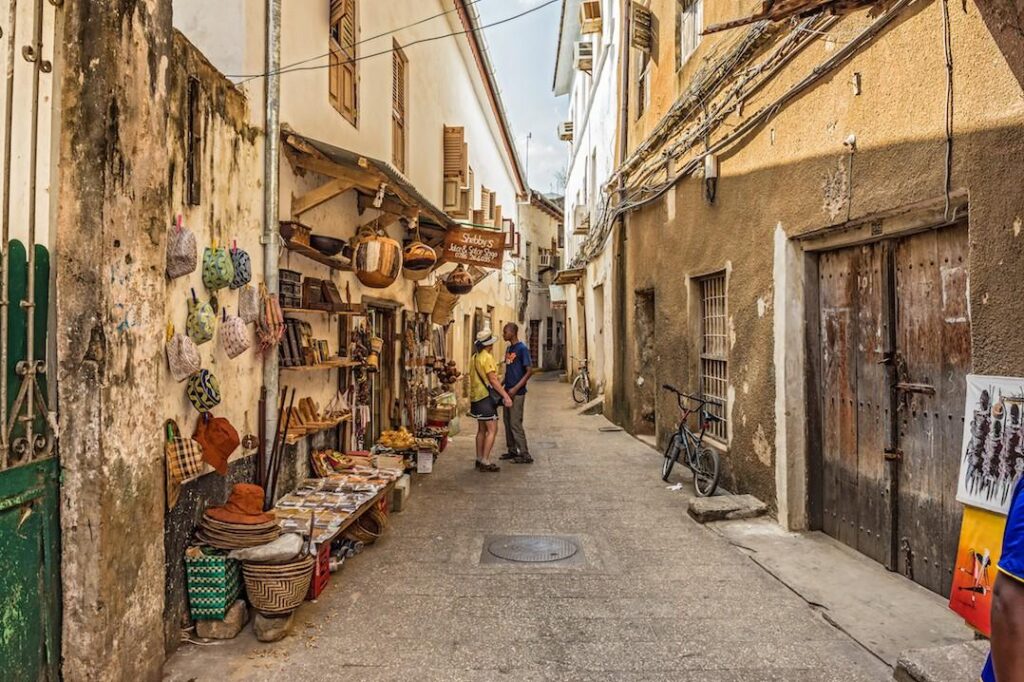
Our guided Stone Town walking tours are led by expert local guides who carry profound knowledge of the town’s multi-layered history (Omani, Persian, Portuguese, British, and Swahili) and who know which carved doorways conceal the most extraordinary interior courtyards and which family-run spice shops stock saffron from local farms that no tourist restaurant has discovered yet. Stone Town is also 40 minutes from Jozani Forest National Park, Zanzibar’s only national park and the home of the endemic and endangered Zanzibar Red Colobus Monkey, easily combined into a half-day cultural and nature excursion.
Spice Tours: Into the Island’s Aromatic Interior
Zanzibar earned its ‘Spice Island’ nickname over centuries as the world’s primary source of cloves, and the island’s interior still supports a patchwork of spice and fruit plantations where lemongrass, black pepper, nutmeg, turmeric, cardamom, vanilla, jackfruit, durian, and starfruit grow in extraordinary profusion. A Zanzibar spice tour walking the red-earth paths between plantation rows, tasting, smelling, and learning the culinary and medicinal uses of each plant is one of those experiences that every first-time visitor finds unexpectedly moving.
We arrange private spice tours with expert local guides from the Kizimbani and Kidichi plantation villages, concluding with a home-cooked Swahili lunch using the spices and produce you’ve just encountered. It is an excellent half-day addition to any beach-focused itinerary.
Dolphin Watching and Marine Wildlife
Kizimkazi, located in the south, serves as the base for Zanzibar’s dolphin-watching excursions, where resident humpback dolphin pods and bottlenose dolphin groups inhabit the waters year-round. We recommend responsible-tourism operators who follow Department of Fisheries guidelines on approach distances and engine speed, ensuring that dolphin encounters remain genuinely wild rather than intrusive. Whale shark sightings are also possible in Zanzibar’s waters, particularly between October and February.
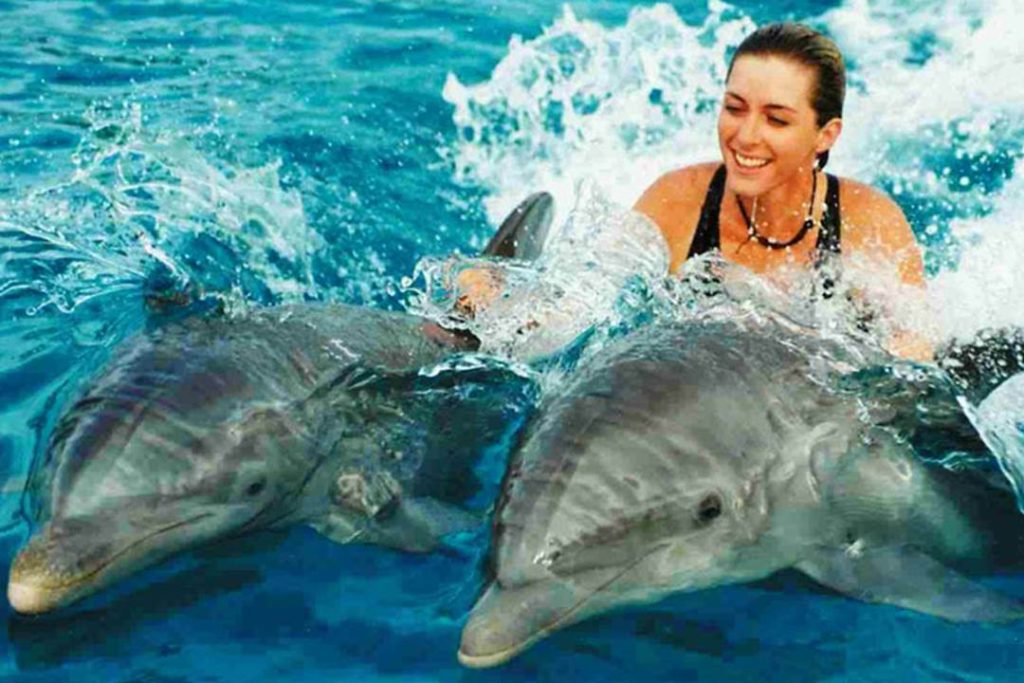
Beyond dolphins, the waters around Pemba Island, Zanzibar’s less-visited sister island to the north, offer some of the Indian Ocean’s most dramatic drop-off diving: wall dives that plunge over 50 metres through undisturbed hard coral gardens. We organize multi-day island-hopping itineraries that combine Zanzibar’s main island with Pemba for guests who want the full archipelago diving experience.
Ready to Plan Your Zanzibar Beach Holiday?Our expert team will design a tailor-made itinerary combining Zanzibar’s best beaches with Tanzania’s greatest wildlife experiences all in one seamless trip. → Contact Our Beach Holiday Experts WhatsApp / Call: +255 683 311 134 | info@luxurysafaristanzania.com |
How to Combine a Zanzibar Beach Holiday with a Tanzania Safari
The Tanzania-and-Zanzibar safari combination is the itinerary format we have designed more than any other. For most of our guests, the question isn’t whether to combine safari and beach; it’s how many nights to allocate to each and which mainland parks to include before flying to the island.