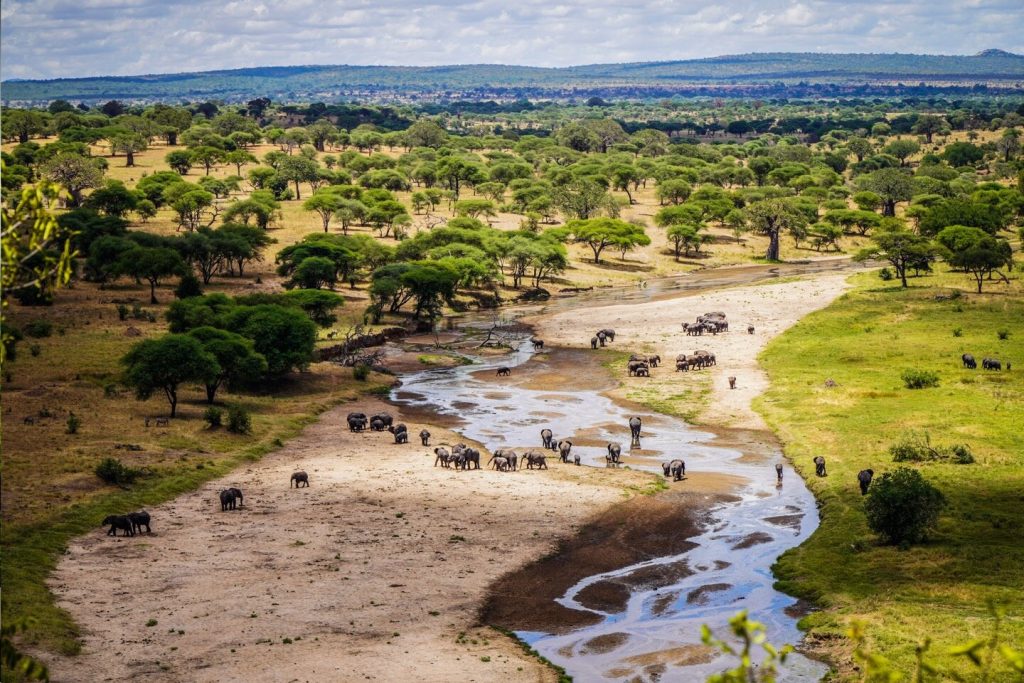
Elewana Tarangire Treetops offers one of the broadest activity lists of any lodge on Tarangire’s boundary, precisely because its location outside the formal park allows after-dark exploration that the national park itself does not permit.
- Day game drives: morning and afternoon drives through both Tarangire National Park and the surrounding Randilen Wildlife Management Area, tracking elephant herds, big cats, and general plains game with an experienced driver-guide.
- Night game drives: spotlight drives across the private concession reveal nocturnal species rarely seen on standard day safaris, including genets, civets, and occasionally leopards on the hunt.
- Guided walking safaris: accompanied by an armed ranger and a Maasai guide, walking safaris move at a slower pace through the bush, focused on tracks, smaller wildlife, and plant life rather than big-game spotting alone.
- Birdwatching: Tarangire’s checklist of more than 550 recorded species includes the yellow-collared lovebird, kori bustard, bateleur eagle, and the giant lappet-faced vulture, making the park a serious destination for birders as well as big-game travelers.
- Maasai village visits: guided cultural visits to a nearby Maasai community offer insight into traditional homestead life, craft-making, and the pastoralist culture that has shared this landscape with wildlife for generations.
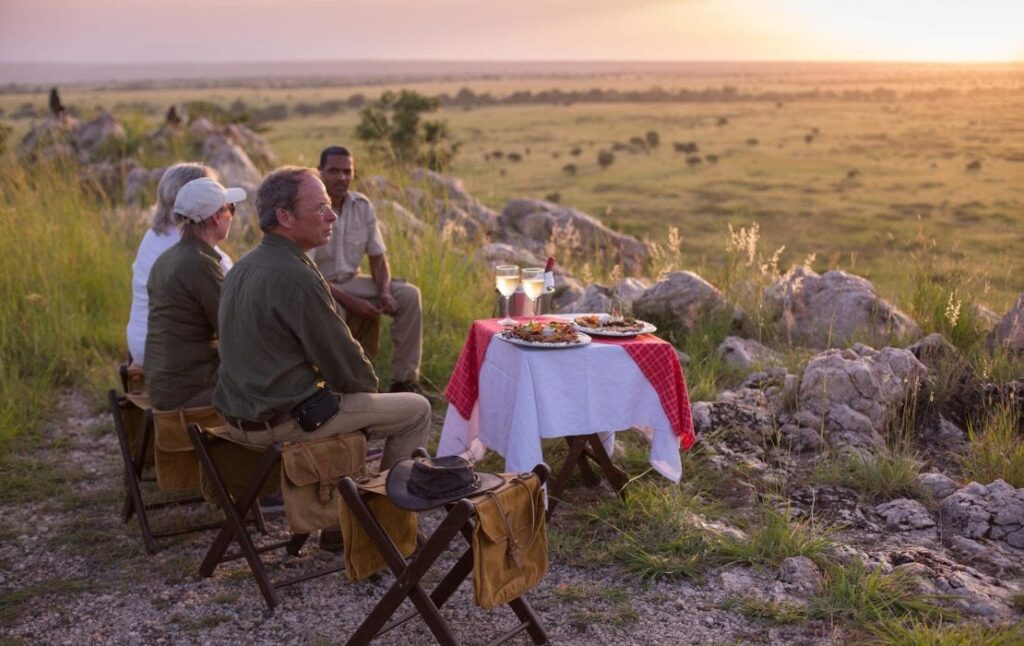
- Sundowners at the Baobab Bar: an evening ritual on Sunset Hill, watching the light change over the plains before the drive back to the lodge for dinner.

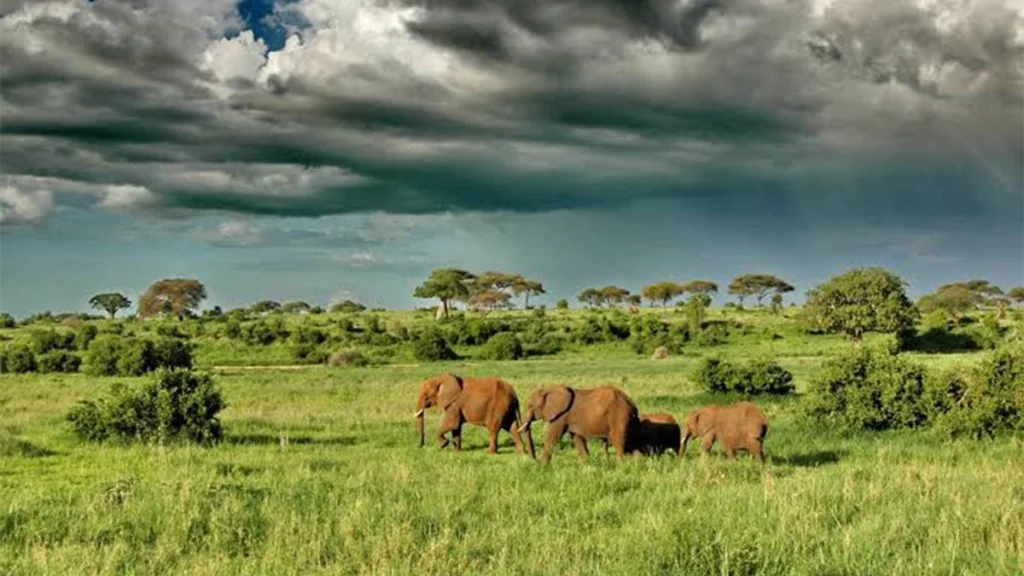
Wildlife-wise, Elewana Tarangire Treetops sits inside elephant country in the truest sense: herds of two hundred or more are a realistic sighting during the dry season, and the property’s own waterhole draws a steady procession of animals into camera range without a vehicle in sight. Lions are present year-round, including individuals known to climb into acacia trees, while leopard and cheetah sightings reward patient, well-guided game drives. Tarangire’s drier terrain also supports species that are harder to find elsewhere on the northern circuit, among them fringe-eared oryx, gerenuk, and lesser kudu, with occasional sightings of African wild dog. Guides are experienced Tanzanian driver-guides paired with Maasai trackers, and the lodge’s storytelling tradition means a game drive here tends to come with as much cultural and ecological context as wildlife spotting.
Who Should Stay at Elewana Tarangire Treetops
Honeymoon & Romantic Couples
The elevated, open-fronted suites, private balconies, and candlelit Boma dinners make Elewana Tarangire Treetops a genuinely romantic choice, and it pairs naturally into a wider honeymoon safari itinerary alongside the Serengeti or Zanzibar’s beaches.
Families with Children
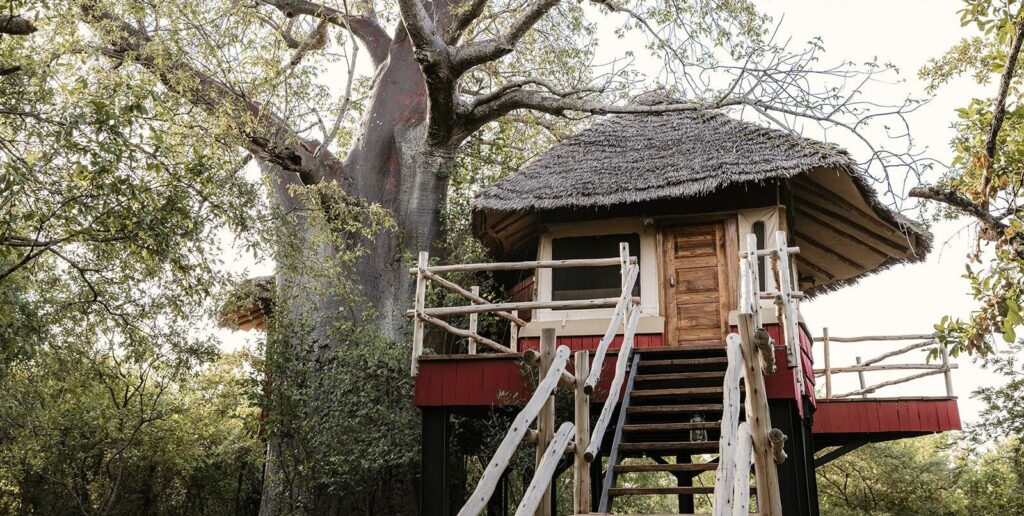
The lodge welcomes families and can arrange extra beds or cribs on request, though the steep spiral staircases to each suite mean it suits confident, older children better than toddlers or very young infants. Families traveling with younger children should discuss the physical layout with their safari consultant before booking and consider pairing a shorter stay here with a more toddler-friendly ground-level camp elsewhere on the circuit.
Solo Travelers
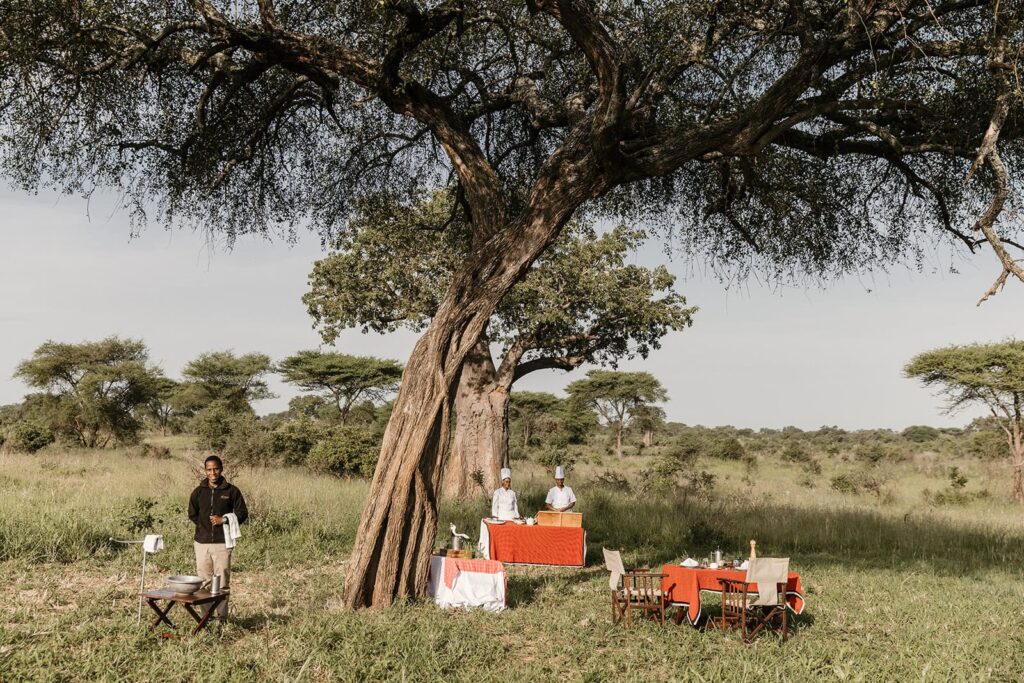
Solo travelers are well looked after here: shared game drives, communal dining by the baobab, and the lodge’s storytelling. Maasai staff make it effortless to meet other guests without the trip feeling engineered for couples or groups only.
Wildlife Photographers
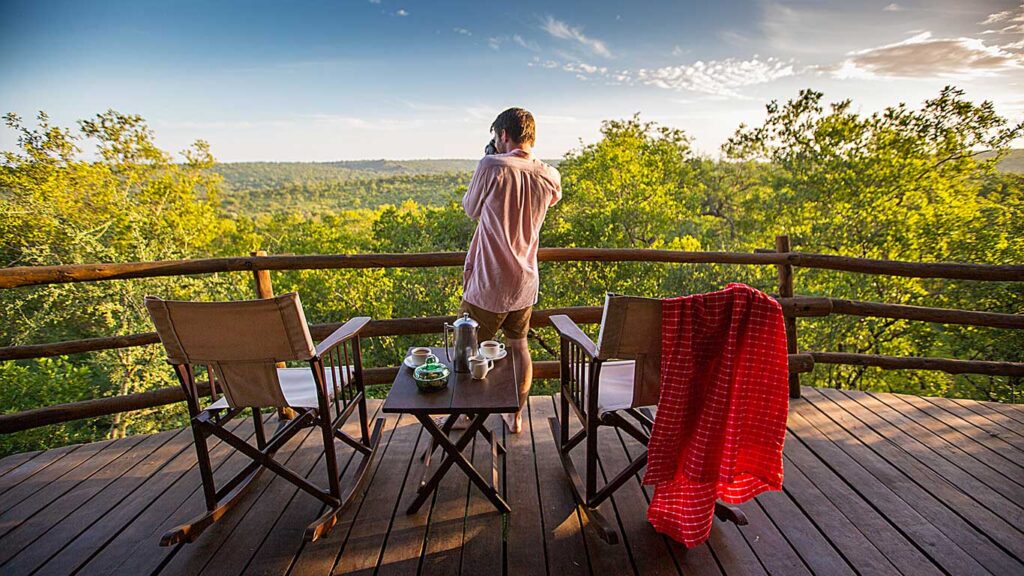
For a dedicated photography safari, the open-fronted suite design and waterhole views mean serious photography can happen without ever leaving the room, while dry-season elephant densities in Tarangire National Park itself offer some of the most reliable large-mammal photography on the northern circuit.
First-Time Safari Travelers vs. Repeat Africa Visitors
First-time visitors get a genuinely memorable introduction to safari life without sacrificing comfort, since the sheer novelty of sleeping in the trees tends to make a strong first impression of what a Tanzania safari can be. Repeat Africa travelers, meanwhile, often choose Elewana Tarangire Treetops specifically because they have already done the more conventional ground-level camps and are looking for a genuinely different physical experience of the bush.
Is it Worth the Price?
At roughly US $970 to $1,450 per person per night all-inclusive, Elewana Tarangire Treetops sits at the upper end of accommodation options in the Tarangire ecosystem, noticeably above ground-level options such as Tarangire Sopa Lodge, but broadly in line with other architecturally distinctive luxury properties on the northern circuit. Guests are paying as much for the suite size and the elevated design as for the wildlife access itself, and for travelers who value that particular experience, most reviewers describe it as worth the premium.
Best Time to Visit Elewana Tarangire Treetops
The single best time to visit Elewana Tarangire Treetops is the dry season, from June through October, when Tarangire’s elephant concentrations peak as the wider ecosystem dries out and animals funnel toward the permanent water of the Tarangire River.

- June–October (Dry / Peak Season): the strongest wildlife concentrations of the year, with elephant herds, resident lion prides, and strong predator activity around the river. This is also the busiest and most expensive period to book.
- November–December (Short Rains / Shoulder Season): landscapes turn green, crowds thin out noticeably, and birdlife remains excellent, though wildlife disperses more widely across the ecosystem.
- January–March (Green Season): newborn wildlife, dramatic skies, and some of the best rates of the year, offset by more dispersed game and occasional afternoon showers.
- April–May (Long Rains): the quietest and most affordable months, with some camps elsewhere on the circuit closing entirely, though Elewana Tarangire Treetops typically remains open year-round for travelers who prioritize solitude over guaranteed sightings.
Travelers planning a broader northern circuit trip should also check the best time to visit Tanzania guide to see how Tarangire’s seasonality aligns with the Great Wildebeest Migration further west in the Serengeti.
Conservation & Community at Elewana Tarangire Treetops.
Elewana Tarangire Treetops sits within the Randilen Wildlife Management Area, a community-owned conservation area established to protect the elephant migration corridor running along Tarangire’s northeastern boundary. Revenue generated by tourism inside Wildlife Management Areas like Randilen is channeled back to the surrounding Maasai communities, funding local infrastructure, education, and conservation initiatives while giving those communities a direct economic incentive to protect wildlife corridors rather than convert the land to other uses.
The lodge’s Maasai staff are drawn heavily from these surrounding communities, and their role as guides, trackers, and cultural hosts turns employment at the lodge into a direct link between conservation and community livelihood. Through the Elewana Collection’s Land & Life Foundation, the wider portfolio supports conservation education and sustainable coexistence projects across East Africa, extending the lodge’s impact beyond its own guest experience. Choosing to stay at Elewana Tarangire Treetops therefore supports both the protection of an active elephant migration corridor and the Maasai communities who share that landscape.
Planning Your Stay: Practical Travel Tips
What to Pack
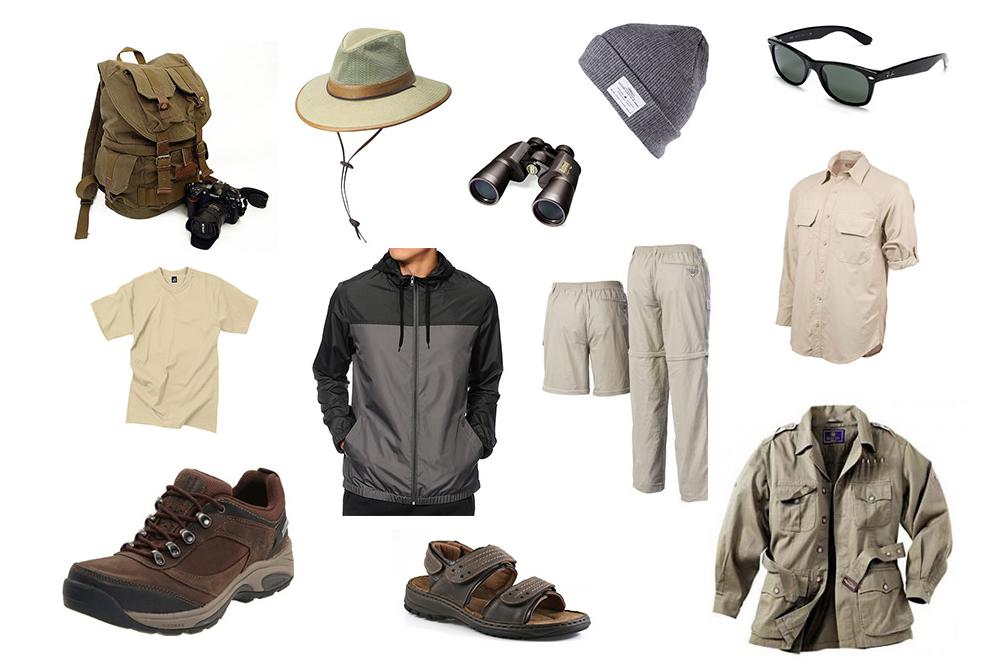
Tarangire’s climate runs warm and dry for most of the year, with daytime temperatures typically in the high 20s to low 30s Celsius and noticeably cooler mornings and evenings, especially on open-air night drives. Pack lightweight, neutral-colored layers, a warm fleece or jacket for early game drives, closed walking shoes for guided walks, a wide-brimmed hat, sunscreen, and insect repellent. If any part of the journey involves a light-aircraft transfer, pack in a soft-sided bag; most charter operators enforce a 15-kilogram luggage limit per person.
Health & Vaccination Notes
Vaccination is not a strict legal requirement to enter Tanzania, but yellow fever and malaria prophylaxis are commonly recommended for travelers heading into the safari circuit, and a pre-trip consultation with a physician or travel clinic is the safest way to confirm what is appropriate for a given itinerary and travel history.
Payment, Tipping & What’s Included
US dollars are widely accepted alongside the Tanzanian Shilling, and major credit cards are generally accepted at the lodge for incidentals. Tipping guides and lodge staff is customary practice across Tanzania’s safari industry, with many travelers budgeting in the region of US $15–20 per guest per day for guides as a general guideline rather than a fixed lodge policy. The all-inclusive rate at Elewana Tarangire Treetops typically covers accommodation, meals, a selection of house drinks, and scheduled activities within the property’s own concession; premium wine and spirit labels, spa treatments where offered, gratuities, and scheduled charter flights are usually charged separately.
Combining With Other Parks
Because of its position on the northern circuit, Elewana Tarangire Treetops combines naturally with a stay at Lake Manyara National Park, the Ngorongoro Conservation Area, a UNESCO World Heritage Site, and the vast plains of the Serengeti. Many travelers also extend a northern circuit trip with a Zanzibar beach stay or add a dedicated hot air balloon safari over the Serengeti for a very different perspective on the same ecosystem. For guests planning the logistics of a multi-park trip, the fly-in safari option is worth considering given how close Kuro Airstrip sits to the lodge itself.
Frequently Asked Questions About Elewana Tarangire Treetops
How many rooms does Elewana Tarangire Treetops have?
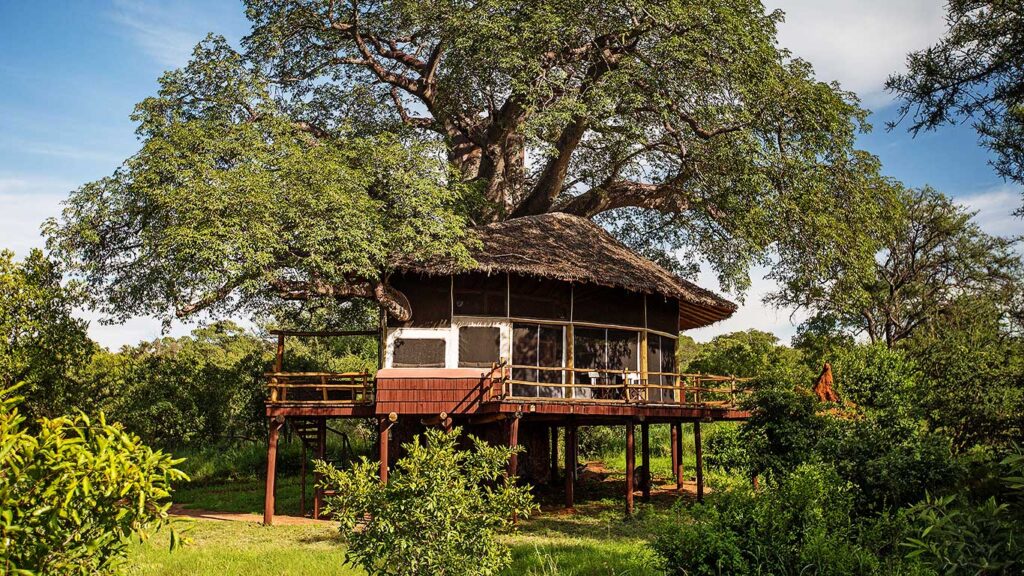
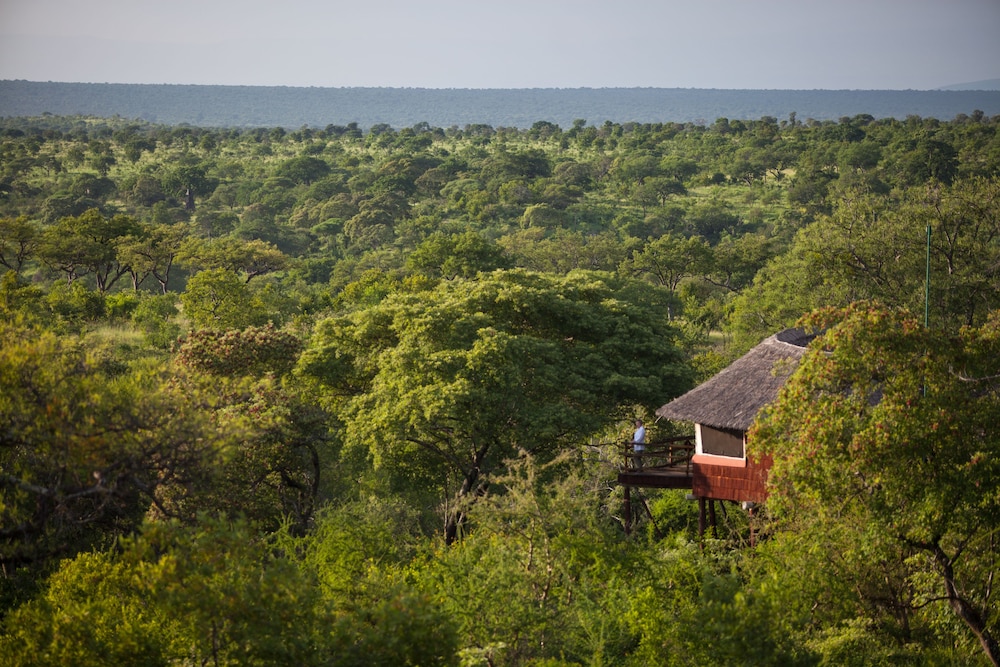
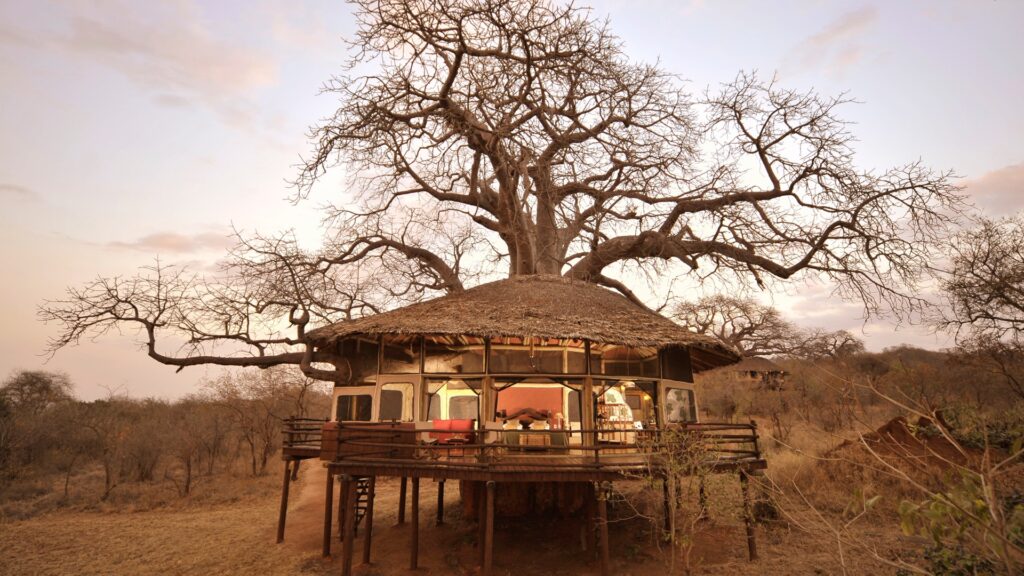
Elewana Tarangire Treetops has 20 elevated Treetop Suites, each built into the canopy of surrounding baobab and marula trees. At roughly 65 square meters (700 square feet), these suites rank among the largest guest rooms found anywhere in East Africa, and there is a single consistent suite category rather than multiple room tiers.
Where is Elewana Tarangire Treetops located?
The lodge sits inside the Randilen Wildlife Management Area, on the northeastern boundary of Tarangire National Park in northern Tanzania, roughly 120 to 140 kilometers southwest of Arusha. Its position just outside the formal park boundary is what allows the property to offer night game drives and walking safaris.
Is Elewana Tarangire Treetops inside Tarangire National Park?
No. Elewana Tarangire Treetops sits just outside the boundary of Tarangire National Park, within the private, community-run Randilen Wildlife Management Area. That location gives guests access to activities the national park itself does not permit, including night drives and guided walking safaris, alongside standard day game drives inside Tarangire National Park.
What is the nearest airstrip to Elewana Tarangire Treetops?
The nearest airstrip is Kuro Airstrip, located inside Tarangire National Park. Scheduled light-aircraft flights connect Kuro to Arusha in around 20 to 25 minutes, followed by a road transfer of roughly 45 minutes to an hour to reach the lodge itself.
How much does Elewana Tarangire Treetops cost per night?
Rates for Elewana Tarangire Treetops generally run from around US $970 to $1,450 per person per night on an all-inclusive basis, though pricing shifts with season, suite availability, and promotional offers. Contact Luxury Safaris Tanzania for a current quote tailored to specific travel dates.
Is Elewana Tarangire Treetops all-inclusive?
Yes. The standard rate at Elewana Tarangire Treetops covers accommodation, all meals, a selection of house drinks, and scheduled game drives and activities within the property’s own concession. Premium wine and spirit labels, gratuities, and scheduled charter flights are typically charged separately.
Is Elewana Tarangire Treetops good for families with children?
The lodge welcomes families and can arrange extra beds or cribs on request, but the elevated suites are reached via steep spiral staircases, which suit confident older children better than toddlers or very young infants. Families traveling with young children should confirm the physical layout with their safari consultant before booking.
Is Elewana Tarangire Treetops a great choice for a honeymoon?
Yes. The open-fronted, elevated suites, private balconies, and candlelit Boma dinners under the stars make it a genuinely romantic choice, and it pairs naturally with a Serengeti or Zanzibar extension for couples building a longer honeymoon itinerary.
What wildlife can you see at Elewana Tarangire Treetops?
Expect large elephant herds, especially during the June-to-October dry season, alongside resident lions (including individuals known to climb trees), leopards, and occasional cheetahs. Tarangire’s drier terrain also supports fringe-eared oryx, gerenuk, lesser kudu, and more than 550 recorded bird species, with the lodge’s own waterhole drawing a steady stream of visiting wildlife.
Does Elewana Tarangire Treetops have WiFi?
Yes, complimentary WiFi is available in each Treetop Suite, giving guests a light connection to the outside world without disrupting the immersive, elevated bush setting.
What is the best time to visit Elewana Tarangire Treetops?
June through October, Tarangire’s dry season, offers the strongest wildlife concentrations as animals funnel toward the permanent water of the Tarangire River. The green season from January to March brings newborn wildlife, dramatic skies, and quieter, better-value stays for travelers less focused on peak game density.
How do you get to Elewana Tarangire Treetops?
Most guests fly from Arusha to Kuro Airstrip inside Tarangire National Park in around 20 to 25 minutes, then transfer by road to the lodge in roughly 45 minutes to an hour. A direct road transfer from Arusha is also possible and takes approximately two and a half to four and a half hours depending on route and season.
Is Elewana Tarangire Treetops good for wildlife photography?
Very much so. The open-fronted suite design and waterhole-facing rooms allow serious photography without leaving the room, while dry-season elephant densities inside Tarangire National Park itself provide some of the most reliable large-mammal photography opportunities on Tanzania’s northern safari circuit.
How many nights should I stay at Elewana Tarangire Treetops?
Two to three nights is typical, giving guests enough time for both a day game drive and a night drive or guided walk, without the stay dominating a broader northern circuit itinerary that also includes the Serengeti and Ngorongoro Crater.