Gorilla Trekking Safaris in Rwanda & Uganda | Luxury Tours

Gorilla Trekking Safaris: Rwanda & Uganda. Encounter Mountain Gorillas Face-to-Face in the Virunga Mountains

Gorilla trekking is a guided wildlife experience in which small groups of up to eight visitors hike through dense montane rainforest led by expert trackers and armed rangers to locate and spend one protected hour with a habituated family of wild mountain gorillas in their natural habitat. It takes place in three countries: Rwanda’s Volcanoes National Park, Uganda’s Bwindi Impenetrable Forest National Park, and the Democratic Republic of Congo’s Virunga National Park. Mountain gorillas (Gorilla beringei beringei) are critically endangered, with a total wild population of approximately between 1,063 and 1,100 individuals (since the 2018 gorilla census), making a gorilla trek one of the rarest and most profound wildlife encounters on the planet. A permit issued by the respective national park authority is required for every participant and must be booked well in advance; Rwanda permits currently cost USD 1,500 per person, while Uganda permits cost USD 800 per person.

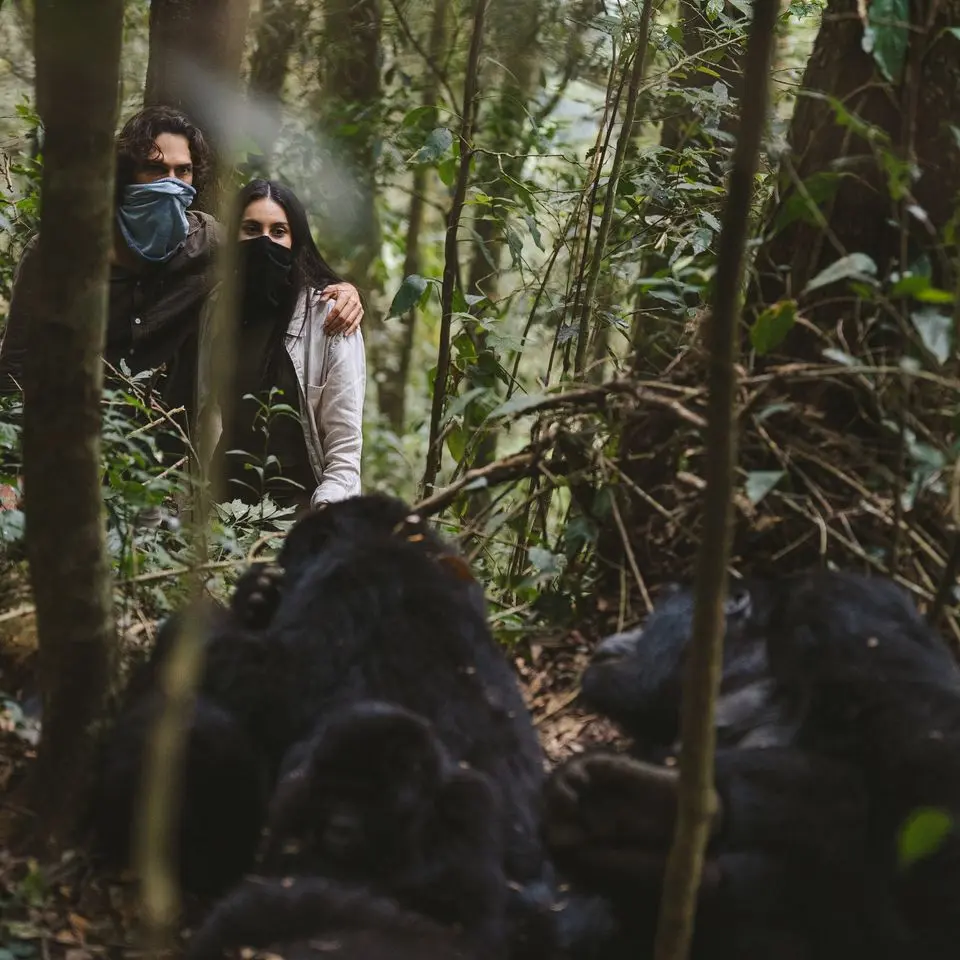
Gorillas in Bwindi Impenetrable National Park

Quick Facts: Gorilla Trekking at a Glance

Wild Gorilla Population ~1,063 individuals (IUCN 2018 census) Critically Endangered
Trek Group Size Maximum 8 visitors per gorilla family per day
Time with Gorillas Exactly 1 hour, strictly enforced by park rangers
Permit Cost (Rwanda) USD 1,500 per person (Volcanoes National Park)
Permit Cost (Uganda) USD 800 per person (Bwindi Impenetrable Forest & Mgahinga Gorilla National Park)
Trek Duration 2–8 hours depending on gorilla family location
Altitude 2,400–4,000m above sea level in the Virunga Mountains
Best Months June–September and December–February (dry seasons)
Minimum Age 15 years (both Rwanda and Uganda)
Habituated Families ~23 in Rwanda, ~26 in Bwindi; additional research: families not open to tourists
Contact +255 683 311 134  |  info@luxurysafaristanzania.com

Why Gorilla Trekking Is the Most Transformative Wildlife Experience on Earth

There is a specific moment, and every one of our guides who has led a gorilla trek describes it identically: when the forest goes quiet, the trackers stop and crouch, and through a tangle of giant hagenia trees and wild celery, you make eye contact with a silverback mountain gorilla. He is maybe three metres away. He is enormous, 180 kilograms of pure muscle, the dominant male of a family that may include 20 individuals, and he is watching you with an expression of such unmistakable intelligence and calm authority that you instinctively lower your gaze. That single second of eye contact with a creature who shares 98.3% of your DNA, in his forest, on his own terms, is something that restructures how you understand life on this planet.

Gorilla trekking in Rwanda’s Volcanoes National Park and Uganda’s Bwindi Impenetrable Forest is the centerpiece of our luxury Rwanda safari programs and one of the experiences we are most proud to deliver. We have been arranging gorilla treks for over 12 years, working with the finest lodges in both countries, and the response from our clients, some of the world’s most well-traveled individuals, is consistent: gorilla trekking is unlike anything else they have ever done.

This guide covers everything you need to know to plan a luxury gorilla trek: where to go, when to go, what to expect on the day, how permits work, which lodges to stay in, and how to combine your gorilla experience with other extraordinary East Africa adventures, including the Great Wildebeest Migration and Kilimanjaro trekking.

Where to Go Gorilla Trekking: Rwanda vs Uganda vs DRC

The three countries where you can trek mountain gorillas are Rwanda, Uganda, and the Democratic Republic of Congo. For luxury travelers, we almost exclusively recommend Rwanda and Uganda; the DRC, while extraordinary, carries security risks that make it unsuitable for our travelers. Here is our honest comparison of the two main destinations:

Factor Rwanda — Volcanoes NP Uganda — Bwindi Impenetrable Forest
Permit Cost USD 1,500 per person USD 700 per person
Habituated Families ~23 families open for trekking ~26 gorilla groups across 4 sectors
Trek Difficulty Generally shorter (2–4 hours). Well-organised trails More variable. Some treks 6–8 hours in dense jungle
Luxury Lodge Quality Exceptional: One&Only, Singita Kwitonda Good: Buhoma Lodge, Sanctuary Gorilla Forest Camp
Atmosphere Organised, premium, accessible Wild, remote, more adventurous
Golden Monkeys Yes, same park, same day possible No golden monkeys
Dian Fossey Legacy Karisoke Research Centre, Fossey tomb hike available N/A
Best Season Jun–Sep & Dec–Feb Jun–Sep & Dec–Feb
Flight Access Kigali International Airport (1–3 hrs to park) Entebbe (Kampala) + 7–9 hr drive or 1 hr flight
Our Recommendation First-time gorilla trekkers and luxury travellers Repeat visitors, photographers, adventure seekers

Our recommendation for first-time gorilla trekkers is Rwanda’s Volcanoes National Park. The infrastructure is exceptional, the lodges rank among the finest in Africa, and the overall experience is superbly managed. For experienced Africa travelers who want something rawer and more remote, Bwindi Impenetrable Forest in Uganda delivers a wilderness experience that is genuinely without parallel.

Gorilla Trekking in Rwanda: Volcanoes National Park
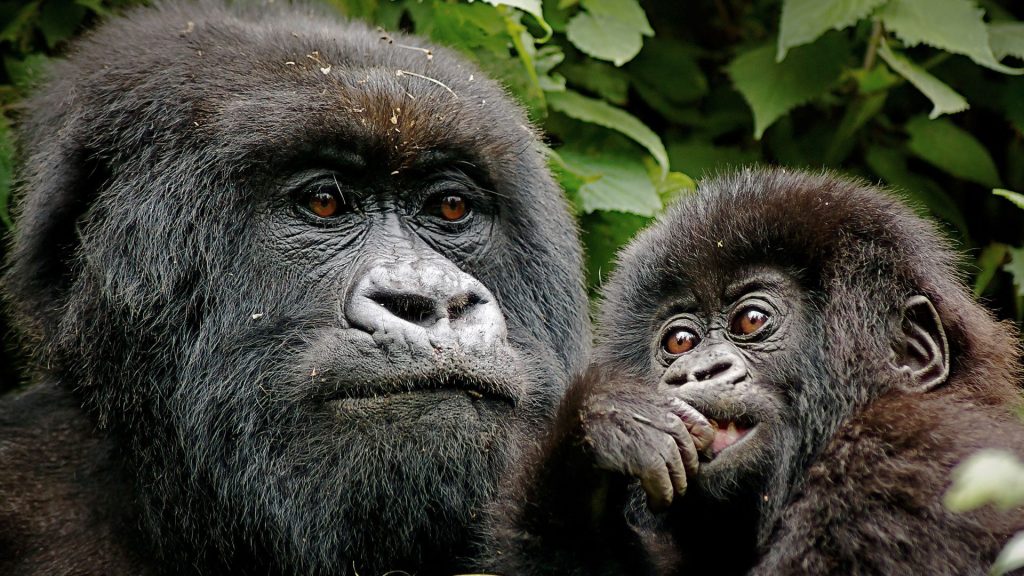
 

Gorillas in Volcanoes National Park Rwanda

Gorillas in Volcanoes National Park, Rwanda

Volcanoes National Park, covering 160 square kilometers of dense Afro-montane rainforest in northwest Rwanda, sits within the Virunga Mountains, a chain of eight volcanoes straddling Rwanda, Uganda, and the Democratic Republic of Congo. The park is home to approximately 18 habituated gorilla families available for tourist trekking, out of a total of around 26 gorilla groups within its boundaries. The Dian Fossey Gorilla Fund and the Karisoke Research Centre reserve the remaining families for research.

What makes Rwanda the gold standard for luxury gorilla trekking is the combination of accessibility, conservation leadership, and accommodation quality that no other gorilla destination currently matches. Kigali is a surprisingly sophisticated, immaculately clean city consistently rated one of the safest in Africa, and the drive from Kigali to the park’s base camp in Kinigi takes only 2.5 to 3 hours on an excellent road. You can fly in from Nairobi, Addis Ababa, or Dar es Salaam, clear customs in under an hour, and be in the forest the following morning.

The 23 Habituated Gorilla Families

Rwanda currently has approximately 23 gorilla families open for trekking. Some of the best-known families include the Susa group, the largest, with up to 21 individuals and multiple silverbacks, and the Amahoro family, one of the most peaceful and photographically rewarding groups. Our guides often cite the Sabyinyo family, led by the dominant silverback Guhonda, as the most impressive single animal encounter in the park. Family group assignments are made at the briefing on the morning of your trek and take into account your fitness level, group preference, and available permits. We always communicate client preferences to park authorities when arranging permits.

The Dian Fossey Legacy: Karisoke Research Centre
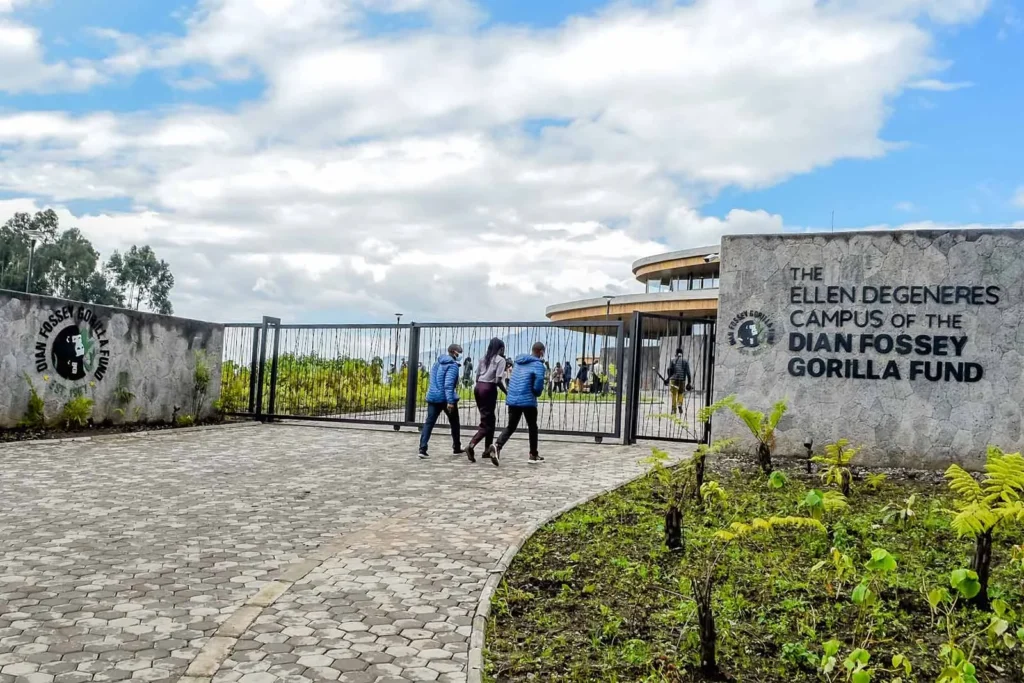
The Dian Fossey Legacy: Karisoke Research Centre

No gorilla trek to Rwanda is complete without understanding the woman who made it possible. Dian Fossey arrived in Rwanda in 1967 and established the Karisoke Research Centre between Mount Karisimbi and Mount Bisoke. Her 18 years of research, documented in ‘Gorillas in the Mist,’ were directly responsible for the gorilla population’s recovery from approximately 240 individuals in the 1980s to over 1,063 today. The Dian Fossey Gorilla Fund continues her work at Karisoke; some of our itineraries include a Dian Fossey Tomb Hike as an add-on to the main gorilla trek, taking you to the research center and Fossey’s grave on the forested slopes of Mount Bisoke.

Gorilla Trekking in Uganda: Bwindi Impenetrable Forest

Uganda’s Bwindi Impenetrable Forest National Park is, for many of the world’s most experienced wildlife travelers, the ultimate gorilla trekking destination. Covering 331 square kilometers of ancient montane and lowland rainforest in southwestern Uganda, it is a UNESCO World Heritage Site and harbors approximately 459 mountain gorillas, roughly half of the entire world’s wild population. The forest is ancient: some of Bwindi’s trees are over 200 years old, and the park contains over 160 tree species, more than 100 fern species, and 350 bird species, 23 of which are Albertine Rift endemics.
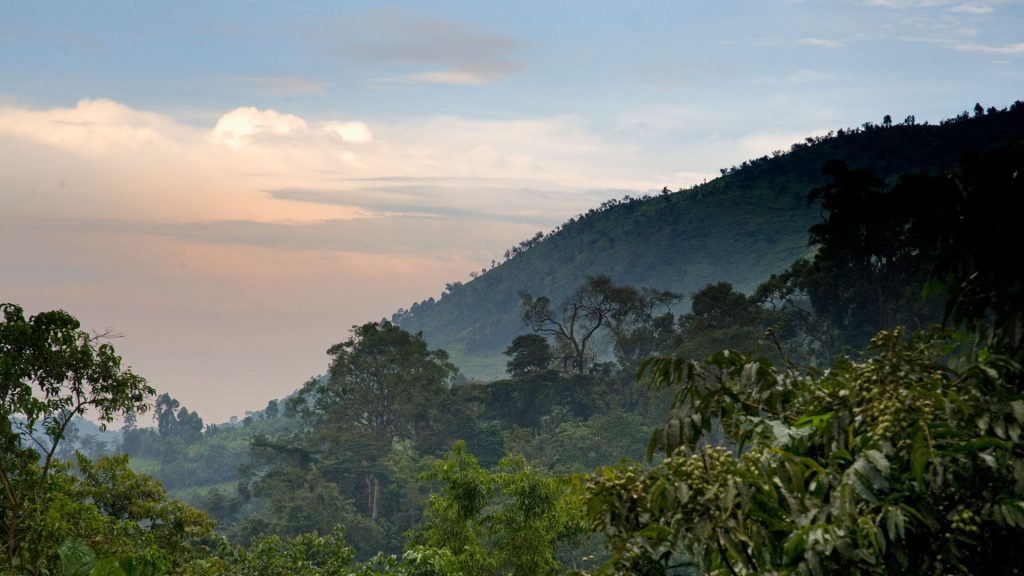
Bwindi Impenetrable Forest

Bwindi Impenetrable Forest

What Bwindi offers that Rwanda cannot is raw, unmediated wilderness. The jungle here is genuinely impenetrable in places; the name is not metaphorical, and a trek through it, even without the gorillas at the end, would be a memorable experience. Some Bwindi treks take 2 hours; others take 8 hours of steep, mud-slicked climbing through vegetation that requires machetes to clear. The uncertainty is part of the experience, and for photographers and veteran Africa travelers, that unpredictability produces the most extraordinary results.

The Four Sectors of Bwindi

Bwindi is divided into four trekking sectors, each with distinct character and lodge options. Buhoma in the north is the most established, with a wide selection of accommodations and reliable trekking infrastructure. Ruhija in the northeast is the most remote, at a higher altitude and with often-challenging trails. In the south, Rushaga boasts the highest concentration of gorilla families, with around 9 habituated groups. Nkuringo in the southwest is the most scenic, overlooking a valley of breathtaking beauty. We select the sector that best matches your fitness level, available permit dates, and preferred lodge.

🦍 Ready to Book Your Gorilla Trek? Let Our Experts Handle Every Detail.

📞 WhatsApp / Call: +255 683 311 134   |   ✉   info@luxurysafaristanzania.com

→ Plan My Gorilla Trekking Safari Now

What Actually Happens on a Gorilla Trek: A Step-by-Step Guide.

Many of our clients arrive at the pre-trek briefing with a mix of excitement and nerves, unsure of exactly what the day involves. Here is what to expect, step by step, based on a typical day of gorilla trekking in Rwanda’s Volcanoes National Park:

Stage Time What Happens
Pre-Trek Briefing 6:00–7:00am Meet at Kinigi Park Headquarters. Rangers brief all groups on gorilla behavior, rules, and emergency protocols. Porters are assigned.
Drive to Trailhead 7:00–7:30am Drive a 4WD vehicle to the relevant sector entry point. Altitude is around 2,400m. Bring warm layers; mornings are cold.
Forest Hike Begins 7:30am onward Your group of up to 8 visitors, 1 guide, and 2–3 armed rangers and trackers. Climb through farmland buffer zone, then enter the forest.
Trackers Radio Contact Variable Lead trackers, who entered the forest at dawn, radio the GPS coordinates of the gorilla family to your guide.
First Gorilla Contact Variable You approach to within 7 m. Cameras out. No flash photography. Stay together. Follow ranger instructions.
The One Hour 60 minutes exactly Observe, photograph, absorb. Rangers enforce the time limit and maintain safe distance. This is the defining hour.
Return Hike 1–4 hours Trek back to the trailhead. Your porter carries your pack. Champagne or juice awaits at the vehicle.
Certificate Ceremony On return Each participant receives an official certificate for gorilla trekking in the park, a permanent memento.

What Actually Happens on a Gorilla Trek: A Step-by-Step Guide.

The Seven Golden Rules of Gorilla Trekking

  • Keep a minimum distance of 7 metres from the gorillas at all times
  • Maximum group size is 8 visitors. This rule is absolute and non-negotiable
  • Maximum visit time is 1 hour. Rangers enforce this strictly
  • No flash photography. Sudden light can startle and distress the animals
  • If a gorilla approaches you, follow your ranger’s instruction typically to crouch, look down, and remain still
  • Anyone showing symptoms of illness (cold, flu, COVID, gastric issues) must not trek. Gorillas are highly susceptible to human respiratory disease
  • Do not eat or drink within 7 metres of the gorillas, and never leave any litter in the forest

Understanding Mountain Gorilla Behavior: What You Will Observe.

Our expert guides prepare every client with a gorilla behavior briefing on the eve of their trek, because understanding what you are watching transforms the experience from impressive to profound. Mountain gorillas live in family groups of 5 to 40 individuals, led by a dominant silverback, a mature male with the distinctive silver saddle of grey hair across his back that develops around age 12. The silverback is the group’s decision-maker, protector, and social center.

Common Behaviours to Expect

  • Knuckle-walking: The primary locomotion of mountain gorillas, using the knuckles of their hands as front supports. Adult males are extraordinary to watch in motion.
  • Chest beating: Usually a display of dominance or excitement, not aggression. If a silverback chest-beats near you, your ranger will instruct you to crouch and remain still.
  • Foraging: Mountain gorillas are herbivores spending 6–8 hours daily eating leaves, stems, bark, and wild celery. You will almost certainly observe these behaviors.
  • Play behavior: Young juveniles, aged 3–8 years, are intensely playful and will often approach closer than adults. Some of the most extraordinary photographs come from juvenile interactions.
  • Grooming: Social bonding through mutual grooming is constant within gorilla families. Observing a mother grooming her infant, or two adults exchanging the gesture, is one of the most emotionally affecting moments in wildlife watching.

Gorilla Trekking Permits: Everything You Need to Know

A gorilla trekking permit is a government-issued document that allows a single person to participate in a single gorilla trek on a specified date. It is the most valuable piece of paper in African wildlife tourism, and you must secure it 6–12 months in advance for peak dates. Here is what you need to know:

Rwanda Gorilla Permits

The Rwanda Development Board (RDB) issues all gorilla permits for Volcanoes National Park at USD 1,500 per person per trek. This fee directly funds mountain gorilla conservation; a significant portion goes to local community projects, which have been central to reducing poaching pressure on the gorillas. Permits can be purchased through the RDB website or, more practically for international travelers, through an authorized tour operator like Active African Vacations. We handle all permit procurement as part of our itinerary planning service, including securing preferred gorilla family assignments where possible.

Uganda Gorilla Permits

The Uganda Wildlife Authority (UWA) issues permits for Bwindi Impenetrable Forest at USD 700 per person. Uganda also offers the unique ‘Gorilla Habituation Experience,’ a 4-hour encounter (rather than 1 hour) with a gorilla family still undergoing the habituation process, available in the Rushaga sector for USD 1,500 per person. This extended encounter ranks among the most remarkable wildlife experiences available anywhere and caters to travelers who want maximum time with the gorillas.

When to Book Your Permit

For July–September (peak dry season), permits, especially in Rwanda, should be booked 6–12 months in advance. For the quieter green season (October–November and March–May), 3–6 months is generally sufficient. We strongly recommend contacting us as early as possible to check permit availability for your preferred dates. We coordinate permit booking for both Rwanda and Uganda as part of our complete safari planning service.

Where to Stay: Luxury Lodges for Your Gorilla Trek.

The accommodation choices near Rwanda’s Volcanoes National Park are extraordinary and among the finest lodge experiences in all of Africa. The combination of dramatic volcanic scenery, cool mountain air, and the anticipation of the following day’s trek creates an atmosphere in these properties that is difficult to describe and impossible to forget.

Rwanda: Volcanoes National Park

  • One&Only Gorilla’s Nest: The flagship luxury experience near the park. Private suites in a highland meadow setting, each with fireplaces and plunge pools. Butler service, gourmet cuisine, and an exceptional spa.
  • Singita Kwitonda Lodge: Newly opened and already considered one of the best lodges in Africa. Extraordinary design, conservation focus, and access to exclusive gorilla treks.
  • Virunga Lodge: Long-established and beloved by returning clients. Views across the chain of volcanoes from every cottage. Warm, intimate atmosphere with genuine conservation commitment.
  • Bisate Lodge: Andrian Tebbutt’s extraordinary design creation on the hillside of an ancient volcanic crater. Six private forest villas with sweeping Virunga panoramas.

Uganda: Bwindi Impenetrable Forest Area

  • Sanctuary Gorilla Forest Camp: The classic, intimate Bwindi luxury camp. Eight tents in the forest, with gorillas regularly passing through the camp boundary. Nothing else like it.
  • Clouds Mountain Gorilla Lodge: Located in the Nkuringo sector with extraordinary valley views. Arguably the most dramatic setting of any gorilla lodge.
  • Buhoma Lodge: A well-run, comfortable lodge at the north of the park with a warm, community-integrated atmosphere and reliable trekking logistics.

Our Luxury Gorilla Trekking Itineraries

Every gorilla trekking safari we arrange is private, tailor-made, and comes with our full permit and logistics management service. Here are our most popular structured Itineraries:
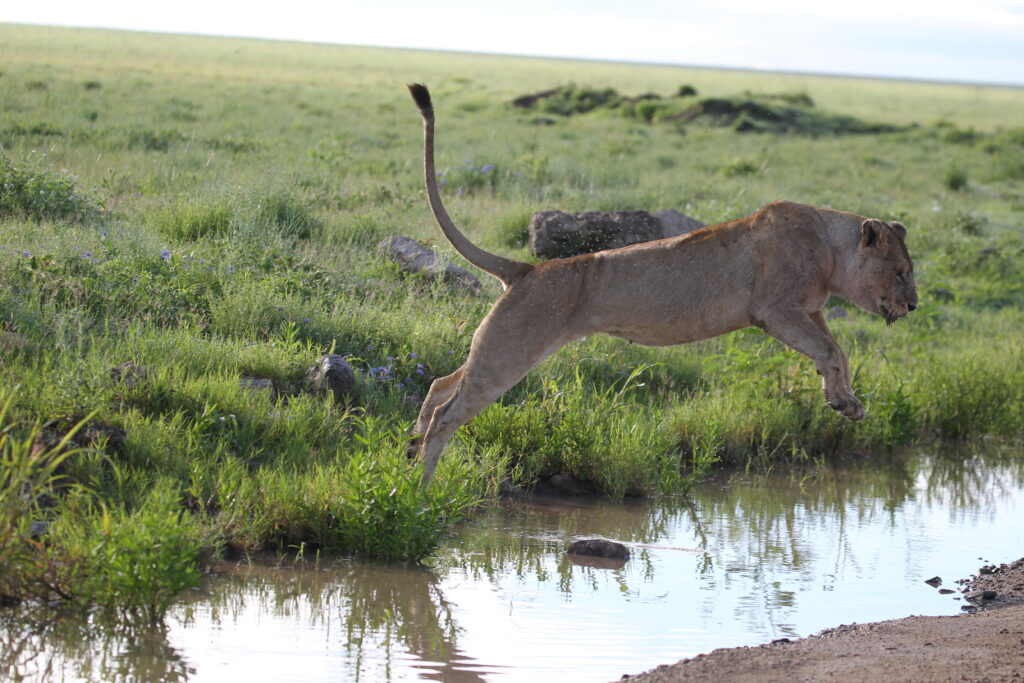
Gorilla Trekking & Golden Monkey Trekking in Rwanda 3 Days

Our 3-day Gorilla Trekking & Golden Monkey Trekking in Rwanda is the ideal short itinerary for travelers who want to combine Rwanda with a safari in Tanzania or Kenya. Day 1 arrives in Kigali and transfers to the Volcanoes area. Day 2 is the gorilla trek. Day 3 is the golden monkey trek, an often-underestimated experience that gives you a genuinely different primate encounter in the park’s bamboo zones.

Gorilla Trekking & Golden Monkey Trekking in Rwanda 3 Days

Exclusive Behind-the-Scenes Gorilla Experience 4 Days

Our 4-day Exclusive Behind-the-Scenes Gorilla Experience goes beyond the standard trek to include access to the Dian Fossey Gorilla Fund research operations, a private briefing from a gorilla researcher, and participation in forest monitoring activities. This itinerary is designed for travelers who want genuine depth, not just the wildlife encounter, but the science behind it.

Exclusive Behind-the-Scenes Gorilla Experience 4 Days

Rwanda Gorilla Trekking & Dian Fossey Tomb Hike 3 Days

The Rwanda Gorilla Trekking & Dian Fossey Tomb Hike combines the gorilla trek with a separate hike to Karisoke Research Centre and Fossey’s resting place on the slopes of Mount Visoke. For anyone who has read ‘Gorillas in the Mist’ or watched the film, the experience is profoundly moving.

Rwanda Gorilla Trekking & Dian Fossey Tomb Hike 3 Days

Rwanda Gorilla Trek & Kigali Genocide Memorial 2 Days

For travelers with limited time, our 2-day Rwanda Gorilla Trek & Kigali Genocide Memorial combines the gorilla trek with a morning at the Kigali Genocide Memorial, a visit that provides essential context for Rwanda’s extraordinary national renewal. Kigali itself is remarkable: clean, safe, progressive, and genuinely worth a half-day of exploration.

Rwanda Gorilla Trek & Kigali Genocide Memorial 2 Days

Gorilla & Golden Monkey Safari 5 Days

The 5-day Gorilla and Golden Monkey Safari allows for a more leisurely exploration of Volcanoes National Park, including volcano hiking, community visits to the Iby’iwacu Cultural Village, and Lake Kivu lakeside for sundowners after your gorilla experience.

Gorilla & Golden Monkey Safari 5 Days

Best of Rwanda’s National Parks 10 Days

Our comprehensive Best of Rwanda’s National Parks itinerary combines gorilla trekking in Volcanoes with chimpanzee tracking in Nyungwe Forest National Park, Big 5 game drives in Akagera National Park, and a peaceful finale on the shores of Lake Kivu. This is the definitive Rwanda experience.

Best of Rwanda's National Parks 10 Days

🌿 Combining Gorilla Trekking with East African Safaris? We Design It All.

📞 WhatsApp / Call: +255 683 311 134   |   ✉   info@luxurysafaristanzania.com

→ Plan My Gorilla Trekking Safari Now

Combining Gorilla Trekking with East Africa’s Other Great Experiences.

The best gorilla trekking holidays combine Rwanda with other extraordinary East Africa experiences. The logistics of combining countries are more straightforward than many travelers expect, and we manage every transfer, permit, and camp booking as part of our full-service offering.

Here are the most popular combinations:

Gorilla Trekking + Tanzania Wildlife Safari

Tanzania Photography Safari: Serengeti Migration, River Crossings & Expert Guiding

The classic East Africa combination pairs 2–3 nights of gorilla trekking in Rwanda with a full luxury Tanzania safari covering the Serengeti National Park and Ngorongoro Conservation Area. Kigali to Kilimanjaro or Arusha is a short direct flight, making the transition seamless.

Gorilla Trekking + Great Wildebeest Migration

Our Luxury Rwanda Primate Adventure combines gorilla trekking in Volcanoes National Park with the opportunity to witness the Great Wildebeest Migration in the Serengeti or Maasai Mara, the natural world’s two most iconic wildlife spectacles, on a single itinerary. This combination is available year-round and represents, in our opinion, the finest African holiday it is possible to take.

Gorilla Trekking + Kilimanjaro + Tanzania + Zanzibar

For the true East Africa Grand Tour, our Gorilla Trekking, Wildlife & Beach Safari covers 16 days across Rwanda, Tanzania, and Zanzibar, including gorillas, migration wildlife, the continent’s highest peak via Kilimanjaro trekking routes, and beach relaxation on the shores of Zanzibar. This is the itinerary we recommend to clients who say ‘I want to do Africa properly, once, and never feel like I missed something.’

Gorilla Trekking + Maasai Mara + Victoria Falls

Our Maasai Mara, Rwanda Gorillas, and Victoria Falls safari is a 15-day journey across three countries, Rwanda, Kenya, and Zimbabwe, that combines gorilla trekking with the Maasai Mara’s big-cat spectacle and one of the world’s most spectacular natural wonders. A bold, memorable multi-country adventure for the traveler who wants no compromises.

Chimpanzee Trekking Alongside Gorillas

Luxury Rwanda Primate Adventure

Rwanda’s Nyungwe Forest National Park offers chimpanzee trekking in one of Africa’s oldest rainforests, a perfect complement to the gorilla experience and easily combined on the same Rwanda itinerary. For Tanzania-based primate encounters, our Tanzania Wildlife and Chimp Trekking Safari visits Gombe National Park and Mahale Mountains National Park, Jane Goodall’s original chimpanzee research sites on the shores of Lake Tanganyika.

Gorilla Trekking for Wildlife Photographers: Expert Guidance

Photographing mountain gorillas is, technically, one of the most challenging and rewarding wildlife photography subjects in the world. The combination of low forest light, fast-moving subjects, emotional proximity, and the strict one-hour time limit creates pressure that rewards preparation. Here is what our photography specialists recommend:

Camera Settings for the Forest

  • Use a fast prime lens or zoom with image stabilization: 70–200mm f/2.8 is optimal. The 100–400mm range is useful for tighter portraits of silverbacks
  • Set your camera to aperture priority mode, f/2.8–f/4, with auto-ISO capped at 12800. Forest light is extremely variable
  • Use continuous autofocus with subject tracking gorillas move without warning and you have no time to refocus
  • Shoot in RAW format; post-processing latitude is essential in mixed forest light
  • Absolutely no flash. This is both a park rule and a practical irrelevance given modern high-ISO camera performance

What to Photograph

Resist the instinct to spend the full hour photographing the silverback. Some of the most powerful gorilla images are juvenile faces in extreme close-up, a mother cradling a newborn infant, the interaction between two adolescent males, or a single large hand resting on a moss-covered log. Environmental portraits of gorillas in the forest context are also underused and often more striking than tight animal portraits.

Practical Planning: Your Complete Gorilla Trekking Preparation Guide

Fitness Level Required

Gorilla trekking requires a reasonable level of fitness; you should be able to walk uphill for 2–6 hours carrying a daypack in warm, humid conditions at altitude. The trek is not technical, but it is physically demanding. Rwanda’s Volcanoes Park treks tend to be shorter and better-maintained than Uganda’s Bwindi; we always assess client fitness levels and match gorilla family assignments accordingly. Porter services are included in most itineraries and are highly recommended; your porter carries your pack and provides physical support on steep sections.

What to Wear

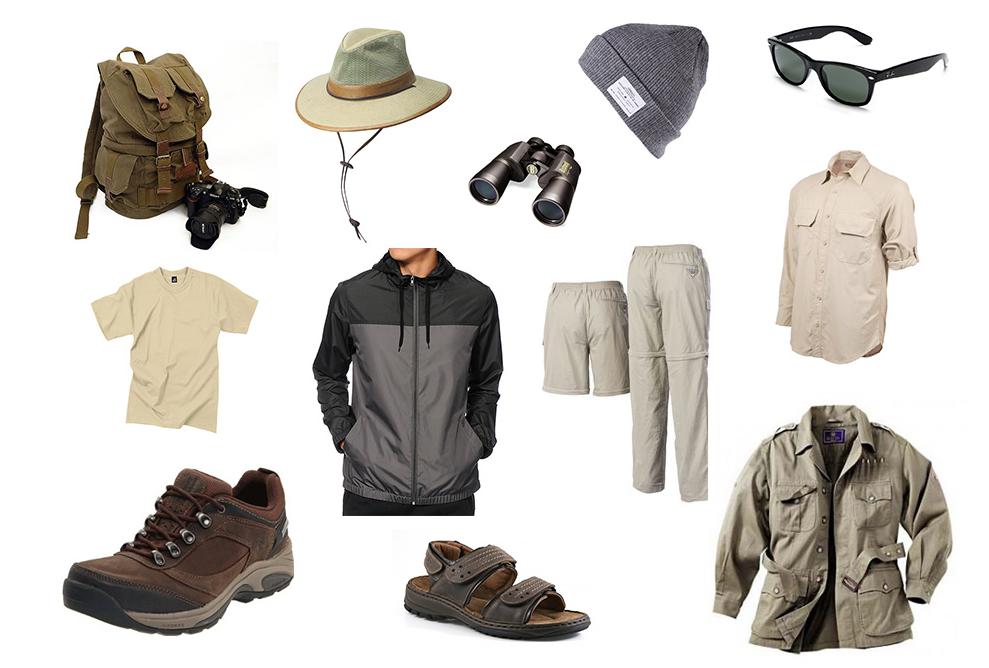
Packing list for an African Safari

  • Long-sleeved shirt and long trousers are both for vegetation and insect protection. Light, breathable synthetic fabrics
  • Waterproof jacket the forest can rain at any time regardless of season
  • Sturdy waterproof hiking boots with ankle support: this is the most important item of clothing
  • Gaiters highly recommended to keep mud, insects, and vegetation out of your boots
  • Gardening-style gloves useful for gripping branches when hauling yourself up steep sections
  • Hat and sunscreen for the non-forested approach sections

Health and Vaccinations

Standard East Africa travel vaccinations apply: hepatitis A, typhoid, and yellow fever (required for entry to Rwanda if arriving from a yellow fever-endemic country). Anti-malarial medication is recommended, though malaria risk in the high-altitude gorilla trekking zones is low. If you have any cold or flu symptoms on the morning of your trek, you must not participate. Mountain gorillas are highly susceptible to human respiratory infections, and park authorities may deny access to visibly ill trekkers. We always build one buffer day into our gorilla itineraries for this reason.

Best Time for Gorilla Trekking

When is the Best Time to go on a Luxury Safari in Tanzania

Gorilla trekking is possible year-round, but the two dry seasons, June to September and December to early February, are the most comfortable. Trails are firmer and less muddy, and the experience is physically more manageable. The wet seasons (March–May and October–November) bring fewer visitors, which can produce more intimate encounters, and the green season scenery is extraordinary. Permit availability is also easier in the wet season. We honestly recommend the rainy season to any client who asks, provided they are comfortable with the idea of muddy paths and possible rain.

Mountain Gorilla Conservation: Why Your Trek Makes a Difference

The mountain gorilla population has grown from approximately 240 individuals in the 1980s to over 1,063 today, one of conservation’s most remarkable success stories. Tourism is central to that success. A significant portion of every USD 1,500 Rwanda permit fee is directed to community conservation projects: building schools, funding healthcare, employing local guides and rangers, and compensating farmers whose crops are damaged by gorillas venturing from the park. Communities that once poached gorillas are now protecting them, because gorilla tourism funds their prosperity.

By choosing a responsible operator like Luxury Safaris Tanzania and by following the strict 7-meter rule, the no-illness policy, and the one-hour limit, you are not just witnessing conservation. You are funding it. Every gorilla trek we arrange includes a contribution to the gorilla-sector community funds operated by the Rwanda Development Board and Uganda Wildlife Authority. We are proud that gorilla tourism is one of the few forms of wildlife encounter that demonstrably increases animal populations rather than threatening them.

Who Is Gorilla Trekking Right For?

Couples and Honeymooners

Gorilla Trekking for honeymooners

Gorilla trekking is one of the most romantic shared experiences on Earth. There is something profoundly intimate about spending one hour in silence with a gorilla family: no phones, no distraction, just two people and the most extraordinary primates alive. Rwanda’s luxury lodges with their fireside dinners, misty mountain views, and complete seclusion make Volcanoes National Park one of our most recommended honeymoon destinations. See also our Serengeti Honeymoon Safari for the perfect complement.

Families with Teenagers

The minimum age for gorilla trekking is 15 years in both Rwanda and Uganda. For families with teenagers who are reasonably fit, gorilla trekking produces some of the most life-defining experiences we have ever witnessed. The combination of physical challenge, extraordinary wildlife, and conservation context creates an educational dimension that no classroom can replicate. We recommend Rwanda for families given its shorter, more accessible treks.

First-Time Africa Travellers

Gorilla trekking often surprises first-time Africa visitors with its accessibility and emotional power. Many clients arrive expecting something like a difficult jungle expedition and discover instead a highly organized, professionally managed experience that delivers one of the most moving wildlife encounters in the world within a morning’s activity. Combine gorilla trekking with a multi-country African safari for a truly complete first experience in Africa.

Repeat Africa Travellers

Gorilla trekking is the experience that resets the entire scale for seasoned Africa travellers who have already visited the Serengeti, Ngorongoro, Zanzibar, and Maasai Mara. Nothing that happens in the open savannah quite prepares you for the intimacy of standing just 7 metres from a silverback in the dense jungle. Many of our most well-traveled clients rank it as the finest single hour of their entire Africa experience. Explore our Luxury Safari in Tanzania for Repeat Travelers for ideas on extending a gorilla trip.

Wildlife Photographers

For wildlife photographers, gorilla trekking represents a category of subject matter that exists nowhere else. The combination of human-like behavior, extraordinary physical scale, proximity, and emotional expressiveness makes mountain gorillas the most powerful photographic subjects in the natural world. Our Luxury Safari in Tanzania with a Personal Photographer service extends to gorilla Itineraries; a dedicated professional photographer accompanies you throughout the trek and provides expert technical guidance.

How much does a gorilla trekking permit cost?

Rwanda’s Volcanoes National Park charges USD 1,500 per person per trek, issued by the Rwanda Development Board. Uganda’s Bwindi Impenetrable Forest charges USD 800 per person per trek, issued by the Uganda Wildlife Authority. Uganda also offers the extended Gorilla Habituation Experience at USD 1,500 per person, which is a 4-hour encounter with a semi-habituated gorilla family available in the Rushaga sector. All permit fees are included within our quoted safari itineraries, which we handle as part of our full-service planning.

How physically fit do I need to be for gorilla trekking?

You need a moderate level of fitness able to hike uphill for 2–6 hours in warm, humid conditions carrying a light day pack at altitudes between 2,400 and 4,000 metres. The trek is not technical mountaineering, but the terrain is steep and sometimes muddy, and the altitude can affect stamina. Rwanda’s Volcanoes Park tends to offer shorter, more accessible treks than Uganda’s Bwindi. Porter services are available and recommended; your porter carries your pack and provides physical support. We always match gorilla family assignments to client fitness levels when arranging permits.

Is gorilla trekking safe?

Yes. Mountain gorillas are habituated to human presence, and gorilla trekking operates under strict protocols that ensure safety for both visitors and animals. Armed rangers accompany all groups to handle any unlikely wildlife incidents. The 7-meter minimum distance rule, enforced throughout the trek, ensures no direct physical contact with the animals. Thousands of visitors trek safely each year in both Rwanda and Uganda. The primary risk on a gorilla trek is physical slipping on a muddy trail or becoming fatigued at altitude, not animal behavior.

What is the difference between gorilla trekking in Rwanda and Uganda?

Rwanda’s Volcanoes National Park offers shorter, better-organized treks (typically 2–4 hours) in a more accessible setting with exceptional luxury lodge options; permits cost USD 1,500. Uganda’s Bwindi Impenetrable Forest offers a rawer, wilder experience with longer and more demanding treks (sometimes 6–8 hours); permits cost USD 800. Rwanda is generally recommended for first-time gorilla trekkers and luxury travelers. Uganda appeals to repeat visitors, experienced trekkers, and photographers who value the deeper wilderness character of Bwindi. Both offer encounters of equal emotional power.

How long do you actually spend with the gorillas?

Exactly one hour. This time limit is strictly enforced by the park rangers and is a conservation measure designed to minimize stress on the gorilla families. The one-hour limit applies from the moment you first come within proximity of the group. Your ranger will count down the final minutes and move the group away when time is up. The trek to reach the gorillas can take between 30 minutes and 6 hours depending on the family’s location that day; the one hour refers only to the gorilla encounter itself.

Can I go gorilla trekking if I have a cold?

No. This is one of the most important rules of gorilla trekking, and it is absolute. Mountain gorillas share approximately 98.3% of human DNA and are highly susceptible to human respiratory infections. A common cold could devastate a gorilla family. Park rangers conduct health checks at the pre-trek briefing and may deny access to anyone showing symptoms of respiratory illness, fever, or gastric issues. If you are refused access due to illness, your permit is typically non-refundable, though in some circumstances the Rwanda Development Board will offer a date transfer. We always build a buffer day into our gorilla itineraries for this reason.

When is the best time to go gorilla trekking?

Gorilla trekking is available year-round, as mountain gorillas do not migrate. The two dry seasons, June to September and December to early February, are the most comfortable for trekking, with firmer trails and lower rainfall. These periods are also the most popular, and permits book out well in advance. The wet seasons (March–May and October–November) bring fewer visitors, easier permit availability, lush green forest scenery, and often very intimate gorilla encounters. We recommend the green season to clients who ask honestly; the experience is equally rewarding and significantly less crowded.

How far in advance must I book a gorilla trekking permit?

For July–September (peak dry season), we recommend booking 6–12 months in advance for Rwanda permits and 3–6 months for Uganda. For the green season, 3–4 months is generally adequate. Rwanda permits, in particular, are limited to only 8 visitors per family group per day, with approximately 23 habituated families, giving a maximum of 184 permits daily, and these fill quickly for popular dates. We handle all permit procurement on behalf of our clients as part of our full planning service.

Contact us at info@luxurysafaristanzania.com with your preferred dates to begin the process.

Is it possible to see gorillas more than once?

Yes. Many of our clients choose to book two gorilla treks on the same itinerary, ideally with different family groups on consecutive days. This is an excellent approach, as each family has a completely different character and dynamic, and tracking conditions vary day to day. The 4-day Exclusive Behind-the-Scenes Gorilla Experience we offer includes multiple gorilla encounters as well as research access. Some travelers also split their trekking between Rwanda and Uganda on the same trip, trekking with one family in Volcanoes and another in Bwindi for a genuine cross-border gorilla experience.

Are there age restrictions for gorilla trekking?

Yes. The minimum age for gorilla trekking is 15 years in both Rwanda and Uganda. This rule is strictly enforced. There is no upper age limit, though participants should be honest about their fitness levels given the physical demands of the trek. We have successfully facilitated gorilla treks for clients in their 80s (in Rwanda, on shorter family assignments) and equally for active teenagers. The key factor is honest fitness assessment, which we discuss with every client during the itinerary planning process.

What happens if the gorillas do not appear is my permit refunded?

In practice, trained trackers locate the gorilla families virtually every day the habituated families are monitored by park trackers from dawn, so your guide knows their approximate location before the trek begins. Rwanda has an excellent success rate of over 99% for gorilla sightings. On the extremely rare occasion where contact is not made (severe weather, unpredictable gorilla movement deep into the forest), the Rwanda Development Board policy allows for a complementary re-trek on the following day. Permits are not refunded in cash for unsuccessful treks.

What should I bring on a gorilla trek?

Essential items include waterproof hiking boots with ankle support (the single most important item), a waterproof jacket, a long-sleeved shirt and trousers, gardening gloves for gripping branches, a hat and sunscreen, at least 2 liters of water, energy snacks, insect repellent, and your camera (no flash). Binoculars are useful for spotting gorillas before you reach close proximity. Porter services are available; we strongly recommend hiring one, both for practical support and because it provides direct income to local communities.

Can I combine gorilla trekking with Tanzania safaris?

Absolutely, this is one of our most popular East Africa combinations. Kigali has direct flights to Kilimanjaro International Airport (JRO) in northern Tanzania, making the combination entirely practical. A typical itinerary might spend 3 nights in Rwanda for gorilla and golden monkey trekking, then fly directly to Serengeti National Park and the Ngorongoro Conservation Area, finishing on the beach in Zanzibar. We manage all logistics across both countries as a single seamless itinerary.

How many people are in a gorilla trekking group?

The maximum group size is 8 visitors per gorilla family per day. This limit is strictly enforced by park authorities in both Rwanda and Uganda and is a critical conservation measure; limiting human presence reduces stress on the gorilla families and minimizes disease transmission risk. For private gorilla treks (a group of 1–2 people assigned to a family on their own), we can sometimes arrange exclusive family group assignments for those willing to book early and pay the full per-person permit cost for the 8-person allotment. Contact us to discuss private trek options.

Where can I learn more about gorilla conservation?

The Dian Fossey Gorilla Fund at gorillafund.org is the primary gorilla research and conservation organization, operating from the Karisoke Research Centre in Rwanda’s Volcanoes National Park. The Rwanda Development Board’s Visit Rwanda portal (visitrwanda.com) provides current permit availability and official park information. For itinerary planning and permit booking, our team at Luxury Safaris Tanzania is available by WhatsApp, email, or video call and can answer any specific questions about planning your gorilla safari.

Related Experiences & Destinations

🦍 Begin Planning Your Gorilla Trekking Safari Today

📞 WhatsApp / Call: +255 683 311 134   |   ✉   info@luxurysafaristanzania.com

→ Plan My Gorilla Trekking Safari Now