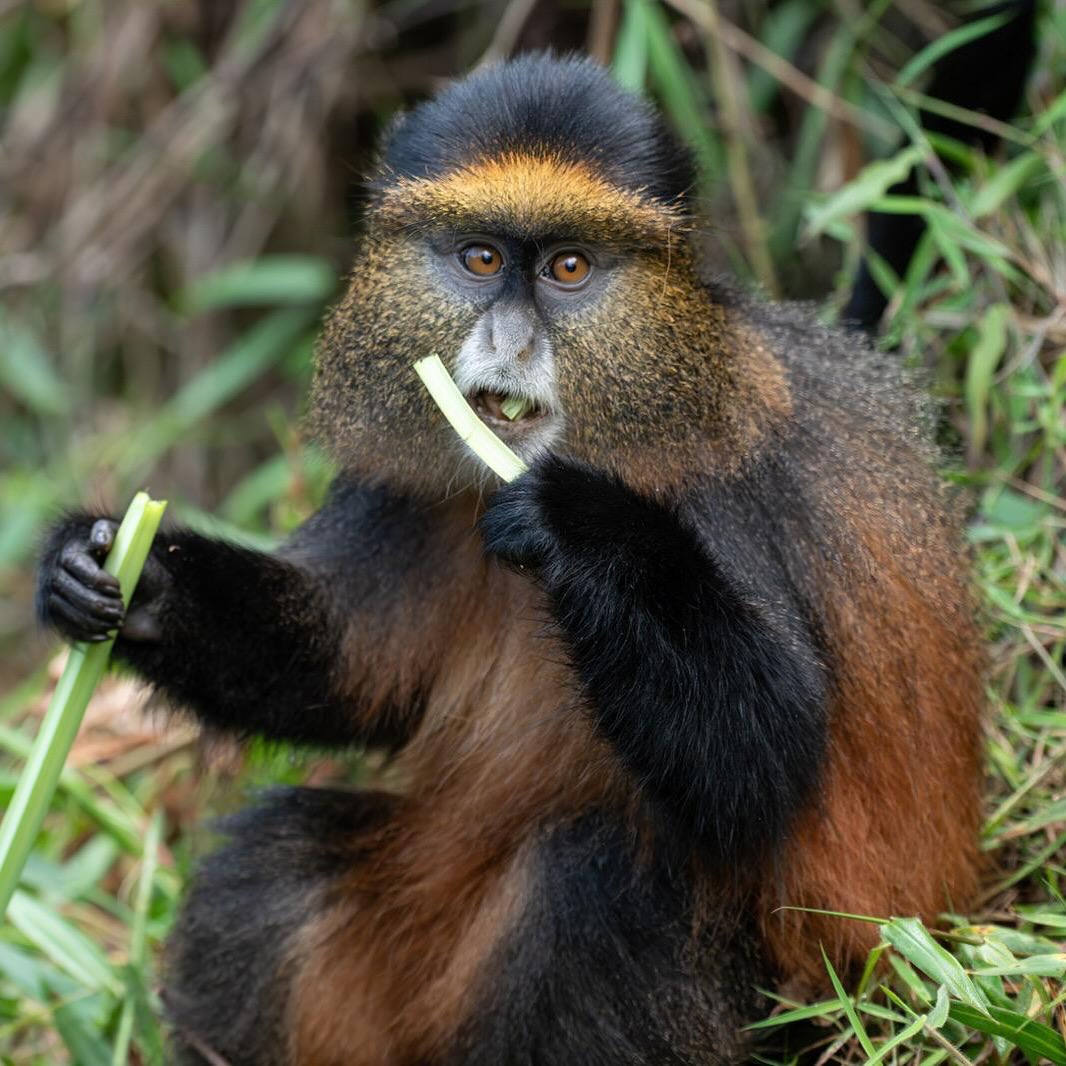
The dry months, June to September and December to February, are best for every activity on this safari. Trails are firmer, and views across the volcanoes are clearer. March to May brings heavy rain and slippery slopes, while October and November have shorter showers. Gorillas and golden monkeys live in the forest all year, so trekking is possible in every month.

| Activity |
Best months |
Notes |
| Gorilla trekking |
June to September; December to February |
Drier trails; book permits early for peak months. |
| Golden monkey trekking |
June to September; December to February |
Runs year-round; bamboo can be muddy after rain |
| Dian Fossey tomb hike |
June to September; December to February |
Steeper and slippery in the rains |
| Kigali and cultural village |
All year |
Weather matters little. |
Who Is This Safari For?
- Couples and honeymooners: private lodges, fires, and spa afternoons after a shared adventure.
- Families with teenagers: golden monkeys from age 12 give younger teens a primate encounter, while gorillas suit travelers aged 15 and over.
- First-time Africa visitors: short transfers and simple logistics make Rwanda an accessible introduction.
- Wildlife enthusiasts and photographers will enjoy two primate species, varied light, and plenty of time on the trail.
- Repeat Africa travelers: forest primates add a new texture beside the savannah wildlife you have already seen.
Frequently Asked Questions about the Gorilla and Golden Monkey Safari.
How much does a gorilla and golden monkey safari in Rwanda cost?
The two permits alone cost US$1,600 per person: US$1,500 for the gorilla permit and US$100 for the golden monkey permit. Lodges, transfers, guiding, and meals constitute the rest, and prices vary widely by lodge and season. Because every trip is tailor-made, we quote after you tell us your dates, party size, and preferred lodge level. Permit fees are set by the Rwanda Development Board, so we confirm current rates when we book.
How hard is gorilla trekking in Rwanda?
Gorilla trekking is moderate to strenuous. Treks last from one to eight hours at altitudes above 2,400 meters, often on steep, muddy ground. Rangers assign you to a gorilla family that matches your fitness, so ask for an easier group if you are less mobile. A porter, a walking stick, and waterproof boots help enormously. Golden monkey trekking is gentler, which is why we schedule it on a separate day.
What is the minimum age for gorilla and golden monkey trekking?
Gorilla trekking in Rwanda requires visitors to be at least 15 years old. Golden monkey trekking in Rwanda has a minimum age of 12. Families with younger teens can therefore share the golden monkey day together, while older teens and adults do both activities. Rangers may refuse anyone who is unwell because gorillas and monkeys catch human respiratory infections. Tell us ages in advance, and we will plan the days around everyone in your party.
Should I trek the gorillas or the golden monkeys first?
In this itinerary, the gorillas come first on day two, because the permit is the most valuable and flexible part of the trip. Golden monkeys follow on day three as a lighter, playful contrast. Some guests prefer the reverse, using the monkeys as a gentle warm-up to altitude and forest walking. Both orders work, and we can swap them if the permit calendar allows.
How far ahead should I book gorilla permits?
Book gorilla permits three to six months ahead for the dry season, and as soon as your dates are firm. There are a limited number of permits per day, and the busiest months, June to September, sell out first. Golden monkey permits are easier to secure at shorter notice, but we reserve both together so your dates and lodge line up. Permits are confirmed only on payment through a licensed operator.
What should I pack for a Rwanda gorilla and golden monkey safari?
Pack waterproof hiking boots, long trousers, long-sleeved tops, a rain jacket, lightweight gloves, and a warm layer for early mornings. Bring insect repellent, sunscreen, a hat, and a camera with spare batteries in a dry bag. Muted colors are best, and your lodge supplies a packed lunch and water. A small daypack is enough, and you can hire a porter at the park headquarters.
Is the Dian Fossey tomb hike difficult?
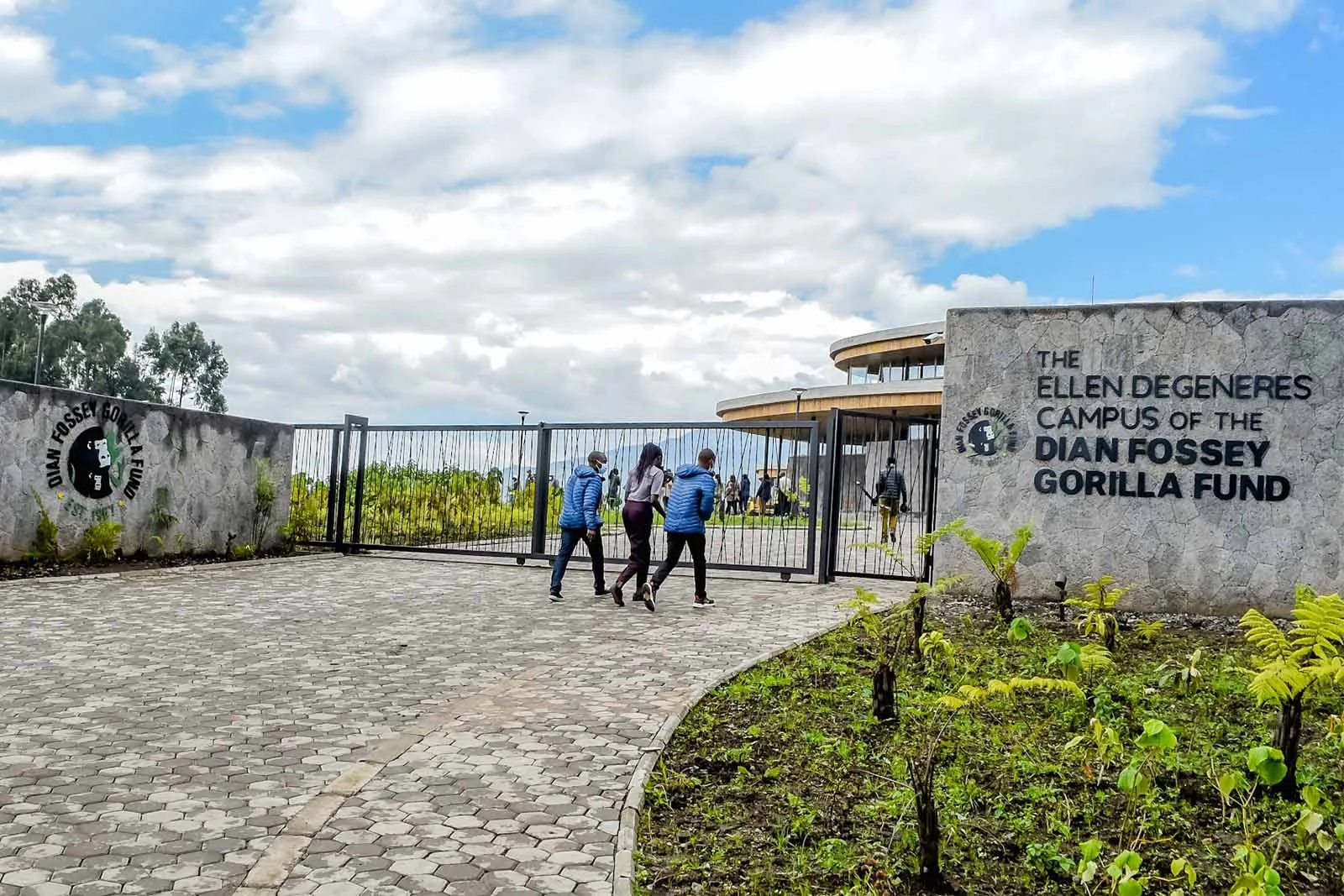
The Dian Fossey hike is moderate. It takes about half a day, climbing through farmland and forest to the Karisoke site between Mounts Karisimbi and Bisoke. Mud and altitude are the main challenges, and the trail is slippery after rain. Because it is a separate day from gorilla trekking, your legs have time to recover. Rangers explain her research and the history of the area at the grave site.
Can I extend the safari to Uganda or Tanzania?
Yes, extensions are among our most popular requests. You can add Akagera for Big Five game drives, cross to Uganda for Bwindi gorillas, or continue to the Serengeti and Zanzibar. Our 15-day Maasai Mara, Rwanda, gorillas, and Victoria Falls safari and 16-day Rwanda, Tanzania, and Zanzibar safari show how we link countries smoothly. Every route is private and tailor-made, so we adjust the number of days and lodges for you.