
Best Places to Stay Near Serengeti National Park
The question we get asked more than almost any other is deceptively simple: ‘where should we stay in the Serengeti? ‘ The honest answer is that Serengeti National Park is 14,763 km², roughly the size of Northern Ireland, and “near the Serengeti” can mean five genuinely different experiences depending on which corner of the park you choose. Stay in the wrong area during the wrong month and you’ll miss the migration entirely; stay in the right one and you could have wildebeest herds crossing past your tent at breakfast.
What Are the Best Places to Stay Near Serengeti National Park?
The best places to stay near Serengeti National Park are Central Serengeti (Seronera) for year-round wildlife density, Northern Serengeti (Kogatende/Mara River) for the July-October river crossings, the Western Corridor (Grumeti) for private-concession exclusivity, and Southern Serengeti (Ndutu/Moru Kopjes) for the December-March calving season. Within each region, accommodation spans ultra-luxury lodges with infinity pools and private plunge pools, boutique tented camps with a handful of suites, and larger full-service properties all set inside or directly bordering the park boundary.
We’ve spent 15+ years matching more than 10,000 travelers to the right Serengeti base for their specific trip, and the single biggest mistake we see independent planners make is booking a lodge because of its name recognition rather than its location relative to where the wildlife actually is that month. Below, we break the park into its five accommodation regions, name the specific lodges worth knowing in each, and tell you honestly which one suits which kind of traveller.
Serengeti Accommodation: Quick Facts
| Fact | Detail |
| Total Park Size | 14,763 km² – one of the largest national parks in Africa |
| Main Accommodation Regions | Central Serengeti (Seronera), Northern Serengeti (Kogatende/Mara River), Western Corridor (Grumeti), Southern Serengeti (Ndutu/Moru Kopjes), Eastern Serengeti (Namiri Plains) |
| Accommodation Style | Ranges from ultra-luxury lodges (Four Seasons-level) to boutique 8-14 tent camps to larger 60+ room lodges |
| Main Airstrips | Seronera, Kogatende, Grumeti/Sasakwa, Ndutu, Kirawira most reached via short scheduled or charter flights from Arusha or Kilimanjaro |
| Inside vs. Outside the Park | Most premium lodges sit inside the national park boundary or within private concessions bordering it; very few ‘near Serengeti’ hotels sit genuinely outside with easy access |
| Peak Season Rates | Roughly US $600-$2,000+ per person per night at ultra-luxury properties during July-October and calving season; lower in the April-May green season |
| Best Time by Region | Northern Serengeti: July-October (river crossings). Southern Serengeti/Ndutu: December-March (calving). Central Serengeti: year-round reliable game viewing |
| Booking Lead Time | 12-18 months in advance for peak migration and calving season dates at the most sought-after camps |
Should You Stay Inside or Outside Serengeti National Park?
Staying inside Serengeti National Park either within the park boundary itself or in a private concession bordering it is almost always the better choice, and it’s how the vast majority of genuinely luxury properties are positioned. Unlike parks such as Ngorongoro, where lodges cluster on the crater rim outside the conservation area, the Serengeti’s premium accommodation sits either directly inside the park (Seronera, Kogatende, Ndutu) or within adjoining private reserves like the Grumeti Reserves and Lamai Wedge, which function as extensions of the ecosystem with additional privileges like off-road driving and night game drives that the national park itself doesn’t permit.
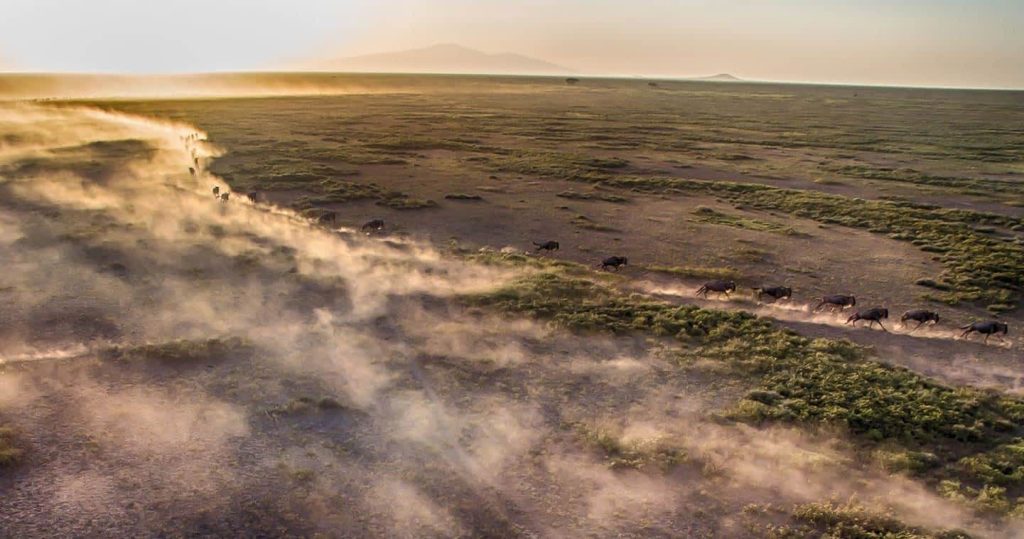
Northern Serengeti
The practical benefit of staying inside the park or a bordering concession is time: game drives start the moment you leave camp rather than after an hour or more of driving to reach a gate. For a first Serengeti stay, we almost always recommend a lodge inside the park or concession boundary over anything positioned purely as a gateway property outside it.
1. Central Serengeti (Seronera): Best for Year-Round Wildlife
Central Serengeti, anchored by the Seronera Valley, offers the most reliable year-round game viewing in the entire park and is the best base for first-time visitors or anyone traveling outside the migration months. Resident lion prides, leopards in the riverine forest, and cheetahs on the open plains are present here regardless of season, which is exactly why this area, covered in more depth on our dedicated Seronera safaris guide, carries the highest concentration of lodges of any part of the Serengeti.
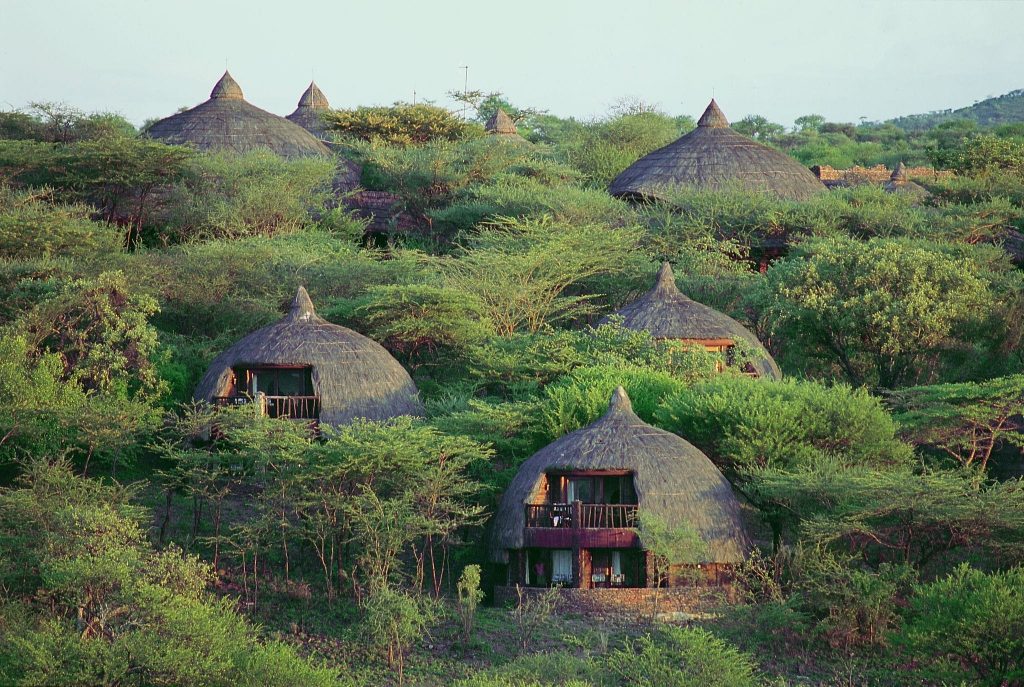
Serengeti Serena Safari Lodge
Serengeti Serena Safari Lodge is one of the longest-established properties here, built into a ridge with panoramic views across the plains and traditional African architectural styling. Lemala Nanyukie sits on the quieter eastern edge of the Central Serengeti, bordering open cheetah-favored plains, with contemporary glass-fronted suites and private plunge pools. Mbali Mbali Soroi Serengeti Lodge offers a further boutique option within the same wildlife-rich corridor. Internationally recognized five-star properties such as Four Seasons Safari Lodge Serengeti and the boutique One Nature Nyaruswiga also sit within this region, both overlooking permanent water sources that draw wildlife past the lodge itself. Our Central Serengeti Premium Lodge Comparison breaks these two down in detail alongside Lemala Nanyukie and Serena.
Central Serengeti works for essentially every type of traveler, which is why we default to it for most first-time itineraries, including our 3-Day Authentic Tanzania Safari and 10-Day Northern Tanzania Exclusive Safari.
2. Northern Serengeti (Kogatende & the Mara River) : Best for River Crossings
Northern Serengeti, centered on the Kogatende area and the Mara River, is the only place to be for witnessing the Great Wildebeest Migration’s dramatic river crossings, which typically occur between July and October as herds push north toward Kenya’s Maasai Mara before returning south. Crocodile-infested waters, panicked herds, and genuine chaos at the crossing points make this one of the most sought-after and most heavily booked regions in the entire safari calendar.
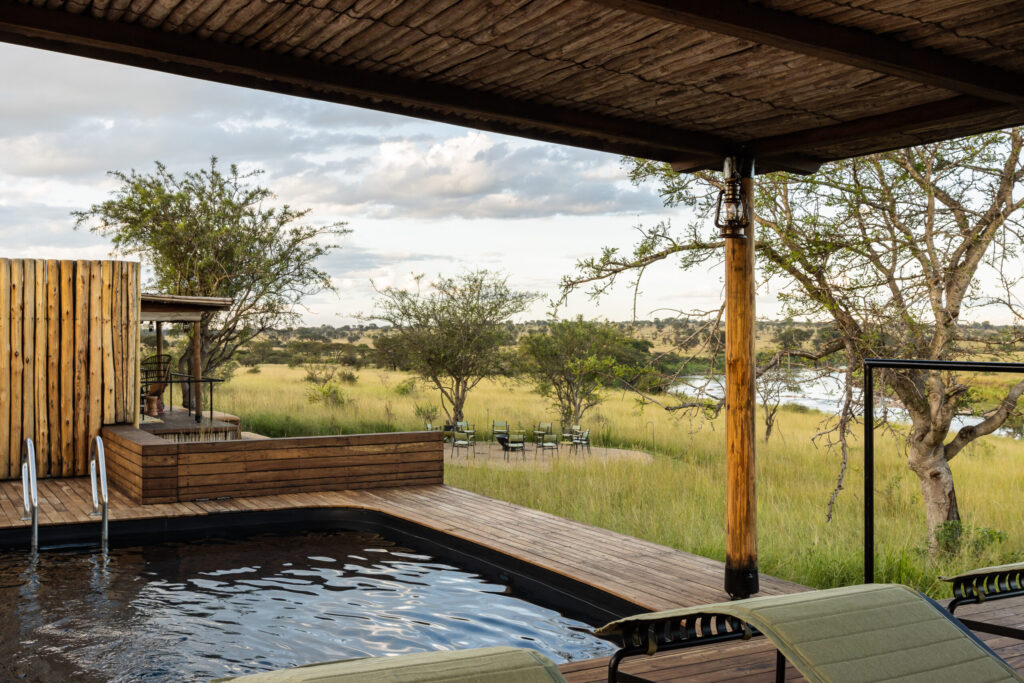
Singita Mara River Tented Camp
Camps here tend to be smaller, more remote tented properties positioned specifically for crossing access, and many operate on a semi-mobile or seasonal basis, following the herds as they move. Because demand for July-October dates at Kogatende camps is exceptionally high, we recommend booking 12 to 18 months ahead if a river crossing is the centerpiece of your trip. Our Great Wildebeest Migration guide and Luxury Serengeti Migration Guide cover exact crossing timing and how to plan a stay around it.
If a Kenya extension appeals, the northern Serengeti also connects naturally to the Maasai Mara side of the ecosystem, something we build into several of our combined multi-country safaris, including the 13-Day Kenya & Tanzania Migration Safari.
3. Western Corridor (Grumeti Reserves): Best for Private Exclusivity.
The Western Corridor, dominated by the 350,000-acre Grumeti Reserves private concession, offers the most exclusive accommodation experience in the Serengeti ecosystem, with off-road driving and night game drives permitted that aren’t allowed inside the national park itself. This area sees the migration pass through in a dramatic surge around May and June as herds cross the Grumeti River, but its year-round appeal lies in the sheer privacy: guest numbers are capped, vehicles are limited to concession residents only, and sightings feel genuinely private rather than shared with a dozen other vehicles.
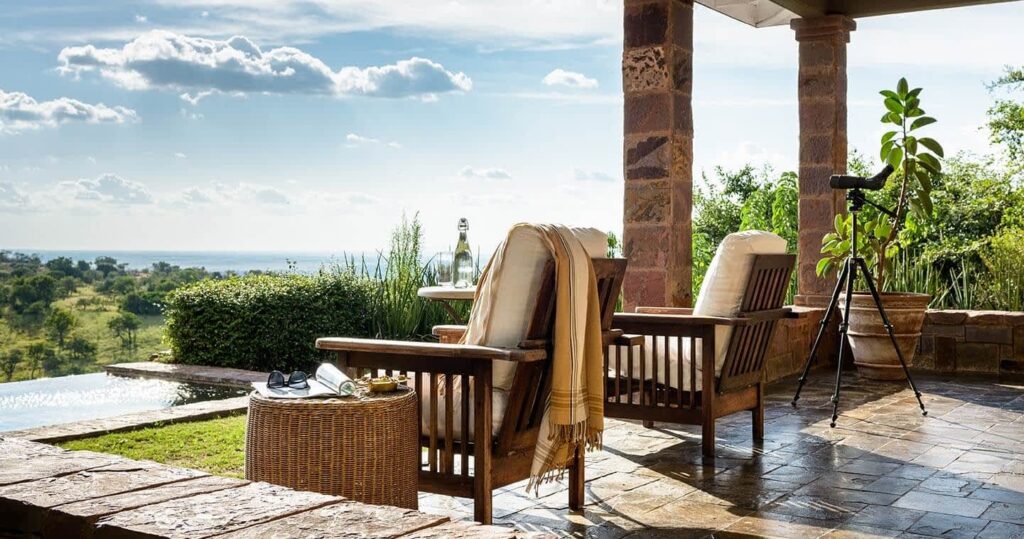
Singita Sasakwa Lodge
Singita Sasakwa Lodge, built in an Edwardian manor-house style on a hilltop overlooking the plains, is the standout property here and one of the most requested lodges across our entire portfolio. Its nine private cottages each include a plunge pool, and the concession’s private status means our guides can offer a noticeably different pace of game drive than is possible inside the national park boundary.
Because access here is more remote, we typically pair a Grumeti stay with Central Serengeti or Ngorongoro on longer itineraries rather than as a standalone base. Our 9-Day Enchanting Tanzania Safari is a good example of how this combination works in practice.
4. Southern Serengeti (Ndutu & Moru Kopjes): Best for Calving Season
Southern Serengeti, particularly the short-grass plains around Ndutu and Moru Kopjes, is the place to be between December and March, when up to 8,000 wildebeest calves are born each day at the peak of the season, drawing an intense concentration of predators. Technically, much of the Ndutu area sits within the Ngorongoro Conservation Area rather than Serengeti National Park proper, but the ecosystem is continuous and camps here are marketed and booked as part of a southern Serengeti/Ndutu safari – a distinction worth knowing but not one that affects the wildlife experience itself.
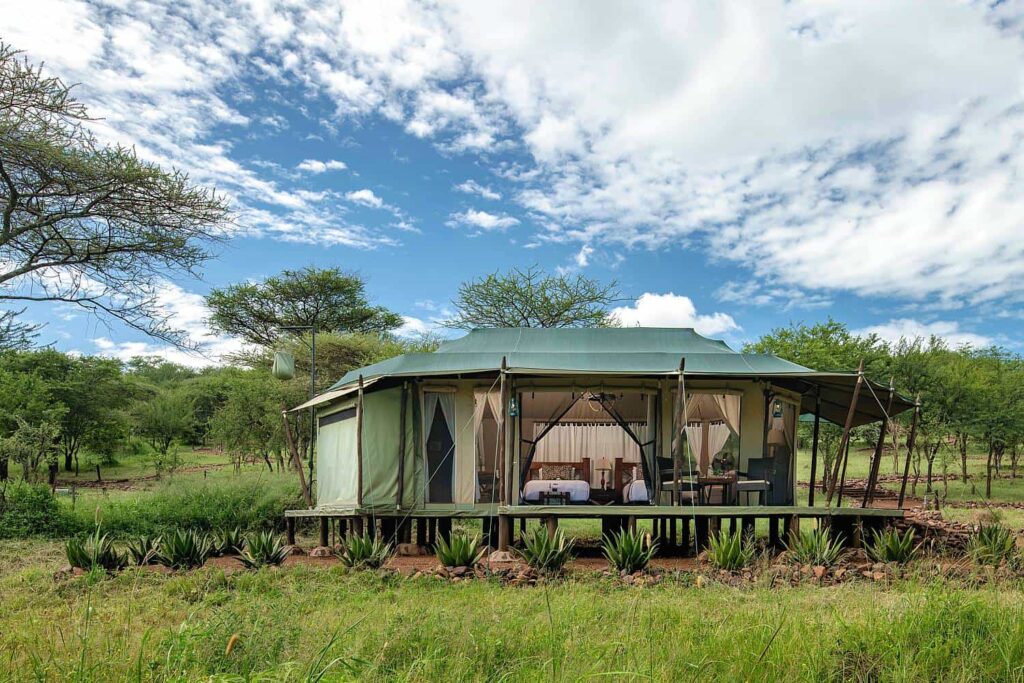
Ole Serai Luxury Camp
The Moru Kopjes area, fully inside the national park boundary, adds dramatic granite rock formations to the open plains and is known for a resident black rhino population alongside excellent leopard sightings among the boulders. Camps in this region tend to be smaller and more mobile than the fixed lodges of Central Serengeti, reflecting the seasonal, calving-focused nature of the area. This is also the region our 4-Day Tanzania Wildebeest Calving Safari is built specifically around.
5. Eastern Serengeti (Namiri Plains): Best for Big Cats and Privacy
Eastern Serengeti’s Namiri Plains area was closed to tourism for over two decades to allow cheetah and lion populations to recover undisturbed, reopening as one of the most exclusive and least-visited big-cat destinations in the park. Vehicle density here is noticeably lower than in Central Serengeti, and the open plains topography makes for exceptional predator sightings, particularly cheetah, without the vehicle congestion that can build up around a good sighting in Seronera during peak season.
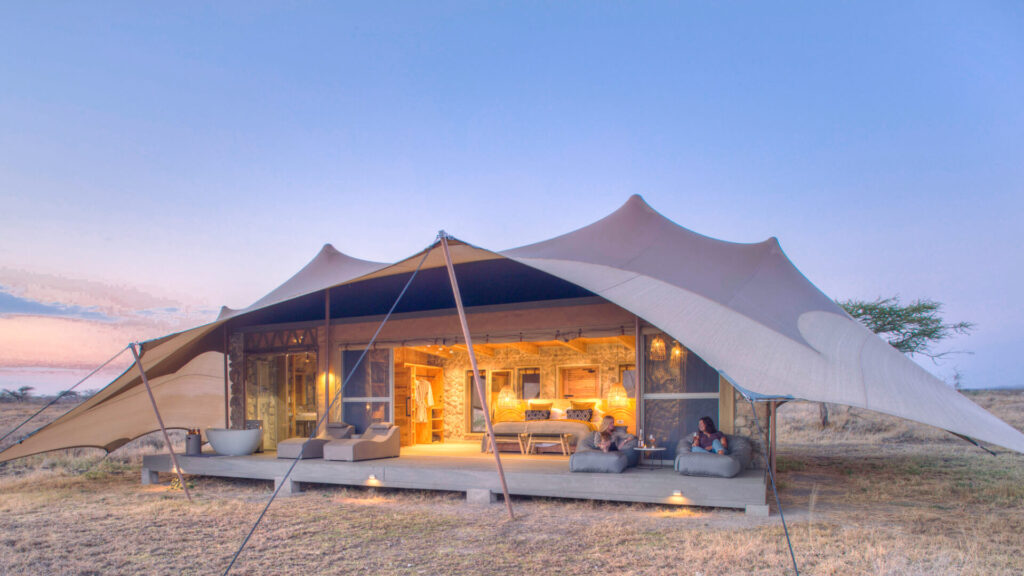
Asilia Namiri Plains
This region suits repeat Africa travelers and dedicated wildlife photographers more than first-time visitors, since its appeal is specifically about density of predator sightings in a quiet setting rather than the broader ecosystem variety of the Central Serengeti. We often recommend combining a few nights here with Central Serengeti on a longer stay to get both the reliability of Seronera and the exclusivity of Namiri.
Ready to match your ideal Serengeti region to your travel dates and priorities?
5-Star Hotels in the Serengeti
The Serengeti’s true 5-star properties combine internationally recognized luxury standards, private pools, spa facilities, and multiple dining venues with a genuine wilderness setting inside or bordering the national park itself. Four Seasons Safari Lodge Serengeti is the most globally recognized name in this tier, offering resort-level amenities including an infinity pool overlooking a permanent watering hole, multiple restaurants, and a full spa, all within Central Serengeti.
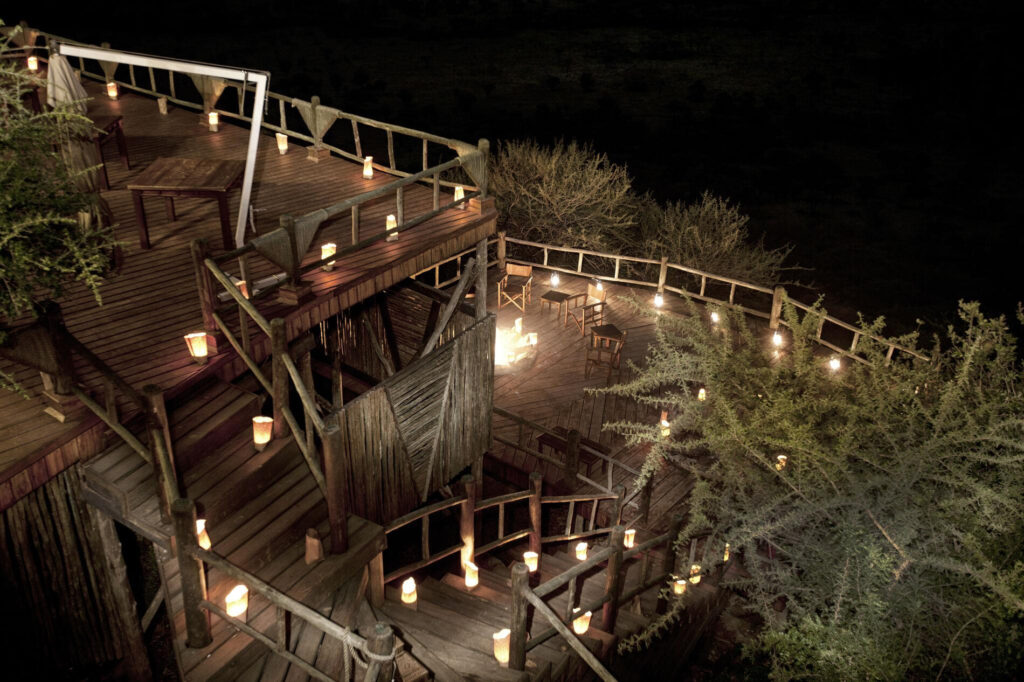
Beyond the international hotel brands, several boutique properties deliver an equivalent, arguably superior, standard of luxury at a more intimate scale. Singita Sasakwa Lodge in the Grumeti Reserves and the tented suites at Lemala Nanyukie both sit comfortably in this bracket, each offering private plunge pools and a guest-to-staff ratio that larger hotel-style lodges simply can’t match. As with most true five-star safari properties in Tanzania, per-person nightly rates typically start in the US $600-$800 range and climb well beyond US $2,000 for premium suites during peak season. We always confirm current published rates directly with each property before quoting, since safari lodge pricing shifts by season more than almost any other segment of luxury travel.
Serengeti Accommodation Regions Compared
| Region | Best Season | Known For | Best For |
| Central Serengeti (Seronera) | Year-round | Reliable resident wildlife, the best lodge choice | First-timers, families, any-season trips |
| Northern Serengeti (Kogatende) | July – October | Mara River crossings | Migration-focused repeat travellers |
| Western Corridor (Grumeti) | May – June migration + year-round privacy | Private concessions, off-road driving | Honeymooners, ultra-privacy seekers |
| Southern Serengeti (Ndutu) | December – March | Wildebeest calving, predator action | Photographers, calving-season travellers |
| Eastern Serengeti (Namiri Plains) | Year-round, quietest region | Cheetah density, low vehicle traffic | Repeat travellers, dedicated photographers |
How to Choose Where to Stay Near the Serengeti.
With five distinct regions and dozens of individual properties, choosing where to stay in the Serengeti comes down to answering a handful of questions in the right order.
- Step 1: Fix your travel dates first. The Serengeti’s regions perform very differently by month: the Northern for July-October crossings, Southern/Ndutu for December-March calving, so your dates should determine your region before you look at any specific lodge.
- Step 2: Decide how many regions you can realistically cover. Most itineraries of 4-5 nights in the Serengeti work best split across two regions (for example, three nights in the Central plus two nights in the Northern) rather than one long stay in a single camp.
- Step 3: Match the property style to your travel party. Larger lodges like Serengeti Serena or Four Seasons suit families and groups wanting more facilities; boutique 8-14 tent camps like Singita Sasakwa or Lemala Nanyukie suit couples wanting privacy.
- Step 4: Confirm inside-park or concession positioning. A lodge inside the national park boundary or within a bordering private concession will always deliver more game-drive time than one positioned purely as a gateway property.
- Step 5: Book well ahead for peak dates. July-October and the December-March calving season fill 12-18 months in advance at the most established camps. The earlier you commit to dates, the more of these five regions remain genuinely available to you.
This is exactly the sequencing we walk every guest through before recommending specific properties; it’s a very different conversation for a family’s first safari than for a repeat traveler chasing a specific river-crossing week.
Serengeti Accommodation by Budget Tier
Serengeti accommodation spans roughly three tiers: premium tented camps from around US $300-$500 per person per night, luxury lodges and camps from US $600-$1,500, and ultra-luxury properties with private pools and villas from US $1,500 upward, with the very top suites exceeding US $6,000 per person per night in peak season. Rates fluctuate significantly by month, with the lowest prices typically found during the April-May long rains and the highest during the July-October migration season and the December-February calving/festive period.
- Premium tented camps: smaller, classic-style tented camps with full-service game drives and comfortable but simpler facilities than the luxury tier above them.
- Luxury lodge and camp properties: like Lemala Nanyukie, Mbali Mbali Soroi, and Serengeti Serena, offering private plunge pools, elevated design, and strong service standards.
- Ultra-luxury lodges and private villas: Four Seasons-tier hotels and concession properties like Singita Sasakwa, with resort-level facilities, dedicated butlers, and the most exclusive positioning in the ecosystem.
Which Serengeti Lodge Suits Your Travel Style?
Couples and Honeymooners
Boutique, low-tent-count properties in the Western Corridor or eastern Namiri Plains area deliver the privacy and intimacy most honeymooning couples want. Singita Sasakwa Lodge‘s private cottages with individual plunge pools are among our most-booked honeymoon properties in the entire Serengeti ecosystem.
Families With Children
Larger, full-service lodges in Central Serengeti with more room configurations, swimming pools, and established staff experience with younger guests tend to work best for families. Serengeti Serena Safari Lodge and Four Seasons Safari Lodge Serengeti and Family Luxury Safari Serengeti both handle family bookings comfortably, and our dedicated Family Luxury Safari Serengeti guide covers age-appropriate lodges and activities in more depth.
First-Time Africa Travellers
Central Serengeti is almost always the right call for a first visit; it delivers reliable, resident wildlife regardless of exactly when you travel and carries the widest range of lodge styles and price points to match your budget without the tighter seasonal booking windows that Northern or Southern Serengeti demand.
Repeat Africa Travellers and Photographers
If you’ve already done a classic Central Serengeti stay, Namiri Plains’ low vehicle density and the Western Corridor’s private-concession game drives offer a genuinely different experience for a second or third Serengeti trip, and our Photography Safaris guide covers how we tailor game-drive timing and vehicle setups for serious photographers.
Getting to Your Serengeti Lodge: Fly-In vs. Road Safaris
Most luxury Serengeti lodges are reached by short scheduled or chartered flights from Arusha or Kilimanjaro International Airport into one of the park’s regional airstrips: Seronera, Kogatende, Grumeti/Sasakwa, or Ndutu, typically taking 45 minutes to just over an hour depending on the region. Flying in saves significant time compared to the 6+ hour road transfer from Arusha, and it’s the standard way most of our guests reach Northern, Western, or Southern Serengeti camps, given their distance from the main road network.
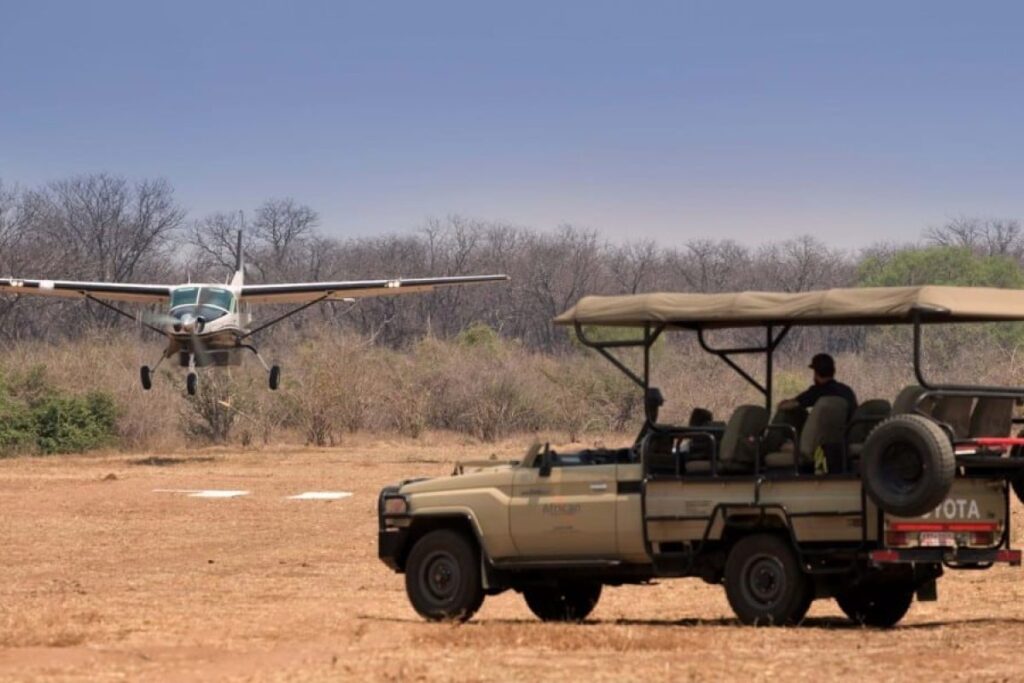
Road safaris remain popular for guests combining the Serengeti with Ngorongoro, Tarangire, and Lake Manyara on a single northern circuit route, since driving between these parks is part of the experience rather than a logistics problem to solve. Our Fly-In Serengeti Luxury Safari and Fly-In Flying Safaris guides cover this decision in more detail, and we can build either approach or a mix of both into your itinerary depending on how much time you have and how many parks you’re combining.
Related Reading on Serengeti Accommodation
For a deeper dive into specific corners of this topic, our Central Serengeti Premium Lodge Comparison compares Four Seasons, One Nature Nyaruswiga, Lemala Nanyukie, and Serengeti Serena Safari Lodge head-to-head, while our Exclusive Serengeti Safari Camps guide focuses specifically on the smallest, most private properties across the park’s private concessions. If sustainability factors into your choice of lodge, our Carbon-Conscious Luxury Safari guide covers how several of these properties approach responsible tourism without compromising on comfort.
Why Book Your Serengeti Stay With Luxury Safaris Tanzania
We’ve spent 15+ years matching travellers to the right Serengeti lodge for their exact dates and priorities, guiding more than 10,000 travellers through this park and the wider northern circuit. Every itinerary we build is private and tailor-made rather than a fixed group departure; our bookings are ATOL-protected, and our guides are Tanzanian experts who know exactly which region will deliver the sighting you’re hoping for on the specific week you’re traveling.
Because lodge availability, seasonal wildlife movement, and pricing all shift constantly across the Serengeti’s five accommodation regions, we handle the comparison work for you, cross-referencing your travel dates against which camps are genuinely well-positioned that month, rather than simply booking whichever property has a recognizable name. Browse our full list of Tanzania safari destinations, or get in touch and tell us your dates, and we’ll tell you honestly which Serengeti region and which specific lodge is the right fit.