
What Are the Main Attractions in Lake Manyara National Park?
Most travelers picture Tanzania’s northern circuit as three names: Serengeti, Ngorongoro, and Tarangire and treat Lake Manyara as the drive-through park in between. That’s a mistake we gently correct for almost every guest we plan a safari for. At just 325 km², Lake Manyara National Park is one of the smallest parks on the circuit, yet it compresses five separate ecosystems, groundwater forest, acacia woodland, open grassland, an alkaline soda lake, and a Rift Valley escarpment, into a single half-day or full-day game drive. Few parks in East Africa deliver this much ecological variety per hour behind the wheel.
The main attractions in Lake Manyara National Park are its tree-climbing lions; the alkaline soda lake and its seasonal flamingo flocks; large herds of forest-dwelling elephants; the volcanic Maji Moto hot springs; a groundwater mahogany forest with a treetop canopy walkway; the Great Rift Valley escarpment; and one of the largest recorded baboon troops in Africa. Together with over 350 recorded bird species, a resident hippo pool, and the culturally rich gateway village of Mto wa Mbu, these attractions make Lake Manyara one of the most efficient wildlife stops on Tanzania’s northern safari circuit.
We’ve been building tailor-made itineraries around this park for more than 15 years, and our guides know its back roads, its quiet viewpoints, and the specific patch of forest where the lions are most likely to be lounging in a fig tree on any given morning. Below, we break down all 13 attractions worth building your safari day around, plus the practical details of timing, access, and how to combine Manyara with the rest of your Tanzania safari that turns a quick pass-through into one of the highlights of the trip.
Lake Manyara National Park: Quick Facts
| Fact | Detail |
| Location | Arusha & Manyara Regions, northern Tanzania, at the foot of the Great Rift Valley escarpment |
| Total Park Area | 325 km² (≈125 sq. mi.), of which roughly 230 km² is lake surface in the wet season |
| Gazetted | Game reserve in 1957; upgraded to national park status in 1960 |
| UNESCO Status | Core zone of the Lake Manyara Biosphere Reserve, designated in 1981 |
| Managing Authority | Tanzania National Parks Authority (TANAPA) |
| Distance from Arusha | ≈126 km, roughly 2 – 2.5 hours by road |
| Nearest Gateway Town | Mto wa Mbu |
| Recorded Bird Species | 350 to 400+, among the highest counts of any Tanzanian national park |
| Signature Attraction | Tree-climbing lions one of only two documented populations in Africa |
| Ideal Visit Length | Half a day at minimum; a full day or overnight lets you add the escarpment, canoeing (seasonal), and a Mto wa Mbu village walk |
| Best Time to Visit | Year-round park; June-October for dry-season game concentrations, November-May for birding, waterfalls, and lush scenery |
1. Tree-Climbing Lions – Lake Manyara’s Signature Attraction
Yes, Lake Manyara is one of only two places in Africa where lions regularly climb trees, draping themselves across the low, wide branches of sausage trees and fig trees for hours at a stretch. This behavior is documented in almost no other population on the continent besides the Ishasha sector of Queen Elizabeth National Park in Uganda, which makes Manyara’s lions the most accessible tree climbers on a standard Tanzania itinerary.

Nobody has settled definitively on why Manyara’s lions took to the branches. Guides and researchers point to a mix of theories: escaping the biting flies and ground-level heat of the valley floor, gaining a better vantage point over the grass to spot prey and rival predators, and simple habit passed down through a pride from one generation to the next. Whatever the cause, the sight of a lioness sprawled belly-up along a horizontal limb, paw dangling, is one of the most photographed moments in Tanzania.
Sightings aren’t guaranteed on every drive; this is genuine wild behavior, not a staged encounter, but they cluster around the southern Msasa and Ndala woodland sections of the park, particularly during the heat of late morning when the ground is warmest. Our guides work the park’s ranger radio network and know which fig groves to check first, which is part of why we build enough time into Manyara itineraries to actually look properly, rather than rushing through the park in ninety minutes on the way to somewhere else.
2. Lake Manyara Itself – The Alkaline Soda Lake
Lake Manyara is a shallow, alkaline soda lake that covers roughly two-thirds of the park’s total area and gives the park its name. Formed in a depression of the Great Rift Valley, the lake has no outflow and is fed instead by underground springs and rivers draining off the Ngorongoro Highlands, which is why its water is so mineral-rich and alkaline with a pH close to 9.5. It’s the seventh-largest lake in Tanzania by surface area, but at an average depth of under a meter, it is extraordinarily shallow for its size.
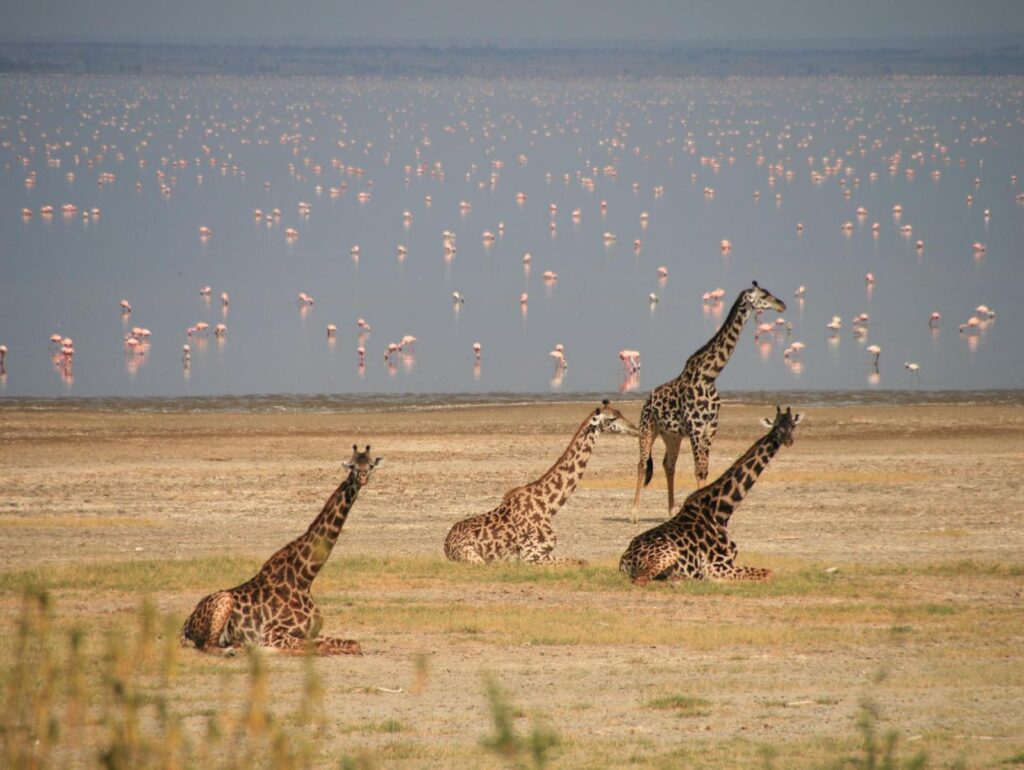
The lake’s level swings dramatically with the seasons. In the wet months it can stretch 40 km long, while in extended dry spells it shrinks to a cracked, silvery pan of salt deposits. Either way, it’s the park’s central gathering point: because so much of Manyara’s wildlife depends on the lake or its fringing marshes for water, the shoreline circuit is where you’ll find the highest concentration of animals on any given drive, especially in the dry season when the surrounding bush offers little else to drink.
3. Flamingos and the Lake’s Waterbird Spectacle
Lake Manyara is one of the best places in Tanzania to see wild flamingos, which are drawn to the lake in their thousands to filter-feed on the algae that thrive in its alkaline waters. Lesser flamingos dominate, joined by greater flamingos, pelicans, storks, spoonbills, and cormorants, and when the light catches a dense flock at the waterline, the shore turns a genuine, shimmering pink.

Numbers rise and fall with rainfall and algae bloom cycles, so no single visit is guaranteed to hit peak flamingo season, but the wetter months from November through May generally deliver the largest concentrations, alongside migratory waders arriving from as far as Europe and Central Asia. Bring a longer lens if you have one; the birds feed some distance out on the flats, and a 300mm-equivalent lens makes a noticeable difference to your photographs.
4. Elephant Herds of the Groundwater Forest
Lake Manyara has one of the densest elephant populations of any park its size in East Africa, rivaled in Tanzania only by Tarangire National Park and, across the border, Amboseli in Kenya. Family groups move through the acacia woodland and evergreen groundwater forest in numbers that can feel disproportionate to the park’s modest footprint, largely because the permanent springs here mean there’s rarely a shortage of water or graze, even deep into the dry season.
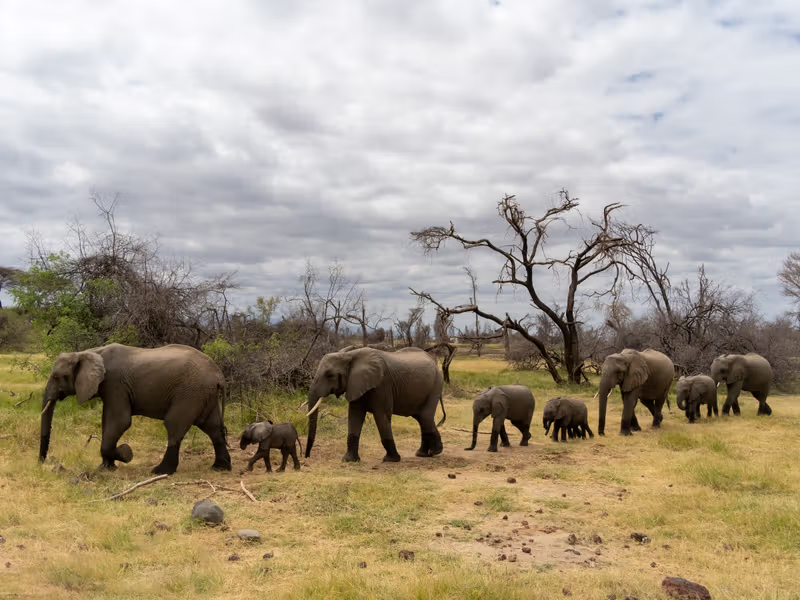
Because so much of the park is forested rather than open plain, elephant encounters at Manyara often happen at close range and in dappled light rather than across a wide savannah, which makes for a different, more intimate style of sighting than you’ll get in the Serengeti or Ngorongoro Crater.
5. The Groundwater (Mahogany) Forest
The lush groundwater forest just inside Manyara’s main gate is fed by underground springs rather than rainfall, which keeps it green even in the depths of the dry season. Mahogany, sycamore fig, and tamarind trees form a dense, cool canopy, a striking contrast to the open savannah most visitors expect from a Tanzania safari, and the understory shelters blue monkeys, olive baboons, and a rich concentration of forest bird species.
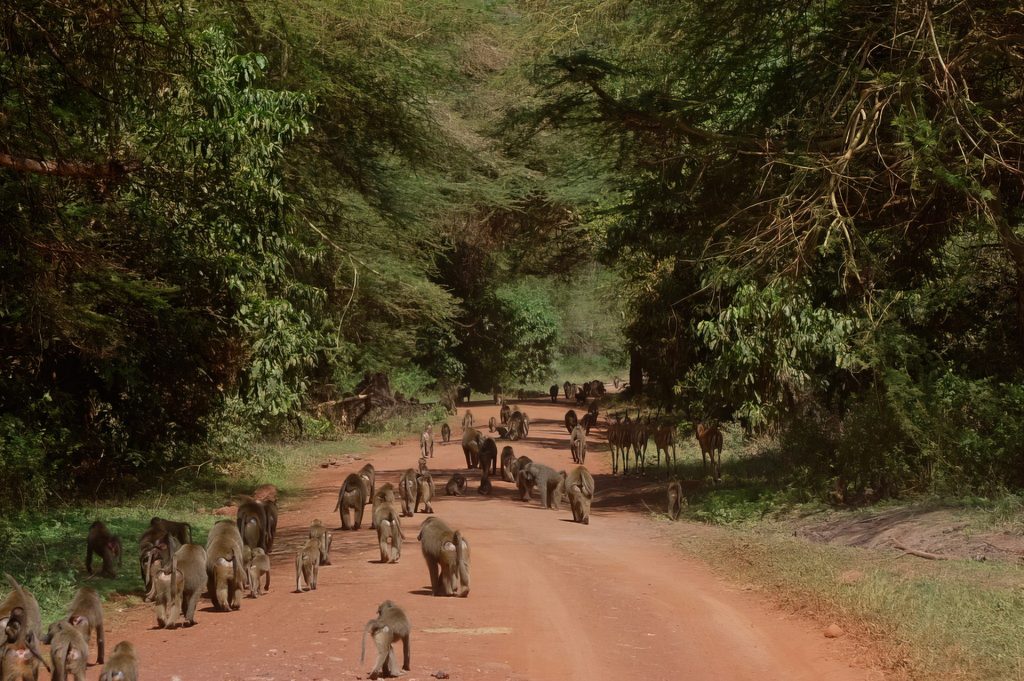
This is usually the first stretch of park you’ll drive through after the gate, and it’s worth slowing down here rather than treating it as a corridor to the lake. The dim light and dense foliage make it one of the more atmospheric openings to any game drive on the northern circuit.
6. Manyara Treetop Walkway – Tanzania’s First Canopy Walk
The Manyara Treetop Walkway was Tanzania’s first canopy walkway and remains one of the only ways to experience an African forest from above the branches rather than beneath them. A series of suspended bridges and platforms carry visitors up into the groundwater forest canopy, offering aerial views over the treetops toward the lake and escarpment beyond.

It’s a paid add-on to your park entry rather than something included automatically, and it suits families with older children and anyone who wants a physical, active break from sitting in a safari vehicle. Sessions run at fixed times, so if this activity is a priority, mention it when we build your itinerary and we’ll schedule your Manyara stop around it.
7. Maji Moto Hot Springs
Maji Moto, Swahili for ‘hot water,’ is a natural geothermal spring in the park’s southern section, formed where underground water passes through volcanic rock heated by the same Rift Valley activity that carved the escarpment above it. The water emerges at around 60°C into a secluded pool framed by palms and fig trees, and it’s become something of a ritual stop for our guests: bring an egg from breakfast, and you can watch it cook in the spring while you take in one of the quietest corners of the park.
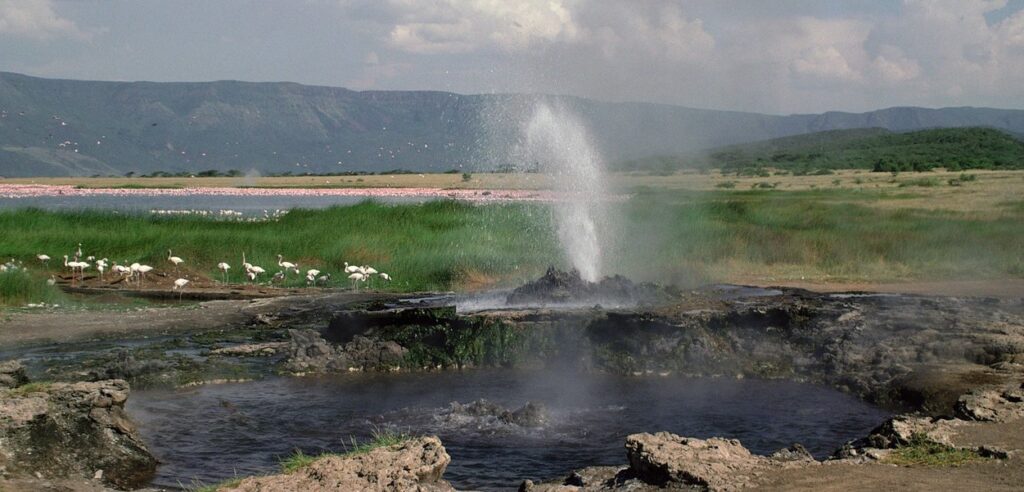
Full details on access, timing, and what to expect on-site are covered in our dedicated Maji Moto Hot Springs guide, which we’d recommend reading alongside this page if the springs are a priority for your visit.
8. The Great Rift Valley Escarpment
The 600-meter wall of the Great Rift Valley escarpment rises directly behind the park, forming the dramatic backdrop to almost every photograph taken at Lake Manyara. Geologically, this is the Gregory Rift, part of the wider East African Rift System, and it’s the same tectonic activity that created the lake basin below and continues to feed the Maji Moto hot springs with volcanically heated water.
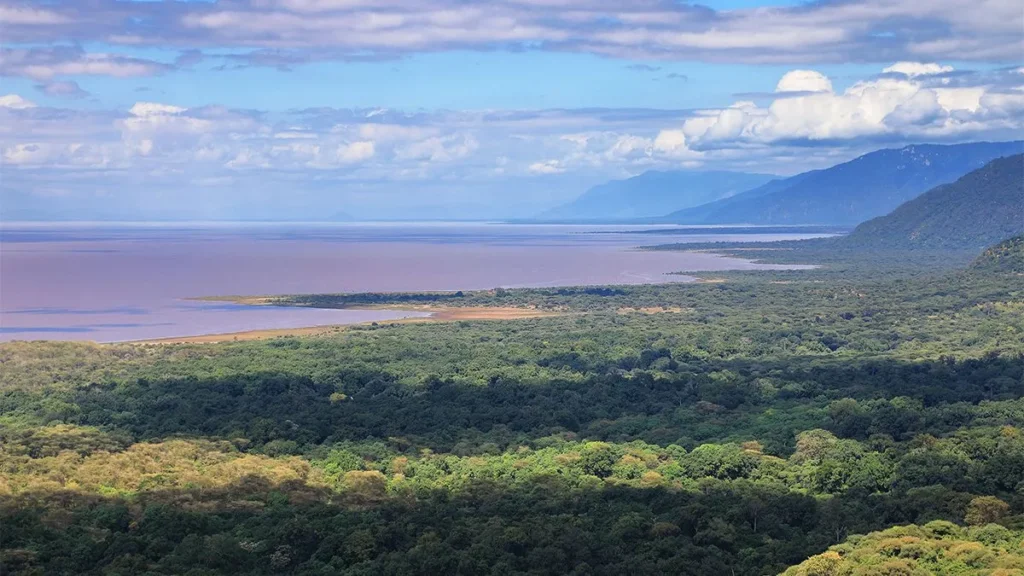
Several viewpoints along the escarpment road above the park give sweeping views down over the lake, the forest canopy, and the flats beyond genuinely worth a stop for photography, especially in the soft light of early morning or late afternoon.
9. Africa’s Largest Recorded Baboon Troops
Lake Manyara is home to some of the largest olive baboon troops recorded anywhere in Africa, with individual troops documented at over 100 members. The park’s combination of forest cover, permanent water, and abundant fig trees creates ideal conditions for baboon populations to grow far larger than is typical elsewhere on the safari circuit.
Watching a troop this size move through the forest; young baboons riding on mothers’ backs, dominant males patrolling the edges, and constant social chatter running through the group, is one of the more overlooked wildlife experiences in the park, and one our guides often point out to families in particular, since baboon social dynamics tend to fascinate children on their first safari.
10. Hippo Pool
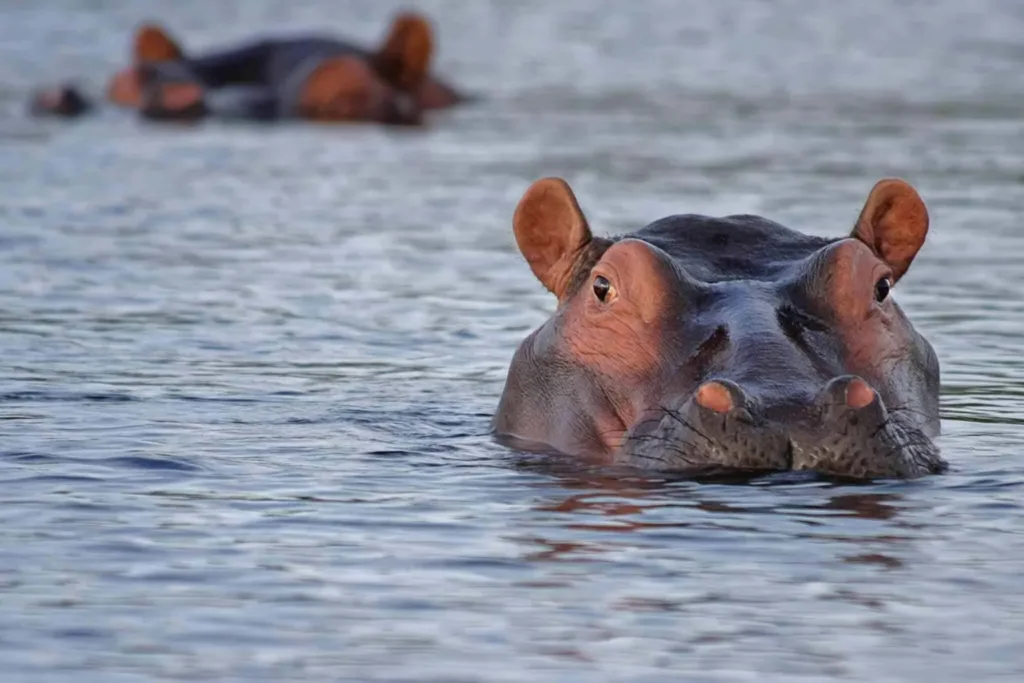
A resident pod of hippos occupies a permanent pool near the northern end of Lake Manyara, close to where the Simba River feeds into the lake basin. As in most parks, hippos here spend the heat of the day submerged with only eyes, ears, and nostrils breaking the surface, becoming more active grazing on land after dusk. A stop at the hippo pool is a near-standard feature of a Manyara game drive and pairs naturally with the birdlife concentrated in the same wetland margins.
11. Birdlife Beyond the Flamingos – A Birder’s Paradise
With 350 to 400+ recorded species packed into just 325 km², Lake Manyara has one of the highest bird diversity counts relative to park size anywhere in Tanzania. The variety comes from the many different habitats here: forest specialists in the groundwater forest, raptors along the escarpment thermals, waders and waterfowl on the lakeshore, and woodland species in the acacia belt.
Species our guides most often point out to keen birders include the rufous-tailed weaver and Fischer’s lovebird (both near-endemic to this part of Tanzania), the silvery-cheeked hornbill, Narina trogon, crowned eagle, crested guinea fowl, and grey crowned crane, alongside the resident flocks of pelicans, storks, and flamingos on the lake itself. If birding is a serious priority for your trip, we’ll pair a Manyara stop with a specialist guide and build in extra time in the groundwater forest, where the species turnover through a single morning can be remarkable.
12. Silale Swamp and the Southern Floodplains
Silale Swamp, in the park’s quieter southern section, acts as a natural flood buffer and year-round grazing ground for buffalo, waterbuck, and the shy Kirk’s dik-dik that favors the escarpment slopes nearby. Far fewer vehicles make it this distance south than gather around the main lakeshore circuit, which makes this stretch of the park particularly appealing for repeat visitors and photographers who want a quieter, more private game-viewing experience than the busier northern loop typically offers.
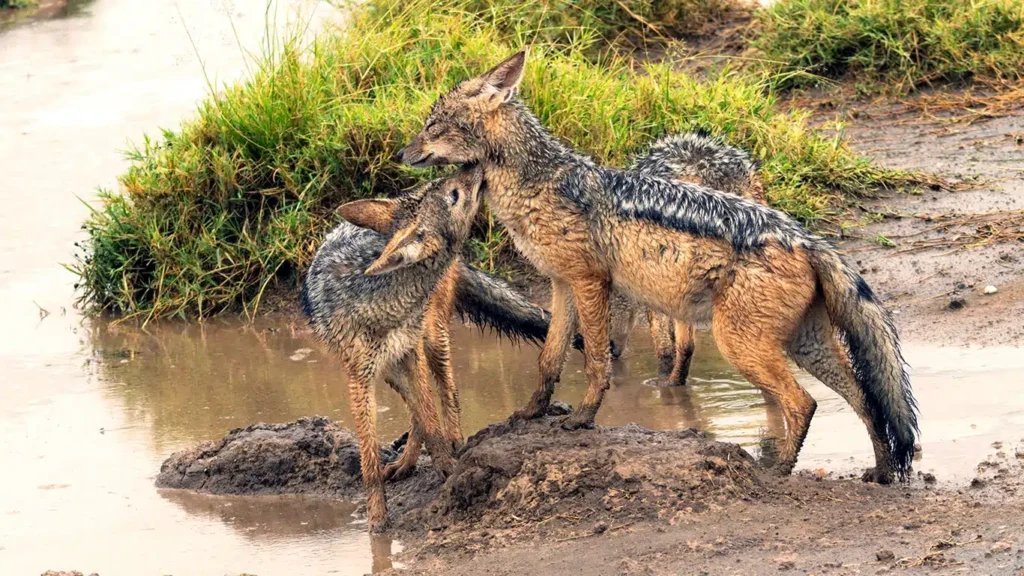
We often route repeat Africa travelers and photography-focused guests through this section specifically, since it delivers a genuinely different feel from the standard Manyara drive most tourists experience.
13. Mto wa Mbu – The Cultural Gateway Village
Mto wa Mbu, meaning ‘river of mosquitoes’ in Swahili, sits just outside the park gate and is one of the most culturally diverse villages on the northern circuit, with residents drawn from more than 120 of Tanzania’s ethnic groups. A stop here rounds out a wildlife-focused day with genuine cultural texture: a walk through the local market, a demonstration of traditional banana beer brewing, a visit to a wood-carving cooperative, or a guided farm walk through the irrigated rice and banana plots that give the village its unusually lush setting for this part of the Rift Valley.
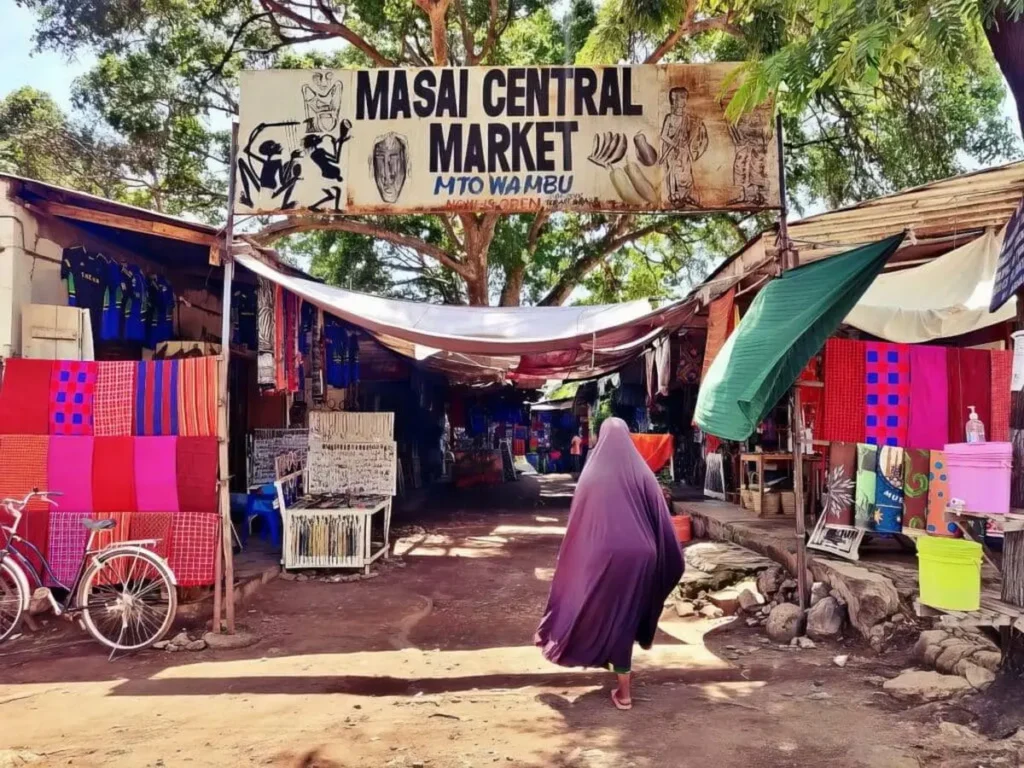
For guests interested in going deeper into local culture and the traditions of the Maasai people, who share this landscape with over a dozen other groups, we can arrange a guided village walk or boma visit either before or after your game drive, a natural complement to the wildlife side of a Lake Manyara stop.
Best Safari Activities for Experiencing These Attractions.
You can best experience Lake Manyara’s attractions through a small set of core activities, each suited to a different pace and interest.
Morning and Afternoon Game Drives
Classic 4×4 game drives remain the primary way to see the park, and morning drives generally outperform afternoon ones: fewer vehicles on the road, cooler temperatures, and more active wildlife. A thorough loop covering the lakeshore, forest, and southern sections typically takes 3 to 4 hours.
Night Game Drives
Manyara is one of a limited number of parks in Tanzania licensed for night game drives, opening up sightings of nocturnal species like genets, bushbabies, and hunting leopards that are essentially invisible on a standard daytime circuit. This experience is a paid add-on we can pre-book as part of your itinerary.
Canoeing (Seasonal)
When lake levels are high enough, typically during the wetter months, canoeing trips launch from the lake’s edge, offering a low, quiet vantage point on the water among hippos, waterbirds, and the occasional grazing buffalo along the shore. This activity is weather-dependent and unavailable when the lake recedes in the dry season.
Guided Forest and Nature Walks
Short guided walks through sections of the groundwater forest, usually near lodges outside the park boundary, provide a ground-level view of the birdlife and vegetation that are often overlooked from a vehicle.
How to Spot the Tree-Climbing Lions
- Step 1: Go early. Head into the park within the first hour after the gate opens, before the heat builds and before other vehicles fan out across the circuit.
- Step 2: Focus on the Msasa and Ndala woodland sections, the southern parts of the park where sightings cluster most consistently.
- Step 3: Scan low, wide branches, particularly sausage trees and fig trees with broad horizontal limbs strong enough to support an adult lion’s weight.
- Step 4: Let your guide use the ranger radio network. Sightings are shared between vehicles, and an experienced driver-guide will reroute quickly once a call comes through.
- Step 5: Build in time and patience. This is wild, unscripted behavior rather than a guaranteed photo stop, so a rushed 90-minute pass-through gives you far worse odds than a properly paced half-day visit.
How Lake Manyara Compares to Tarangire and Ngorongoro
Lake Manyara, Tarangire National Park, and the Ngorongoro Conservation Area are the three parks most commonly combined on a northern circuit itinerary, and each earns its place for different reasons.
| Park | Signature Draw | Best For | Typical Time Needed |
| Lake Manyara | Tree-climbing lions, birdlife, alkaline lake | Half/full-day stop, birding, families | Half day to 1 day |
| Tarangire National Park | Ancient baobabs, huge elephant herds | Dry-season game density, fewer crowds | 1 to 2 days |
| Ngorongoro Conservation Area | Big Five in a single caldera, Olduvai Gorge | Big Five checklist, scenery, first-timers | 1 to 2 days |
Most of our itineraries route guests through Manyara either as a scenic, wildlife-rich stop en route between Tarangire and Ngorongoro or as a relaxed half-day add-on immediately after arriving from Kilimanjaro International Airport, a gentler introduction to Tanzania’s wildlife before the bigger, longer days in the Crater and the Serengeti.
Best Time to Visit Lake Manyara’s Attractions

| Season | Months | What You’ll See |
| Dry Season | June – October | Wildlife concentrated at the lakeshore and remaining water sources; easiest tree-climbing lion sightings; clearest escarpment views |
| Short Rains | November – December | Migratory birds arriving in numbers; landscape turning green; fewer crowds |
| Long Rains | March – May | Peak flamingo and waterbird concentrations; canoeing possible if lake levels allow; lush forest and waterfalls off the escarpment; lowest lodge rates |
For a broader view of how Manyara fits into the wider Tanzania travel calendar, see our full guide to the best time to visit Tanzania, which covers the Great Wildebeest Migration timing, Kilimanjaro trekking windows, and Zanzibar beach weather alongside the northern circuit parks.
Who Should Visit Lake Manyara National Park?
Couples and Honeymooners
The forest lodges perched on the escarpment above the park, many with private plunge pools and Rift Valley views, make Manyara a naturally romantic overnight stop, and the shorter game drives here leave plenty of room in the day for a spa treatment or a sundowner on the escarpment edge.
Families With Children
The Treetop Walkway, the relatively short and gentle game-drive circuit, and the near-guaranteed wildlife sightings around the lakeshore make Manyara one of the easier parks to introduce children to an African safari without the long driving days that Serengeti or Tarangire itineraries can involve.
First-Time Africa Travellers
If this trip is your first safari, Manyara is a gentle, high-reward introduction with close-range elephant and baboon sightings, a good shot at the tree-climbing lions, and a manageable pace before you move on to the bigger distances and longer days of the Serengeti or Ngorongoro.
Repeat Africa Travellers and Birders
Guests who’ve already ticked off the Big Five elsewhere tend to get the most out of Manyara’s specialist side: the southern Silale Swamp section, serious birding through the groundwater forest, and night game drive activities that reward familiarity with African safaris rather than a first-timer’s checklist.
Sample Ways to Combine Lake Manyara Into Your Luxury Safari
Because Manyara sits directly on the route between Arusha, Tarangire, Ngorongoro, and the Serengeti, it rarely needs its own dedicated multi-day itinerary; instead, we build it in as a well-timed stop within a longer northern circuit journey. A few of the combinations our guests choose most often:
- 3-Day Tarangire, Lake Manyara & Ngorongoro Safari: a compact northern circuit loop for travelers with limited time.
- 10-Day Northern Tanzania Exclusive Safari: Manyara is featured alongside Tarangire, Ngorongoro, and an extended Serengeti stay timed for the Great Wildebeest Migration river crossings.
- 5-Day Luxury Fly-In Serengeti Safari for guests who prefer to fly over Manyara but still want the option of a ground stop en route.
- This trip can be combined with Zanzibar’s beaches or a Kilimanjaro trek for a longer, multi-region Tanzania holiday.
- This trip can be paired with Rwanda gorilla trekking or other multi-country African safaris, allowing travelers to visit more than one East African destination in a single journey.
Nearby luxury stays we regularly recommend for a Manyara stop include the escarpment-edge lodges outside the park and onward properties like Tarangire Treetops by Elewana or &Beyond Ngorongoro Crater Lodge for the next legs of a northern circuit journey. Browse our full list of Tanzania safari destinations to see how Manyara fits alongside the rest of the country’s parks and reserves.