
Luxury Bush Camping in Kidepo Valley National Park, An Activity Guide.
Luxury bush camping in Kidepo Valley National Park means sleeping under canvas in one of Africa’s last true wildernesses, a private, fully serviced tented camp set beneath the Morungole mountains, with an open fire, a personal chef, an expert guide, and nothing but 100 kilometers of savannah between you and the Kenyan and South Sudanese borders. It is the most immersive, most exclusive way to experience a park that CNN Travel has repeatedly named among Africa’s most beautiful and one that fewer than twenty visitors a day ever see.
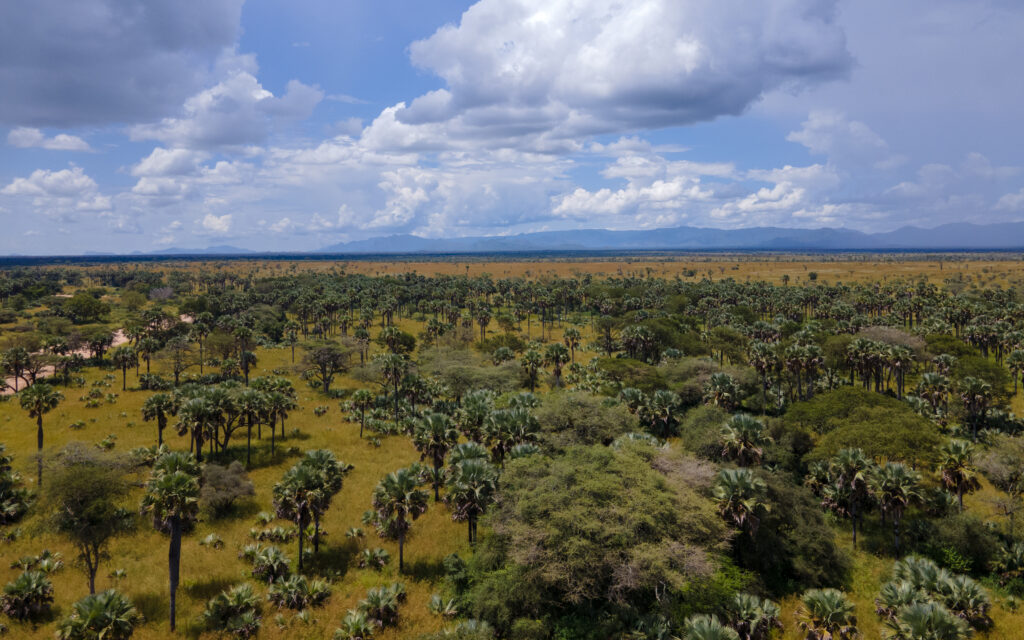
If you have already fallen for the drama of the Serengeti or the intimacy of gorilla trekking in Bwindi, Kidepo is the next chapter wilder, quieter, and almost entirely unspoiled by mass tourism. At Luxury Safaris Tanzania, we have spent over 15 years designing tailor-made itineraries across East Africa for more than 10,000 travelers, and Kidepo consistently ranks among the trips our most well-travelled guests describe as the most memorable few nights of their entire journey. This guide covers everything you need to plan a luxury bush camping safari in Kidepo Valley National Park, including where to stay, what it costs, when to go, how to get there, and how to combine it with the rest of your Uganda or East Africa itinerary.
Kidepo Valley National Park at a Glance
| Fact | Detail |
| Location | Karamoja region, Kaabong District, far northeastern Uganda, bordering South Sudan and Kenya |
| Size | 1,442 km² (557 sq mi) |
| Established | Gazetted as a national park in 1962, under the management of the Uganda Wildlife Authority. |
| Distance from Kampala | Approximately 520–570 km by road (roughly 9–11 hours’ drive), or around 1.5–2 hours by scheduled light aircraft. |
| Wildlife | 77+ mammal species and 475+ bird species were recorded, including several found nowhere else in Uganda. |
| Signature species | Cheetah, bat-eared fox, aardwolf, caracal, greater and lesser kudu, striped hyena, Rothschild’s giraffe, ostrich |
| Best time to visit | Dry seasons: December–March and June–September, when wildlife concentrates around the Narus Valley waterholes. |
| Signature landscape | Two river valleys, the Narus and the Kidepo, framed by Mount Morungole and the Napore and Lonyili ranges |
| Local community | Karamojong pastoralists in the surrounding plains; the Ik people on the slopes of Mount Morungole |
Where Is Kidepo Valley National Park?
Kidepo Valley National Park sits in the remote Karamoja region of far northeastern Uganda, tucked into the Kaabong District, where Uganda’s border meets both South Sudan and Kenya. It is, by a wide margin, Uganda’s most isolated national park, located roughly 520 to 570 kilometers from Kampala by road, a drive of nine to eleven hours through the changing landscapes of central and northern Uganda. Most of our guests choose instead to fly, landing on the park’s own airstrip near Apoka in under two hours from Entebbe.
The park itself is shaped by two seasonal rivers, the Narus and the Kidepo, which carve fertile valleys through an otherwise semi-arid, mountain-ringed savannah. The Narus Valley, in the park’s southern half, holds water for longer into the dry season and consequently draws the greatest concentrations of wildlife; the wilder Kidepo Valley to the north dries almost completely for several months, leaving only ribbons of white sand where the river once ran. Towering above both is Mount Morungole, sacred to the small and little-documented Ik community, and the Napore and Lonyili ranges that mark the horizon toward South Sudan.
What Makes Kidepo Uganda’s Most Exclusive Safari Destination?
Kidepo is Uganda’s most exclusive safari destination because of the combination of its remoteness, its landscape, and its near-total absence of visitor crowds on most days; fewer than twenty tourists are inside the entire 1,442-square-kilometer park at once. That scarcity is not an accident of poor infrastructure; it is precisely what makes a luxury bush camping safari here feel so different from a game drive in the Serengeti or the Maasai Mara, where your vehicle might be one of a dozen circling the same pride of lions.
CNN Travel has repeatedly featured Kidepo among its rankings of Africa’s most beautiful national parks, once describing the park’s sweeping plains and the brooding mountain backdrop of Mount Morungole as making it “possibly the most picturesque park in Africa. “Lonely Planet lists it as a top choice destination in Uganda, prized for scenery unmatched anywhere else in the country. For the kind of traveler who has already done the Great Wildebeest Migration and trekked gorillas in Bwindi, Kidepo offers something increasingly rare on the African safari circuit: genuine, unmediated wilderness.
The park is also biologically distinct from anywhere else in Uganda. Kidepo’s dry Karamoja ecosystem shares more in common with Kenya’s arid north than with the lush forests of Bwindi or the wetlands of Queen Elizabeth National Park, which is why it is the only park in Uganda where you can reliably see cheetah, bat-eared fox, caracal, aardwolf, and striped hyena in the wild.
What Is Luxury Bush Camping, Exactly?
Luxury bush camping is a private, fully serviced tented safari experience set apart from fixed lodges in which your camp is staffed with a dedicated chef, butler, and guiding team, furnished with proper beds, en-suite bucket showers or plumbed bathrooms, and positioned in a private or semi-private location chosen for its views and its proximity to wildlife. Unlike a permanent lodge, a bush camp can be sited exactly where the game is best that season, and unlike budget camping, every logistical and comfort detail, hot water, three-course dinners, and sundowners at a chosen vantage point is handled entirely by your crew.
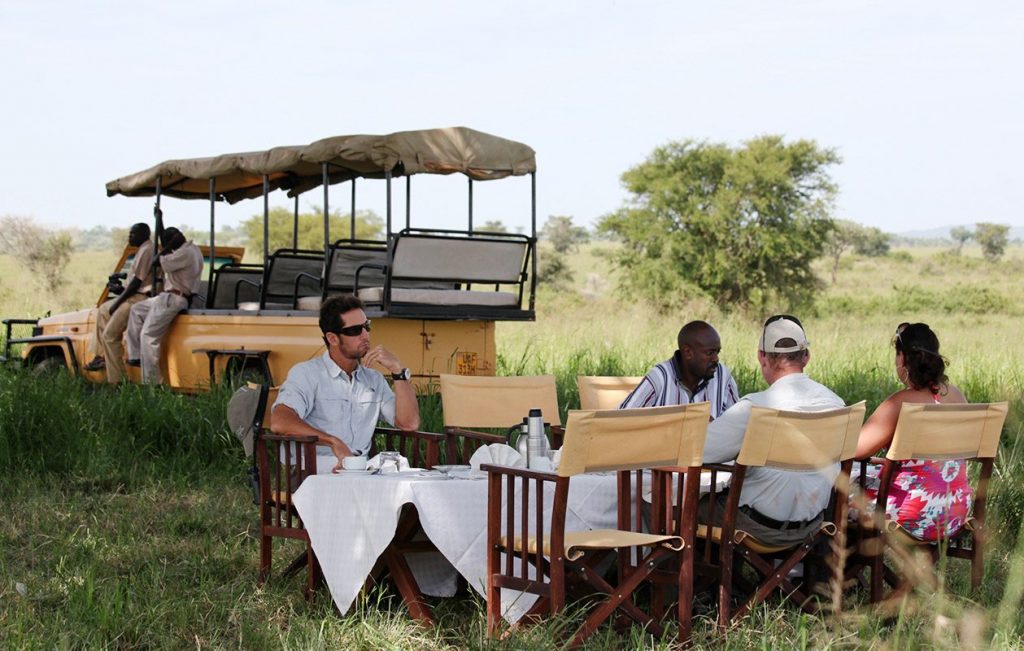
How Luxury Bush Camping Differs From Staying in a Lodge.
The core difference is intimacy and exclusivity. A fixed lodge such as Apoka Safari Lodge offers permanent infrastructure, a swimming pool, a full bar, and a fixed dining room and shares its grounds, however loosely, with other guests. A private mobile camp, by contrast, is set up exclusively for your party, often in a location no other camp is using that week, and can be adapted to your preferred wildlife-viewing circuit each day. For travelers who have stayed in East Africa’s classic lodges before and want the next level of exclusivity, this experience is the difference between a beautiful hotel and having the entire wilderness feel like your own private estate.
- Total privacy for your camp, your fire, and your guide, with no other guests sharing the property
- Flexible positioning camps can be moved seasonally to follow wildlife concentrations in the Narus or Kidepo valleys
- Personalized service: a private chef, waiter, and guide dedicated solely to your party for the duration of your stay
- Authentic immersion falling asleep to the sound of lions calling across the valley, with only canvas between you and the African night
The Luxury Bush Camping Experience in Kidepo.
There is a particular quality of silence in Kidepo that guests describe again and again, not the absence of sound, but the absence of anything man-made. Evenings in camp begin with sundowners on a rocky outcrop above the Narus Valley, watching the light turn the grasslands amber while buffalo herds numbering in the thousands drift toward the last waterholes of the day. Dinner is served under canvas or beneath the open sky, often lit by storm lanterns and the fire alone, with your guide sharing stories of the Karamojong cattle-keeping traditions or the giraffe reintroduction that repopulated the park’s plains.
Nights are where Kidepo distinguishes itself from almost anywhere else on the safari circuit. Because the park receives so few visitors, and because camps are positioned away from any generator hum or passing traffic, you fall asleep to an unfiltered soundtrack of the African wilderness: the whooping call of a spotted hyena, the occasional distant roar of a lion, and the constant chorus of nightjars and crickets. Waking before dawn, tea or coffee is brought to your tent as the sky begins to lighten over the Morungole range, ahead of an early game drive timed to catch predators still active from the cool of the night.
A Typical Day of Luxury Bush Camping in Kidepo
- 05:30 Wake-up call. Tea, coffee, and a light snack are brought to your tent as the first light touches the valley.
- 06:00 Early game drive. Head out into the Narus Valley while temperatures are cool and predators are still active, tracking lion, cheetah, and buffalo along the water courses.
- 09:30 Bush breakfast. A full breakfast is laid out at a scenic viewpoint, often overlooking a waterhole where wildlife continues to move past as you eat.
- 11:00 Rest, or optional cultural visit. Return to camp to relax by the pool or fire, or join a guided visit to a nearby Karamojong manyatta (homestead) to learn about local cattle culture.
- 13:00 Lunch and siesta. A leisurely lunch in camp, followed by downtime through the heat of the early afternoon.
- 16:00 Afternoon game drive. Head out again as temperatures cool, tracking the Kidepo Valley’s northern reaches or following up on morning sightings.
- 18:30 Sundowners. Drinks and canapés at a chosen viewpoint as the sun sets behind the mountains.
- 19:30 Dinner under the stars. A candlelit, multi-course dinner prepared by your private chef, followed by conversation around the campfire before retiring.
Exact daily timings vary by camp, season, and your guide’s read of wildlife movement that day; this schedule reflects a typical itinerary rather than a fixed program.
Where to Stay: Luxury Camps & Lodges in Kidepo
Kidepo has deliberately limited accommodation compared with Uganda’s more visited parks, which is central to what keeps it so exclusive. For travelers seeking an authentic luxury camping experience in the bush, we typically design a private mobile tented camp set up specifically for your party in the Narus Valley; for those who prefer fixed infrastructure with the same wilderness setting, Apoka Safari Lodge and Nga’Moru Wilderness Camp are the two most established options.
| Property | Style | Highlights |
| Private Mobile Tented Camp | Exclusive-use luxury bush camping | Set up solely for your party in the Narus Valley: private chef, guide, and staff; flexible positioning to follow wildlife. |
| Apoka Safari Lodge | Fixed luxury lodge | The park’s flagship lodge is on a rise above the Narus Valley with a swimming pool, spacious en-suite rooms, and panoramic wildlife views. |
| Nga’Moru Wilderness Camp | Rustic luxury tented camp | Known as the ‘Place of Rocks,’ it is perched on a hillside close to the park boundary, with comfortable safari tents and sweeping views of the valley. |
Because Kidepo’s accommodation options are so few, availability during the peak dry-season months of December to March and June to September can fill quickly. We recommend beginning to plan a luxury bush camping safari in Kidepo at least four to six months ahead of your intended dates.
Ready to Plan Your Kidepo Bush Camping Safari?
Every itinerary we design is tailor-made around your dates, your pace, and your interests. Tell us what you’re picturing, and our team with 15+ years of experience across Tanzania, Uganda, Rwanda, and Kenya will build a private, ATOL-protected safari around it.
Wildlife You Can Expect to See in Kidepo
Kidepo Valley National Park is home to more than 77 recorded mammal species and upward of 475 bird species, figures that rival the Serengeti and the Maasai Mara despite receiving a fraction of their visitor numbers. What sets a Kidepo safari apart, though, is not just the volume of wildlife but its composition: several species here occur nowhere else in Uganda, a legacy of the park’s dry, Kenyan-affinity ecosystem.
Predators and Big Game
Kidepo is the only national park in Uganda where cheetahs are reliably present, hunting across the open grassland of the Narus Valley. Lions and leopards are both resident, along with striped hyenas, aardwolves, caracals, and bat-eared foxes, species you will not encounter on a Bwindi or Queen Elizabeth itinerary. Buffalo herds in Kidepo are exceptional in scale, with the park’s total population estimated at well over 10,000 animals moving through the Narus Valley in herds that can number in the thousands during the dry season.
Plains Game and Birdlife
The elephant, Rothschild’s giraffe, Burchell’s zebra, eland, Jackson’s hartebeest, oribi, bushbuck, and greater and lesser kudu are all present, alongside the more unusual sighting of an ostrich moving through open country reminiscent of Kenya’s northern frontier. Birders are particularly well rewarded: Kidepo’s species list includes ostriches, secretary birds, Kori bustards, pygmy falcons, and Egyptian vultures, and the park is considered one of Uganda’s premier birding destinations for dry-country specialists rarely seen elsewhere in the country.
Best Time for Luxury Bush Camping in Kidepo

The best time for luxury bush camping in Kidepo Valley National Park is during the dry seasons of December to March and June to September, when the Narus and Kidepo rivers shrink to a handful of remaining waterholes and wildlife concentrates predictably around them, delivering the strongest game viewing of the year.
| Season | Months | What to Expect |
| Peak dry season | December–March | Excellent game viewing as wildlife concentrates at shrinking waterholes; clear skies and warm days; the park’s busiest period, though still very quiet by regional standards |
| Short dry spell | June–September | Strong wildlife concentrations return after the long rains; comfortable daytime temperatures; excellent visibility across the open plains |
| Long rains | April–May | Lush, green landscapes and dramatic skies; wildlife disperses more widely, making sightings less predictable; some camps may reduce operations |
| Short rains | October–November | Quieter visitor numbers and greening landscapes: a good option for travelers prioritizing solitude over guaranteed sightings |
Because Kidepo sits in a genuinely semi-arid pocket of Uganda, its climate runs drier and hotter than the country’s better-known southern and western parks, with daytime temperatures during the dry season commonly reaching the low-to-mid 30s Celsius. Our team tailors the timing of every Kidepo itinerary around current conditions and camp availability, reaches out via our Contact Us page, and we’ll advise on the ideal window for your travel dates.
How to Get to Kidepo Valley National Park
There are two ways to reach Kidepo Valley National Park: by scheduled light aircraft from Entebbe or Kajjansi airstrip, landing directly at the park’s own airstrip near Apoka in around 1.5 to 2 hours, or by road from Kampala, a drive of roughly 520 to 570 kilometers that typically takes nine to eleven hours. For the vast majority of our guests on a luxury itinerary, flying is by far the more practical option, and it is what we book as standard unless a guest specifically wants the overland experience.
Flying to Kidepo
Scheduled and chartered light aircraft connect Entebbe International Airport and the Kajjansi airstrip (on the Entebbe–Kampala highway) to Kidepo’s own airstrip near Apoka, typically in under two hours. This is the option we book for most of our guests who enjoy luxury bush camping, both for the time saved and for the extraordinary aerial views of northern Uganda’s mountain ranges en route.
Driving to Kidepo
The overland route from Kampala runs north through Karuma and Kitgum or via Moroto, covering approximately 520 to 570 kilometers and taking nine to eleven hours depending on road conditions and your chosen route. Some travelers choose to break the journey with a stop in Murchison Falls Conservation Area or the Karamoja region en route, turning the drive itself into part of the adventure rather than a logistical necessity. We generally recommend this option only for guests with additional days to spare or a specific interest in the overland journey through northern Uganda.
- Confirm your flight or road transfer at the time of booking; our team handles all logistics as part of your tailor-made itinerary.
- Pack light for light-aircraft baggage allowances, typically limited to soft-sided bags of 15 kg or less.
- Build in a buffer day on either side of remote-park travel where possible, particularly during the rainy season
Things to Do in Kidepo Beyond Game Drives
A luxury bush camping safari in Kidepo is built around game drives in the Narus and Kidepo valleys, but the park’s remoteness and cultural setting open up experiences you will not find on a conventional southern-circuit safari.
Karamojong Cultural Visits
The plains surrounding Kidepo are home to the Karamojong, a semi-nomadic pastoralist people whose cattle-centered culture has remained relatively undisturbed by the tourism development seen elsewhere in Uganda. Guided visits to a local manyatta (homestead) offer an opportunity to learn about traditional cattle-keeping practices, beadwork, and social structures directly from community members, one of the most authentic cultural encounters available anywhere on the East African safari circuit.
Mount Morungole and the Ik People
Rising above the park’s southern boundary, Mount Morungole is home to the Ik, one of Uganda’s smallest and least-documented ethnic communities. Guided hikes toward the mountain’s lower slopes can be arranged for travelers with a particular interest in Uganda’s cultural diversity, though the trek is a more physically demanding, specialist addition best suited to active, adventurous guests.
Guided Nature Walks and Birding
Because Kidepo receives so few visitors, guided walking safaris here feel genuinely exploratory rather than routine. Accompanied by an armed ranger and your private guide, your walks through the Narus Valley bring you close to birdlife, smaller mammals, and the details of the ecosystem, including termite mounds, acacia woodland, and animal tracks that a vehicle-based game drive moves past too quickly to notice.
Night Game Drives
Where permitted, night drives in Kidepo offer a chance to see the park’s more elusive nocturnal specialists, including aardwolf, bat-eared fox, and striped hyena, species rarely encountered during daylight hours. Ask your Luxury Safaris Tanzania consultant to include this option in your itinerary if it is available during your travel dates.
Combining Kidepo With Other Uganda & East Africa Highlights
Because of its remote position in Uganda’s far north, Kidepo works best as part of a broader Uganda safari rather than a standalone trip. Most of our guests pair a luxury bush camping safari in Kidepo with gorilla trekking in Uganda, tracking mountain gorillas through either Bwindi Impenetrable National Park or the smaller, quieter Mgahinga Gorilla National Park, both in Uganda’s south-west.
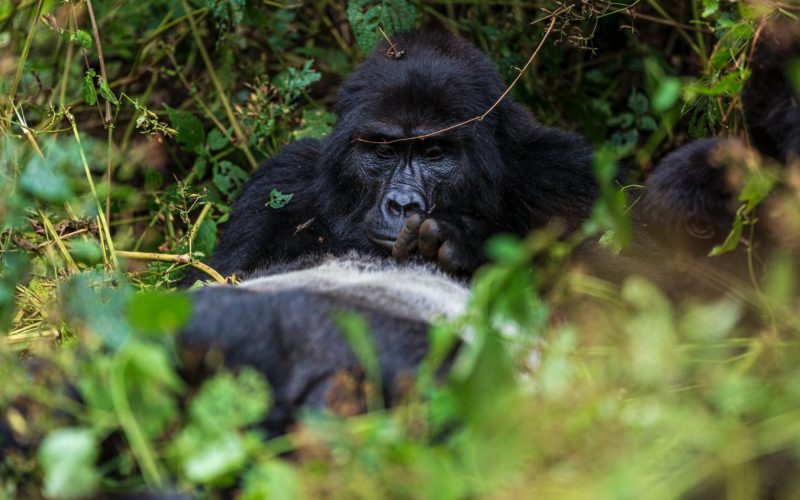
For travelers building a longer, multi-country East Africa journey, Kidepo also combines naturally with cross-border extensions into Rwanda or Kenya. Our combined multi-country safaris frequently link a Kidepo bush camping stay with gorilla trekking in Rwanda’s Volcanoes National Park, wildlife viewing in Akagera National Park, or an extension into Kenya’s Maasai Mara National Reserve and Amboseli National Park for classic Big Five game viewing beneath Kilimanjaro.
Two sample itineraries our guests have found particularly effective for combining Kidepo with the wider region are our Maasai Mara, Rwanda gorillas, and Victoria Falls safari and our 11-day luxury Rwanda gorilla, chimp, and Akagera safari, both of which our team can adapt to include a Kidepo extension. Travelers with more time occasionally extend even further, combining Uganda and Rwanda with a Tanzania finale. Our 16-day Rwanda, Tanzania, and Zanzibar safari is a popular template for this kind of grand East Africa journey.
If you would rather stay within Uganda, Kidepo pairs naturally with lodges closer to the primate-trekking circuit in the country’s southwest, such as Mount Gahinga Lodge near the Virunga volcanoes or Kyambura Gorge Lodge on the edge of Queen Elizabeth National Park’s chimpanzee-trekking grounds. For a Nile-side stay en route, Lemala Wildwaters Lodge on the Nile near Jinja is a favorite among guests who want a few days of adventure activity white-water rafting, fishing, birding bridging the gap between Kidepo and the primate parks of the southwest.
For guests coming from further afield, we also regularly build Kidepo into broader multi-country East African journeys that include our core Luxury Rwanda Safaris and Luxury Kenya Safaris collections, or as an add-on to a classic Tanzania circuit through the Serengeti and the Great Wildebeest Migration. Speak with our team about combining Kidepo with a Kilimanjaro trekking expedition or a hot air balloon safari over the Serengeti if you are weaving Uganda into a longer, multi-destination East Africa itinerary.
Not Sure How Kidepo Fits Into Your Itinerary?
Whether you want Kidepo as a standalone escape or woven into a longer Uganda, Rwanda, or Tanzania journey, our tailor-made planning process starts with a conversation about what you want out of the trip.
What Should You Pack for a Luxury Bush Camping Safari in Kidepo?
Packing for Kidepo follows the same broad principles as any East African safari, with a few adjustments for the park’s hotter, drier climate and the light-aircraft baggage restrictions most guests will fly under.
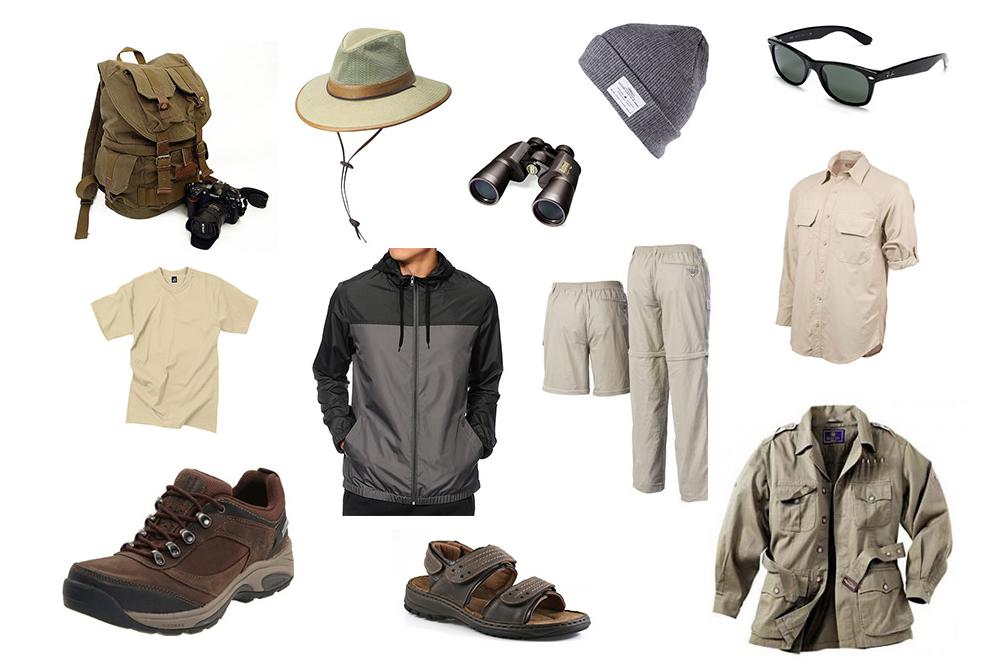
- Neutral-colored safari clothing in khaki, olive, and sand tones for game drives; avoid bright colors and pure white
- A warm layer for early mornings pre-dawn game drives can be surprisingly cool despite Kidepo’s hot daytime climate
- Sun protection: a wide-brimmed hat, high-SPF sunscreen, and UV-protective sunglasses for the intense equatorial sun
- Comfortable, closed walking shoes for guided nature walks and uneven bush terrain
- A good pair of binoculars is essential for spotting Kidepo’s dry-country specialist wildlife and birdlife at a distance
- Before travel, discuss insect repellent and appropriate anti-malarial precautions with your doctor.
- A soft-sided duffel bag or hard-shell suitcase is usually not accepted on light aircraft to Kidepo’s airstrip.
- A camera with a versatile zoom lens Kidepo’s open landscapes reward both wide scenic shots and closer wildlife photography
Is Luxury Bush Camping in Kidepo Safe?
Luxury bush camping in Kidepo is safe when arranged through an established operator with experienced local guides, armed ranger escorts for walking activities, and camps positioned according to current wildlife and security guidance from the Uganda Wildlife Authority. Kidepo’s remoteness, the very quality that makes it so exclusive, is best navigated with a tour operator who has on-the-ground relationships in the region, rather than as an independent or self-drive trip.
Every Luxury Safaris Tanzania itinerary includes ATOL protection, expert local guiding, and 24/7 support throughout your trip. We stay in direct contact with camp operators and local authorities on conditions in the Karamoja region, and we brief every guest thoroughly ahead of travel on what to expect, what to pack, and how the days will run. If you need any clarification about current conditions in the park, our FAQs guide covers many of the practical questions guests ask before travelling, or you can reach our team directly.
Why Book Your Kidepo Safari With Luxury Safaris Tanzania?
Luxury Safaris Tanzania has spent 15+ years designing private, tailor-made safaris across Tanzania, Uganda, Rwanda, and Kenya for more than 10,000 travelers, and Kidepo is one of the destinations we are most passionate about recommending to guests who want to go beyond the classic southern-circuit safari. Every itinerary we build is fully bespoke, with no fixed departure dates, no shared group vehicles, and backed by ATOL protection for complete financial peace of mind.
- Expert-led planning: Our guides and consultants have first-hand knowledge of Kidepo’s camps, seasons, and logistics.
- Tailor-made itineraries for every trip are built around your dates, pace, and interests, not a fixed template.
- Private, exclusive-use experiences from your camp to your guide; nothing about your Kidepo safari is shared with strangers
- ATOL-protected bookings: your trip is financially protected from the moment you book.
- Seamless multi-country planning: we combine Kidepo with Uganda, Rwanda, Kenya, and Tanzania into one coherent, beautifully paced journey
Browse our travel journal for more first-hand stories and destination guides from across East Africa, or explore our full range of Uganda and Tanzania safaris and safari planning resources. When you are ready to start building your own luxury bush camping safari in Kidepo, our team is one message away.
Begin Your Luxury Bush Camping Safari in Kidepo
Tell us your travel dates and interests, and we’ll design a private, tailor-made Kidepo itinerary with 15+ years of East Africa expertise behind every detail.