How difficult is gorilla trekking in Volcanoes National Park?
Gorilla trekking at Volcanoes National Park ranges from moderate to strenuous, depending on the location of the habituated group on the day of your trek. Treks can last anywhere from 30 minutes to five hours of hiking at altitudes between 2,400 and 3,200 metres. The terrain is steep in places, roots and vegetation make the ground uneven, and altitude can cause mild breathlessness even in fit hikers. That said, the slowest member of your group sets the pace, and park rangers support visitors of varying fitness levels with their experience. We recommend regular cardiovascular exercise in the weeks before departure and consultation with your doctor if you have heart, lung, or joint conditions.
How much does a Rwanda gorilla permit cost, and how far in advance must I book?
A permit for trekking Rwanda’s mountain gorillas costs USD 1,500 per person per trek, as set by the Rwanda Development Board. This fee directly funds national park conservation, ranger salaries, and community benefit programs. Permits are limited to eight people per habituated gorilla family per day, and with ten habituated groups in Volcanoes National Park, the total daily capacity is capped at 80 visitors. During peak season (June–September), permits sell out 12–18 months in advance. We secure your permits at the time of booking confirmation, so early planning is essential for this itinerary.
What is the best time for chimpanzee trekking in Nyungwe Forest?
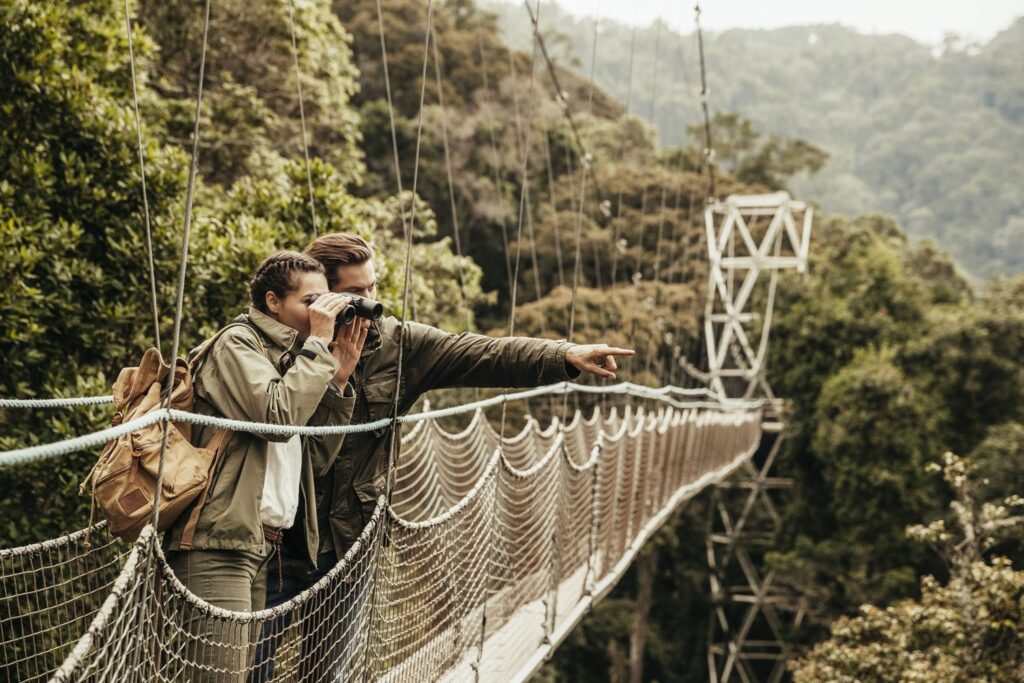
Chimpanzee trekking in Nyungwe Forest is possible year-round, but the dry season months of June through September and December through February offer the best conditions: drier forest trails, easier tracking, and better sightings as the chimps spend more time in fruiting trees rather than ranging widely for food. During the rainy season, chimps are often found in lower elevations feeding on ground-level vegetation, which can make locating them easier but the trek physically more demanding. By 2010, researchers had fully habituated Nyungwe’s Cyamudongo community, which can be visited daily with permits costing approximately USD 100–150 per person.
What big game does Akagera National Park have?
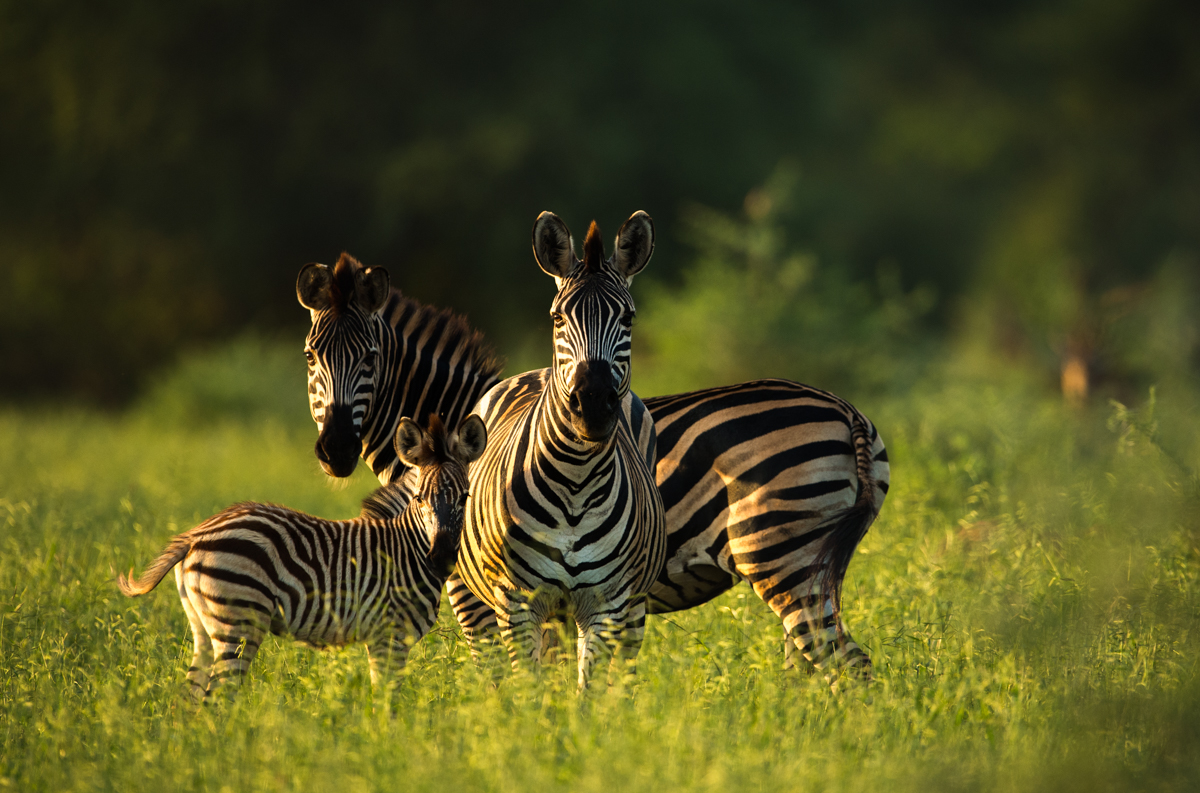
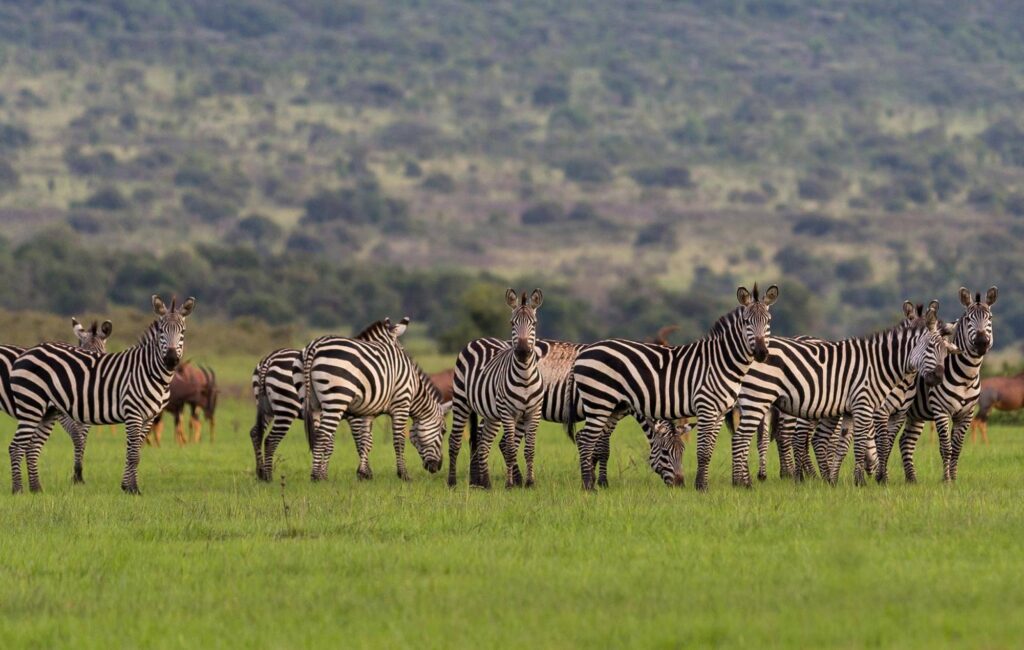
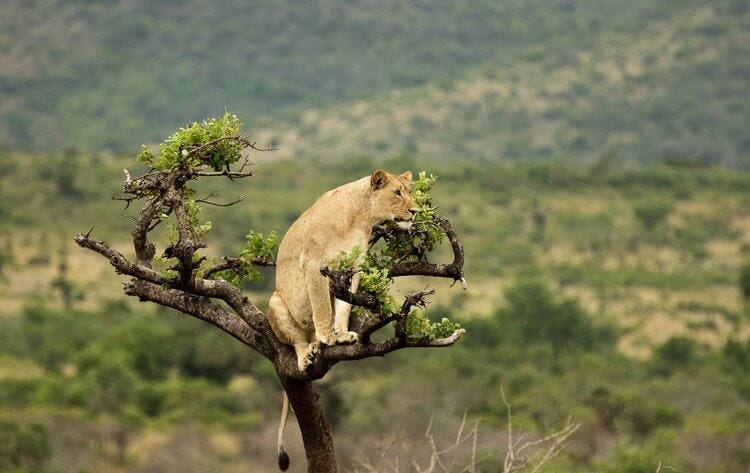
Akagera National Park is home to Rwanda’s Big Five: lion, elephant, buffalo, leopard, and Eastern black rhino, following the successful reintroductions of lions in 2015 and rhinos in 2017. The park also hosts large populations of hippopotamus, Nile crocodile, Burchell’s zebra, giraffe (Rothschild’s subspecies), topi, impala, oribi, reedbuck, and waterbuck. Akagera’s 480-plus bird species include the shoebill stork, African fish eagle, and 22 species of heron. Leopards remain the most elusive of the Big Five, typically nocturnal and rarely observed during daylight game drives, though sightings do occur.
Can I combine this Rwanda itinerary with a Tanzania safari?
Absolutely, and we specialize in exactly this kind of multi-country combination. Rwanda’s Kigali International Airport connects directly to Kilimanjaro International Airport (JRO), Julius Nyerere International Airport in Dar es Salaam (DAR), and Nairobi (NBO) for onward connections to Tanzania’s northern or southern circuits. A popular extension pairs this 11-day Rwanda itinerary with five to seven nights in the Serengeti or Nyerere National Park, creating a complete East African safari that moves from remarkable apes to the Great Migration. Visit our combined African safaris page for inspiration, or speak directly with our team.
Is Rwanda safe for tourists?
Rwanda is consistently ranked among the safest countries in Africa for international visitors. Kigali regularly tops African city safety indices; violent crime against tourists is extremely rare, and the country’s political stability since 2000 has created an environment of consistent rule of law and effective police presence. The national parks are managed to international conservation standards, and all guide and ranger staff working with foreign visitors are vetted, trained, and government-certified. Standard travel precautions safeguarding valuables, using licensed guides, and following lodge and ranger instructions in the parks apply as they would anywhere.
What should I wear for gorilla trekking?
Long-sleeved shirts and long trousers in neutral colors (khaki, olive, brown, or grey) are mandatory for gorilla trekking, and wearing camouflage clothing is prohibited near all Rwandan national parks. Sturdy waterproof hiking boots with ankle support are essential; the Virunga forest floor is wet, root-covered, and uneven regardless of season. Garden gloves protect your hands from stinging nettles and thorny vegetation when you use plants for balance on steep sections. Wear gaiters over your boots to keep leeches and biting ants out in wetter months. A lightweight waterproof jacket is recommended even in the dry season, as the forest generates its microclimate.
How many mountain gorillas are left in the world?
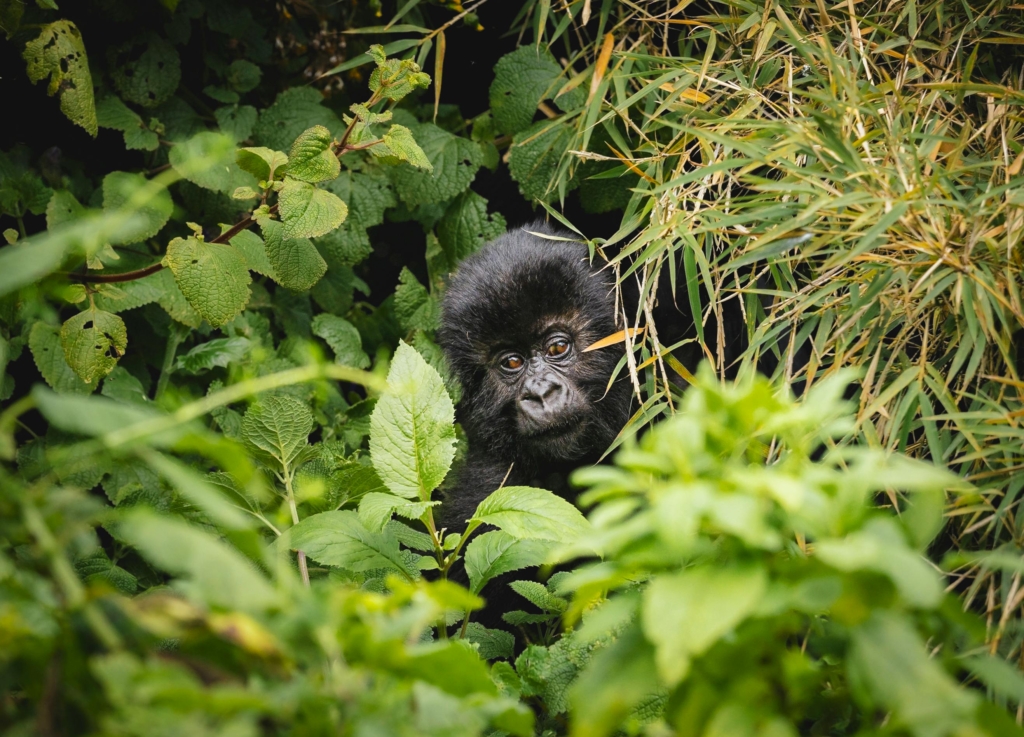
According to the most recent census data (2018) compiled jointly by the Dian Fossey Gorilla Fund International and the IUCN, the global mountain gorilla population stands at approximately 1,063 individuals, making them one of the few great ape subspecies whose numbers are actually increasing, thanks to decades of intensive conservation work in Rwanda, Uganda, and the Democratic Republic of Congo. Of this population, approximately 604 individuals live in the Bwindi Impenetrable Forest in Uganda, and approximately 459 inhabit the Virunga Massif, shared between Rwanda, Uganda, and the DRC. Mountain gorillas (Gorilla beringei beringei) are classified as Endangered on the IUCN Red List.
How long does the drive from Akagera to Kigali take?
The drive from Akagera National Park’s southern gate to Kigali International Airport covers approximately 115 kilometers and takes two to three hours depending on traffic and road conditions. The road passes through the towns of Kayonza and Rwamagana and is fully tarmacked, making for a comfortable if scenic final leg. Your lodge will arrange your departure transfer to connect with your international flight. We recommend allowing a minimum of four hours between departing Akagera’s camp and your international flight departure time to account for any delays.
What is the difference between visiting gorillas in Rwanda vs. Uganda?
Both Rwanda’s Volcanoes National Park and Uganda’s Bwindi Impenetrable Forest offer extraordinary gorilla trekking experiences, but the two differ significantly in character. Rwanda’s permit costs USD 1,500 per person (compared to USD 700 in Uganda), but the Volcanoes National Park gorilla families are considered among the most thoroughly habituated in the world, treks are generally shorter, and the accessibility of Kigali makes Rwanda logistically simpler. Uganda’s Bwindi forest offers a wilder, more physically demanding experience with more diverse landscapes and is often combined with a savannah safari in Queen Elizabeth National Park or Murchison Falls. Our team can help you decide between the two or combine both, as we do on several of our multi-country primate safari itineraries. Visit our Bwindi gorilla trekking page for a detailed comparison.
What makes Magashi Camp at Akagera different from other Akagera lodges?
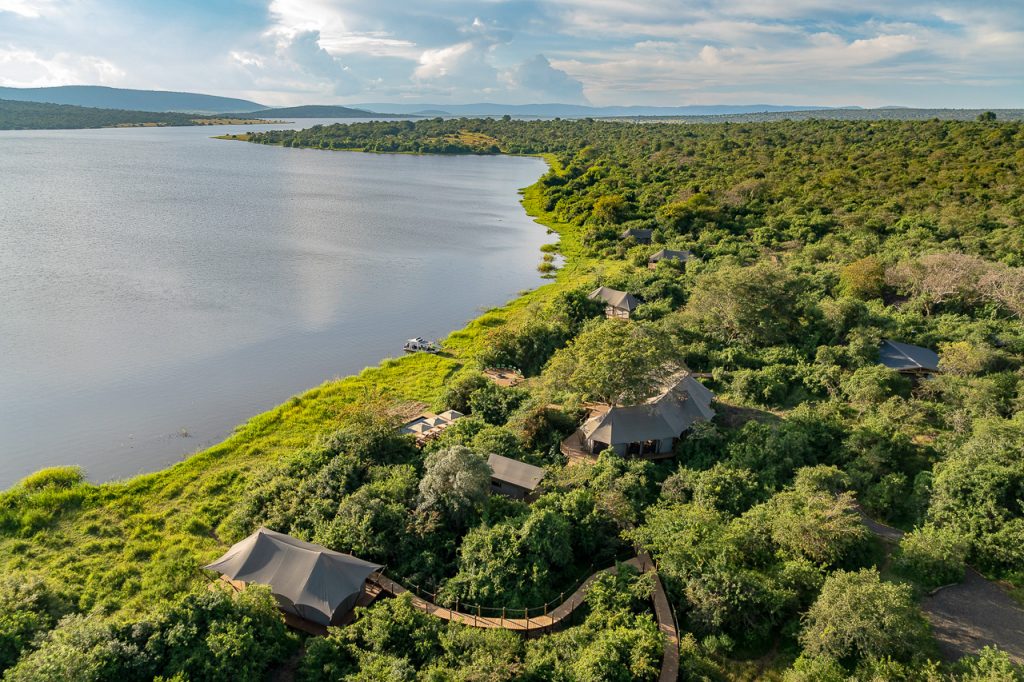
Magashi Camp by Wilderness Safaris is the only lodge in the far northern section of Akagera National Park, a wildlife-dense area that is effectively a private concession accessible only to Magashi guests. This northern sector contains the park’s densest concentrations of lion activity, the most reliable elephant sightings, and the only private boat access to Lake Rwanyakazinga. While the park’s other accommodation option, Ruzizi Tented Lodge, offers an excellent mid-range experience, Magashi delivers ultra-luxury tented accommodation, a private vehicle for each guest group, and the highest staff-to-guest ratio in the park. Wilderness Safaris also co-manages Akagera’s lion and rhino monitoring programs, giving Magashi guests privileged access to real-time wildlife data.
Do I need a yellow fever vaccination for Rwanda?
A yellow fever vaccination certificate is mandatory for entry into Rwanda if you are arriving from a country where yellow fever is endemic, including most sub-Saharan African countries and several South American nations. If you are traveling directly from the UK, USA, Europe, or any non-endemic country, a yellow fever certificate is not legally required. Malaria prophylaxis is strongly recommended throughout Rwanda, including Kigali. Rwanda’s altitude at Volcanoes National Park and Nyungwe Forest (1,800–3,000 metres) significantly reduces malaria risk in those specific park zones compared to lowland areas, but Kigali and Akagera remain in malaria-risk zones, and prevention medication is advisable.
This itinerary is as rare as the animals it showcases, a seamlessly orchestrated journey through three of Rwanda’s most spectacular ecosystems at three of Africa’s finest lodges, with the kind of access and exclusivity that money alone cannot buy without expert planning. Booking is straightforward: submit an inquiry through our contact page, and within 24 hours our Rwanda specialist will reach out for a personal consultation. We then build a custom proposal tailored to your dates, group size, interests, and any extensions you have in mind and present it with full costings and lodge availability. A deposit of 25 percent secures your permits, lodge reservations, and charter flights, with the balance due 60 days before departure.
This 11-day itinerary can be extended with additional nights at any lodge, shortened for travelers with limited time (a focused 7-day gorilla and Akagera combination is particularly popular), or combined with a Tanzania safari, a Zanzibar beach extension, or a Maasai Mara migration experience to create a comprehensive East African journey. Explore our combined African safaris page for multi-country ideas, or browse our shorter Rwanda gorilla and golden monkey trek if time is the primary constraint. Whatever shape your Rwanda adventure takes, our team is ready to make it the most extraordinary journey of your life.