
Best Time to Visit Lake Manyara National Park: Full 2026 Guide
Working out the best time to visit Lake Manyara National Park is a genuinely different exercise than timing a visit to the Serengeti or Ngorongoro Conservation Area because this compact Rift Valley park essentially runs on two calendars at once: one for game density and an almost opposite one for scenery, birding, and its unusual seasonal canoeing. Over more than 15 years of building tailor-made itineraries across Tanzania, we’ve learned that most travelers who ask us this question haven’t yet decided which of those two experiences they actually want, so this guide breaks down exactly when to visit depending on what you’re chasing.
The best overall time to visit Lake Manyara National Park is during the dry season from June to October, when wildlife, including the park’s famous tree-climbing lions and its dense elephant herds, concentrates predictably around the lakeshore and groundwater forest, and road conditions are at their best. The wet season from November to May is better for birdwatching and scenery, since more than 400 recorded bird species are most active during this period, migratory flocks arrive, the escarpment cascades with seasonal waterfalls, and canoeing on the lake, unusually, is only possible when water levels rise during these wetter months. For most first-time visitors combining Lake Manyara with the Serengeti and Ngorongoro Crater, the June-to-October dry season remains the most practical choice.
Quick Facts: Lake Manyara National Park Seasons
| Park size | Approximately 330 km² (127 square miles), roughly two-thirds of which is the lake itself |
| Location | Northern Tanzania, at the base of the Great Rift Valley escarpment, between Arusha and Ngorongoro |
| Distance from Arusha | Approximately 125–126 km, about 2 to 2.5 hours by road |
| Distance from Kilimanjaro Airport | Approximately 180 km |
| Closest town | Mto wa Mbu |
| Best overall time to visit | June to October (dry season) for game viewing and tree-climbing lion sightings |
| Best time for birding | November to May (wet season), when over 400 species are most active |
| Best time for canoeing | Wet season only, when the lake’s water level rises enough to permit boat access |
| Known for | Tree-climbing lions, dense elephant herds, 400+ bird species, and dramatic Rift Valley escarpment views |
Why Timing Matters Differently in Lake Manyara Than Almost Anywhere Else
Most Tanzanian parks follow a single, straightforward rule: visit in the dry season for the best wildlife viewing. Lake Manyara complicates that rule in one genuinely unusual way: canoeing on the lake itself is only possible during the wet season, when rising water levels make the shoreline navigable, whereas in most of Tanzania’s parks, water-based activities peak during the dry season as animals concentrate around shrinking water sources.

This means Lake Manyara essentially offers two distinct trips depending on when you go: a wildlife-dense, dry-ground safari from June to October, or a lush, birdlife-rich, occasionally rain-interrupted experience from November to May that adds canoeing and dramatically greener scenery to the mix. Neither season is objectively better; the right one depends entirely on what you personally value most, and our guides know exactly which questions to ask to help you decide.
Not sure which season fits your priorities? Let’s talk through your Lake Manyara timing.
Dry Season (June to October): Best Overall Time to Visit Lake Manyara
The dry season from June through October is the best overall time to visit Lake Manyara National Park because falling water levels elsewhere in the park concentrate elephants, buffalo, and the park’s legendary tree-climbing lions predictably around the lakeshore, the groundwater forest, and the acacia woodland belt, where these lions favor low, horizontal branches. Roads are firm and dust-free during this period, and the park’s compact game-drive circuit, which can be comfortably covered in three to four hours, delivers consistently high sighting rates without the mud-related delays common in the wetter months.
This window also aligns with peak dry-season travel across the rest of the northern circuit, making it the natural choice for travelers combining Lake Manyara with Tarangire National Park’s elephant herds, the Ngorongoro Crater’s Big Five density, and the Serengeti’s share of the Great Wildebeest Migration. The tradeoff is that canoeing is unavailable during these months, since the lake’s water level drops too low for safe boat access, and accommodation rates across the region peak alongside demand.
Green Season (November to May): Best Time for Birding, Scenery, and Canoeing

The wet season from November to May is the best time to visit Lake Manyara National Park for birdwatching, dramatic scenery, and the park’s seasonal canoeing activity, even though wildlife sightings become somewhat less concentrated than during the dry months. Migratory bird species arrive in large numbers during this period, the Rift Valley escarpment behind the park cascades with temporary waterfalls fed by the rains, and the landscape turns a vivid, photogenic green that contrasts sharply with the dry season’s dust and pale grass.
November to December: Short Rains
The short rains typically bring intermittent afternoon or evening thunderstorms alongside hot, humid daytime temperatures that can reach approximately 35°C (95°F). Game viewing remains genuinely productive during this period despite the rain, since storms are usually brief and localized rather than continuous, though we recommend packing plenty of insect repellent and being prepared for occasional muddy detours on the park’s minor tracks.
January to February: Short Dry Spell
A brief drier window typically falls between the short and long rains, offering a useful compromise for travelers who want better road conditions than the peak wet season without committing to the higher prices and crowds of the June-to-October window. This period pairs particularly well with a Ngorongoro Crater and Serengeti itinerary, since the southern Serengeti’s wildebeest calving season also peaks during these same months.
March to May: Long Rains, Best Birding, and Lowest Prices
The long rains bring the heaviest rainfall of the year, particularly through April and May, and while some park roads become considerably muddier, this period rewards patient travelers with the richest birding of the year, including large gatherings of red-billed quelea in vivid breeding plumage, alongside migratory storks, pelicans, spoonbills, and cormorants gathering in the lake’s nutrient-rich shallows. Accommodation rates typically hit their lowest point of the year during this window, since overall visitor numbers drop across the entire northern circuit.
| Planning around the migration, calving season, or a specific Lake Manyara activity? |
Best Time to See Lake Manyara’s Tree-Climbing Lions
The dry season from June to October offers the best odds of spotting Lake Manyara’s famous tree-climbing lions, since these cats favor the shade of low acacia branches as daytime temperatures rise and the surrounding grass thins out, making them easier to spot from the road. This unusual climbing behavior is found in only two lion populations anywhere in the world, here in Lake Manyara and in the Ishasha sector of Uganda’s Queen Elizabeth National Park, making a sighting here a genuinely rare wildlife encounter rather than a common one.

Sightings are never guaranteed in any season, since the behavior is thought to relate to escaping biting insects and daytime heat rather than a fixed daily habit, but our guides know the specific acacia groves along the park’s central circuit where sightings are most frequently reported, and morning game drives, when the park sees noticeably fewer vehicles than the more popular afternoon slot, generally offer better odds than an afternoon visit alone.
Best Time for Birdwatching in Lake Manyara National Park
The wet season, and particularly the March-to-May long rains, is the best time for birdwatching in Lake Manyara National Park, since the park’s more than 400 recorded bird species are most active during this window, with migratory and breeding species supplementing the resident population. Even a first-time visitor can reasonably expect to observe around 100 species in a single day here, a remarkable count for a park just 330 km² in size.
Large flocks of pink flamingos and pelicans gather on the lake’s alkaline shallows throughout the year, though numbers swell noticeably during the wetter months, alongside egrets, spoonbills, storks, and the vivid red-billed quelea in breeding plumage. The forest interior adds crowned eagles, silvery-cheeked hornbills, and Schalow’s turaco, species rarely seen in the open-plains parks further north, making Lake Manyara a genuinely different birding environment from the Serengeti or Ngorongoro.
Best Time for Canoeing on Lake Manyara
Canoeing on Lake Manyara is only possible during the wet season, when rising water levels make the shallow, alkaline lake navigable by boat, a genuinely unusual seasonal pattern compared to most of Tanzania’s water-based safari activities. During the June-to-October dry season, the lake’s water level typically drops too low for safe canoe access, so this activity is unavailable regardless of demand.
Travelers specifically interested in canoeing should plan their Lake Manyara visit for the wetter months and confirm current water levels with our team before finalizing dates, since exact conditions vary year to year depending on that season’s rainfall. This activity pairs naturally with the park’s birdwatching highlights, since much of the same wet-season bird activity is visible directly from the water.
Lake Manyara Month-by-Month Weather and Wildlife Calendar
The table below summarizes typical conditions across the year; exact rainfall and temperatures vary annually, so we recommend confirming current conditions with our team when finalizing your travel dates.
| Months | Conditions | Best For |
| June – October | Dry, dusty, firm roads, cooler evenings | Game viewing, tree-climbing lions, elephant herds |
| November – December | Short rains, hot and humid, brief afternoon storms | Good game viewing with fewer crowds |
| January – February | Short dry spell between rains | Balanced game viewing and moderate pricing |
| March – May | Long rains, heaviest rainfall, lush landscape | Birdwatching, canoeing, lowest prices |
How to Decide When to Visit Lake Manyara National Park
Deciding when to visit Lake Manyara comes down to four questions: what you most want to experience, whether you’re combining it with other parks, how sensitive you are to crowds and pricing, and how much flexibility your schedule allows. Working through these in order gives you a clear answer in a few minutes.
Step 1: Decide Between Game Density and Birding/Scenery
If your priority is dense wildlife sightings and the best odds of spotting tree-climbing lions, choose the June-to-October dry season. If birding, lush scenery, and canoeing matter more, choose the November-to-May wet season, ideally March to May for the richest birdlife.
Step 2: Check What Else Is on Your Itinerary
If you’re combining Lake Manyara with the Serengeti’s Great Migration or Ngorongoro Crater, let those destinations’ own seasonal patterns guide your overall trip dates, then treat your Lake Manyara stop as a flexible add-on within that window rather than the deciding factor.
Step 3: Weigh Crowds and Pricing
The June-to-October peak season brings the highest accommodation rates and the most vehicles on the park’s compact circuit; the January-to-February short dry spell and the April-to-May long rains offer noticeably lower prices and fewer fellow travelers, at the cost of some game-viewing consistency.
Step 4: Confirm With a Specialist Before Booking
Because Lake Manyara’s canoeing availability and exact rainfall timing shift somewhat year to year, we recommend confirming current conditions with our team before locking in your travel dates, particularly if a specific activity like canoeing or birding is central to your plans.
Getting to Lake Manyara National Park
Most travelers reach Lake Manyara by road as part of a wider northern circuit itinerary, since the park sits directly along the main tarred route connecting Arusha to the Serengeti and Ngorongoro Crater. This overland approach works well in any season, though allow slightly more time during the April-to-May long rains when minor sections of road can slow travel.
By Road
From Arusha, Lake Manyara is approximately 125 to 126 km away, reachable in roughly 2 to 2.5 hours via a tarred road through the town of Mto wa Mbu, the park’s closest settlement and gateway. This makes it one of the most accessible parks on the entire northern circuit, requiring no unpaved or seasonal-only roads to reach the main entrance gate.
By Air
Travelers flying internationally typically land at Kilimanjaro International Airport, roughly 180 km from the park, before continuing by road or connecting to a domestic flight into Arusha Airport. Charter flights also connect Lake Manyara’s own airstrip directly to the Serengeti or Arusha, landing approximately 16 km from the park gate, a convenient option for travelers building a fly-in itinerary who want to minimize road transfer time between parks.
Best Time for Photography at Lake Manyara
The dry season’s clearer skies and firmer light generally favor classic wildlife photography, particularly for capturing tree-climbing lions against the texture of acacia bark or elephant herds silhouetted against the pale, sun-bleached lakeshore. Early morning game drives offer the softest light and the best odds of catching wildlife still active before the day’s heat sets in, a pattern true across nearly every East African park.
The wet season rewards a different kind of photography entirely: dramatic storm-lit skies over the Rift Valley escarpment, mist rising off the forest canopy, and the vivid pink and amber breeding plumage of thousands of red-billed quelea moving as a single shifting flock. Photographers focused specifically on birdlife should prioritize the March-to-May window, while those chasing classic golden-light game photography should stick to the June-to-October dry season.
Combining Lake Manyara’s Timing With the Rest of Your Northern Circuit Safari
Lake Manyara sits directly along the main road between Arusha and both the Ngorongoro Conservation Area and the Serengeti National Park, making it a natural one-to-two-night stop rather than a standalone destination for most itineraries. Because of this position, most travelers let their Serengeti or Ngorongoro timing drive the overall trip dates, then simply slot Lake Manyara in along the way, regardless of exact season, since the park rewards a visit at almost any time of year.
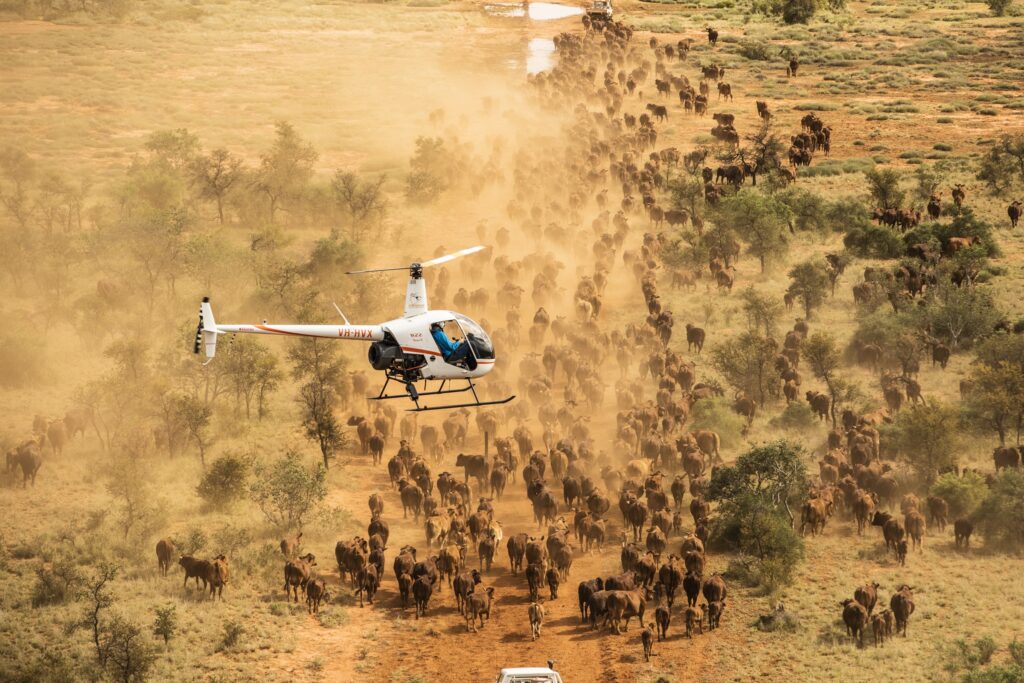
Travelers timing their trip around the Great Wildebeest Migration’s dramatic river crossings, which peak roughly June through July and again October through November, will naturally pass through Lake Manyara during the dry season. Those timing their visit around the southern Serengeti’s wildebeest calving season, which peaks January through March, will instead experience Lake Manyara’s short dry spell or early long-rain window. Ready-made itineraries that build in this exact routing include our 3-Day Tarangire, Lake Manyara and Ngorongoro Safari, our 10-Day Northern Tanzania Exclusive Safari, and our 8-Day Wildebeest Migration River Crossing Safari.
| Ready to lock in your Lake Manyara dates as part of a full northern circuit itinerary? |
Lake Manyara vs. Tarangire: Does Timing Change Which Park You Should Choose?
Timing does shift the comparison somewhat: Tarangire National Park is unambiguously at its best during the June-to-October dry season, when its elephant herds concentrate along the Tarangire River, while Lake Manyara offers genuinely compelling reasons to visit in both seasons: dense wildlife in the dry months and rich birdlife and canoeing in the wet ones. For a deeper side-by-side comparison of wildlife density, size, and activities between the two parks, see our dedicated guide to Lake Manyara vs. Tarangire, which breaks down exactly when each park plays to its strengths.
Where to Stay in Lake Manyara Based on When You Visit
Properties inside the park boundary, such as andBeyond Lake Manyara Tree Lodge, set among mahogany forest on the park’s southern edge, offer the most immersive experience regardless of season, with night game drives and birdwatching available directly from the property. Escarpment-top lodges just outside the park boundary offer sweeping Rift Valley views that are arguably at their most dramatic during the wet season, when the valley floor turns a vivid green and seasonal waterfalls become visible from lodge terraces.
Whichever season you choose, we recommend booking your Lake Manyara accommodation four to six months ahead for June-to-October dry season travel, when demand across the entire northern circuit peaks simultaneously, and being similarly proactive around the December and Easter holiday periods even though these fall outside the core dry season.
Visiting Maji Moto Hot Springs: A Year-Round Add-On
The Maji Moto hot springs in the park’s southern section are one of the few Lake Manyara attractions genuinely unaffected by season, since the springs are heated by underground volcanic activity linked to the Great Rift Valley rather than surface weather. Water temperatures reach approximately 60°C where the springs emerge, cooling as they spread across sulfur-streaked rocks toward the lake, and many guests use the cooler pools for a genuinely memorable picnic stop, some even boiling eggs in the hottest sections as a novelty.
Access to Maji Moto is easiest during the dry season, when the approach roads are firm, though the springs remain reachable in the wet season with a bit more care on the final stretch. We generally recommend building in an hour at the springs as an add-on to a full-day game drive, rather than a standalone excursion, since the wildlife along the route there is often as rewarding as the springs themselves.
What to Pack for Lake Manyara, Based on Season
For a dry-season visit between June and October, pack lightweight, neutral-colored clothing, a warm layer for cool early mornings, and strong sun protection given the intensity of equatorial sunlight reflecting off the lake’s pale shoreline. For a wet-season visit between November and May, add a lightweight rain jacket, waterproof footwear or sandals for muddy sections, and generous insect repellent, particularly during the humid November-to-December short rains when biting insects are at their most active.
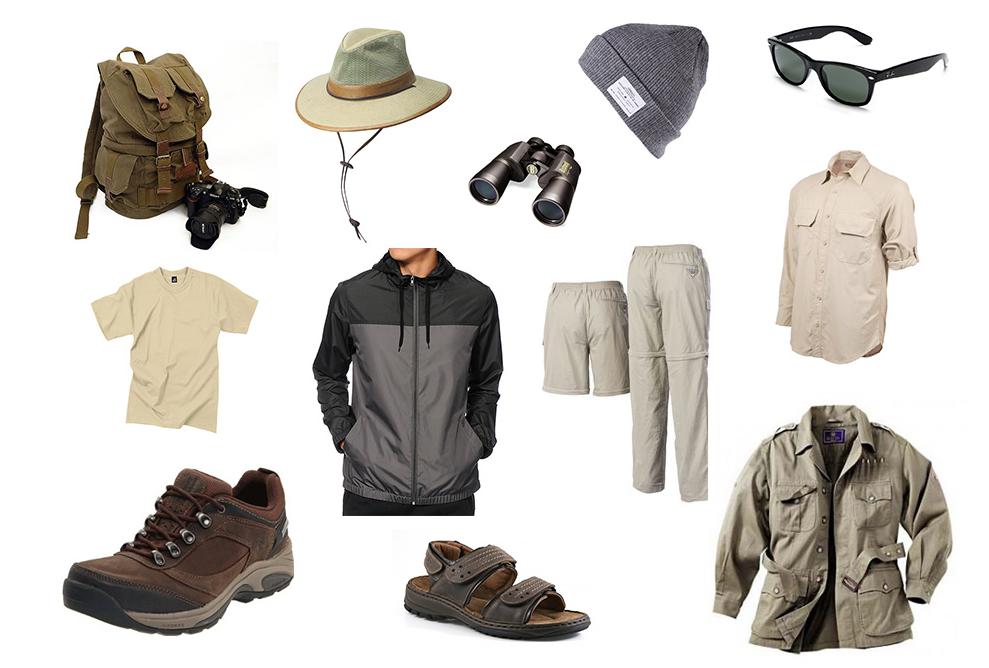
Birders visiting specifically for the wet season’s migratory activity should prioritize quality binoculars and a longer camera lens over general safari gear, since much of Lake Manyara’s richest birding happens at some distance across the lake’s shallow, open shoreline.
Best Time to Visit Lake Manyara by Traveler Type
For Couples and Honeymooners
Couples generally get the most romantic experience during the dry season, when clear evenings at an escarpment-top lodge or a forest-set property like andBeyond Lake Manyara Tree Lodge deliver reliably beautiful sundowners over the Rift Valley. Wet-season honeymooners, however, often find the lush, near-empty park and dramatic storm-lit skies just as memorable, at a noticeably lower cost.
For Families
Families generally do best visiting during the June-to-October dry season, when firmer roads mean shorter, more comfortable game drives, and the higher wildlife density keeps younger travelers engaged without long stretches between sightings. The park’s compact circuit, coverable in half a day, also suits families juggling shorter attention spans better than a full-day drive in a larger park.
For First-Time Visitors
First-timers combining Lake Manyara with the Serengeti and Ngorongoro Crater should generally let those two destinations set the travel dates, since both reward dry-season timing most clearly, and then treat Lake Manyara as a flexible, easy stop along the route regardless of the exact month.
For Repeat Africa Travelers
Guests who have already experienced Lake Manyara’s dry season, or Tanzania’s northern circuit more broadly, often find a wet-season return visit genuinely revelatory, since the canoeing, dense birdlife, and near-empty park circuit offer a meaningfully different experience from a standard dry-season game drive.