
Fly-in Flying Safaris Tanzania
A fly-in flying safari in Tanzania is a safari in which you travel between parks and camps by light aircraft rather than by road, landing on bush airstrips a short drive from your lodge. Flights usually last between 45 minutes and two hours and replace overland transfers of six to ten hours. The result is more time on game drives, far less fatigue, and access to remote wilderness such as Ruaha, Nyerere, and the northern Serengeti.
There is a moment on every fly-in safari that our guests remember long after the trip is over. The Cessna Caravan banks gently over the Great Rift Valley, the engine note drops, and the Serengeti plains open beneath the wing: a ribbon of river, a scatter of kopjes, and a dark smudge of wildebeest that turns out to be tens of thousands of animals. Minutes later the wheels touch a dirt airstrip; your guide is standing beside a Land Cruiser with a flask of coffee, and the safari has already begun.
At Luxury Safaris Tanzania, we have designed private, tailor-made journeys across East Africa for more than 15 years, and we have watched the bush flight transform what a Tanzanian safari can be.
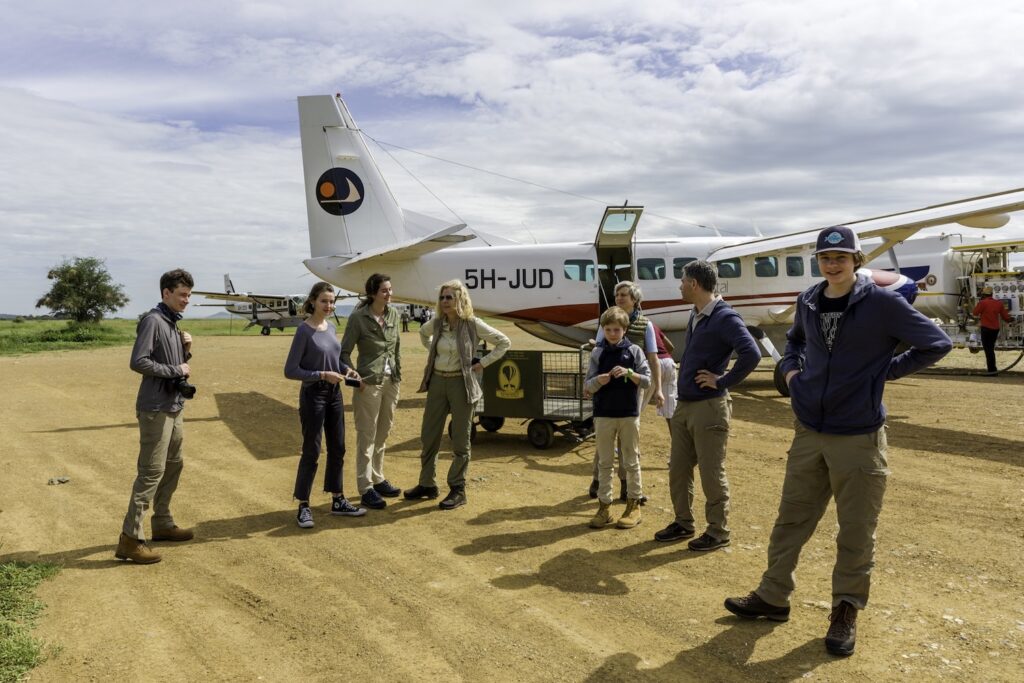
A fly-in flying safari uses scheduled or privately chartered light aircraft to link Tanzania’s national parks and game reserves, with a private guide and vehicle waiting at every airstrip. Instead of spending a full day on rough roads between the Serengeti and Ruaha, you travel in under two hours by air and begin game viewing the moment you land.
Tanzania is a vast country. The distance from Arusha, the gateway to the northern circuit, to Ruaha National Park in the south is roughly 1,000 kilometers as the crow flies and far longer by road. The northern Serengeti alone sits a long, dusty day’s drive from the Ngorongoro Highlands. A fly-in itinerary removes these distances from the equation. Your journey becomes a chain of short, scenic flights, each ending at a remote airstrip within minutes of an exclusive camp.
Fly-in Safari vs Overland Safari
The main difference is how you move between parks: a fly-in safari saves hours of road travel and lets you reach remote regions efficiently, while an overland safari offers a slower, more continuous view of the landscape and usually costs less. Many of our guests choose a hybrid, driving in the compact northern circuit and flying where distances are long.
| Factor | Fly-in flying safari | Overland safari |
| Travel between parks | 45 minutes to 2 hours by air | 4 to 10+ hours by road |
| Best for | Remote parks, tight schedules, maximum comfort | Compact circuits, gradual immersion |
| Luggage | Soft bags, typically 15 kg per person | Generous; hard cases possible |
| Access to southern & western parks | Practical and efficient | Long, demanding transfers |
| Typical cost | Higher (flights add to the price) | Lower |
| Scenic value | Aerial views of the Rift Valley, rivers, and herds | Ground-level landscapes and villages |
Why Choose a Fly-in Safari in Tanzania?
The top reasons to choose a fly-in safari are time saved, greater comfort, access to remote wilderness, and the flexibility to be in the right place at the right moment for wildlife. For travelers with limited holiday time, flying often turns a seven-night itinerary into the experience of a ten-night one.
You Reclaim Time for Wildlife
Most of our guests are balancing demanding careers and a long-haul flight from New York, London, Frankfurt, or Sydney. Spending a full day in a vehicle transferring between parks is a poor use of a precious holiday. A bush flight of 60 to 90 minutes puts you at your next camp in time for a late-afternoon game drive, which is when predators become active and the light turns golden. Over a week, the saving of one or two travel days is the difference between seeing a park and truly knowing it.
You arrive fresh.
Tanzania’s dry-season roads can be dusty and bone-shaking, particularly the long stretches between the Serengeti and other regions. Flying preserves your energy for the activities that matter: dawn drives, a bush breakfast, a walking safari, and a sundowner on a kopje. This option is especially valuable for older travelers, families with young children, and anyone recovering from jet lag.
You Reach Wilderness Few People See
Some of Africa’s finest game viewing lies far from the main circuits. You can reach Ruaha National Park and Nyerere National Park in the south, and Katavi and Mahale Mountains in the west, only by air. These parks receive a small fraction of the visitors who pass through the northern circuit, which means quiet game drives, walking safaris, and a genuine sense of solitude.
You Can Follow the Wildlife
Because aircraft are not bound by road conditions, fly-in itineraries can be rearranged when the herds move. If the wildebeest shift unexpectedly across the Serengeti, a flexible plan lets us reposition you quickly. This agility is central to our approach to Great Migration safaris, where timing and location can make the difference between watching a river crossing and arriving just after it.
You Experience Greater Privacy
Fly-in itineraries naturally pair with small, exclusive camps, private concessions, and exclusive-use villas. Many of these properties have fewer than a dozen tents or suites and do not accept road traffic from large operators.
Not sure whether to fly or drive between parks?
Our safari experts will compare both routes for your dates and budget, at no cost.
Talk to a Luxury Safaris Tanzania specialist.
How a Fly-in Safari Works, Step by Step
A typical fly-in safari follows a simple sequence: arrive at Kilimanjaro International Airport, transfer to Arusha, board a bush flight to your first airstrip, be met by your guide and begin a game drive, then repeat the pattern between camps until your final flight to Zanzibar or an international departure.
Step 1: Arrive in Northern Tanzania.
Most international guests land at Kilimanjaro International Airport (JRO), roughly 45 to 60 minutes from Arusha by road. We meet you at arrival, transfer you to a comfortable hotel or lodge near Arusha, and handle every detail of the first night. If you would rather start your safari immediately, we can arrange an early flight from Arusha Airport or Kilimanjaro on the next morning.
Step 2: Board Your First Bush Flight
Light aircraft, typically Cessna Caravans seating up to a dozen passengers, depart from Arusha Airport and Kilimanjaro for airstrips across the country. Flights are operated by experienced local carriers, such as Coastal Aviation and Auric Air, or by private charter operators when you want a dedicated aircraft. Your luggage is loaded by the crew, and the pilot briefs passengers before departure.
Step 3: Land and Meet Your Guide
Every airstrip is staffed by your camp or lodge. Your private guide, already briefed on your interests, meets the aircraft in a safari vehicle. Often, the transfer from the airstrip to the camp is a game drive in itself, taking between 15 and 45 minutes in the Serengeti, with stops for anything that appears along the way.
Step 4: Settle into Camp and Safari
At camp you are greeted, shown to your tent or suite, and given a briefing on the daily rhythm. A typical day includes an early-morning game drive, a late breakfast or bush breakfast, rest or a spa treatment, lunch, and an afternoon or evening drive that ends with sundowners.
Step 5: Fly Onward Between Regions
When it is time to move on, you return to the nearest airstrip, often with a final game drive on the way. The same process repeats, with one flight and one new guide and camp team at each stage, until you complete the itinerary.
Step 6: Depart or Extend
A final flight returns you to Arusha for international connections, or continues to Zanzibar for a beach finish. Our Zanzibar beach experiences seamlessly follow a bush safari, with a direct flight from the last airstrip whenever the schedule allows.
Where Do Fly-in Safaris Take You?
Fly-in safaris in Tanzania typically connect the Serengeti, Tarangire, and Ngorongoro Highlands in the north; Ruaha and Nyerere in the south; and Katavi and Mahale in the west and finish with the beaches of Zanzibar or Mafia Island. Each region has its own airstrip, wildlife, and best seasons.
The Serengeti: Three Landscapes, One Park
The Serengeti National Park covers around 14,750 square kilometers and is a UNESCO World Heritage Site. It is so large that road travel between its southern and northern sectors can eat up an entire day. Flying solves that problem. Key airstrips include:
- Seronera in the central Serengeti, close to resident lion prides, cheetah plains, and leopards in riverine acacias.
- Kogatende in the far north, the gateway to the Mara River crossings.
- Grumeti in the western corridor, where private concessions allow off-road driving and walking safaris.
- Ndutu and Lobo are also seasonally available, depending on the camps in use and the herd positions.
A fly-in plan can combine two or three of these sectors in a single trip, matching your travel dates to the migration.
Tarangire, Lake Manyara, and Ngorongoro
The northern circuit is compact enough to drive, but a short flight into Tarangire National Park saves time and is a graceful way to start. Tarangire is famed for its elephant herds and ancient baobabs, with the best viewing from June to October when animals gather along the Tarangire River. The Ngorongoro Conservation Area can be reached by air to the Lake Manyara airstrip, followed by a drive of roughly an hour and a half up the crater rim, or by road from the Serengeti on your way back. The crater itself, the world’s largest intact volcanic caldera, offers excellent chances of seeing black rhino, lion, and large-tusked elephants in a single morning.
Ruaha: Wild, Dry, and Remote
Ruaha National Park spans about 20,000 square kilometers of rugged bush, baobab-studded hills, and the Great Ruaha River. Dry-season game viewing is exceptional, with large lion prides, leopards, wild dogs, greater and lesser kudu, and big herds of elephants and buffalo. Because the journey by road from the north is long, flying is the sensible way to reach it. Camps such as Jabali Ridge by Asilia offer a refined base from which to explore.
Nyerere: Boats, Walking, and the Rufiji River
Nyerere National Park, the northern part of the former Selous Game Reserve, covers more than 30,000 square kilometers. It is one of the few places in Tanzania where you can combine game drives with boat safaris on the Rufiji River and guided walks, and it supports one of Africa’s important populations of African wild dogs. A fly-in from Dar es Salaam or Zanzibar takes under an hour to many camps, which is why Nyerere works so well as a short extension to a beach holiday. The Retreat Selous is a standout in this region, and our guide to the best time to visit the Selous Game Reserve will help you choose the right months.
Katavi and Mahale: The Western Frontier
For travelers who want to go further off the beaten track, western Tanzania is a revelation. Katavi National Park offers some of the densest concentrations of hippo, crocodile, and buffalo in Africa in the late dry season, while the forested slopes of the Mahale Mountains protect one of the largest wild chimpanzee communities in the world. Reaching either is realistic only by charter aircraft. Greystoke Mahale Camp sits on a beach on Lake Tanganyika and is among the most distinctive camps on the continent. If chimpanzees are your passion, our 7-day Tanzania wildlife and chimp trekking safari shows how these parks come together.
Zanzibar and Mafia Island
A bush-and-beach ending is one of the great pleasures of a fly-in itinerary. From Serengeti, Ruaha, or Nyerere, you can connect through Arusha or Dar es Salaam to Zanzibar in a day. Zanzibar’s white-sand beaches, Stone Town’s alleyways, and its coral reefs create a perfect contrast to the savanna. &Beyond Mnemba Island is a private-island option for honeymooners, and our itinerary of an 11-day Tanzania safari and Zanzibar beach holiday offers a ready-made model.
The Best Time for a Fly-in Safari in Tanzania
The best time for a fly-in safari in Tanzania is the dry season from late June to October, when wildlife congregates around water and visibility is excellent; January to February is also superb for the calving season in the southern Serengeti. Fly-in safaris operate all year, but the right month depends on the region you choose.
Flying gives you a major advantage in the dry months, when demand for the best camps peaks. Because aircraft can relocate you quickly, we can match each leg to wildlife activity:
- January to March: wildebeest calving on the southern and Ndutu plains, with predators following the newborns. Many of our families favor this period.
- April to May: the long rains. Many camps close or offer low-season rates, landscapes are lush and green, and the skies can be dramatic. Weather can affect bush flights.
- May to July: herds move through the western corridor and the Grumeti River; the dry season begins in the south.
- July to October: the Mara River crossings in the northern Serengeti, plus peak game viewing in Ruaha, Nyerere, Tarangire, Katavi, and Mahale.
- November to December: the short rains. Migratory birds arrive, rates soften, and the herds start heading south again.
For a month-by-month breakdown, see our guides to the best time to visit the Serengeti National Park and the best time to visit Tanzania. If you want to catch the peak of the migration, we recommend booking flights and camps nine to twelve months in advance, because the finest camps in the northern Serengeti fill early.
Scheduled Flights, Private Charter, Helicopter, or Private Jet
You can fly in Tanzania by scheduled bush flight, private charter, helicopter, or private jet. Scheduled flights are the most economical, private charters offer total flexibility, helicopters add scenic and exclusive access, and private jets suit travelers connecting between major hubs and remote airstrips.
Scheduled Bush Flights
Scheduled flights operate on fixed routes and are sold per seat. A flight may make one or two intermediate stops to drop off or pick up passengers at other airstrips, so the journey time can be longer than the direct flying time. Departure times can shift based on weather and demand, and we plan buffers into your itinerary so that a delay never affects an international connection.
Private Charter
A private charter gives you an aircraft of your own, which means you choose the departure time and fly direct between airstrips. Charters are ideal for families, honeymooners, and groups who want to maximize privacy or who need to depart outside the scheduled windows. They are priced by flight hour and aircraft type, so costs vary, but they can be surprisingly cost-effective when split across a group of four to nine.
Helicopter Safaris
In selected areas, helicopter transfers and scenic flights take you to places no vehicle can reach. You can read about the experience in our feature on helicopter safaris over the Serengeti. Helicopters work well for a special-occasion add-on, a photographic mission, or a time-critical transfer.
Private Jet Connections
For travelers who prefer to travel entirely by private aircraft, from an international hub through to a remote camp, we can arrange a private jet connection that links with bush charters. Our guide on private jet safaris in Tanzania explains how you can fly a Serengeti-to-Zanzibar journey in complete privacy.
The Hot Air Balloon Option
Strictly speaking, a balloon flight is not transport, but many of our fly-in guests add a dawn flight over the central Serengeti. Floating silently above the plains as the sun rises, then landing for a champagne bush breakfast, is one of Tanzania’s unforgettable moments.
Luxury Camps and Lodges for Fly-in Safaris
The best camps for fly-in safaris are small, expertly guided properties located close to an airstrip and to a rich wildlife area, such as Singita Sasakwa in the Grumeti, Mbali Mbali Soroi in the Serengeti, &Beyond Ngorongoro Crater Lodge, Jabali Ridge in Ruaha, and The Retreat Selous in Nyerere.

The right camp matters as much as the flight. We favor properties that offer private vehicles, flexible schedules, strong guiding, and a genuine sense of place. A few favorites from across the country:
- Grumeti, Serengeti: Singita Sasakwa Lodge offers hilltop views, a private concession, and off-road driving.
- Central Serengeti: Mbali Mbali Soroi Serengeti Lodge sits in a well-placed location for year-round game viewing.
- Ngorongoro Crater rim: &Beyond Ngorongoro Crater Lodge is known for its ornate suites and unforgettable crater views.
- Ruaha: Jabali Ridge by Asilia blends boulders, baobabs, and bold design.
- Nyerere: The Retreat Selous pairs river views with boat safaris and walks.
- Mahale: Greystoke Mahale Camp offers a barefoot beach setting with chimpanzee treks.
To compare more properties in the Serengeti, explore our best luxury lodges in Serengeti National Park guide, and for helpful context, see the central Serengeti premium lodge comparison.
How Much Does a Fly-in Safari in Tanzania Cost?
A luxury fly-in safari in Tanzania typically costs from about USD 6,000 to over USD 15,000 per person for a week-long itinerary, depending on the camps, the season, and whether you choose scheduled flights or private charters. Flights add to the price of an overland safari but save time and open up remote parks.
Several factors shape the final price:
| Factor | How it affects cost |
| Season | July to October and the Christmas period are the most expensive; green season rates are lower. |
| Camp category | Exclusive-use villas and concession camps cost more than larger lodges. |
| Flight type | Scheduled seats are cheaper per person; a charter is priced per aircraft and flight hour. |
| Itinerary length | Extra nights in remote regions raise the cost but spread the flight cost. |
| Extras | Balloon flights, helicopter transfers, private photographers, and spa treatments |
| Group size | When you share charter costs, the per-person price can be lower. |
A tailor-made package generally includes park fees, concession fees, flights, transfers, accommodation, meals, and a private guide. Our specialists will explain what is and is not included before you commit.
Who Is a Fly-in Safari Best For?
Couples and Honeymooners
Fly-in safaris suit romance: arrive by air, stay in small camps with private plunge pools, and enjoy bush dinners under the stars. Read our honeymoon safaris and our feature on a Serengeti honeymoon safari for inspiration.
Families
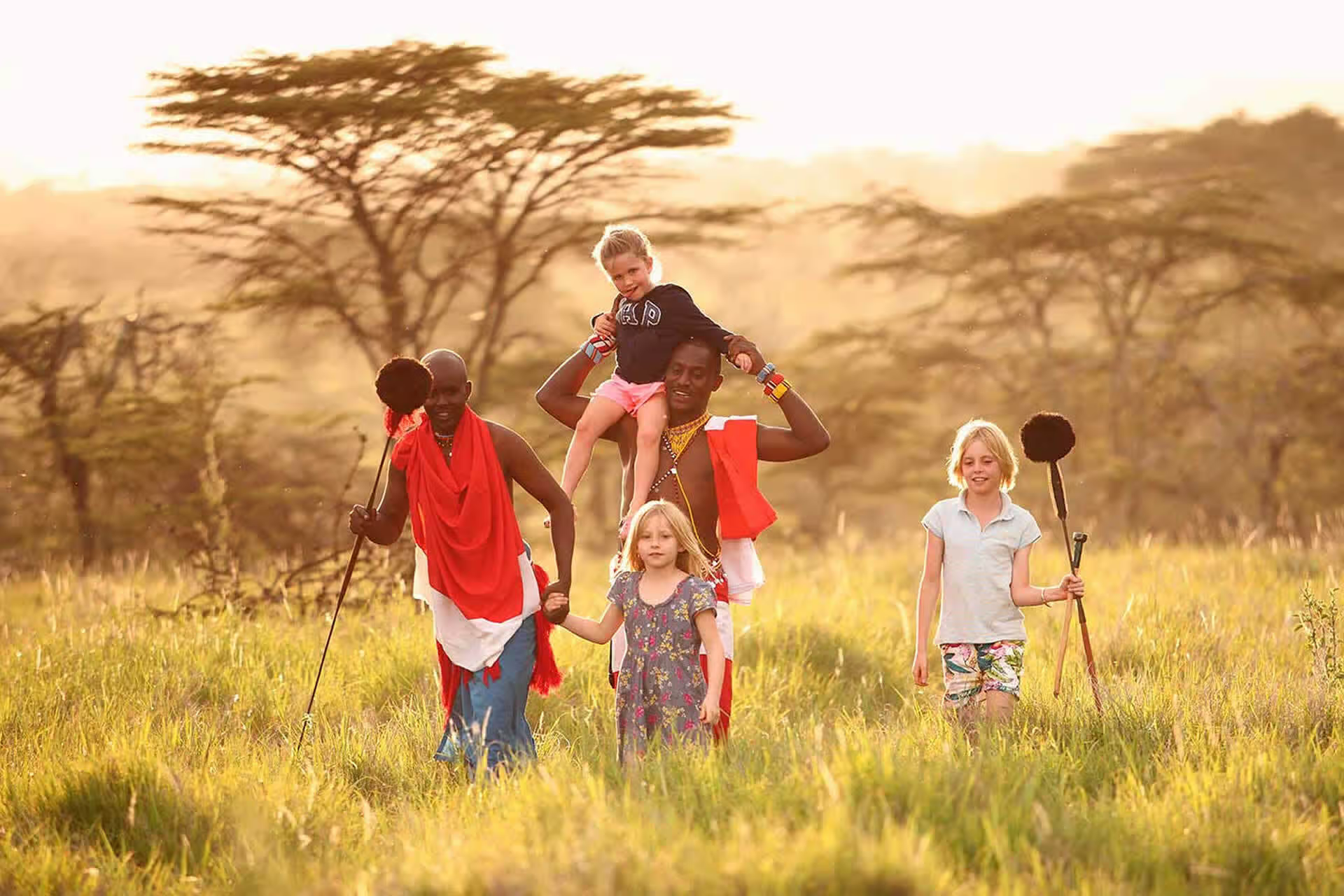
Short flights make long transfers easier for children, and private vehicles allow flexible schedules for naps and curiosity-led stops. Camps differ on minimum ages, so planning matters. Our family luxury safaris guide and our guide to family-friendly luxury safaris in Tanzania show how we match camps and activities to each age group.
First-Time Safari Travelers
A fly-in safari removes the stress of long road journeys and presents the very best of Tanzania in a compact format. If it is your first time, a week in the Serengeti with a Zanzibar finish is a superb introduction.
Repeat Africa Travelers
If you have already been to the Serengeti, flying opens the doors to Ruaha, Katavi, Mahale, and private concessions.
Photographers and Executives
Photographers need freedom to be in the right place at dawn and dusk; executives need reliable, efficient timing. Both benefit from private vehicles and aircraft.
Practical Advice Before You Fly
Luggage Limits
Bush aircraft have limited hold space, and the standard allowance is around 15 kg per person, including camera gear, in a soft-sided bag. Rigid suitcases will not fit through the baggage door. We recommend packing in layers and using the laundry services at camps. Surplus luggage can be stored securely in Arusha, and we can arrange extra seats on charters to carry additional equipment.
Passenger Weights and Seating
Pilots calculate weight and balance before every flight, and some operators ask for passenger weights. We handle these requests on your behalf and discreetly. Seating is usually first come, first served on scheduled flights, so window views are not guaranteed, but the aerial scenery is excellent from any seat.
Weather and Delays
Bush flying depends on visibility and runway conditions. During the rainy season, delays and rerouting happen more often. During dry months, afternoon heat can cause bumpy flying. Our team builds buffer time into your plan and stays in contact with the operators and camps.
Safety
Tanzania’s established bush airlines operate in a regulated environment overseen by the Tanzania Civil Aviation Authority, and we work only with licensed operators with strong safety records. We also recommend comprehensive travel insurance that includes medical evacuation, and we advise you to check your cover before you travel.
Park Regulations Worth Knowing
National parks managed by the Tanzania National Parks Authority (TANAPA) require vehicles to remain on designated tracks and prohibit night driving and walking in most areas. Private concessions such as Grumeti and parts of Nyerere have different rules and may permit off-road driving, walking, and night drives. This scenario is another reason a carefully planned fly-in itinerary can deliver a more varied experience.
Health and Entry
Most visitors can obtain a Tanzanian visa on arrival or online ahead of travel. Yellow fever and malaria precautions are recommended, and you should consult your doctor several weeks before departure.
How Luxury Safaris Tanzania Plans Your Fly-in Safari
We design every fly-in safari around you: your dates, interests, comfort level, and budget. With more than 15 years of experience, over 10,000 happy travelers, and expert local guides, we choose the aircraft, airstrips, camps, and guides that make each day run smoothly.
As a boutique operator based in Arusha, we know Tanzania’s airstrips and camp managers personally. Every itinerary is tailor-made and private, and we only use luxury lodges that meet our standards. Our guides are experts in the ecosystems they cover, which means you benefit from local knowledge about where the cats are, how the weather is shaping herd movement, and which hide or kopje is best at sunrise.
Learn more about our team and philosophy. If you are combining Tanzania with another country, our combined African safaris show how we link Tanzania with Kenya, Rwanda, and Uganda by air.
Ready to see Tanzania from the air?
Share your travel dates and wish list and we will craft a bespoke fly-in itinerary with a transparent quote.
Contact our safari experts today.