A family safari in the Serengeti National Park is far more than a holiday. It is an immersive learning experience, a shared adventure, and a rare opportunity for multiple generations to connect in one of the world’s most extraordinary wildlife ecosystems. When structured as a luxury experience, it becomes seamless, safe, comfortable, and deeply enriching for both children and adults.
A family luxury safari balances wildlife intensity with flexibility. It prioritizes spacious accommodation, private vehicles, expert guides experienced with children, and carefully paced daily programs. This guide explains how to design the ideal Serengeti family safari, where to stay, when to travel, and what makes the experience both safe and exceptional.
Why the Serengeti Works for Families.
Wildlife That Captures Every Age Group
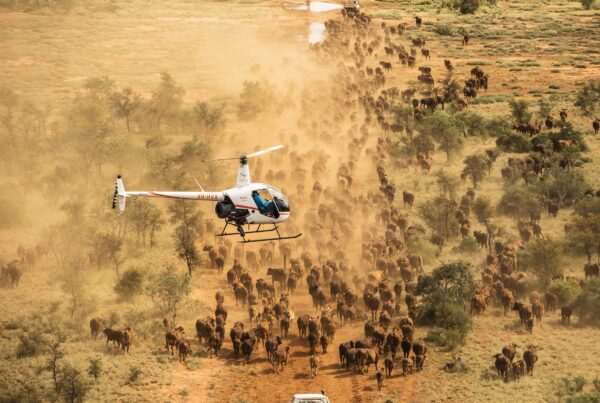
The Serengeti offers immediate visual engagement. Lions resting under acacia trees, elephants crossing rivers, giraffes silhouetted against sunsets, and cheetahs sprinting across open plains captivate children and adults alike.
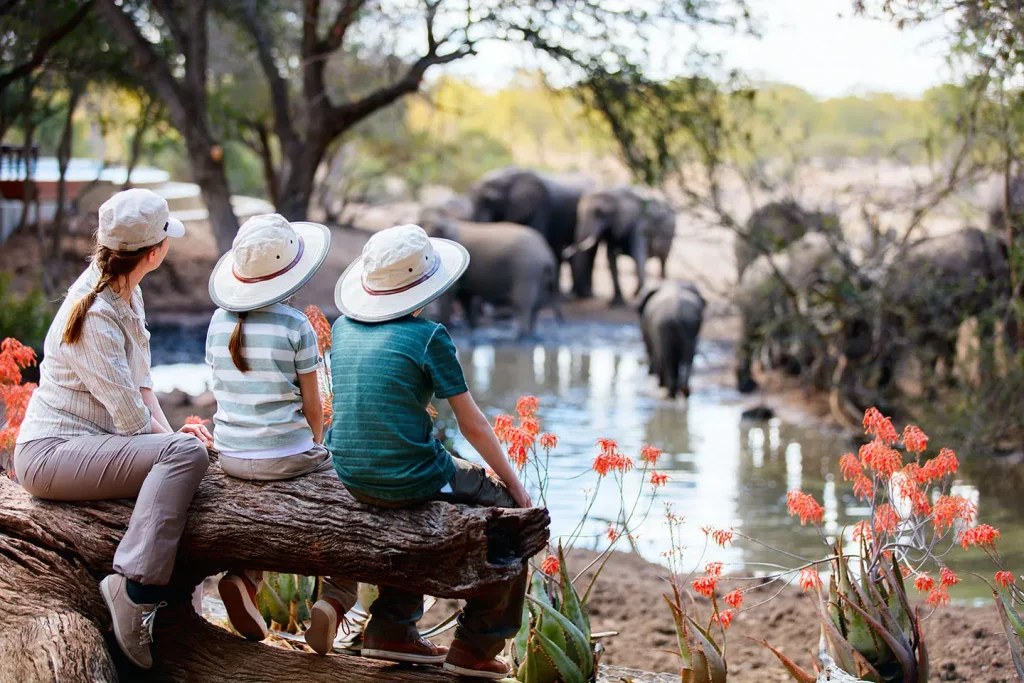
Unlike destinations requiring long tracking walks, wildlife in the Serengeti is viewed from vehicles. This makes it accessible to younger family members while maintaining high encounter quality.
Educational Value.
A safari introduces children to ecosystems, predator-prey dynamics, conservation principles, and cultural heritage. Skilled guides explain animal behavior in engaging ways, transforming game drives into interactive learning sessions.
Parents often find that a Serengeti safari fosters curiosity and environmental awareness in a way no classroom experience can replicate.
Safety and Comfort Considerations.
Luxury family safaris are designed with safety as a priority. Professional guides are trained in wildlife behavior and park regulations. Vehicles are enclosed and secure, and camps are structured to ensure supervised movement between tents and communal areas.
Private vehicles are particularly important for families. They allow flexible schedules, early returns to camp if children become tired, and freedom to spend longer at sightings when attention remains high.
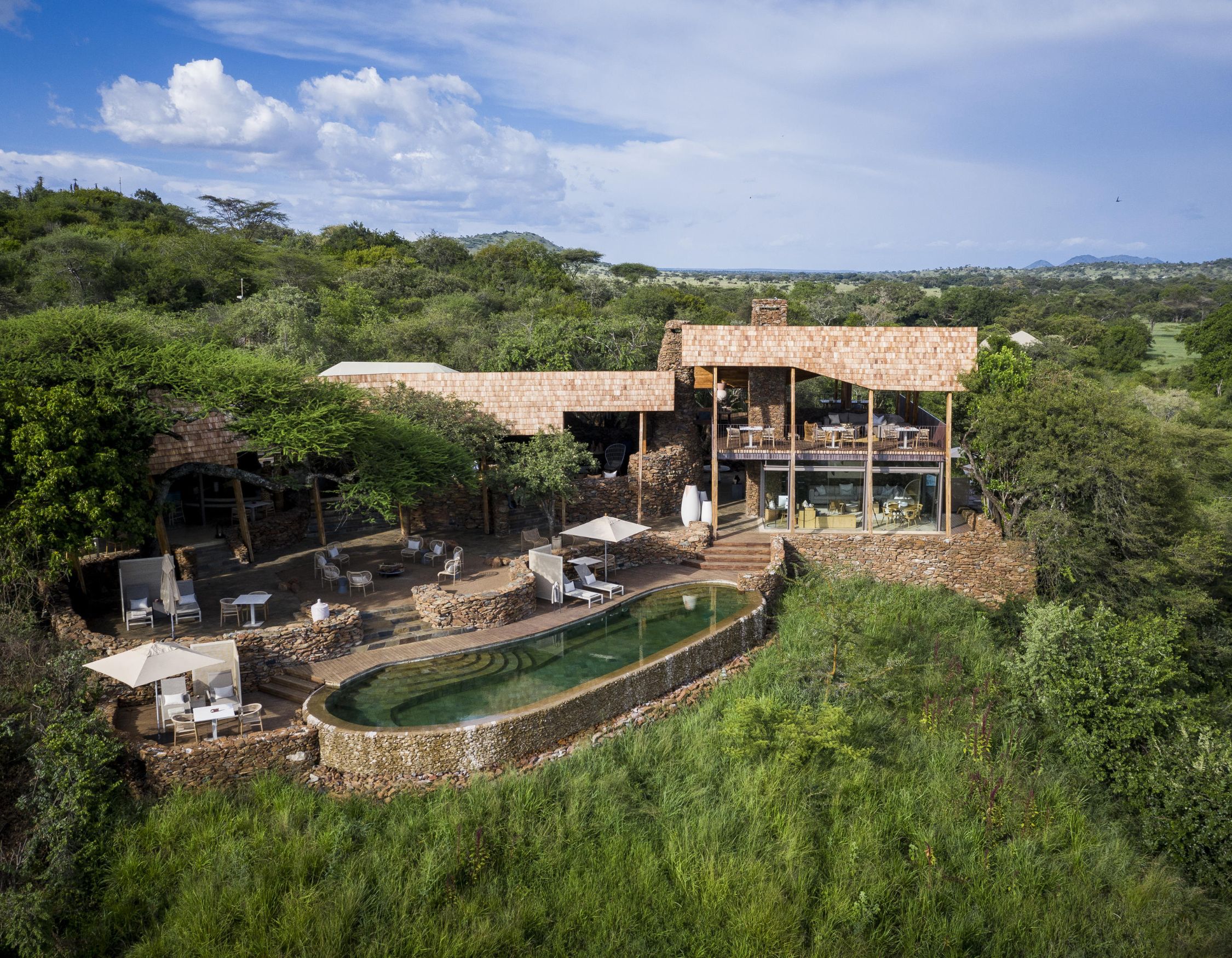
Many premium lodges offer family suites or interconnecting tents to ensure comfort and proximity.
Best Regions for a Family Safari
Central Serengeti
Central Serengeti provides consistent wildlife viewing year-round. Predator density is high, and driving distances between sightings are often short. This reliability is ideal for families with younger children who may have limited attention spans.
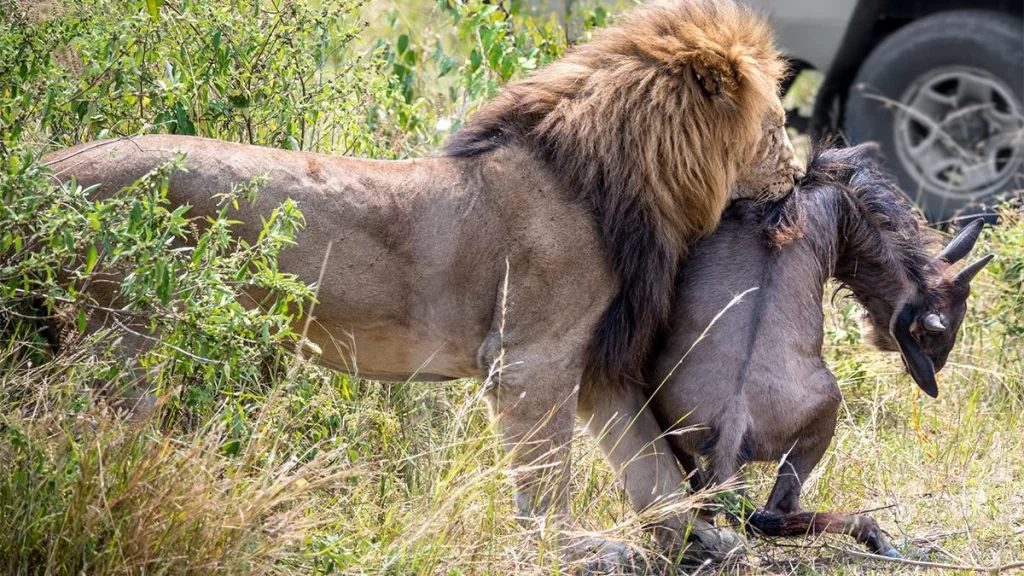
Seronera Valley in Central Serengeti, Tanzania
Lodges such as Four Seasons Safari Lodge Serengeti offer family-friendly amenities including pools and larger villa options, creating a comfortable base between game drives.
Northern Serengeti
During migration season from July to September, Northern Serengeti offers dramatic river crossing scenes. Older children and teenagers often find this phase particularly exciting.
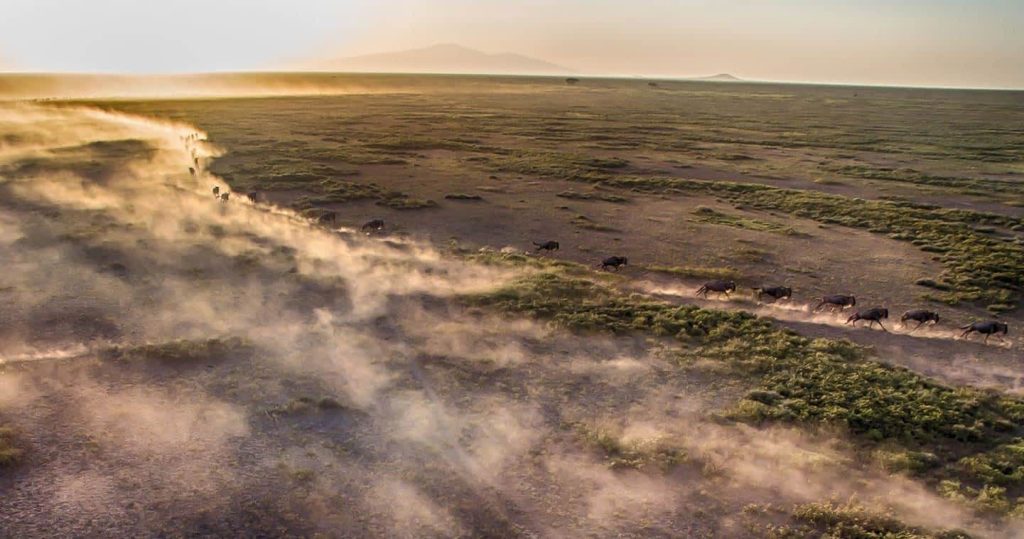
Northern Serengeti
Properties such as Serengeti Bushtops provide spacious suites and elevated privacy suitable for families seeking a balance of excitement and comfort.
Private Concession Areas
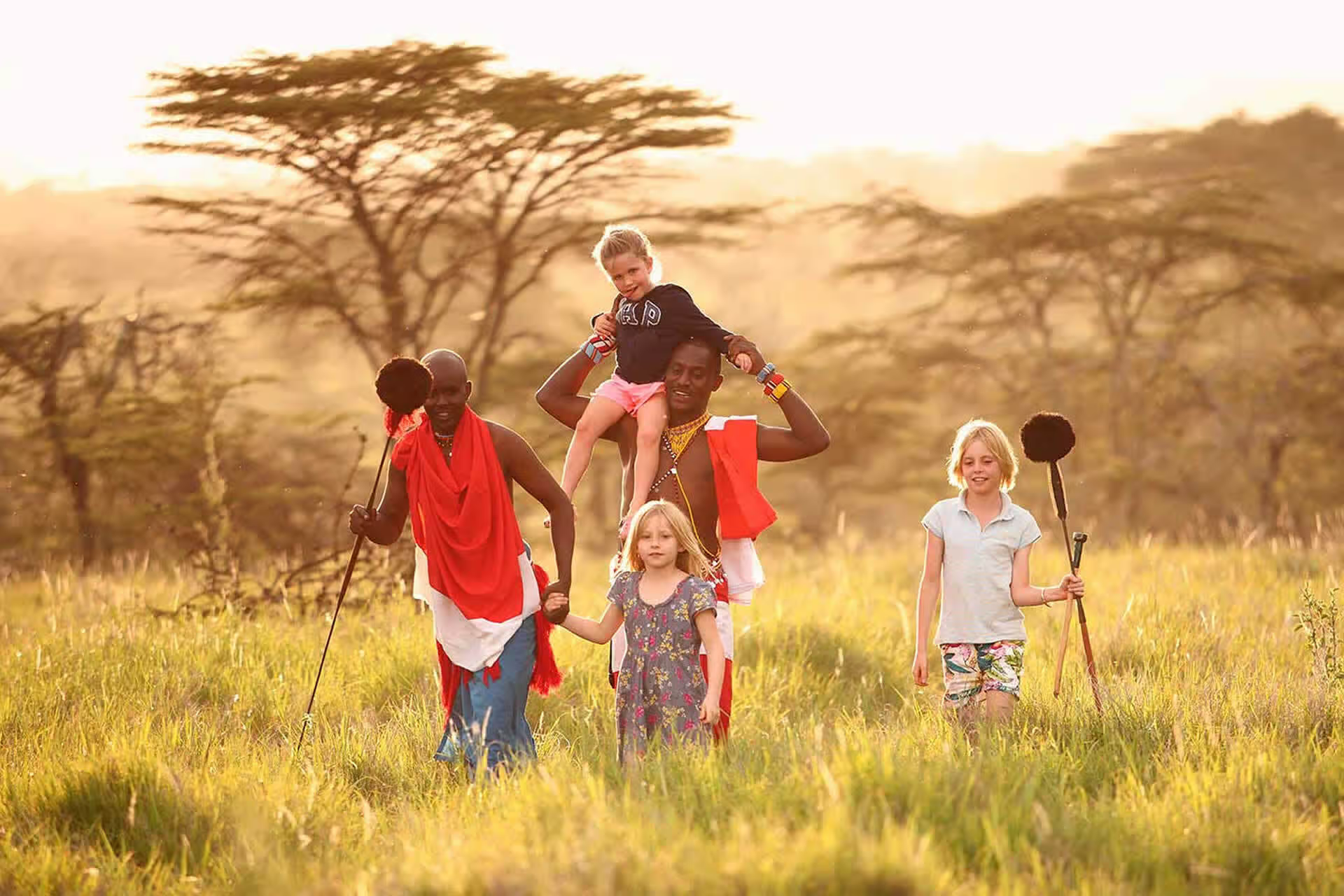
Private reserves bordering the Serengeti, such as those near Grumeti, allow additional activities like guided walking safaris for older children.

Camps such as Singita Faru Faru Lodge emphasize conservation education and intimate wildlife access.
Age Considerations.
Most Serengeti camps accept children, though age minimums vary. Younger children may require closer supervision, while teenagers often engage deeply with photography and wildlife interpretation.
For families with very young children, selecting lodges that offer dedicated family suites or exclusive-use villas enhances comfort and privacy.
Teenagers often benefit from having access to a private vehicle, allowing them to pursue photographic interests or extended predator tracking sessions.
Structuring the Ideal Family Itinerary
A well-paced family safari typically includes five to seven nights in the Serengeti. Two regions can be combined to provide landscape diversity and sustained engagement.
Morning game drives are usually most productive, while afternoons may include shorter drives or relaxation time at camp. Incorporating downtime between activities prevents fatigue.
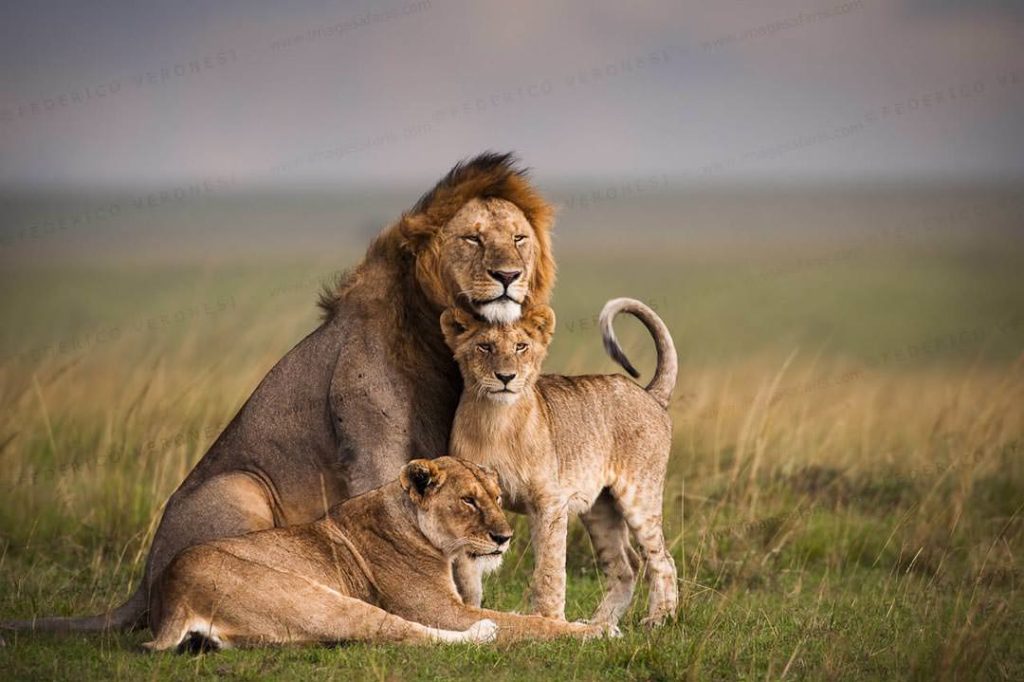
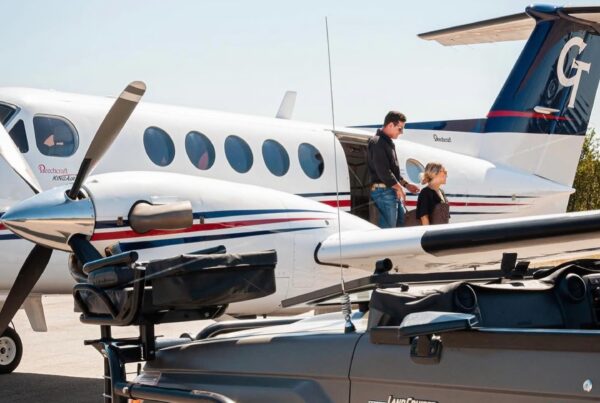
Fly-in transfers between regions minimize long road travel and maintain energy levels for children.
Many families extend their safari with a beach stay in Zanzibar, providing a relaxing conclusion after wildlife immersion.
Activities That Enhance Family Engagement.
Interactive guiding is essential. Experienced guides involve children in tracking exercises, animal identification, and understanding spoor patterns. Night sky observation introduces astronomy in a natural setting free from city light pollution.
Private bush breakfasts and sunset stops add memorable shared moments without overwhelming younger travelers.
For families with an interest in conservation, some camps offer behind-the-scenes insights into anti-poaching initiatives and ecological monitoring.
Best Time for a Family Safari
The dry season from June to October offers excellent wildlife visibility and moderate temperatures. Migration season in the north from July to September adds drama and excitement for older children.
The green season months from January to March provide lush landscapes and calving season activity, with fewer vehicles in many regions.

School holiday periods align well with migration timing, though early booking is essential due to limited family suite availability.
Investment and Value
A family luxury safari in the Serengeti typically ranges from USD 1,200 to over USD 2,500 per person per night, depending on season and lodge selection. While premium, the value lies in personalized service, educational depth, safety standards, and exceptional wildlife access.
Private vehicles and family suites may increase costs but significantly enhance flexibility and comfort.
A luxury family safari in the Serengeti National Park offers a rare combination of adventure, education, and shared discovery. The Serengeti’s open landscapes and wildlife abundance make it accessible and engaging for travelers of all ages.
When thoughtfully structured with private guiding, spacious accommodation, and flexible pacing, a Serengeti family safari becomes more than a vacation. It becomes a formative experience, one that builds connection not only to nature but also to each other.