This itinerary runs all year, but two seasons stand out as outstanding, while two require careful consideration. Use the table below as a planning guide, and read our full guide to the best time to visit Tanzania for month-by-month details.

| Month / Period |
Wildlife Conditions |
Visitor Notes |
| June – October |
Excellent: dry season, dense wildlife at water |
Peak crowds & prices; best Big Five & Migration |
| January – February |
Outstanding: Ndutu calving season in southern Serengeti |
Fewer visitors; superb predator activity near Ndutu |
| November – December |
Good: short rains bring green landscapes |
Wildlife disperses, uncrowded, with 10–20% lower rates |
| March – May |
Variable: long rains; some camps close |
Lush scenery; budget-friendly; road access can be muddy |
Seasonal Notes by Activity
- Wildebeest migration river crossings (Grumeti): May–July in the western corridor
- Wildebeest migration river crossings (Mara): August–October in the northern Serengeti
- Calving season at Ndutu (southern Serengeti): December–February newborn wildebeest and cheetah hunting
- Best birdwatching (Tarangire): November–April when migratory species are present
- Ngorongoro rhino sightings: year-round, but clearest light in the June–September dry season
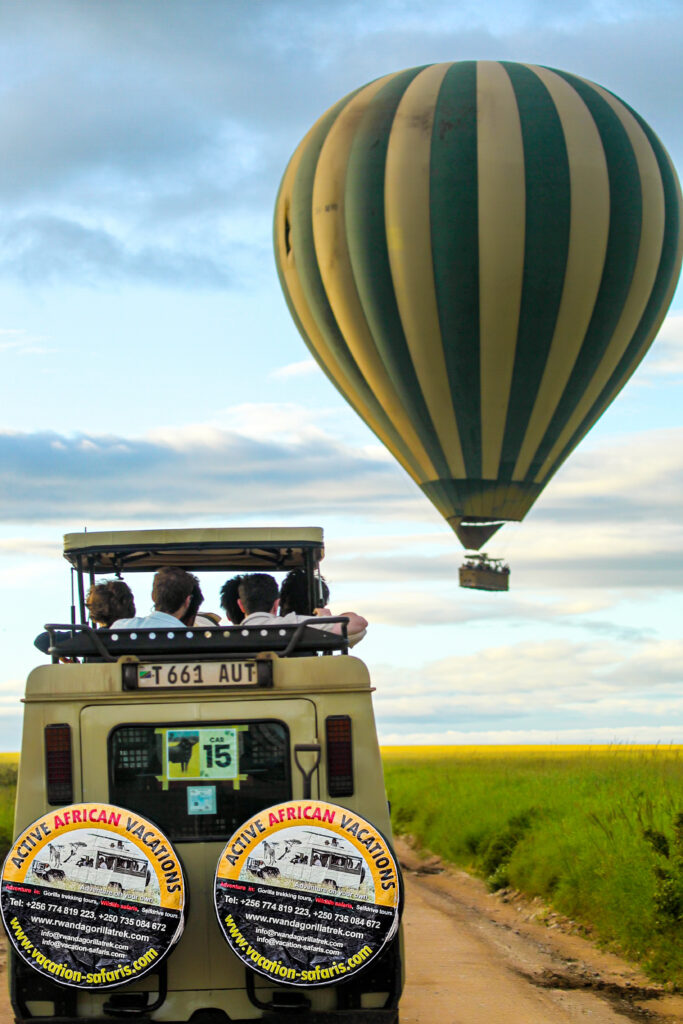
- Hot air balloon flights: available year-round, subject to weather.
Who Is This Safari For?
The 10-day fly-in format eliminates long overland drives and packs the maximum wildlife time into each day. Here’s who it suits best:
Honeymooners & Couples
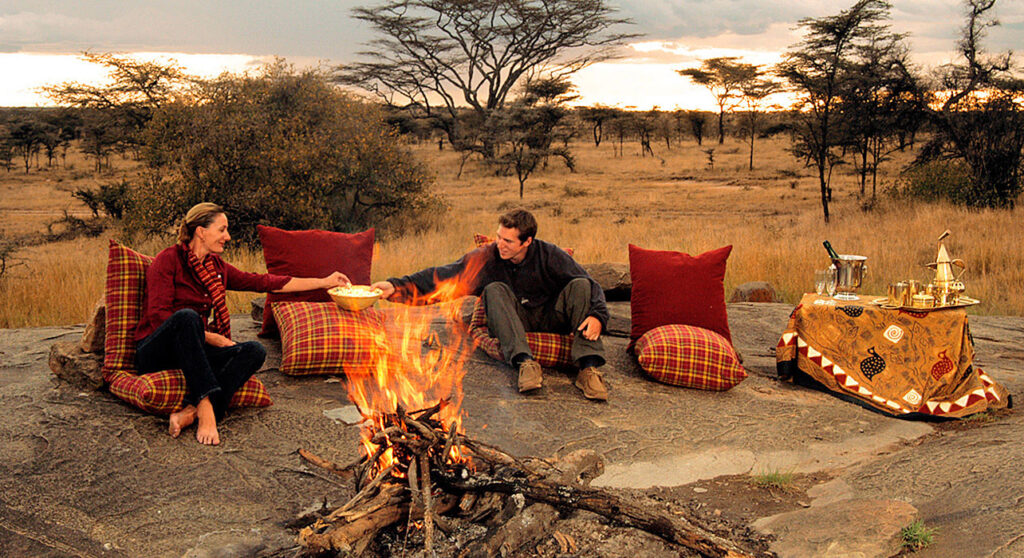
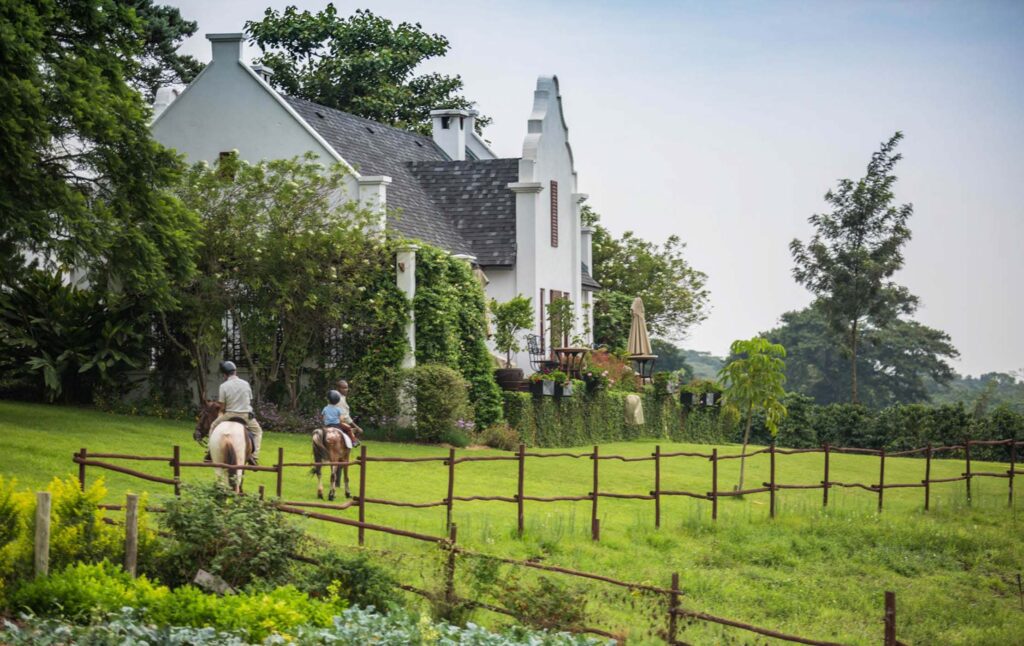
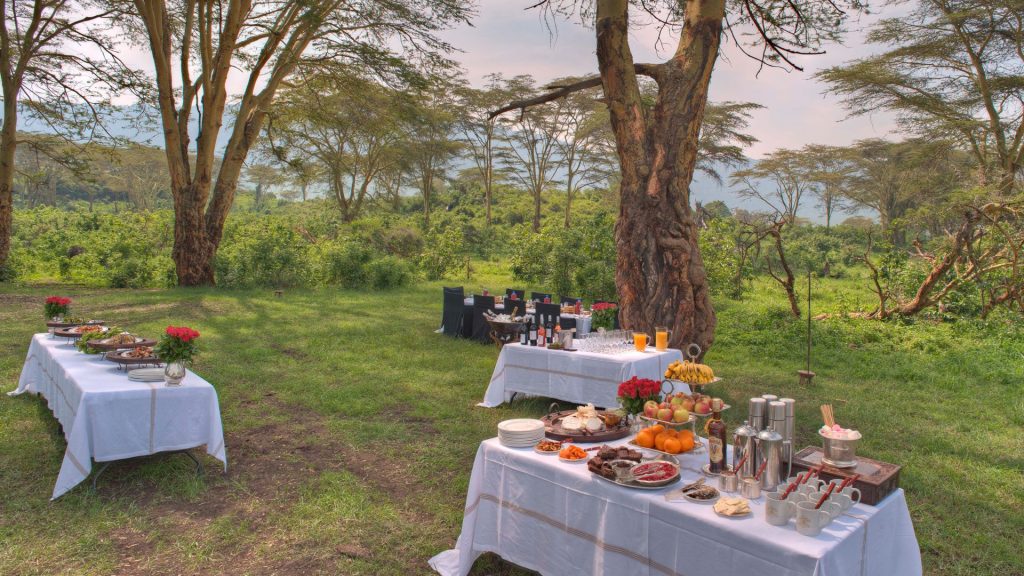
This deeply romantic itinerary includes private planes, private vehicles, and the option of a candlelit dinner in a Maasai boma or on a kopje under a star-filled sky. The two nights at the Manor at Ngorongoro, with its spa and stables, give couples space to decompress between intense game drive days.
Discerning Families
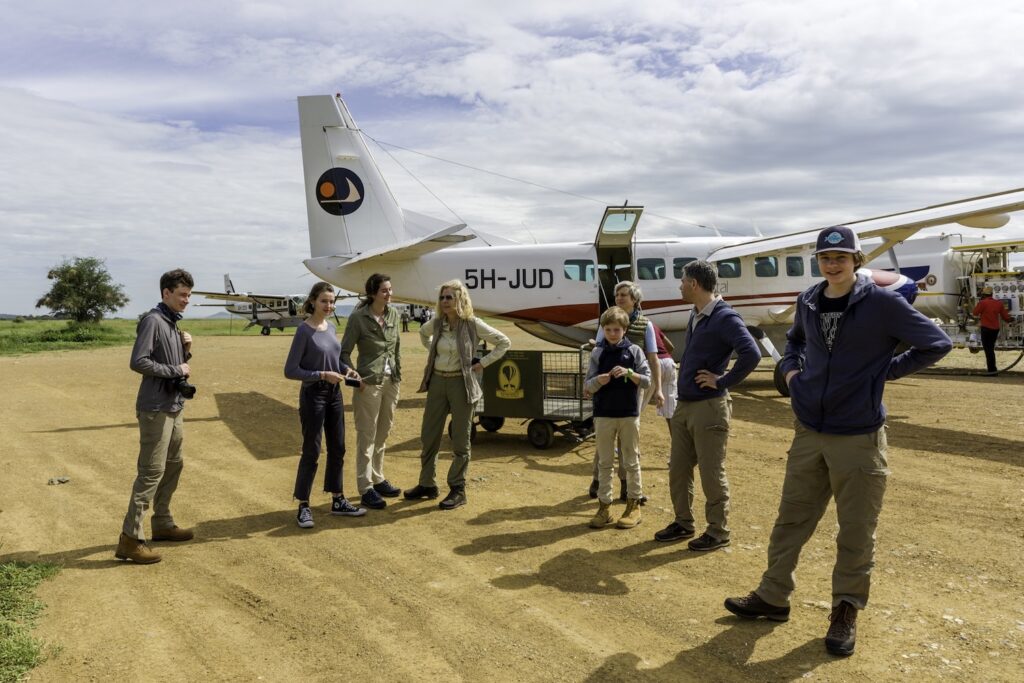
Short charter flights (20–45 minutes) replace full-day road transfers, making this format accessible for children 8 and over. The walking safaris add an educational dimension that pure vehicle safaris lack. See our luxury family safari and Zanzibar holiday for a version with an added beach extension.
First-Time Africa Visitors
Tarangire, Ngorongoro, and Serengeti together represent the northern Tanzania circuit, the three parks that define the country’s safari reputation. This 10-day itinerary covers all three without rushing any of them. By the end, most first-timers tell us they need more time, which is exactly why we designed extensions to the Zanzibar beach holiday and the 13-day Kenya–Tanzania migration safari.
Returning Safari Travellers
If you’ve done the road-based version of northern Tanzania, a fly-in format is genuinely transformative. The lodge choices can be upgraded to Singita Sasakwa Lodge in the Grumeti concession or &Beyond Ngorongoro Crater Lodge to deliver an even more exclusive experience.
How much does the 10-day Tanzania luxury flying safari cost?
Pricing starts at approximately US $9,500 per person sharing, depending on your travel dates, chosen lodges, and group size. Peak season (June–October) commands premium rates across the Serengeti ecosystem. Our team at Luxury Safaris Tanzania provides a transparent quote that includes all flights, park fees, and accommodation, with no hidden extras. Private-use pricing (sole use of a vehicle and guide) is available on request. Contact us via our safari inquiry form for a bespoke quote within 24 hours.
What is the difference between a flying safari and a road safari in Tanzania?
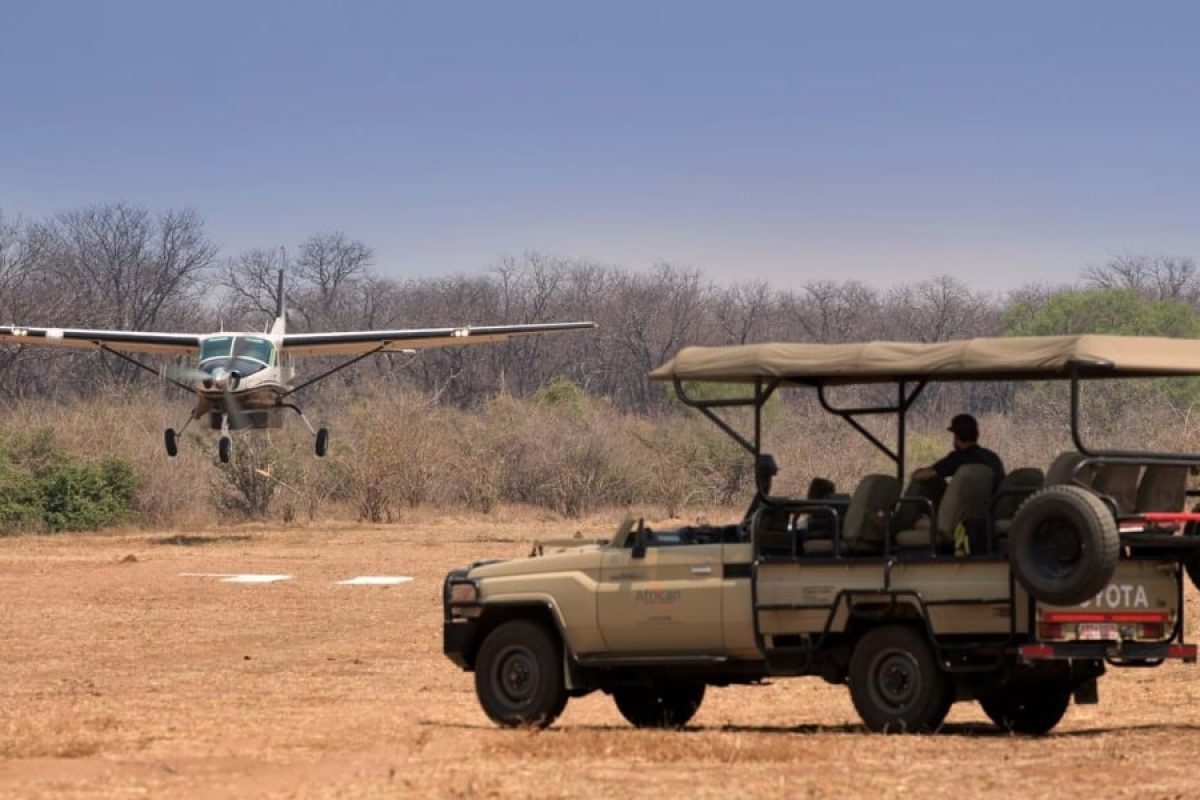
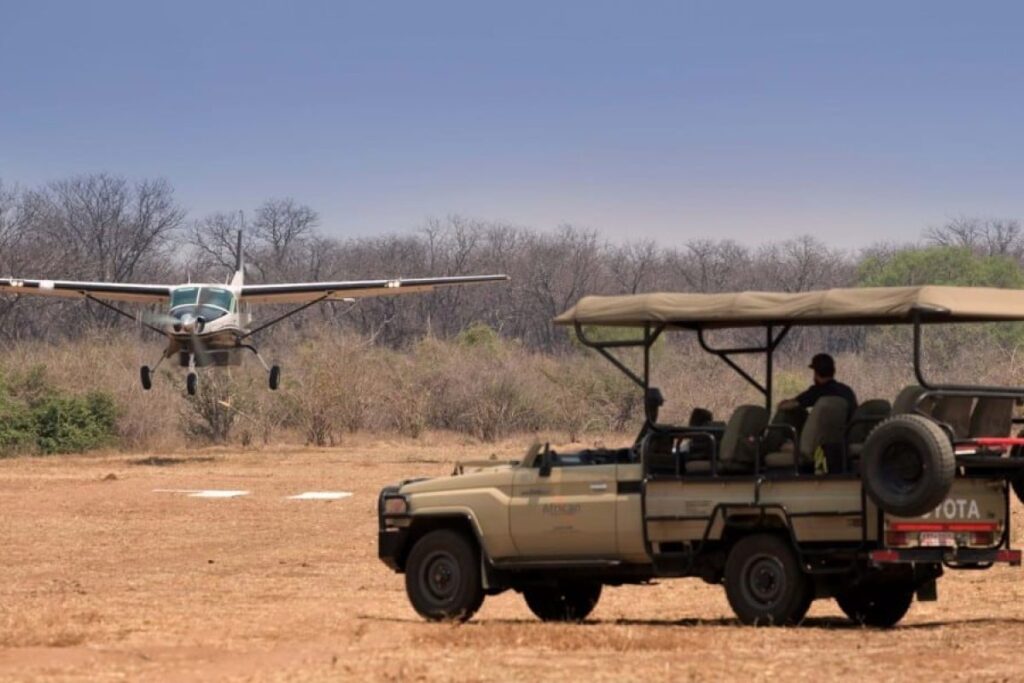
A flying safari uses private charter aircraft to connect parks, cutting inter-park travel from 5–8 hours by road to 20–45 minutes by air. This means more time in the bush and less time on a seat. A road safari is less expensive but spends significantly more hours in a vehicle driving between ecosystems. Flying safaris are especially valuable for the Serengeti, where the park spans 14,763 km² and road distances between southern and northern zones can exceed 300 km. For most luxury travelers, the additional cost per person is easily justified by the time and comfort savings alone.
Is the 10-day flying safari a good fit for families with young children?
Most luxury lodges on this route set a minimum age of 7–8 years for children on game drives. The short charter flights and the absence of long road stages make this one of the most family-friendly formats for East Africa. Walking safaris have slightly higher age requirements, typically 12 and over, depending on the ranger’s assessment of the child and terrain. We recommend our 12-day family luxury Tanzania safari as an alternative for families with younger children who want a Zanzibar beach component appended.
Which lodges are used on this itinerary?
Lodge selection is fully tailored to your preferences and budget tier. In Tarangire, we regularly use Elewana Tarangire Treetops treehouse-style suites built around ancient baobabs. In Ngorongoro, The Manor at Ngorongoro offers a country house atmosphere on the crater rim. In the Serengeti, options range from Serengeti Migration Camp in the Grumeti Corridor to Singita Sasakwa Lodge and Mbali Mbali Soroi Serengeti Lodge. We confirm lodge availability when you book and will propose alternatives if your first-choice property is full.
What wildlife can I expect to see on this safari?
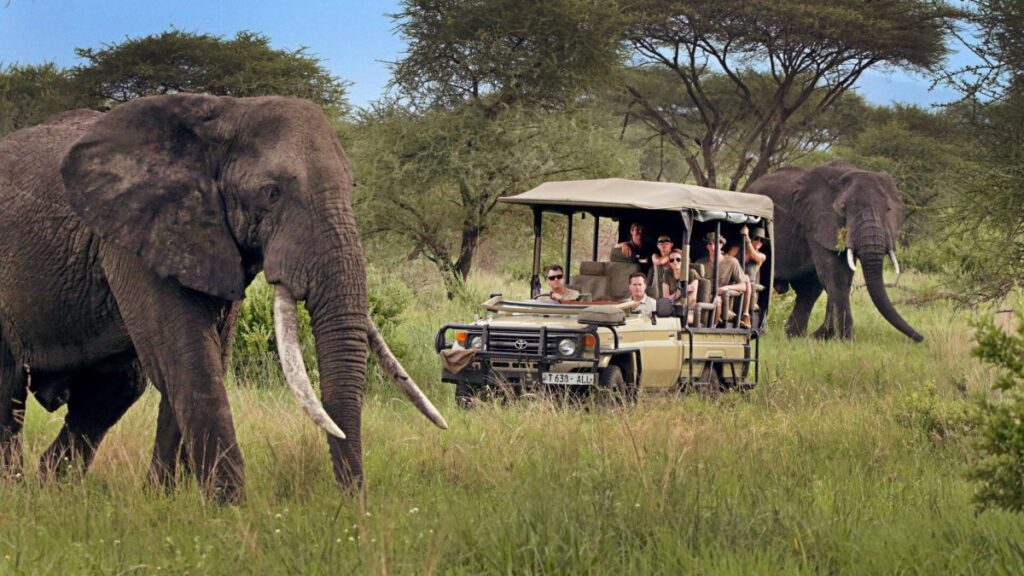
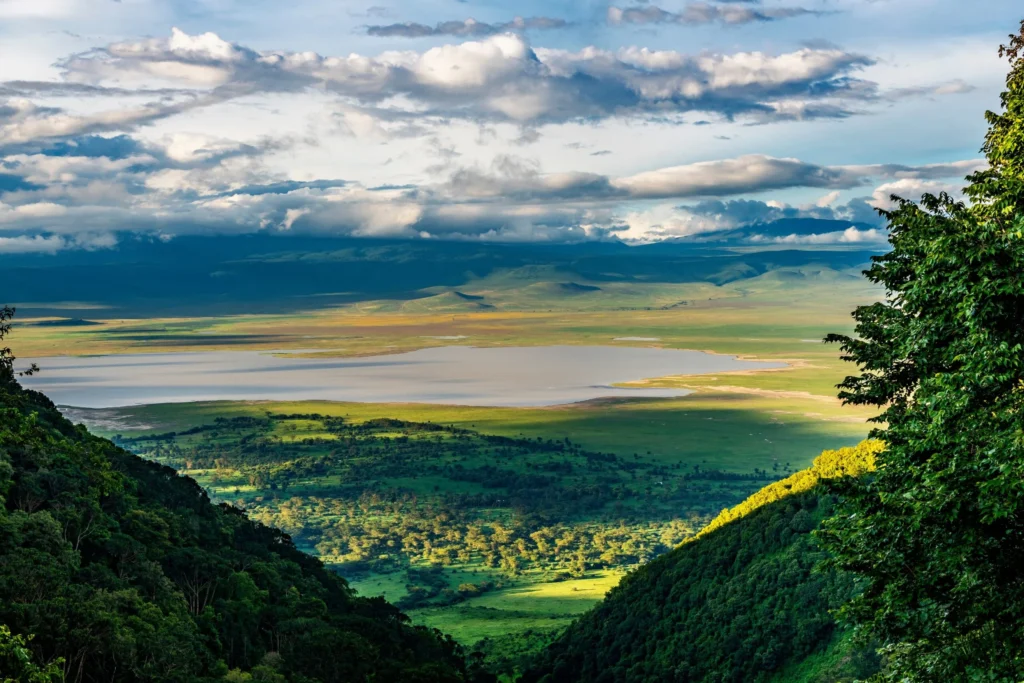
All five members of the Big Five lion, leopard, elephant, Cape buffalo, and black rhino are present across this itinerary. Tarangire is East Africa’s finest elephant park; Ngorongoro Crater holds the densest population of lions in Africa and some of the most reliable rhino sightings on the continent; Serengeti adds cheetahs, wild dogs (seasonal), and the spectacle of the Great Migration. Birdlife exceeds 550 species across the three ecosystems. No safari can guarantee specific sightings, but the combination of parks on this itinerary consistently delivers exceptional wildlife encounters for guests of Active African Vacations.
Do I need a visa to visit Tanzania, and how do I get one?
Most nationalities require a visa to enter Tanzania. You can apply online in advance via the Tanzania e-Visa portal or obtain a visa on arrival at Kilimanjaro International Airport for US $50. We recommend applying online at least two weeks before travel. East African Community citizens (Kenya, Uganda, Rwanda, and Burundi) and a limited number of other nationalities are visa-exempt; check with the Tanzania Immigration Department for the current list.
What vaccinations do I need before traveling to Tanzania?
Yellow fever vaccination is required if you are arriving from a yellow fever-endemic country and strongly recommended for all travelers regardless of origin. Malaria prophylaxis is essential; consult your doctor or a travel health clinic at least 6 weeks before departure to get the most appropriate anti-malarial medication. Additional recommended vaccines include Hepatitis A and B, typhoid, and tetanus. None of these are legally mandatory for entry to Tanzania (except yellow fever in specific transit scenarios) but are strongly advised for your safety. Our team can provide a full health preparation briefing on request.
Can I extend this safari with Zanzibar or a longer itinerary?
Absolutely. The most popular extension is a Tanzania safari and Zanzibar beach holiday, typically 3–5 nights at a private beach villa on the island’s north or east coast. Alternatively, you can extend the wildlife component with the 13-day Kenya–Tanzania wildebeest migration safari, which adds the Maasai Mara and Amboseli to the itinerary. For something more ambitious, the 16-day Rwanda–Tanzania–Zanzibar safari combines gorilla trekking in Rwanda’s Volcanoes National Park with this northern Tanzania circuit and a Zanzibar finale. Tell us your available days and we’ll design the optimal sequence.