
Central Kalahari Game Reserve, Botswana
The Central Kalahari Game Reserve is the second-largest wildlife reserve on Earth, sprawling across 52,800 square kilometers of Botswana’s semi-arid interior, an area larger than the Netherlands and roughly ten percent of the entire country’s landmass. It is home to the legendary black-maned Kalahari lion, some of the best stargazing on the continent, and the ancestral homeland of the San people, whose tracking knowledge has guided walking safaris here for generations. Where Botswana’s Okavango Delta is defined by water, the Central Kalahari is defined by its absence, and that contrast is precisely what draws so many of our well-travelled guests here.
If you have already explored our Botswana travel guide and fallen for the idea of mokoro canoes gliding through papyrus channels, the Central Kalahari Game Reserve is the desert counterpoint to vast fossil river valleys, endless horizons, and a silence so complete that guests often say it is the loudest silence they have ever heard. At Luxury Safaris Tanzania we have spent 15+ years designing tailor-made itineraries across Africa for 10,000+ travelers, and the Central Kalahari consistently ranks among the destinations our repeat clients request when they want their next trip to feel genuinely different from their last. This guide covers everything you need to plan a Central Kalahari safari: where to stay, when to go, how to get there, and how to combine it with the rest of Botswana or a wider Southern Africa itinerary.
Central Kalahari Game Reserve at a Glance.
| Fact | Detail |
| Location | Central Botswana, primarily within Ghanzi District, extending into the Central and Kweneng Districts |
| Size | 52,800 km² (20,400 sq mi), the second-largest game reserve in the world and roughly 10% of Botswana’s total land area |
| Established | Proclaimed a game reserve in 1961 |
| Distance from Maun | Most camps are reached by light aircraft charter from Maun in around 45–60 minutes, or by high-clearance 4×4 self-drive requiring full self-sufficiency |
| Wildlife | Black-maned Kalahari lion, cheetah, leopard, brown hyena, bat-eared fox, gemsbok (oryx), springbok, eland, giraffe, over 200 recorded bird species |
| Best time to visit | December–April (green season) for peak game concentrations around Deception Valley: May–October (dry season) for firmer roads and golden desert scenery |
| Signature landscape | Ancient fossil river valleys, most famously Deception Valley and Passarge Valley, alongside salt pans including Sunday Pan, Leopard Pan, and Piper’s Pan |
| Local community | The San (Basarwa) people, among the oldest continuous cultures on Earth, whose ancestral homeland this reserve remains |
| Access style | Exclusively fly-in luxury camps or fully self-sufficient 4×4 self-drive with no public transport or scheduled commercial flights into the reserve. |
What Is the Central Kalahari Game Reserve?
The Central Kalahari Game Reserve is a vast, semi-arid protected wilderness in the heart of Botswana, established in 1961 and covering 52,800 square kilometers of fossil river valleys, salt pans, grassland, and scrubland savanna. It is not, despite its name, an empty red-sand desert in the popular imagination of the Sahara; rather, it is a complex mosaic of habitats shaped by ancient rivers that stopped flowing millennia ago, leaving behind valleys that fill briefly with life-giving rain each summer. It ranks as the second-largest game reserve on the planet, smaller only than Namibia’s Central Namib Desert conservation area, and is administered by Botswana’s Department of Wildlife and National Parks.
Where Is the Central Kalahari Game Reserve Located?
The Central Kalahari Game Reserve sits in central Botswana, occupying more than 40% of the Ghanzi District and extending into the neighboring Central and Kweneng Districts. It lies roughly midway between Maun, the gateway town for the Okavango Delta, and Ghanzi, the small town that marks the route toward the Namibian border, reminding us that the Kalahari Desert itself is not confined to Botswana but sprawls across much of Southern Africa, into eastern Namibia and northern South Africa.
How Big Is the Central Kalahari Game Reserve?
The Central Kalahari Game Reserve covers 52,800 square kilometers, making it larger than the Netherlands and the second-largest game reserve in the world. To put that scale in perspective, a single day’s game drive might cover only a fraction of one percent of the reserve’s total area, and it is entirely possible to drive for hours without encountering another vehicle. The reserve is a fundamentally different scale of wilderness from the concentrated wildlife-viewing circuits of East Africa’s Serengeti or Ngorongoro Crater, and it is precisely this sense of scale and solitude that our guests consistently describe as the most striking feature of a Kalahari safari.
What Makes the Central Kalahari Different From the Okavango Delta or Chobe?
The Central Kalahari is defined by desert scarcity rather than the abundant water that shapes Botswana’s better-known destinations, and this difference fundamentally changes both the wildlife you see and the pace at which you see it. While the Okavango Delta rewards travelers with mokoro canoe safaris and water-dependent species like sitatunga antelope, and Chobe National Park delivers reliably enormous elephant herds along its riverfront, the Central Kalahari asks for patience and rewards it with a wholly different cast of desert-adapted specialists: black-maned lions, cheetahs coursing across open pans, and the quiet drama of a fossil valley filling with life after the first summer rains.
For travelers who have already experienced the Delta’s water-based safari or Chobe’s elephant spectacle, the Central Kalahari offers the third and arguably most exclusive chapter of a Botswana journey: fewer camps, fewer vehicles, and a landscape so vast that exclusivity is built into its geography rather than manufactured by policy alone. Many of our guests describe it as the closest thing to true desert wilderness they have experienced anywhere in Africa.
Wildlife of the Central Kalahari Game Reserve.
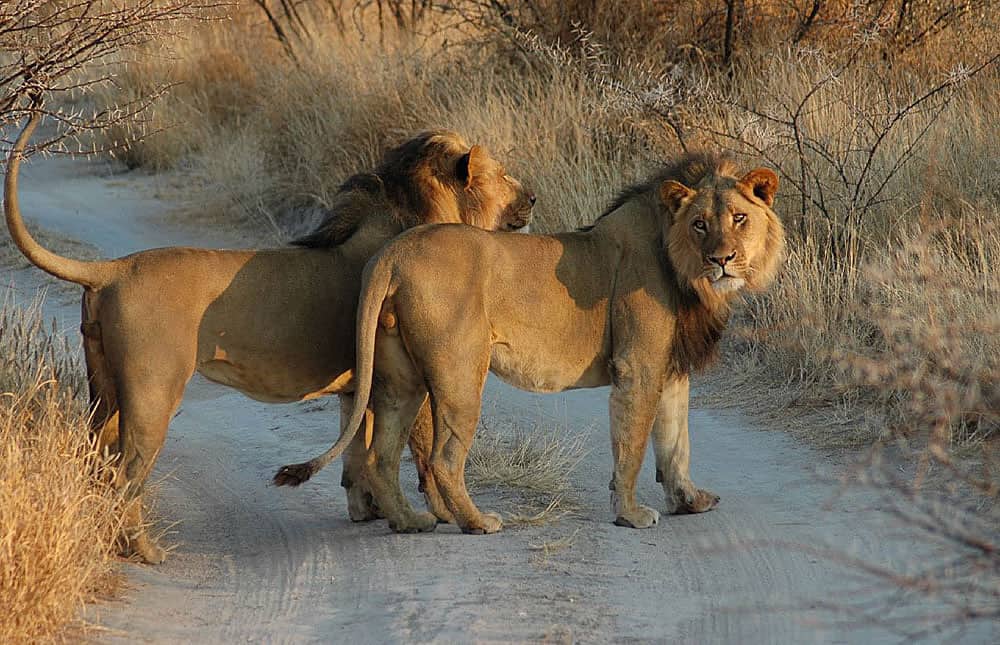
The Central Kalahari Game Reserve is famous above all for its black-maned Kalahari lions, a population whose unusually dark, full manes are thought to relate to the region’s cooler nighttime temperatures and the thermoregulatory demands of desert life. Beyond lions, the reserve supports cheetah, leopard, and the elusive, largely nocturnal brown hyena, alongside desert-adapted plains game including gemsbok (oryx), springbok, eland, giraffe, kudu, and wildebeest that gather in large herds on the fossil valley floors after the summer rains.
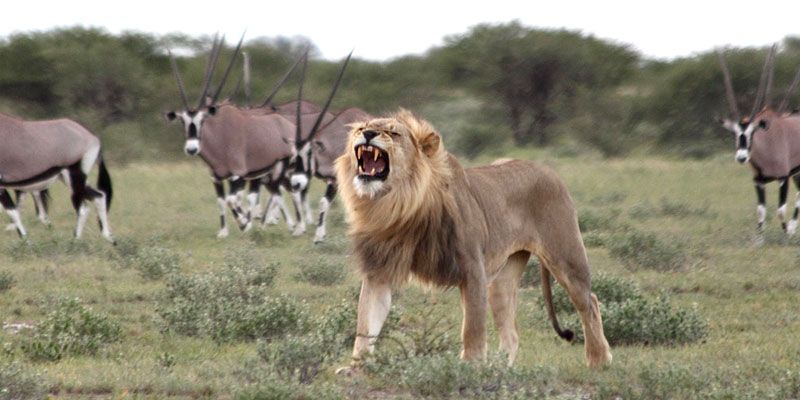
Black-Manned Kalahari Lions
Kalahari lions are famous throughout the safari world for their exceptionally dark, thick manes, a trait most researchers link to the region’s cold desert nights, which favor lions with heavier coats for warmth and display. They are also, on average, leaner and rangier than their savanna cousins elsewhere in Africa, adapted to hunting across vast distances in a landscape where prey is far more dispersed than in water-rich reserves. Sightings in the Central Kalahari feel different from a Serengeti lion sighting: instead of finding a pride draped over a termite mound in the middle of a crowded circuit, you are as likely to track a coalition of males moving purposefully across an open pan at dawn, with not another vehicle in sight.
Predators and Desert Specialists
Alongside its famous lions, the Central Kalahari is one of the better places in Southern Africa to spot the shy, nocturnal brown hyena, along with bat-eared fox, cape fox, and honey badger species that rarely feature on a classic East African itinerary. Cheetahs move across the open plains in numbers that rival more famous cheetah destinations, and African wild dog sightings, while rare, do occur, particularly in the reserve’s more remote southern and western reaches.
Plains Game and Birdlife
Gemsbok, also known as oryx, are perhaps the most emblematic Kalahari antelope, instantly recognizable by their rapier-straight horns and striking black-and-white facial markings, superbly adapted to survive weeks without drinking water. Springbok, eland, red hartebeest, kudu, and giraffe are all present, and the reserve’s bird checklist runs past 200 species, including ostrich, secretary bird, kori bustard, and a wave of migratory species that arrive with the December rains.
Best Time to Visit the Central Kalahari Game Reserve.

The best time to visit the Central Kalahari Game Reserve is during the green season from December to April, when seasonal rains transform the reserve’s fossil valleys, particularly Deception Valley and Passarge Valley, into lush grazing grounds that draw large herds of springbok, gemsbok, and wildebeest, followed closely by lions and cheetahs. This approach runs opposite to the conventional safari wisdom that favors the dry season, and it is one of the most important things to understand when planning a Kalahari trip: unlike the Okavango Delta or Chobe, where dry months concentrate wildlife around permanent water, the Central Kalahari’s wildlife disperses in the dry season and concentrates after the rains.
| Season | Months | What to Expect |
| Green season (peak game viewing) | December–April | Rains transform Deception Valley and Passarge Valley into lush grazing plains; large herds of springbok, gemsbok, and wildebeest gather, drawing lions and cheetahs; migratory birds arrive; it is considered the single best window for classic Kalahari game viewing |
| Early dry season | May–July | Grasses turn golden, roads firm up considerably after the rains, and wildlife begins dispersing more widely across the reserve as seasonal pans dry out |
| Late dry season | August–October | The most challenging months for game density. Wildlife was dispersed across vast areas around scattered waterholes; exceptional for photography of the classic golden desert landscape, stargazing, and spotting desert specialists like brown hyenas and bat-eared foxes. |
| Shoulder/transition | November | Rains typically begin, the desert starts to green, and wildlife starts moving back toward the fossil valleys ahead of the peak season |
Road conditions can turn to thick, sticky mud during the heaviest rains in January and February, so we generally recommend December, March, or April for travelers seeking the exceptional game concentrations of the green season without experiencing the very wettest weeks. Our team tailors the timing of every Central Kalahari itinerary to current conditions. Reach out via our Contact Us guide, and we’ll advise you on the ideal window for your dates.
Ready to Plan Your Central Kalahari Safari?
Every itinerary we design is tailor-made around your dates, your pace, and your interests. Tell us what you’re picturing, and our team with 15+ years of experience across Botswana and the wider region will build a private, ATOL-protected safari around it.
Where to Stay: Luxury Camps in the Central Kalahari
Accommodation inside the Central Kalahari Game Reserve is deliberately limited, with only a small handful of luxury camps operating within or immediately adjacent to its boundaries, a scarcity that, much like the rest of Botswana, keeps the experience genuinely exclusive rather than crowded.
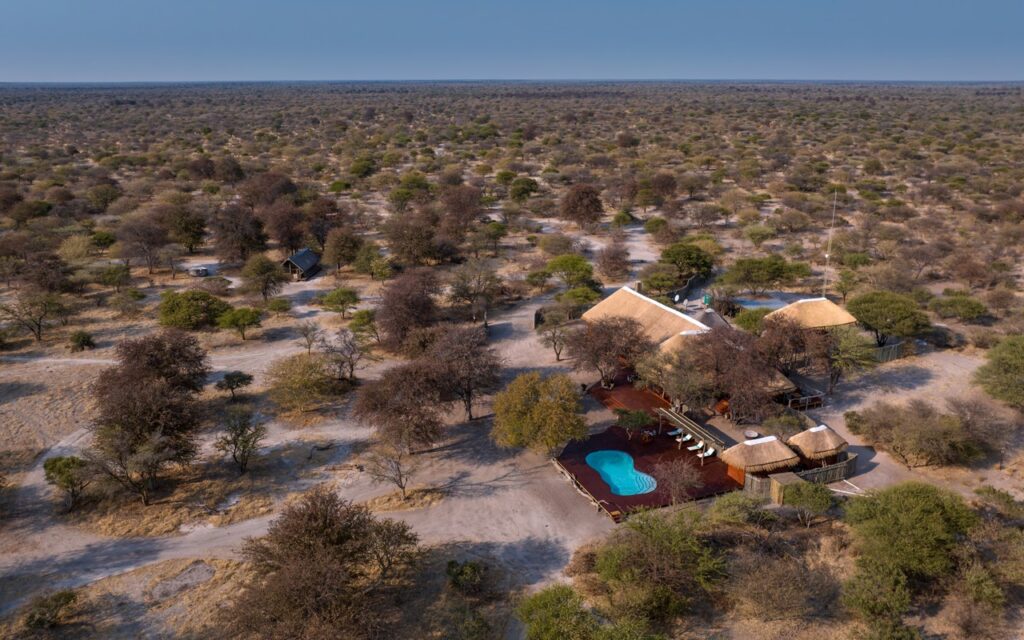
Gham Dhao Lodge
| Property | Style | Highlights |
| Tau Pan Camp | Semi-permanent luxury camp | The first camp ever built inside the Central Kalahari Game Reserve, perched on a ridge overlooking Tau Pan, has nine raised rooms with private decking and panoramic desert views |
| Kalahari Plains Camp | Luxury tented camp | Positioned for exceptional access to Deception Valley’s game concentrations, with raised sleep-out decks for stargazing under some of the darkest skies in Southern Africa |
| Dinaka Camp | Private reserve camp | Located on a private concession bordering the reserve’s northern boundary, offering flexible activities including night drives not permitted inside the government reserve itself |
| Deception Valley Lodge | Luxury lodge | Set just outside the reserve’s boundary, combining wildlife drives with strong San Bushmen cultural walking experiences |
Because camps here are so few, availability during the peak green season of December through April can fill well in advance, particularly around the Christmas and New Year period. We recommend beginning to plan a Central Kalahari safari at least six months ahead of your intended dates, and up to a year ahead if you are travelling over the December holiday period.
Key Areas and Landmarks of the Central Kalahari
The Central Kalahari’s most famous landmarks are its fossil river valleys, ancient watercourses that stopped flowing thousands of years ago but still shape the landscape and concentrate wildlife after rain. Deception Valley, in the reserve’s north, is the best known and most accessible of these and gives its name to the surrounding Deception Pan; nearby Passarge Valley offers similarly excellent green-season grazing with noticeably fewer vehicles.
- Deception Valley, the reserve’s most iconic fossil valley, renowned for green-season herds and some of the best chances anywhere in the Kalahari to see cheetah hunting on the open pan at first light
- Passarge Valley, a quieter alternative to Deception Valley, with excellent wildlife diversity and a strong reputation among photographers for its scenic light
- Piper’s Pan is known for dramatic sunsets and, during the rains, some of the reserve’s most abundant wildlife concentrations
- Sunday Pan and Leopard Pan popular game-viewing and camping areas in the reserve’s northern reaches
- Xade in the reserve’s remote west, historically one of the main San Bushmen settlement areas within the reserve boundaries
The San Bushmen of the Kalahari
The San, sometimes referred to as the Basarwa in Botswana, are widely regarded as one of the oldest continuous cultures on Earth, having inhabited the Kalahari Desert for tens of thousands of years, and the Central Kalahari Game Reserve remains part of their ancestral homeland. Their traditional tracking and survival knowledge, reading the faintest spoor in sand, identifying edible and medicinal plants, and locating underground water sources underpins many of the guided walking safaris offered at camps such as Kalahari Plains and Tau Pan, where San guides share skills passed down over countless generations.
It is worth knowing, as part of understanding this destination honestly, that the San community’s relationship with the reserve has a complicated modern history: the Botswana government relocated a significant number of San residents out of the reserve in phases beginning in 1997 and continuing into the early 2000s, a decision that was challenged in Botswana’s courts and partially reversed by a landmark 2006 ruling affirming the right of San residents to return to their ancestral land. Questions around water access and residency rights within the reserve have continued to generate debate since. We share this context because we believe a responsible safari operator should give guests an honest picture of the places we send them, not just a romanticized one, and because understanding this history often deepens, rather than detracts from, the experience of a guided walk with a San tracker.
How to Get to the Central Kalahari Game Reserve
There is no scheduled commercial flight or public transport into the Central Kalahari Game Reserve; the two ways to reach it are by chartered light aircraft to a camp’s private bush airstrip, typically from Maun in around 45 to 60 minutes, or by self-drive in a fully self-sufficient, high-clearance 4×4 vehicle. For the overwhelming majority of our luxury safari guests, flying directly to camp is the standard, most comfortable, and most time-efficient option, and it is what we arrange as part of every tailor-made Central Kalahari itinerary.
Flying to the Central Kalahari
Chartered light aircraft connect Maun, the main gateway town for Botswana’s northern safari circuit, to private bush airstrips at or near Tau Pan, Kalahari Plains, and other luxury camps, usually in under an hour. This is by far the most practical route for travelers combining the Central Kalahari with the Okavango Delta or a wider Botswana itinerary, since it avoids the long, physically demanding drive on deep sand tracks.
Self-Driving to the Central Kalahari
Independent travelers with serious 4×4 off-road experience can self-drive into the reserve via one of three main entrance gates. Matswere Gate in the northeast (the most common access point, reached via Rakops), Xade Gate in the west (from Ghanzi), or Khutse Gate in the south. Self-driving requires total self-sufficiency: there are no shops, fuel stations, or reliable phone signals inside the reserve, and visitors are expected to carry sufficient water, fuel, spare tires, and recovery equipment for the duration of their stay. We generally do not recommend self-drive for our luxury travelers given the very different comfort and safety profile compared with a fly-in camp stay, but we are happy to advise if such an arrangement is specifically what you are after.
- Confirm your flight or self-drive logistics; at the time of booking, our team handles the full itinerary as part of your tailor-made trip
- Pack light for light-aircraft baggage allowances, typically limited to soft-sided bags of 15–20 kg.
- Advance reserve entry permits and campsite bookings are required for self-drive visitors and are typically arranged through Botswana’s Department of Wildlife and National Parks or a specialist agent.
Things to Do in the Central Kalahari Beyond Game Drives
A Central Kalahari safari is built around game drives through Deception and Passarge Valleys, but the reserve’s remoteness and clear desert skies open up experiences that are difficult to find almost anywhere else on the African safari circuit.
Guided Walking Safaris With San Trackers
Guided walks led by San Bushmen trackers are among the most distinctive experiences available in the Central Kalahari, offering insight into tracking, foraging, and survival techniques that have been refined over thousands of years. Rather than a wildlife-spotting exercise alone, these walks are as much about learning to read the desert itself, which plants hold water, which tracks belong to which predator, and how a landscape that can look empty from a vehicle reveals itself to be full of life on foot.
World-Class Stargazing
With no light pollution for hundreds of kilometers in any direction, the Central Kalahari offers some of the clearest night skies in Southern Africa. Several camps, including Kalahari Plains, offer raised sleep-out decks where guests can spend the night under the open sky, watching the Milky Way arc overhead. Our stargazing-minded guests consistently rank this experience as one of their most memorable nights on safari anywhere in Africa.
Night Drives
Because the government-run Central Kalahari Game Reserve restricts night driving, this activity is typically offered at private concessions bordering the reserve, such as Dinaka, rather than inside the reserve itself. Where available, night drives offer a chance to see the Kalahari’s nocturnal specialists, including brown hyena, bat-eared fox, aardwolf, and spring hare, rarely encountered during daylight game drives.
Photography and Sleep-Out Decks
The Central Kalahari’s open horizons, dramatic light, and desert-adapted wildlife make it a favorite among photography-focused travelers. Raised photographic hides and sleep-out decks at several camps allow for eye-level images of wildlife at waterholes and exceptional low-light and astrophotography opportunities that are simply not possible in more forested or water-based reserves.
Not Sure How the Kalahari Fits Into Your Itinerary?
Whether you want the Central Kalahari as a standalone desert escape or woven into a longer Botswana or Southern Africa journey, our tailor-made planning process starts with a conversation about what you want out of the trip.
Combining the Central Kalahari with other highlights in Botswana and Southern Africa.
Because the Central Kalahari sits roughly midway across Botswana, it combines naturally into a broader Botswana safari, and most of our guests pair it with at least one water-based destination for contrast. The most popular combination links a Central Kalahari stay with the Okavango Delta, giving travelers both the desert’s wide horizons and black-maned lions and the Delta’s mokoro canoe safaris and water-dependent wildlife within a single trip.
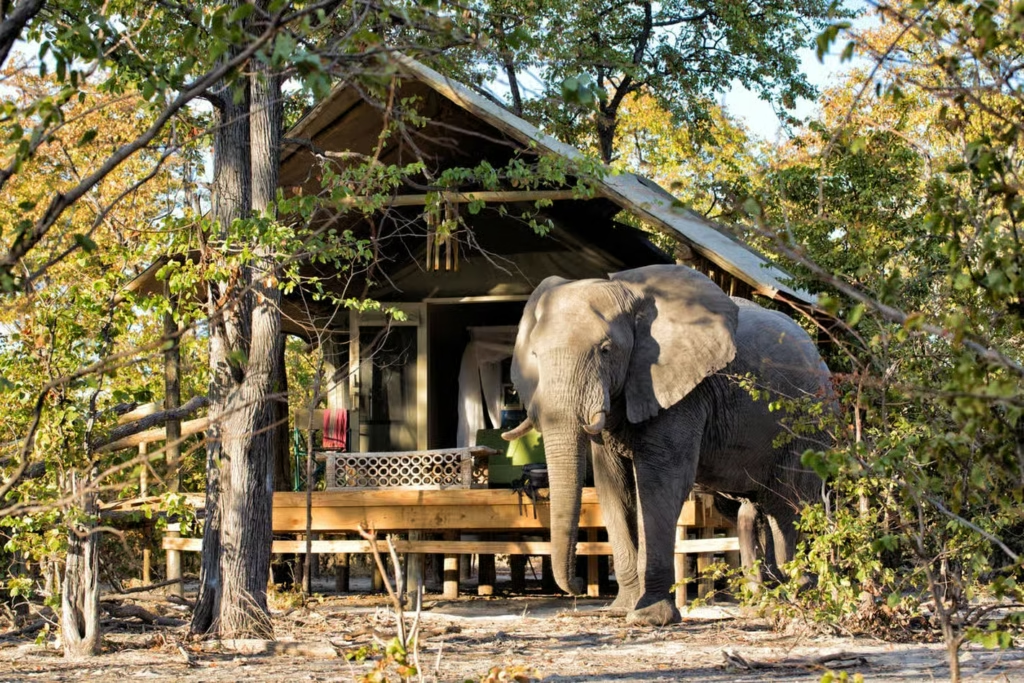
Travelers with more time frequently extend further to include Chobe National Park’s renowned elephant herds along with an add-on to Victoria Falls, one of the most popular and logistically simple extensions to any Botswana itinerary. Others choose to continue south into South Africa for a Kruger National Park safari or a Cape Town finale, or west into Namibia for the red dunes of Sossusvlei, a natural pairing given the Kalahari Desert’s own reach into Namibian territory.
For travelers who want to compare Botswana’s desert and water-based safaris with the classic East African circuit, we also design combined multi-country safaris that link a Central Kalahari trip with the Serengeti and the Great Wildebeest Migration in Tanzania, or with gorilla trekking in Rwanda for a primate-focused counterpart to the Kalahari’s big-cat and desert-adapted wildlife. Our Ultimate African Safari Guide and safari destinations guide both break down how these regions fit together depending on your travel dates and interests.
Given the reserve’s remoteness and fly-in access, the Central Kalahari is also a natural fit for our fly-in flying safari style of travel, and its walking-safari and stargazing focus makes it a strong candidate for our photography safari and cultural safari itineraries. Couples frequently build it into a honeymoon safari for its exceptional privacy, while families exploring Botswana’s wider circuit often ask us to include it as one leg of a broader family luxury safari.
What Should You Pack for a Central Kalahari Safari?
Packing for the Central Kalahari follows similar principles to the rest of Botswana, with a few adjustments for the reserve’s more extreme desert temperature swings and its fly-in-only access.
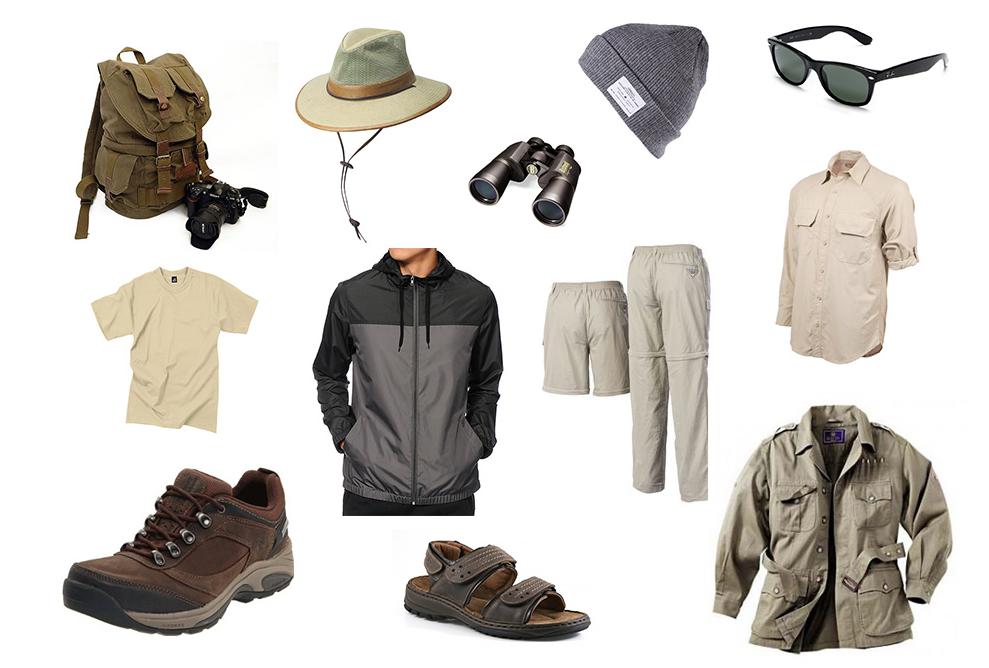
- Neutral-colored safari clothing in khaki, olive, and sand tones for game drives; avoid bright colors
- Serious layers for cold mornings and nights: Kalahari temperatures can swing from near-freezing before dawn in June and July to warm by midday, a wider daily range than the Delta or Chobe.
- Sun protection: a wide-brimmed hat, high-SPF sunscreen, and UV-protective sunglasses for intense desert sun
- Comfortable, closed walking shoes essential for guided walks with San trackers across sandy terrain
- A quality pair of binoculars for spotting the Kalahari’s dispersed desert wildlife at distance.
- A soft-sided duffel bag or hard-shell suitcase is typically not accepted on light aircraft to Kalahari bush airstrips.
- A camera with a versatile zoom lens is recommended, and a tripod is also useful if you are keen on astrophotography. The Kalahari’s dark skies are a genuine highlight for photographers
- Insect repellent malaria risk in the Central Kalahari is generally lower than in northern Botswana, but precautions should still be discussed with your doctor.
Is the Central Kalahari Safe, and Who Is It Best Suited For?
The Central Kalahari Game Reserve is safe to visit when arranged through an established operator with experienced guides and camps that follow strict wildlife-safety protocols, given that the camps here are unfenced and unescorted movement after dark is not permitted. Botswana overall is widely regarded as one of Africa’s most politically stable and safe countries to visit, and the Central Kalahari’s remoteness is best navigated with a knowledgeable operator rather than as an independent trip, particularly for first-time visitors to the region.
The Central Kalahari suits couples and honeymooners drawn to its privacy and romance, photography-focused travelers chasing dark skies and desert light, and repeat Africa travelers looking for a genuinely different safari after experiencing more classic destinations. Families are welcome at several camps, though minimum age policies vary and the walking-safari focus generally suits older children better than very young ones; our team can match your family to camps with age policies and activities appropriate to your children.
Why Book Your Central Kalahari Safari With Luxury Safaris Tanzania?
Luxury Safaris Tanzania has spent 15+ years designing private, tailor-made safaris across Africa for more than 10,000 travelers, and the Central Kalahari is one of the destinations we most enjoy recommending to guests who want to move beyond the classic safari circuit into something rarer. Every itinerary we build is fully bespoke, with no fixed departure dates, no shared group vehicles, and backed by ATOL protection for complete financial peace of mind.
- Expert-led planning: Our guides and consultants have first-hand knowledge of the Kalahari’s camps, seasons, and logistics
- Tailor-made itineraries for every trip are built around your dates, pace, and interests, not a fixed template
- Honest, informed guidance from seasonal trade-offs to the region’s cultural history; we brief every guest thoroughly so there are no surprises
- ATOL-protected bookings: your trip is financially protected from the moment you book.
- Seamless multi-country planning: we combine the Central Kalahari with the rest of Botswana, Southern Africa, and East Africa into one coherent, beautifully paced journey.
Browse our travel journal for more first-hand stories and destination guides, or explore our full Botswana travel guide and wider safari planning resources. When you are ready to start building your own Central Kalahari safari, our team is one message away.
Begin Your Central Kalahari Safari
Tell us your travel dates and interests, and we’ll design a private, tailor-made Central Kalahari itinerary with 15+ years of Africa expertise behind every detail.