
When is the best Time to Visit Zanzibar: A Month-by-Month Weather Guide
The best time to visit Zanzibar is during the cool, dry season from June to October, when humidity drops, rainfall is minimal, and steady southeasterly trade winds keep the Indian Ocean heat comfortable rather than oppressive. If you don’t mind more heat and higher humidity, December through February is a strong secondary window still largely dry, with warmer days and warmer sea temperatures, and typically better value than the June–October peak. The months to plan around, rather than book blindly through, are April and May, when Zanzibar’s long rains bring the heaviest and most sustained downpours of the year.

We’ve spent 15+ years building tailor-made Tanzania and Zanzibar itineraries, and one thing surprises almost every first-time guest: Zanzibar’s best months for lounging on a beach are not necessarily its best months for diving, kitesurfing, or spotting whale sharks off nearby Mafia Island. Below, we break down the island’s climate month by month, activity by activity, and traveler type by traveler type, using the same seasonal planning that has guided 10,000+ travelers to the right stretch of coastline at the right time of year.
Zanzibar Timing: Quick Facts
| At a Glance | Details |
| Best overall months | June – October (cool, dry Kusi season) |
| Best secondary window | December – February (hot, mostly dry) |
| Best for kitesurfing | June–September, when the southeast trade winds are most consistent |
| Best for diving & snorkeling visibility | September – March, when seas are generally calmer |
| Best for whale sharks (Mafia Island) | November – February, peaking around Nov/Dec |
| Months to avoid rigid plans | April and May (heaviest rains, some properties close) |
| Shoulder-season value window | November (short rains, brief afternoon showers, quieter beaches) |
| Typical daytime temperature | 28–33°C / 82–91°F year-round, cooler June–September |
| Sea temperature | Warm year-round, roughly 25–29°C / 77–84°F |
| Stone Town UNESCO status | World Heritage Site, inscribed in 2000 |
Weighing Zanzibar against a specific set of dates? Tell us when you’re free to travel, and we’ll tell you exactly what to expect.
When Should You Visit Zanzibar? A Quick Overview
Zanzibar sits just a few degrees south of the equator, in the Zanzibar Archipelago, so it never experiences a true ‘winter.’ What changes through the year is humidity, rainfall, and wind, not the basic warmth of the place. The island’s rhythm is set by the Indian Ocean monsoons: the Kusi, a cooler, drier southeast wind that dominates roughly June through October, and the Kaskazi, a warmer, more humid northeast wind that takes over from December through March. The island has two rainy seasons between the two monsoons: the short rains around November and the long rains from March through May.
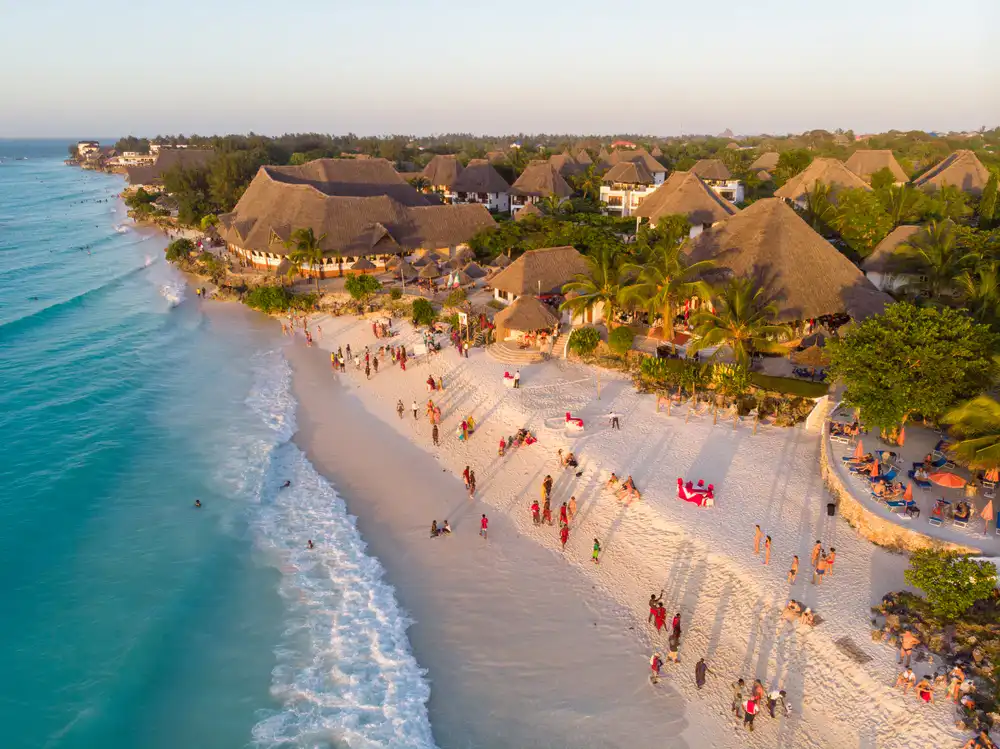
Most of our guests visit Zanzibar as the beach half of a wider Tanzania safari, and there’s a genuinely useful piece of insider knowledge here: the dry season that’s best for a Serengeti safari (June–October) is the same window that’s best for Zanzibar’s beaches. That overlap makes June through October the easiest season to plan a combined trip, though, as we’ll cover below; other months have their own distinct rewards, particularly for divers, kitesurfers, and travelers chasing lower prices.
Zanzibar’s Two Monsoon Seasons: Kusi vs. Kaskazi
Kusi Season (June to October): Cool, Dry, and Breezy
The Kusi is Zanzibar’s most popular season, and for good reason. Southeast trade winds keep temperatures and humidity in check, rainfall is minimal to non-existent for long stretches, and skies stay reliably clear. Daytime temperatures typically sit in the high 20s°C, evenings can turn genuinely pleasant, and the steady breeze that gives this season its character also makes it prime time for kitesurfing on the east coast around Paje and Jambiani. This is peak tourist season on the island, so beachfront resorts, particularly boutique properties, book up well ahead.
Kaskazi Season (December to March): Hot, Humid, and Still Largely Dry
The Kaskazi brings noticeably more heat and humidity, but it remains one of the drier stretches of the year outside of a handful of short, sharp showers. Sea temperatures climb to their warmest, the trade winds soften (better for calm-water swimming, less ideal for kitesurfing), and the island takes on a lush, tropical intensity. This period is also when Mafia Island’s whale shark season is at its most reliable, making December through February an excellent window for travelers combining Zanzibar with a marine wildlife extension.
The Two Rainy Seasons: Short Rains and Long Rains
November’s short rains are typically brief, often lasting no more than an hour in the late afternoon, followed by clear skies that are rarely enough to disrupt a beach holiday, and are genuinely underrated for value. The long rains, from March through May, are a different matter: April in particular sees the heaviest, most sustained rainfall of the year, with multi-day downpours possible and some smaller boutique lodges closing for annual refurbishment. Even so, Zanzibar rarely turns fully grey; showers often give way to hours of sun, and the landscape turns a vivid, saturated green.
| Period | Months | Feel | Best For | Crowds & Rates |
| Kusi (cool and dry) | Jun – Oct | Cooler, breezy, low humidity | Beach holidays, kitesurfing, combining with a Serengeti safari | Peak season book well ahead |
| Short rains | Nov | Brief afternoon showers, warm | Value-conscious travelers, quieter beaches | Good value, moderate crowds |
| Kaskazi (hot) | Dec – Mar | Hot, humid, mostly dry with short showers | Warm-water swimming, Mafia Island whale sharks | Busy over the festive period, quieter in Jan–Feb |
| Long rains | Apr – May | Heaviest, most sustained rainfall | Lowest rates, lush scenery, fewer other travelers | Lowest rates; some properties close. |
Whichever season fits your calendar, we’ll match it to the right stretch of coastline and the right pace. Reach out and we’ll start building your itinerary.
Zanzibar Month-by-Month: The Complete Timing Guide
Because most guests build Zanzibar into a longer Tanzania itinerary, we plan this timing alongside your mainland safari dates rather than in isolation. Here’s what to expect island-side in any given month.
January
Warm, sunny, and largely dry with only occasional short showers, January sits at the heart of the Kaskazi season. Sea temperatures are among the warmest of the year, making it an excellent month for swimming and calm-water snorkeling, and it’s also within the reliable window for whale shark encounters off Mafia Island. Beaches are busy over the New Year period before quieting down in the second half of the month.
February
Often cited as the hottest month on the island, February combines strong sun, warm seas, and generally dependable dry weather, with only brief interruptions. It’s a superb month for a Zanzibar honeymoon with warm, romantic evenings, fewer crowds than the December peak, and still within range for whale shark trips to Mafia Island. Pack accordingly: humidity is high, and midday sun is intense.
March
The first signs of the long rains typically appear by mid-to-late March, though early in the month conditions often remain warm and largely dry. This is a genuine transitional month some years stay pleasant throughout, others see rain arrive early so we recommend flexibility if you’re traveling specifically for beach weather. It remains a reasonable month for diving, with the sea still relatively calm before the rains stir up visibility.
April
April is Zanzibar’s wettest month, and it’s the one time of year we would steer most beach-focused travelers away unless they are chasing rock-bottom rates and don’t mind grey skies. Rain can be heavy and sustained, some smaller boutique properties close for maintenance, and humidity is at its peak. That said, the island’s forests and spice plantations, including a Jozani Forest visit to see the endemic red colobus monkey, are at their fullest and greenest.
May
Rain begins to ease as the month progresses, particularly in its second half, though downpours remain likely early on. Rates stay low and the island is at its quietest, which appeals to travelers who prioritize privacy and value over guaranteed sunshine. By late May, conditions are often improving fast enough that a well-timed trip can catch clearing skies at a fraction of high-season prices.
June
The Kusi season begins, and with it, a noticeable shift: humidity drops, the air feels lighter, and the steady southeast trade winds pick up welcome news for kitesurfers heading to Paje and Jambiani on the east coast. This period is also when the mainland dry season begins, so June marks the start of the easiest window to combine Zanzibar with a Serengeti safari.
July
One of the most popular months to visit, July delivers reliably dry, breezy, comfortable weather with strong trade winds, excellent for watersports and for anyone who finds the Kaskazi season’s humidity too intense. Peak-season crowds and rates apply, particularly at well-known beaches like Kendwa and Nungwi, so we recommend booking boutique properties several months ahead.
August
The weather remains excellent, dry, breezy, and comfortably warm rather than hot, and August is peak season both on Zanzibar and on the Tanzanian mainland, where the Serengeti’s Mara River crossings are also underway. Many of our guests time a two-week trip to catch both experiences back-to-back. Expect the busiest beaches and the highest rates of the year.
September
Conditions stay dry and breezy, with slightly less humidity than earlier in the Kusi season and generally excellent underwater visibility for diving and snorkeling around Mnemba Island and Pemba Island. It remains a high-demand month, particularly for travelers pairing Zanzibar with the tail end of the Serengeti’s dry-season game viewing.
October
The Kusi season winds down through October, with generally dry, pleasant weather continuing through most of the month before humidity starts to build toward its close. Crowds thin out compared to the August peak, making this period an excellent value-for-experience window with good weather without the highest-season prices and the start of the whale shark season building at Mafia Island.
November
Short, often spectacular afternoon showers arrive, usually clearing within an hour and rarely disrupting a full day on the beach. Crowds and rates both drop noticeably compared to the Kusi peak, and November also marks the beginning of the most reliable stretch for whale shark sightings off Mafia Island, which continues into December. It’s an underrated month for travelers who want genuine value without significant weather risk.
December
The Kaskazi season begins, bringing warmer, more humid conditions with generally good weather punctuated by occasional short showers. The festive period is Zanzibar’s busiest stretch of the Kaskazi season; resorts fill for Christmas and New Year, and rates rise accordingly, while whale shark sightings off Mafia Island remain excellent. Many of our guests close out a Tanzania safari here, trading dusty game-drive tracks for white sand over the holidays.
Best Time to Visit Zanzibar by Activity
Best Time for Kitesurfing and Watersports
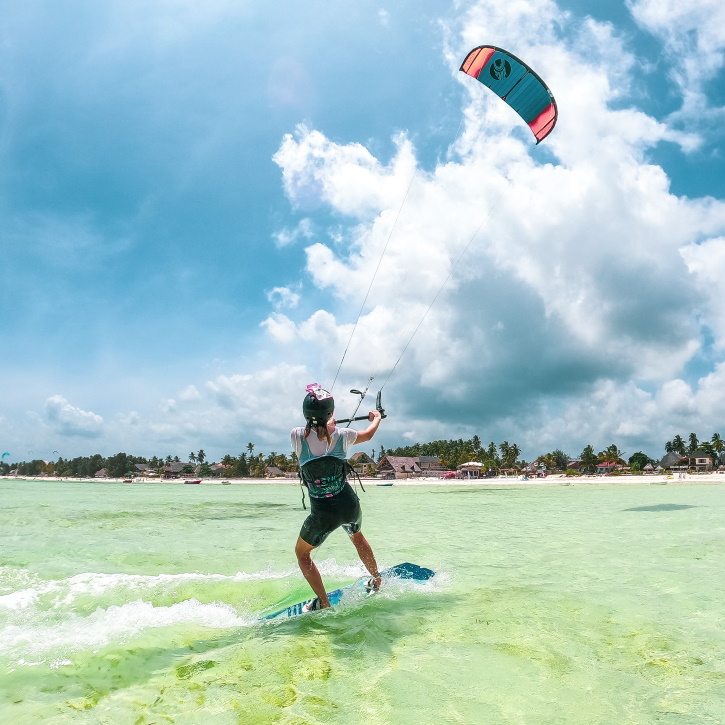
The best time for kitesurfing in Zanzibar is June through September, when the southeast Kusi trade winds blow most consistently across the shallow, warm-water lagoons of the east coast around Paje and Jambiani. Wind reliability drops off through October and largely disappears during the Kaskazi season from December to March, when the island’s watersports focus shifts toward calmer-water activities like snorkeling and stand-up paddleboarding.
Best Time for Diving and Snorkeling
Diving and snorkeling conditions are generally best from September through March, when seas tend to be calmer and underwater visibility improves, though Zanzibar’s reef life is present year-round. Mnemba Island, protected within the Mnemba Marine Park, is one of the archipelago’s premier dive sites, with coral gardens supporting reef fish, green turtles, and resident dolphin pods. April and May, during the heaviest rains, tend to bring the least reliable visibility of the year.
Best Time to See Whale Sharks at Mafia Island
Whale sharks are most reliably seen off Mafia Island, a short flight south of Zanzibar, from November through February, drawn close to shore by plankton carried out on the Rufiji River’s silt. This window falls squarely within Zanzibar’s warmer, more humid Kaskazi season, a useful pairing for travelers who don’t mind the heat in exchange for one of the ocean’s most extraordinary encounters. We regularly build a Mafia Island extension onto a Zanzibar stay for exactly this reason.
Best Time for Stone Town and Cultural Touring
Stone Town can be explored comfortably in any month, since most of its appeal, winding alleyways, carved doors, spice markets, and its status as a UNESCO World Heritage Site, lies indoors or in shaded lanes. That said, the cooler, drier Kusi season (June–October) makes for more comfortable walking tours, while the heaviest rains in April can make cobbled streets slippery and touring less pleasant. Our 3-day Zanzibar and Stone Town itinerary works well across most of the year.
Diving, kitesurfing, whale sharks, or simply a quiet beach the right month depends on what you’re chasing. Tell us your priorities and we’ll build the timing around them.
Best Time to Visit Zanzibar for Your Travel Style
Couples & Honeymooners

February and the shoulder months of October and November tend to be our top recommendations for couples: warm, generally dry weather with noticeably thinner crowds than the June–August or December peaks. Our 7-day Zanzibar honeymoon itinerary blends Stone Town, Jozani Forest, and a spice tour with beach time on the quieter southeast coast, timed to avoid the busiest resort weeks.
Families
June through September is the best time for families, offering the most dependable combination of dry weather, gentle trade-wind breezes to offset the heat, and school-holiday-friendly timing. Calmer, shallower beaches such as Kiwengwa and Pongwe on the east coast tend to suit families well, and pairing a few beach days with a short, easy Jozani Forest visit to see the endemic red colobus monkeys gives children an engaging break from sunbathing.
First-Time Africa Travelers
If Zanzibar is capping off your first Tanzania safari, June through October is the natural choice, since it aligns with the mainland’s dry-season game viewing and gives you dependable weather at both ends of the trip. We designed our 14-day Serengeti, Kilimanjaro, and Zanzibar itinerary, and the 11-day Tanzania safari and Zanzibar beach holiday are both built around exactly this seasonal logic.
Repeat Africa Travelers & Divers
Guests who’ve already experienced Zanzibar’s high season often ask us about the quieter Kaskazi months or about extending south to Pemba Island or Mafia Island for less-touristed diving. September remains a favorite for repeat divers thanks to its calm seas and strong visibility, while November through February draws those chasing whale sharks or simply better rates without significant weather risk.
Zanzibar Weather and Climate Year-Round
Zanzibar’s tropical monsoon climate keeps temperatures warm year-round, generally between the high 20s and low 30s°C, so the real seasonal variable is rainfall and humidity rather than heat. The figures below are general guidance; exact rainfall and temperature can shift year to year, so we recommend confirming current seasonal specifics with your safari specialist closer to travel.
| Period | Rainfall Pattern | Typical Feel |
| June – October (Kusi) | Little to no rain, breezy | Cooler, dry, comfortable, the most popular season |
| November (short rains) | Brief, often late-afternoon showers | Warm, humid, quick-clearing storms |
| December – March (Kaskazi) | Mostly dry with occasional short showers | Hot, humid, calmer winds, warm seas |
| April – May (long rains) | Heaviest, most sustained rainfall of the year | Hot, very humid, lush, and green |
Crowds, Prices, and Availability: Timing for Value
July, August, and the Christmas–New Year stretch of December carry the highest resort rates and the fullest beaches, particularly at well-known spots like Kendwa and Nungwi. Because we design tailor-made private itineraries rather than working from a fixed package list, we’re able to steer guests toward quieter stretches of coastline Pongwe, Michamvi-Kae, or the southeast around Jambiani even during the busiest weeks, without sacrificing the quality of the beach or the lodge.
For the best value without meaningful weather compromise, we typically recommend November or the second half of October: rates drop noticeably from the August peak, beaches are calmer, and the weather remains largely cooperative. Every quote we prepare is fully ATOL-protected, so your payments and travel arrangements stay financially safeguarded whichever season you choose.
How We Perfectly Time a Zanzibar & Safari Combination
Most of our guests aren’t choosing Zanzibar in isolation; they’re deciding how to sequence it against a mainland safari. Here’s how we approach that planning:
- Understand your full trip window. We start with your total available travel time and work backward from there, rather than treating Zanzibar and the safari as separate bookings.
- First, anchor to the safari’s timing. Because game viewing is more date-sensitive than beach weather, we typically lock in your Serengeti or Ngorongoro dates first, then fit Zanzibar around them.
- Match the season to your priorities. If diving or whale sharks matter more than beach crowds, we may recommend the Kaskazi season even if it falls outside the classic dry-season safari window.
- Choose the right coastline. Kitesurfers head east to Paje and Jambiani; couples and divers often prefer the northeast around Matemwe and Mnemba; families do well on the calmer east-coast beaches near Kiwengwa.
- Confirm and protect the full itinerary. Flights between the mainland and Zanzibar, transfers, and accommodation are all quoted transparently and backed by ATOL protection before you commit.
Where to Stay in Zanzibar by Priority
Zanzibar’s varied coastline means that where you stay is as important as when you travel. A few of the experiences we return to for our guests:
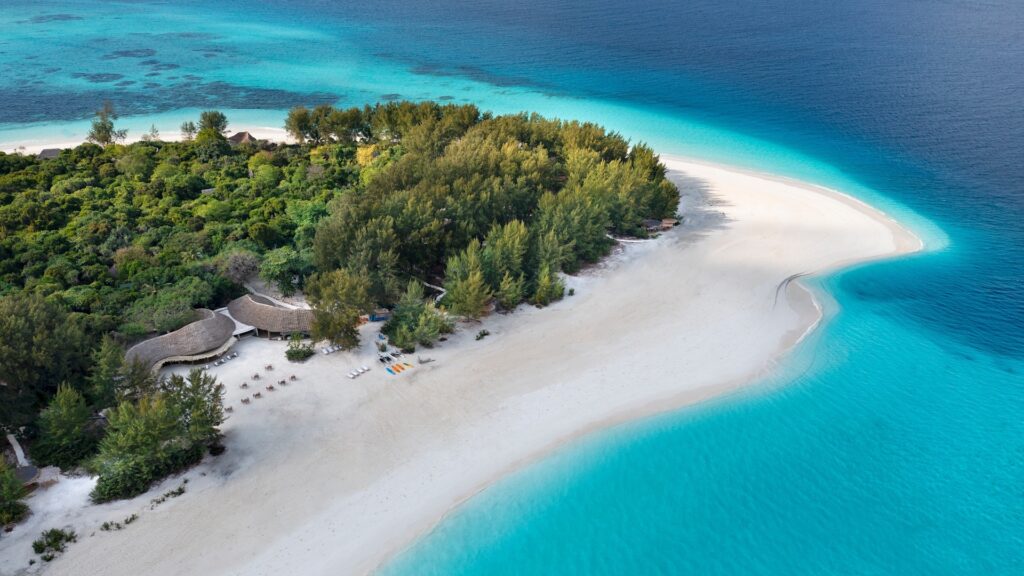
- &Beyond Mnemba Island, a private island off the northeast coast, is exceptional for diving and snorkeling and an idyllic place close to a safari.
- Pemba Island is quieter, less developed, and known for some of the best diving in the archipelago.
- Mafia Island, home to Tanzania’s largest marine park and the region’s most reliable whale shark encounters.
- Fanjove Island, a remote, cast-awar-style private island for travelers seeking genuine seclusion.
Combining Zanzibar Timing With the Rest of Your Tanzania Safari
The June–October dry season is the most straightforward time to plan a combined trip because it provides ideal weather for both the mainland safari circuit and Zanzibar’s best beaches. A Serengeti safari paired with the Great Wildebeest Migration from July through October flows naturally into a week on Zanzibar’s beaches, and our 16-day Rwanda, Tanzania & Zanzibar safari shows how far that combination can extend for guests with more time.
For a shorter add-on, our 2-day Nyerere (Selous) safari from Zanzibar is a popular way to fit a taste of mainland wildlife into a beach-focused trip without a long detour, since Nyerere National Park is a comparatively short flight from Zanzibar. For travelers building a longer mainland itinerary first, our general guide to the best time to visit Tanzania covers timing across the entire country.
Practical Notes: Culture, Dress, and Ramadan
Zanzibar’s population is predominantly Muslim, and the island observes Ramadan with modest, respectful public conduct expected of visitors, particularly away from resort grounds. During Ramadan, some restaurants and shops outside hotel properties may close or adjust hours until after sunset, and modest dress covering shoulders and knees is appreciated in Stone Town and local villages, even though beach and resort areas are more relaxed. Ramadan’s dates shift each year on the lunar calendar, so we always flag the current-year dates to guests traveling during that window.