Explore how to enjoy a luxury safari in Tanzania while staying carbon-conscious. Learn about eco-friendly camps, solar energy, conservation investments, and responsible travel practices that protect wildlife and communities.
Luxury travel and sustainability are no longer opposites. In Tanzania, some of the most refined safari experiences now operate with a carbon-conscious framework, proving that environmental responsibility and indulgence can coexist. A carbon-conscious luxury safari doesn’t erase your footprint entirely, but it reduces, manages, and offsets it intelligently, allowing you to immerse yourself in the Serengeti or Ruaha while protecting the ecosystems that make these journeys possible.
This guide explores how Tanzania’s luxury safari industry is redefining travel with eco-friendly practices, conservation investments, and community-driven sustainability, all without compromising comfort.
Low-Impact Camp Design
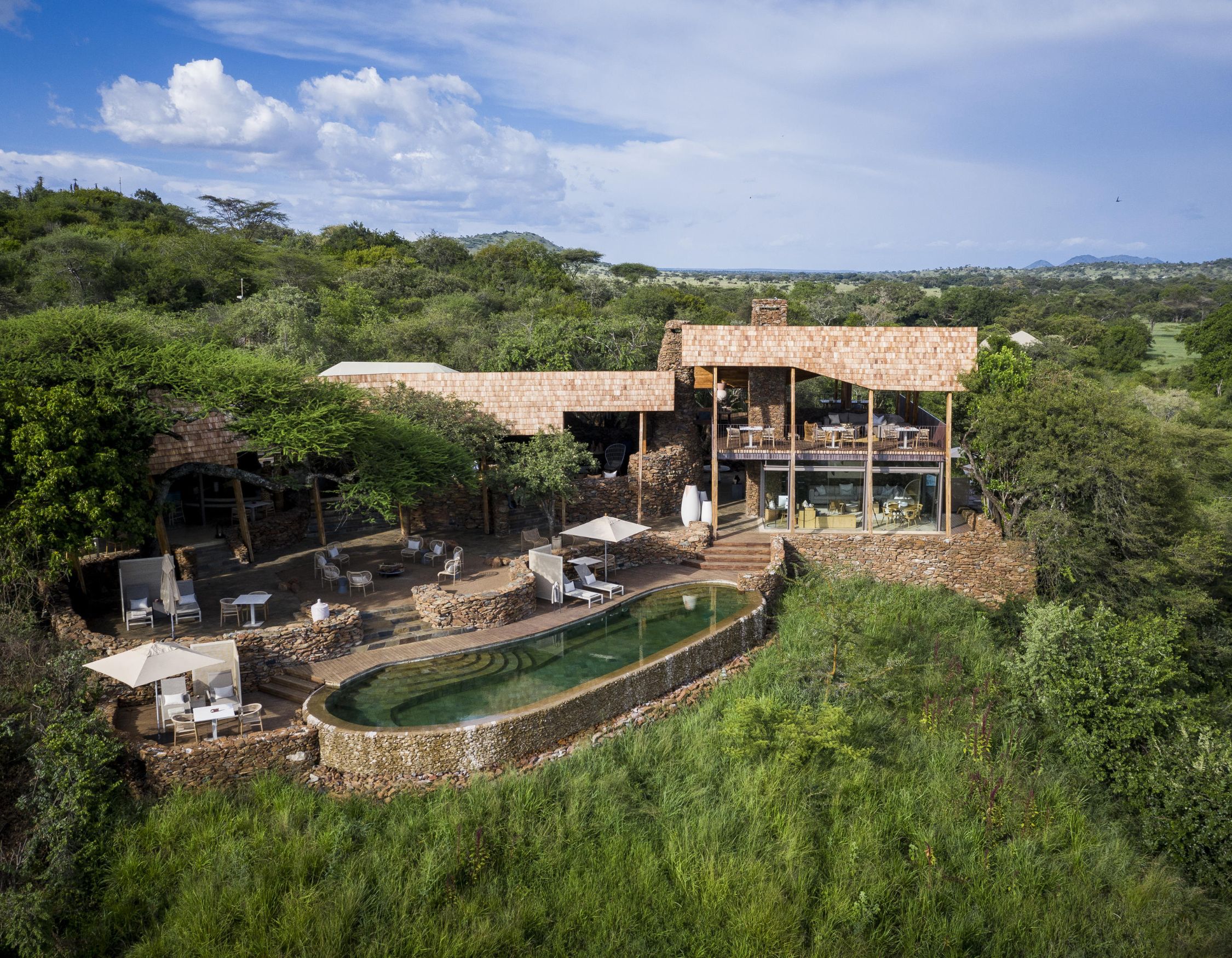
The foundation of a carbon-conscious safari begins with eco-sensitive lodge construction and operations. Many high-end camps now run on solar power systems, reducing reliance on fuel generators. Battery storage ensures lighting, refrigeration, and charging stations operate seamlessly without continuous fuel consumption.

Architectural design also plays a role:
- Elevated tent platforms minimize ground disturbance.
- Open-air structures enhance natural ventilation, reducing the need for artificial cooling.
- Locally sourced materials cut down on transportation emissions during construction.
Smaller camp sizes with limited suites further reduce energy demand, ensuring that luxury remains intimate and environmentally responsible.
Solar Energy and Water Management
Solar energy is at the heart of sustainable safari operations. Many camps in Tanzania now run almost entirely off-grid, powered by solar microgrids. Renewable energy supports guest suites, kitchens, and operational areas.
Water management is equally critical:
- Greywater recycling systems prevent waste.
- Controlled borehole extraction protects fragile ecosystems.
- Advanced filtration systems ensure safe water without excess consumption.
Luxury does not mean excess; it means refinement paired with responsibility.
Carbon Offsetting and Conservation Investment.
Many high-end safari operators participate in structured carbon offset programs. These initiatives invest in reforestation, habitat restoration, and community-based environmental projects. While offsetting does not erase emissions, it contributes to long-term ecological balance.

In Tanzania, some camps support wildlife corridors, anti-poaching initiatives, and land restoration efforts. By funding conservation work directly, luxury safari operations create measurable environmental benefits beyond tourism revenue alone.
Examine how businesses reinvest in conservation rather than depending only on marketing claims when assessing carbon-conscious options.
Flight Considerations and Responsible Aviation.
Bush flights form an integral part of many luxury safaris. While aviation contributes to carbon output, strategic planning can reduce unnecessary air segments. Combining parks efficiently, avoiding backtracking, and selecting optimal routing minimizes flight time.
Some travelers choose to offset flight emissions through certified global programs. Others prioritize camps located within strong wildlife zones to reduce the need for excessive internal transfers.
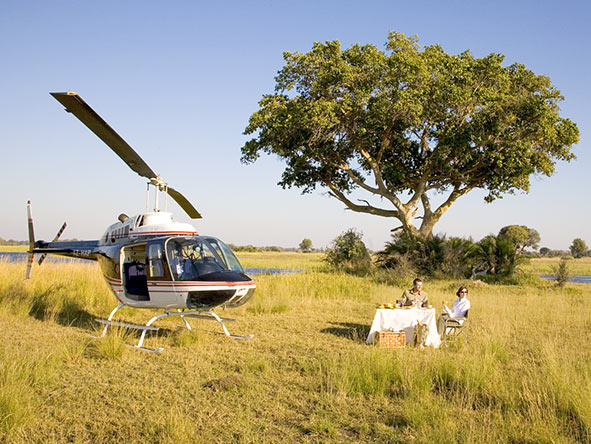
Private charters increase flexibility but also increase carbon output. Scheduled bush flights shared among guests distribute emissions more efficiently. Choosing the right aviation structure can balance comfort and responsibility.
Responsible Vehicle Use in Tanzania Parks.
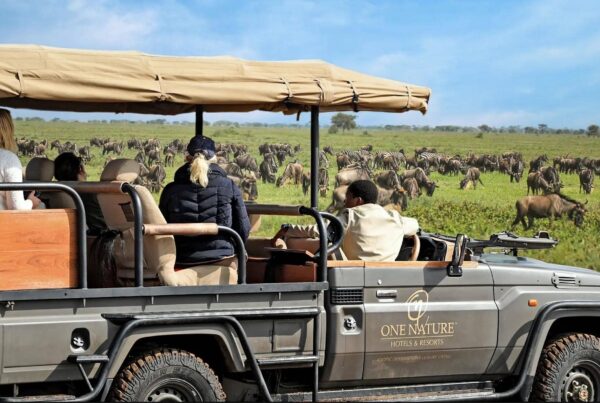
Game drives require 4×4 vehicles adapted to rugged terrain. Carbon-conscious operators maintain well-serviced engines, controlled idling policies, and optimized routing to reduce fuel consumption. Some camps experiment with hybrid or low-emission vehicles where terrain allows.
Strict wildlife viewing protocols also reduce environmental stress. Responsible driving protects vegetation, limits off-road damage, and preserves long-term ecosystem integrity.
Supporting Community-Led Sustainability
Carbon-conscious safaris extend beyond energy systems. Camps that invest in local employment, supply chains, and education initiatives reduce broader environmental pressure. When local communities benefit economically from tourism, pressure on land conversion and wildlife conflict decreases.
Supporting community-driven sustainability initiatives strengthens conservation at a grassroots level.

Carbon-conscious luxury safari options in Tanzania demonstrate that environmental responsibility and refined travel can coexist. Through solar energy, limited-impact construction, efficient logistics, and conservation reinvestment, high-end safari experiences now operate with greater ecological awareness than ever before.
Choosing these options does not reduce comfort. It deepens the value of your journey by aligning your experience with long-term environmental stewardship.
Why Carbon-Conscious Luxury Matters
Choosing a carbon-conscious safari doesn’t mean sacrificing comfort. Instead, it deepens the value of your journey by aligning your experience with environmental stewardship. From solar-powered Serengeti camps to low-impact southern wilderness concessions, Tanzania offers luxury safaris that are both indulgent and responsible.
Carbon-conscious luxury safaris in Tanzania prove that refined travel and sustainability can coexist. Through solar energy, eco-sensitive design, efficient logistics, and conservation reinvestment, travelers can enjoy extraordinary wildlife immersion while protecting the ecosystems that make it possible.
By choosing these options, you’re not just experiencing the Serengeti; you’re actively contributing to its preservation. Luxury becomes more meaningful when it’s paired with responsibility, ensuring that future generations can witness the same breathtaking migration, landscapes, and wildlife.