
Best Time to Visit Selous Game Reserve (Nyerere): Complete Seasonal Guide
The best time to visit Selous Game Reserve, officially Nyerere National Park, is during the dry season from late June through October, when wildlife concentrates densely around the Rufiji River, vegetation thins for excellent visibility, and both game drives and boat safaris run at their best. December through February offers a beautiful, less-crowded, lower-cost alternative with lush green scenery and prime birdwatching, while April and May bring the heaviest rains and some camp closures.

Selous Game Reserve, now largely known as Nyerere National Park, is Africa’s largest national park and one of the continent’s last truly wild frontiers, a place where the Rufiji River carves through 30,893 square kilometers of miombo woodland, doum palm groves, and open floodplain. Timing your visit correctly here matters more than almost anywhere else in Tanzania, because unlike the Serengeti’s year-round predictability, Nyerere’s rivers, roads, and even its lodges shift dramatically between the dry and wet months. We’ve been designing tailor-made Tanzania safaris for over 15 years, and Nyerere National Park remains one of the destinations our repeat travelers request most, precisely because so few operators get the seasonal planning right. Below, we break down exactly when to go, what each season looks like on the ground, and how to build the timing of your Selous safari around the experiences that matter most to you.
Selous Game Reserve / Nyerere National Park: Quick Facts
| QUICK FACT | DETAILS |
| Best Overall Months | Late June through October (dry season) |
| Best Value / Green Season | December through February |
| Months to Approach with Caution | April and May (long rains, some camp closures) |
| Best for Boat Safaris | June through October, when Rufiji River levels are lower and calmer |
| Best for Birdwatching | November through April, when Palearctic migrants arrive |
| Daytime Temperatures, Dry Season | 27°C – 31°C (81°F – 88°F) |
| Daytime Temperatures, Wet Season | 25°C – 29°C (77°F – 84°F) |
| Park Size (Nyerere National Park) | 30,893 km²; Africa’s largest national park |
| Access from Zanzibar / Dar es Salaam | Approx. 30–45 minute scheduled flight |
| Access by Road from Dar es Salaam | Approx. 230 km / 4–5 hours to Mtemere Gate |
| UNESCO Status | World Heritage Site since 1982 (on the List of World Heritage in Danger since 2014) |
| Signature Experiences | Boat safaris on the Rufiji River, walking safaris, Big Five game drives |
Understanding Nyerere National Park’s Three Seasons
Nyerere National Park experiences three distinct seasons, and understanding how each one affects wildlife, access, and comfort is the single most useful piece of planning knowledge for a Selous safari. Because the park is built around the Rufiji River system, water levels drive almost everything here, far more so than in the drier northern circuit parks like Ngorongoro Conservation Area or Tarangire. Below is how each season actually feels on the ground, based on more than a decade of sending guests through the park in every month of the year.
Dry Season (Late June – October): Peak Game Viewing
The dry season is Nyerere National Park’s undisputed high season, and for good reason. As surface water disappears from the wider park, wildlife funnels toward the Rufiji River, Lake Manze, and Lake Tagalala in numbers that make game drives extraordinarily productive. Vegetation dies back and thins out, opening long sightlines across the floodplain that make spotting lion, elephant, and the park’s substantial buffalo herds far easier than at any other time of year. Rain is essentially absent, roads are firm and fully passable, and every lodge and tented camp in the park is open and operating at full capacity. This is also, unsurprisingly, the busiest and most expensive period to visit, so early booking through our team via the contact page is essential if your dates fall between July and September.
Green Season (December – February): The Quiet Sweet Spot
The green season sits between the two rainy periods and is, in our experience, one of the most underrated windows to visit Nyerere National Park. Short, often brief afternoon showers refresh the landscape without disrupting travel, transforming the park into a lush, richly colored backdrop that photographers consistently rate among their favorites. Wildlife disperses more widely across the park since water is available beyond the main river system, which means game drives require a touch more patience but are rewarded with predators denning with young and a landscape virtually free of other vehicles. Lodge rates during these months typically drop 20 to 30 percent below peak pricing, making this an excellent choice for couples and repeat travelers who value privacy and value over guaranteed maximum density.
Long Rains (April – Early May): The Off-Season
April and the first half of May bring Nyerere National Park’s heaviest, most consistent rainfall, and this is genuinely the one period we ask travelers to plan around carefully. Several tented camps close entirely during this window for annual maintenance, some roads become difficult or impassable, and the swollen Rufiji River can force the suspension of boat safaris for safety reasons. That said, the park does not close, and travelers who don’t mind unpredictable weather are rewarded with the lowest rates of the year, virtually no other visitors, and a wonderfully verdant landscape. If your only available dates fall in this window, we recommend speaking with our team directly so we can confirm which specific camps remain open and adjust your itinerary accordingly, perhaps pairing it with drier-weather time on the Zanzibar coast.
Month-by-Month Guide to Visiting Selous Game Reserve
For travellers who want a more granular view, here is how each month typically plays out in Nyerere National Park. Bear in mind that rainfall patterns shift somewhat from year to year, so treat these as reliable seasonal patterns rather than guarantees.
| MONTH | CONDITIONS IN NYERERE / SELOUS | RATING | ||
| January | The green season continues: short grass, dispersed wildlife, occasional afternoon showers, and excellent value. | GOOD | ||
| February | One of the best birdwatching months, nesting resident species are still relatively quiet and available. | GOOD | ||
| March | Short rains build toward the long rains; roads are still generally passable, but conditions can turn quickly. | FAIR | ||
| April | Heaviest rainfall of the year; several camps close; boat safaris frequently suspended; lowest rates. | AVOID | ||
| May | Long rains continue into the first half of the month, then begin easing; camps gradually reopen. | FAIR | ||
| June | The dry season begins, the landscape firms up, and wildlife starts concentrating around permanent water. | VERY GOOD | ||
| July | Peak dry season; excellent game drives and boat safaris; comfortable, warm, dry conditions. | BEST | ||
| August | Peak season continues, with the highest wildlife concentration around the Rufiji; book well ahead. | BEST | ||
| September | Still peak dry-season conditions; slightly fewer crowds than July–August; superb visibility. | BEST | ||
| October | The dry season winds down, the last reliably dry month; wildlife is still concentrated, and good value emerges. | VERY GOOD | ||
| November | Short rains begin, migratory birds arrive, the landscape starts greening, and there are fewer tourists. | GOOD | ||
| December | The green season begins in earnest, with festive-season travel, pleasant temperatures, and good value. | GOOD | ||
Not Sure Which Season Fits Your Trip?Every one of our Tanzania itineraries is tailor-made around your priorities, whether that’s guaranteed dry-season wildlife density, green-season photography light, or the best value for a longer multi-park journey. Tell us your travel dates and we’ll tell you exactly what to expect. → Talk to a Safari Expert | WhatsApp/Call: +255 683 311 134 | info@luxurysafaristanzania.com |
||||
Best Time to Visit for Specific Selous / Nyerere Experiences
Nyerere National Park’s single biggest advantage over the northern circuit is the sheer range of activities on offer: game drives, walking safaris, and boat safaris on the Rufiji River all in one place. Each experience has its own ideal timing window, so here’s how to plan around the specific activities that matter most to you.
Best Time for Big Five Game Drives
The dry season, June through October, is unquestionably the best time for Big Five game drives in Nyerere National Park. Thinning vegetation and concentrated wildlife around the Rufiji River system mean guides can track lion prides, elephant herds, and the park’s substantial buffalo populations with far greater consistency than during the green season. Leopard sightings, always a matter of patience anywhere in Africa, improve noticeably in the dry months as riverine cover thins and cats move more openly along the water’s edge. Our expert guides know precisely which stretches of riverfront produce the most reliable sightings during any given month, a level of local knowledge that only comes from years of running safaris in this specific park.
Best Time for Boat Safaris on the Rufiji River
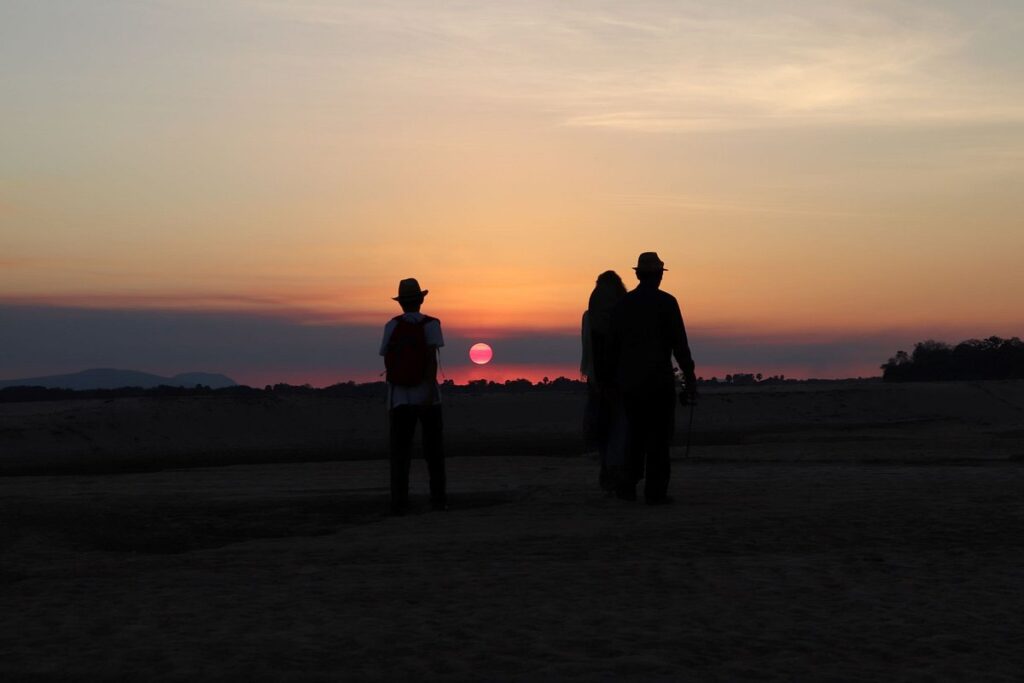
Boat safaris are Nyerere National Park’s signature experience, and June through October offer the best conditions, when lower, calmer water levels bring hippos, crocodiles, elephants, and an extraordinary array of waterbirds into close, easy view. A boat safari down the Rufiji is unlike anything available in Tanzania’s northern parks and remains one of the top reasons repeat Africa travelers specifically request Nyerere over a return trip to the Serengeti. During April and May, rising water levels can force temporary suspension of river routes, so if a boat safari is a non-negotiable part of your trip, we recommend locking in dry-season dates.
Best Time for Walking Safaris
Walking safaris run throughout the dry season in Nyerere National Park, accompanied always by an armed ranger, and are at their most comfortable between June and October when firm ground and cooler morning temperatures make for pleasant multi-hour outings. The green season also offers walking safaris, though guides will typically keep routes shorter and closer to camp given softer ground conditions. Either way, walking safaris here reveal details a vehicle simply can’t, tracks, dung, birdlife, and the small, overlooked creatures that make up the wider Nyerere ecosystem.
Best Time for Birdwatching
November through April is prime birdwatching season in Nyerere National Park, when Palearctic migrants join the park’s resident population of more than 400 recorded species. February stands out in particular, coinciding with nesting season for many resident birds against the backdrop of an early, lush green season. Dry-season visitors are not left out, however; raptors and waterbirds remain highly active around the Rufiji River’s shrinking waterholes between June and October, so birding rewards patient travelers in essentially any month.
Best Time for Photography
Photographers tend to split into two camps on Nyerere National Park’s best season, and both have a legitimate case. The dry season delivers dust-lit golden hour light, dramatic silhouettes at the Rufiji’s shrinking waterholes, and reliably clear skies for wide landscape shots. The green season, by contrast, produces the kind of saturated color, dramatic cloud formations, and soft diffused light that many serious photography safari clients specifically travel for, along with the enormous advantage of having sightings almost entirely to themselves. If image-making is your priority, tell our team when you inquire, and we’ll help you choose the season and the specific lodge that suits your creative goals.
Combining Selous / Nyerere with the Serengeti and Northern Circuit
One of the most common questions we field is how to combine a Nyerere National Park safari with the northern circuit’s famous Great Wildebeest Migration, and the good news is that the two regions’ best seasons overlap comfortably. Both destinations are at their driest, most wildlife-dense best between roughly June and October, which means a single itinerary can deliver Mara River crossings in the north and Rufiji River boat safaris in the south without compromising on timing for either. A short scheduled flight, generally under two hours, connects southern Tanzania’s airstrips to Arusha or the Serengeti’s own airstrips, making a two-park combination logistically straightforward. Our 7-Day Mikumi, Udzungwa, Ruaha, and Selous Safari is a popular starting point for guests who want to see the full southern circuit before flying north, while others prefer to bookend Nyerere with a few days on the Serengeti plains and a final stretch of beach time in Zanzibar.
Best Time to Visit Selous Game Reserve by Traveller Type.
For Couples and Honeymooners
Couples and honeymooners tend to gravitate toward the green season, December through February, when lodges are quieter, rates are lower, and the privacy of having a boat safari or a sundowner deck largely to yourselves feels genuinely romantic. Nyerere’s intimate camps, several with just six to twelve guest tents, suit couples particularly well regardless of season, but the hush of the green season amplifies that sense of seclusion. We build many of our honeymoon safari itineraries around a Nyerere stay paired with a Zanzibar beach finale.
For Families
Families generally do best visiting Nyerere National Park during the June-to-October dry season, when firmer roads, predictable weather, and higher wildlife density make for a smoother experience with children in tow. Boat safaris in particular are a family favorite here, offering an engaging, comfortable alternative to long hours in a game-drive vehicle, ideal for younger children who need a change of pace partway through the day. Several of the park’s camps welcome children of all ages and can arrange dedicated family activities, and our family luxury safari itineraries, including our 12-Day Family Luxury Tanzania Safari and Zanzibar Beach Holiday, are specifically designed with multi-generational groups in mind.
For First-Time Africa Travellers
First-timers are often better served visiting Nyerere National Park during the dry season, when guaranteed wildlife concentration and reliable weather make for the smoothest possible introduction to an African safari. That said, if Nyerere is your very first stop in Tanzania, we frequently recommend beginning with a few days in the more classically photogenic Serengeti or Ngorongoro before flying south so that the contrast between the busy northern circuit and Nyerere’s wilder, quieter atmosphere becomes part of the story of your trip. Our team routinely designs first-time itineraries this way, sequencing parks so each new destination builds on the last.
For Repeat Africa Travellers
Repeat Africa travelers, those who have already experienced the Serengeti and Ngorongoro, are precisely the audience Nyerere National Park was built for. The green season here rewards experienced safari-goers with genuinely private sightings, denning predators, and a level of solitude simply unavailable in the northern circuit during peak months. Combine this with cultural excursions to villages along the Rufiji, arranged through our cultural safari tours, and repeat travelers routinely tell us that Nyerere delivered the most memorable days of their entire trip.
Weather and Climate in Nyerere National Park Year-Round
Nyerere National Park sits within Tanzania’s tropical savanna climate zone, though its lower-altitude, more southerly position makes it noticeably warmer and more humid than the highland parks of the northern circuit. Understanding the broader climate patterns across Tanzania helps put Nyerere’s specific rhythms in context, since the same broad dry-and-wet cycle governs most of the country’s safari destinations. Average daytime temperatures range from a comfortable 25°C in the cooler green-season months up to 31°C at the height of the October dry season, with humidity climbing noticeably in the wet months given the park’s proximity to the Indian Ocean coast. Nights and early mornings, even in the warmest months, can dip into the high teens Celsius, so packing a light layer for pre-dawn boat safaris and game drives is essential regardless of when you travel. According to the Tanzania Tourist Board, the country’s dry season generally aligns with June through October and December through February, patterns that hold true within Nyerere National Park as well.
Crowds and Pricing by Season
Nyerere National Park has never suffered the vehicle congestion of the Serengeti’s most famous crossing points, but crowd levels and pricing still shift meaningfully by season. July through September represents the highest lodge occupancy and pricing of the year, driven by both dry-season wildlife density and overlapping demand from travelers combining a Nyerere stay with the northern circuit’s migration season. Rates typically ease by 15 to 20 percent in the November and June shoulder windows and drop 20 to 30 percent further during the December-to-February green season, without any meaningful compromise in wildlife viewing quality. April and early May bring the lowest rates of the year, alongside the caveats around camp closures and boat safari suspensions discussed earlier. As with any luxury safari, we recommend booking dry-season dates at least six months ahead, since the park’s limited number of high-end camps sell out well in advance of peak months.
Ready to Build Your Nyerere National Park Itinerary?As an ATOL-protected operator with over 12 years of Tanzania safari experience and more than 10,000 satisfied travelers, we handle every detail of your Selous safari, from lodge selection and seasonal timing to flights, boat safaris, and cultural excursions. → Start Planning Your Safari | WhatsApp/Call: +255 683 311 134 | info@luxurysafaristanzania.com |
How to Get to Nyerere National Park
Reaching Nyerere National Park is straightforward once you know the two main options, and the right choice largely depends on the rest of your Tanzania itinerary and how much time you have. Here is the process we typically follow when arranging travel for our guests.
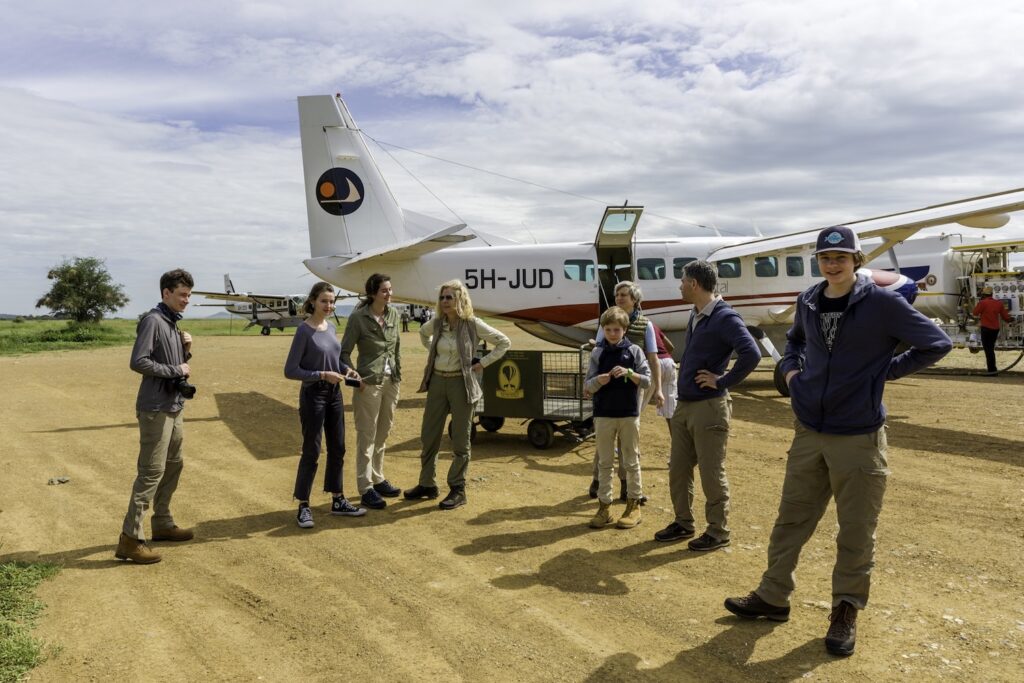
- Fly directly: Scheduled light-aircraft flights connect Zanzibar and Dar es Salaam to airstrips inside Nyerere National Park in approximately 30 to 45 minutes, the option we recommend for most travelers, especially those short on time or combining a beach stay.
- Drive from Dar es Salaam: The road route covers roughly 230 kilometers and takes four to five hours to reach the Mtemere Gate, a good option if you’re combining Nyerere with an overland southern circuit route through Mikumi National Park and Ruaha National Park.
- Combine with the southern circuit: Travellers with more time often link Nyerere with Udzungwa Mountains National Park for a broader southern Tanzania itinerary that showcases a very different side of the country from the northern circuit.
- Fly onward to the northern circuit: A further short flight, generally under two hours, connects southern airstrips to Arusha or the Serengeti for guests combining Nyerere with the Great Migration in the same trip.
- Confirm seasonal access with us first: Because road conditions and flight schedules can shift during the April-May long rains, we always confirm current access arrangements with our on-the-ground partners before finalizing your booking.
Where to Stay in Nyerere National Park by Season.
Your choice of lodge affects how much you’ll notice seasonal shifts, since some camps are built specifically for dry-season river access while others operate comfortably year-round. The Retreat Selous is among our most recommended properties in the park, prized for its riverside setting and reliable year-round operation, making it a strong choice whether you’re visiting at the height of the dry season or during the quieter green-season months. When we design your itinerary, we match your travel dates against each camp’s actual seasonal operating calendar rather than relying on generic listings, since closures and access can shift slightly from year to year depending on rainfall. Guests combining Nyerere with the rest of the southern circuit often also stay a night or two near Ruaha National Park, which operates on a broadly similar seasonal rhythm.
Selous Itineraries: Building a Trip Around Nyerere’s Seasons
The right itinerary length and structure for Nyerere National Park depends heavily on how much time you have and what else you’d like to see in Tanzania. Below are a few of the combinations we build most frequently for our guests.
- Short beach-and-bush escape: Our 2-Day Nyerere (Selous) Safari from Zanzibar pairs a short flight from the island with a boat safari on the Rufiji and a full day of game drives, ideal for beach-holiday travelers who want a taste of the bush without giving up multiple days of sun.
- Full southern circuit: Our 7-Day Mikumi, Udzungwa, Ruaha, and Selous Safari links four distinct southern parks in one tailor-made journey, best undertaken during the June-to-October dry season when road conditions between parks are at their most reliable.
- Family safari and beach combination: Our 12-Day Family Luxury Tanzania Safari and Zanzibar Beach Holiday weaves a Nyerere stay into a broader northern-circuit-and-beach itinerary designed specifically for multi-generational groups.
- North-and-south grand safari: Guests with 10 or more days available often combine Nyerere with the Serengeti and Ngorongoro Crater, timing the whole trip within the shared June-to-October dry-season window for consistently strong wildlife viewing throughout.
Whichever combination appeals to you, our team designs every itinerary from scratch around your travel dates, budget, and interests. Read more about our approach and our guides’ local expertise on our About Us page, or browse the full range of Tanzania safari packages to see how a Nyerere stay might fit into your wider trip.