
Gombe Stream National Park.
Gombe Stream National Park is Tanzania’s smallest national park, a roughly 35-square-kilometer ribbon of forested valleys on the eastern shore of Lake Tanganyika, just north of Kigoma. It is where Jane Goodall began the world’s longest-running study of wild chimpanzees on 14 July 1960. There is no road in. You arrive by boat from Kigoma, spend an hour on foot with habituated chimpanzees, and return to a lakeside bed with the sound of water on the shingle.
Some wildlife experiences are loud: a million wildebeest hitting the Mara River and a lion kill at dawn on the Serengeti plains. Gombe is the opposite. It is quiet, green, slightly steep, and deeply personal. You follow a ranger up a forest path, you hear a pant-hoot somewhere ahead, and then a chimpanzee you have only ever seen on a documentary screen is sitting three arm-lengths away, picking through a fig, and looking back at you with an unnerving intelligence.
At Luxury Safaris Tanzania, we have spent more than 15 years designing private, tailor-made journeys across East Africa, and we have sent travelers into Gombe’s forest more times than we can count. This guide is the one we wish every client could read before they book. It covers how Gombe works, who the chimpanzees are, what trekking really involves, the best months to go, how to get there without wasting a day, where to sleep, how it compares with Mahale and the remarkable-ape forests of Rwanda and Uganda, and how to weave it into a wider Tanzania itinerary. Our guides lead you with expertise, we build our itineraries around you alone, and we plainly say when something changes on the ground.
| Detail | What you need to know |
| Location | Kigoma Region, western Tanzania, on the eastern shore of Lake Tanganyika, about 16 km north of Kigoma town |
| Size | Approximately 35 sq km (operators quote figures from 35 to 60 sq km) |
| Status | Game Reserve 1943; national park since 1968 |
| Famous for | Jane Goodall’s chimpanzee research started in 1960 and is the longest-running wild chimpanzee study in the world. |
| Chimpanzees | Roughly 90 individuals in three communities: Kasekela, Mitumba, and the unhabituated Kalande |
| Main activity | Guided chimpanzee trekking, about one hour with the chimpanzees once found |
| Access | Boat only, from Kigoma (about one hour by private speedboat, longer by public lake taxi) |
| Best time | June to October (dry season); open year-round |
| Minimum age | 12 years for chimpanzee trekking |
| Ideal stay | 2 nights minimum; 3 nights lets you trek twice and walk to the waterfall. |
Gombe Stream National Park is a protected forest reserve in the Kigoma Region of western Tanzania, hugging about 16 kilometers of Lake Tanganyika shoreline. It was gazetted a game reserve in 1943 and upgraded to national park status in 1968, and it protects a small, isolated population of eastern chimpanzees (Pan troglodytes schweinfurthii) that have been studied continuously since 1960.
The park is small, and that is part of its magic. Gombe is a narrow strip of steep valleys, miombo woodland on the ridge tops, gallery forest in the creases, and open grassy slopes that run down to a pebble-and-sand lakeshore. The rift escarpment rises behind it a few kilometers inland, and the whole landscape feels folded, like a green blanket thrown over a bed. The park’s name comes from streams that drain from the escarpment to the lake, the most important of which, the Kakombe, cuts through the valley where Goodall first set up her tent.
Gombe’s isolation is physical and genetic. The forest that once connected the park to chimpanzee populations further north has been cleared for farming over the past few decades, which is why conservation work beyond the park boundary, led by the Jane Goodall Institute, matters as much as protecting the forest within it. When you travel with us, you are visiting a place that is as much a living laboratory as a wildlife destination, and the revenue from park fees feeds directly into the Tanzania National Parks (TANAPA) system that keeps it protected.
Where Gombe sits within western Tanzania
Most visitors to Tanzania see the north: the Serengeti National Park, the Ngorongoro Conservation Area, and Tarangire. Western Tanzania is a different country in spirit. It is a region of long distances, big water, and very few people, anchored by Lake Tanganyika, the second-deepest lake in the world and the longest freshwater lake on earth. Gombe is the northernmost of the three remarkable parks here, with Mahale Mountains National Park and Katavi National Park further south.
The Jane Goodall Story: Why Gombe Changed Science
Jane Goodall arrived at Gombe on 14 July 1960, aged 26, sent by the palaeontologist Louis Leakey to study wild chimpanzees. Within months she watched a chimpanzee stripping a twig to fish termites out of a mound, proving that tool-making was not unique to humans, and her four decades of patient field observation rewrote what science knew about primate intelligence, emotion, and social life.
Goodall died on 1 October 2025 at the age of 91, but the research she began is very much alive. The Jane Goodall Institute continues to follow individual chimpanzees daily, from dawn until they build their night nests, exactly as she modeled it, and the dataset now spans more than six decades. It is one of the most valuable biological records on the planet.
What she saw at Gombe was extraordinary, and sometimes it was uncomfortable. She documented chimpanzees hunting and sharing meat, mothers raising infants for years with tenderness and occasional carelessness, rivalries between males, long friendships between females, grief, play, and, in the 1970s, a period of lethal conflict between neighboring communities that disturbed the scientific world. At Gombe, chimpanzees have names, not numbers, and many guests find that after an hour in the forest they have favorites and opinions about who is winning in the community politics. That is not sentimentality; it is the same emotional pull that drew Goodall in.

Visiting Gombe today is, in a quiet way, a pilgrimage. Your ranger will often point out the places where early observations were made, and the research center on the shore, with its tidy huts and notebooks, is deliberately modest. If you are travelling with a teenager who has read her books or seen the documentary, this experience is the trip they will talk about for years. If you have always wondered where the wildlife conservation movement drew some of its modern conscience, you will find a significant part of the answer here.
The Chimpanzees of Gombe: Who You Will Meet.
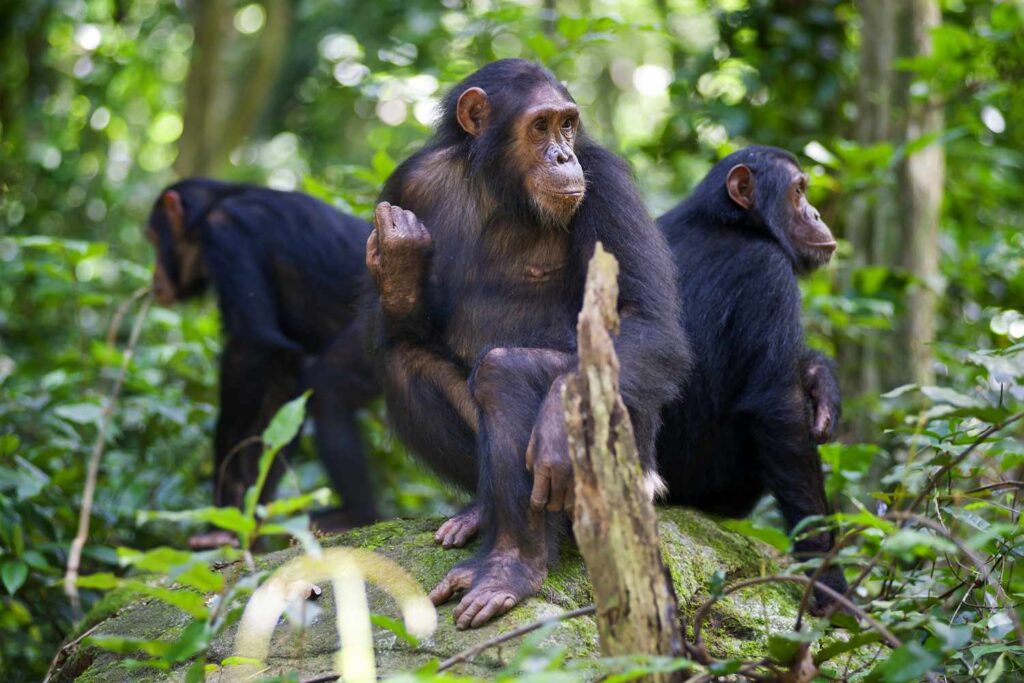
About 90 chimpanzees live in Gombe, divided into three communities. The Kasekela community in the center of the park is the famous study group and the one visitors most often see; the Mitumba community occupies the north; and the Kalande community in the south is not habituated and is not visited. A 2020 full count and genotyping study estimated the population at 89 to 92 individuals, and the consistent numbers since 2002 suggest the group is stable.
Chimpanzee society at Gombe is organized as a fission-fusion community. Individuals range through the forest in shifting parties, sometimes five or six together, sometimes a dozen, and they reunite with a flurry of calls. Males defend the territory and hold a rank hierarchy that can be volatile; females are usually less visible but are the memory of the community, with older matriarchs passing on feeding sites, tool techniques, and social tact. Infants stay with their mothers for years and ride on their backs until they are bold enough to wander.
On a typical trek you might see:
- A mother grooming an infant in a fig tree, or a juvenile playing on a branch it clearly should not be on.
- Males display branch-shaking and buttress-drumming, a performance that is more theatrical than dangerous when you keep your distance.
- Termite fishing, which at Gombe is a seasonal specialty and one of the most remarkable sights of primate watching.
- Chimpanzees nest-building in the late afternoon or foraging quietly in the canopy for figs and other fruit.
- Red colobus monkeys, olive baboons, and vervets are nearby, and occasionally the chimpanzees show interest in them, which is why Gombe also offers real insight into predator and prey behavior.
Habituation at Gombe is among the best in Africa, a legacy of the researchers’ daily presence for over 60 years. That means the chimpanzees tolerate human observers calmly, and you will often find them on the ground, which makes for rewarding photography. But they are wild animals living on their own schedule. Some mornings, you can easily find the group, while other mornings require patience, and the rangers’ trackers who go out before you start contribute to our high success rate. We will never promise a particular behavior, only a rare window onto a world that normally stays shut.
Ready to see Gombe’s chimpanzees for yourself?
Speak to a Gombe specialist at Luxury Safaris Tanzania, and we will design a private itinerary around your dates.
Chimpanzee Trekking in Gombe: How It Works.
Chimpanzee trekking at Gombe is a guided walk led by a TANAPA ranger and an experienced tracker through steep forest to find a habituated chimpanzee party. Once you reach the chimpanzees, you may spend about one hour with them, keeping a respectful distance, usually around ten meters, as directed by your ranger. The minimum age is 12 years, and the trek can last anywhere from 30 minutes to several hours depending on where the chimpanzees are.
Here is how a Gombe trek unfolds, step by step:
- Morning briefing. After an early breakfast, you meet your ranger at the park headquarters or the lodge. The briefing covers the rules, the route, and what to expect. Trekking usually starts at around 8:00 am, and trackers will already have located the chimpanzees’ sleeping area.
- The hike in. The trails are steep and can be slippery, especially after rain. Your ranger sets a steady pace, and you will pause often to listen. We recommend walking poles and good boots, and our guides can advise on pace for every fitness level.
- The encounter. When you find the chimpanzees, stay together as a group, move slowly, and keep your voice low. You are asked not to point, eat, or drink in front of them, and never to touch. If a chimpanzee approaches closer than the recommended distance, you step back calmly and let the ranger manage the situation.
- Your hour. You can watch, photograph without flash, and simply sit. If the chimpanzees move off, the ranger will decide whether to follow within the time limit.
- The return. You walk back, often via a stream or small waterfall, to the lakeshore, and in most itineraries, you are back at the lodge before lunch.
Rules that protect the chimpanzees
Chimpanzees share about 98 percent of our DNA, which means they are vulnerable to our colds, coughs, and stomach bugs. The rules in place at Gombe, which our guides enforce with discipline, are there because respiratory disease is one of the most serious threats to wild apes. In practice that means
- Do not trek if you have any cold, cough, flu, or stomach illness. Please let us know, and we will rearrange your schedule.
- Keep to the distance your ranger sets, usually at least ten meters, and never chase or follow a chimpanzee.
- No flash photography, no food or drink in view of the chimpanzees, and no littering.
- Stay in a tight group and follow the ranger’s instructions at all times, particularly if a male is displaying.
- Children under 12 are not permitted on the trek, so family planning needs to account for that.
Rules and group sizes are set by TANAPA and can change, so we always confirm the current regulations when we build your itinerary rather than relying on guidebook figures.
How fit do you need to be?
Moderately. Gombe’s slopes are steep and humid, and trek length varies. You don’t need to be an athlete, but you should be comfortable walking for a couple of hours on uneven ground. If mobility is a concern, tell us early; we can plan a shorter, gentler route and place you with the right ranger. For guests who would rather not trek, the lakeside setting and boat excursions still make Gombe a rewarding stop.
Other Things to Do in Gombe Stream National Park
Besides chimpanzee trekking, the best activities in Gombe are walking to the Kakombe Waterfall, swimming and snorkeling in the clear waters of Lake Tanganyika, birdwatching (more than 200 species have been recorded), boat excursions along the shoreline, and visiting the nearby village for a cultural encounter. Most guests combine a morning trek with a relaxed afternoon on the lake.
Kakombe Waterfall walk. The trail into Kakombe Valley, where Goodall first made camp, follows a stream into a green amphitheater and ends at a waterfall that is cool to stand beside. The walk is the best way to experience the forest at a slower pace, with a chance of seeing baboons, monkeys, and butterflies on the way.
Swimming and snorkeling in Lake Tanganyika are also options. The lake is famously clear, with an extraordinary number of endemic cichlid fish. After a morning of trekking, nothing beats slipping off the beach into the water and floating beneath the forested hills. Your guide will advise on the best spots and conditions.
Birdwatching. Gombe’s mix of forest, woodland, and lake gives a rich checklist, with fish, eagles, kingfishers, sunbirds, hornbills, turacos, and barbets all possible. Early morning on the beach, before the day warms up, is the best time. If birds are your passion, we can place a specialist birding guide with you.
Boat cruises and fishing. The boat journey from Kigoma is an experience in itself, and you can pause your private boat for photographs of the shoreline. Evening cruises can be arranged, and for those who enjoy it, sport fishing is also possible.
Village and cultural visits. Mwamgongo village lies close to the northern end of the park, and a visit gives a sense of the communities that live alongside the chimpanzees and the conservation programs that support them. For wider cultural options across the country, consider visiting other areas as well.
Photography. The forest is dim, and the chimpanzees move quickly, which is a challenge for even skilled photographers. A fast lens, a high ISO range, and patience are the secret. If you want to come home with portfolio-quality images, consider one of our photography safaris or travelling with a personal photographer.
Best Time to Visit Gombe Stream National Park
The best time to visit Gombe Stream National Park is the dry season from June to October, when forest trails are firmer, the sky is clearer and boat crossings on Lake Tanganyika are generally calmer. Gombe is open year-round, and chimpanzees can be found in every month, so the rainy season (roughly November to April) is a valid choice if you prefer lush scenery, fewer visitors, and lower prices, as long as you are prepared for slippery paths.

June to October: our favorite window. Days are warm and bright, the trails are drier, and the lake is at its most inviting. This is also the period when most of western Tanzania is at its best, and when you can pair Gombe seamlessly with Mahale or Katavi. Because the number of visitors in the park at one time is small, we recommend booking well ahead for July to September, particularly if you want a specific lodge.
November to April: the green season. Rain turns the forest an almost luminous green, and chimpanzees can be easier to locate where fruit is abundant, but slopes become muddy, and storms can make boat crossings less predictable. Our guides adjust the schedule day by day, and we usually recommend an extra night so that weather never costs you a trek.
May. A shoulder month: the rains are fading and the forest is lush, with fewer travelers around. It can be an excellent choice for couples seeking quiet.
If you want to combine Gombe with a northern safari, remember that the northern highlights run to a different calendar: the Great Migration moves around the Serengeti-Mara ecosystem throughout the year, and our seasonal guides will help you pick a window that suits both parts of the trip.
How to Get to Gombe Stream National Park
To reach Gombe Stream National Park, fly to Kigoma (airport code TKQ) via a domestic flight from Dar es Salaam or Arusha, then take a boat to the park. A private speedboat from Kigoma takes roughly an hour; public lake taxis take several hours. There is no road access to the park, so the boat is the only way in.
- Fly into Tanzania. International visitors usually arrive at Kilimanjaro International Airport (JRO) near Arusha or Julius Nyerere International Airport (DAR) in Dar es Salaam.
- Connect to Kigoma. Scheduled domestic flights run from Dar es Salaam to Kigoma, and the flight is a few hours. Private charters can be arranged from Arusha and other airstrips, which is the option we recommend for guests who value time.
- Transfer to the lake. On arrival, our team meets you at Kigoma airport and drives you to the shore. Kigoma itself is worth an hour if you have time: it is an old port town on the lake with a colonial-era railway terminus.
- Boat to Gombe. Your private boat crosses the lake to the park, and the ride is scenic, with forested hills on one side and open water on the other. Conditions can be choppy on windy days, so your skipper’s judgement matters, and we plan the crossing with a buffer.
- Arrive and settle in. You are met at the beach, shown to your accommodation, and usually have time for an afternoon walk or a swim.
Because the logistics of western Tanzania are complex, with limited flight schedules and weather-dependent boat transfers, this is exactly the kind of destination where a specialist operator earns their fee. We handle every connection, build in contingency, and make sure a delay on one leg does not spoil the next.
Where to Stay in and Around Gombe
The best places to stay for Gombe are the lodge on the park’s lakeshore, Mbali Mbali Gombe Lodge, which offers tented-style rooms with lake views and is the most comfortable option inside the park. Budget travelers can use the basic TANAPA rest house, and those who prefer a town base can stay in Kigoma at hotels such as Kigoma Hilltop Hotel or Lake Tanganyika Hotel before or after the park.
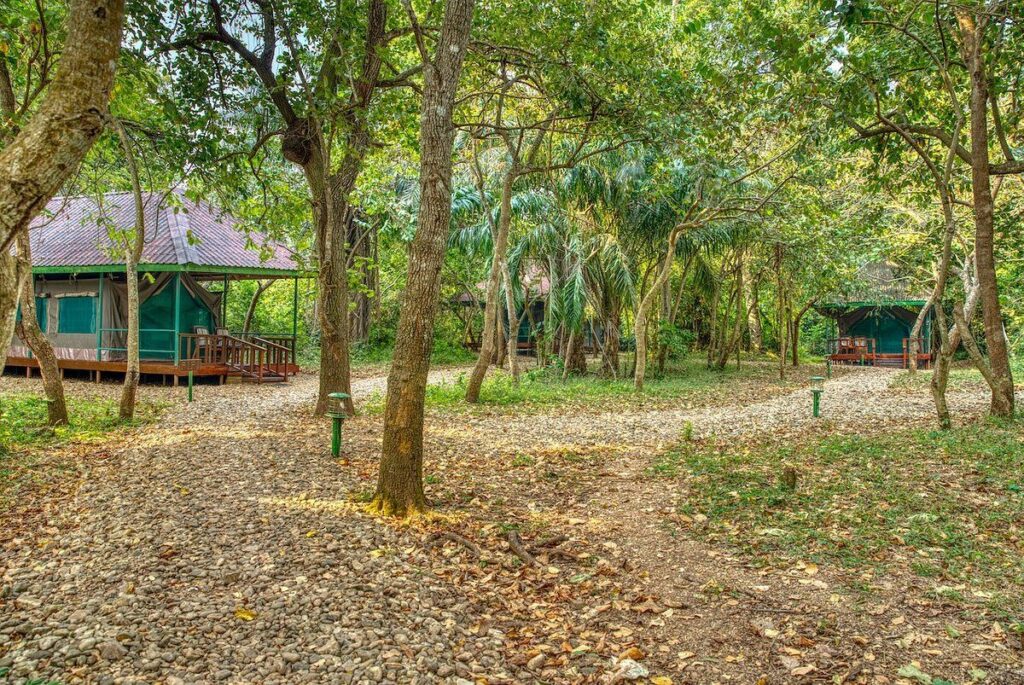
Inside the park. Accommodation in Gombe is deliberately small-scale. Rooms are simple but well placed, the lakeshore setting is superb, and the quiet at night, when the only sounds are waves and the occasional distant chimpanzee call, is part of the appeal. We are candid with our clients: Gombe is not where you go for ultra-lavish, marble-bathroom luxury. It is where you go for one of the rarest wildlife encounters on earth, and we balance the rustic edge with excellent private guiding, seamless logistics, and high-end stays before and after.
In Kigoma. An overnight in Kigoma before the boat is often sensible if flights arrive late or the weather looks uncertain. Kigoma has mid-range hotels with lake views, and a night on the way out lets you shower, sleep in a proper bed, and catch an onward flight comfortably.
For a more luxurious primate stay. If you want barefoot luxury at the water’s edge, extend your trip south to the legendary Greystoke Mahale Camp, where chimpanzee trekking is paired with beachfront suites, sunset dhow trips, and some of the most remote hospitality in Africa. Many of our clients do Gombe first, then Mahale, which gives them two very different chimpanzee communities in a single trip.
Gombe vs Mahale vs Rwanda vs Uganda: Which Chimpanzee Experience Is Right for You?
Gombe is the best choice for travelers who want the heritage of Jane Goodall, a short and accessible primate trek, and a compact stay. Mahale suits those who want a longer, more remote, and more luxurious experience with larger chimpanzee groups. Rwanda’s Nyungwe Forest and Uganda’s forests offer easier road access and can be combined with mountain gorilla trekking.
| Factor | Gombe (Tanzania) | Mahale (Tanzania) | Nyungwe (Rwanda) |
| Known for | Jane Goodall’s research | Remote, large chimp communities | Forest canopy, chimp tracking, canopy walk |
| Access | Fly to Kigoma + boat | Charter flight + boat | Road transfer from Kigali |
| Pace | Short, intimate, 2-3 nights | Longer stay, 3-5 nights | Flexible, 2-3 nights |
| Best for | History, couples, first-time primate travelers | Remote luxury, repeat travelers | Combining with gorillas |
| Luxury level | Simple, well-located | Barefoot luxury | Boutique lodges |
Who Is Gombe For?
Couples
Gombe suits couples who want a safari experience that is intimate rather than showy. Trekking together to find chimpanzees and sharing the memory of that hour is a bond-forming experience, and the lakeshore setting is quietly romantic. Pair Gombe with Zanzibar or a Serengeti camp for a honeymoon with real variety, and let our team arrange a private beach dinner or sunset cruise.
Families
Gombe works well for families with children aged 12 and over, who are old enough to trek and often old enough to appreciate the Jane Goodall story. It is an educational and unforgettable trip, and the small scale means teenagers can talk directly with rangers and researchers. For families with younger children, we recommend building the Tanzania itinerary around the Serengeti, Tarangire, and the coast and keeping Gombe for a later trip.
First-Time Safari Travellers
If your trip is your first visit to Africa, we usually recommend starting with the classic Northern Circuit and adding Gombe as an extension, simply because the logistics of the west are more involved. That said, many first-timers who are primarily drawn by primates and Jane Goodall’s story are thrilled to begin here.
Repeat Africa Travellers
If you have already done the Serengeti and the Mara, Gombe offers something genuinely different: no vehicles, no crowds, and a species that is closer to us than any other. Repeat travelers often combine it with Mahale and Katavi for a westward trip that feels like a new continent.
Costs: What to Expect and What Drives the Price
A private, well-appointed Gombe trip is a premium purchase because the logistics are demanding: domestic flights or charters to Kigoma, private boat transfers, TANAPA park and trekking fees (charged in US dollars and revised periodically), accommodation, and expert guiding. We price every journey individually and always itemize what is included, so you see exactly where your money goes.
When you request a proposal from us, we show park fees, permits, boat and flights, accommodation, meals, guiding, and extras separately. Our travellers are typically comparing a private, tailor-made journey, not a shared budget tour, and we build every proposal around your priorities: more comfort, more time with the chimpanzees, or more luxury on either side of the park.
Want a transparent, itemized quote for Gombe?
Contact our safari experts with your dates and group size, and we will respond with a tailored proposal.
Health, Safety, and Packing for Gombe
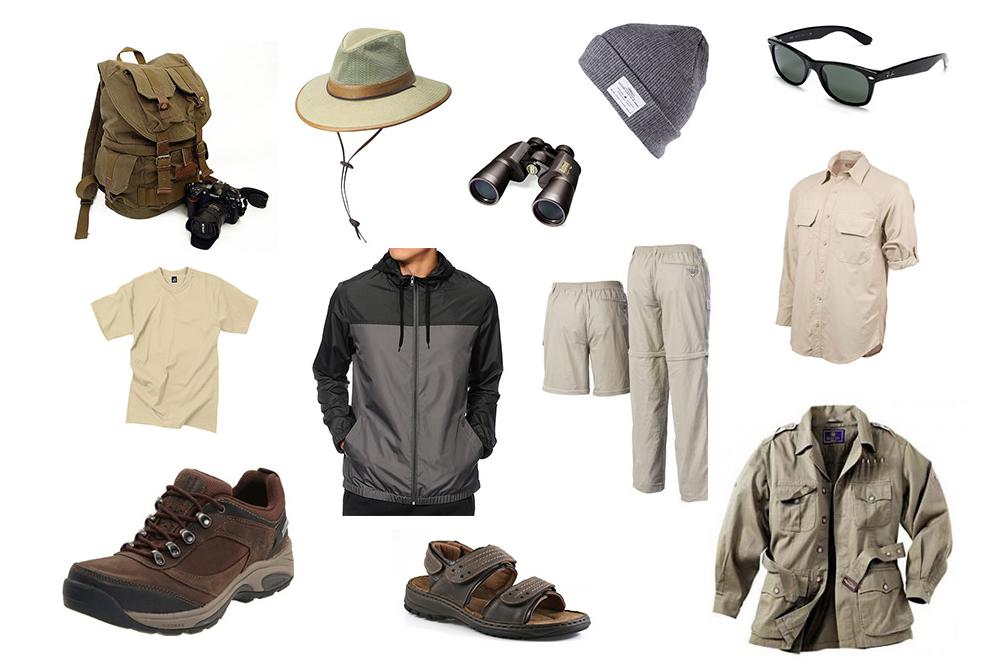
Gombe is safe for guests who follow the rangers’ instructions. The main health considerations are malaria prevention, a doctor’s advice on vaccinations before you travel, and avoiding contact with chimpanzees if you are unwell. Pack sturdy hiking boots, quick-dry long trousers and sleeves, a light rain jacket, insect repellent, swimwear, and a small daypack.
Health. Tanzania does not require a general vaccination certificate for most visitors, but we strongly recommend speaking to your doctor or a travel clinic well before departure about malaria prophylaxis and routine immunizations. Yellow fever documentation can be needed depending on where you have recently travelled. We will give you a clear checklist as part of your pre-departure pack.
Safety. The forest is calm, but chimpanzees are strong wild animals. Listen to your ranger, keep the required distance, and never approach a displaying male. In years of guiding, we have seen serious incidents become extremely rare when we follow the rules.
What to pack.
- Lightweight, long-sleeved shirts and long trousers in neutral colors (they protect against insects and scrapes).
- Waterproof, lightweight jacket, even in the dry season.
- Sturdy, broken-in hiking boots with excellent grip.
- A walking pole is useful for extra stability on steep paths.
- Insect repellent, sun hat, sunscreen, and swimwear for the lake.
- Binoculars and a camera with excellent low-light performance.
- A small daypack and a refillable water bottle.
Combining Gombe with the Rest of Tanzania
Gombe is usually part of a larger trip for guests flying in from the US, UK, Europe, or Australia, and there are several elegant ways to build around it:
- Gombe, Mahale, and Katavi: the full western Tanzania circuit, ideal for repeat travelers and wildlife enthusiasts.
- Serengeti + Gombe: Classic savannah plus forest, with the Serengeti and Ngorongoro in the north.
- Gombe + Zanzibar: forest then beach, our favorite romantic pairing.
- Gombe + Kilimanjaro: for adventurous travelers, a trek on Mount Kilimanjaro before a rewarding recovery by the lake.
- Gombe, Rwanda, or Uganda gorillas: a complete great-ape journey that we can arrange through our combined African safaris.
Why Book Gombe with Luxury Safaris Tanzania?
We are a boutique operator, which means a small team of specialists, not a call center. More than 15 years of experience and over 10,000 happy travelers have taught us what makes remote destinations like Gombe work smoothly. Here is what you can expect:
- Tailor-made, private itineraries. Your dates, your pace, your group. We never put you in a shared budget tour.
- Expert local guides. Our guides know Gombe’s trails, the rangers, and the lake’s logistics, and they brief you on the science and sightings.
- Seamless logistics. We handle flights, boats, rest stops, and weather contingencies, so you never wonder who is meeting you at the beach.
- Luxury where it counts. We pair Gombe with the finest lodges in Tanzania and across Africa, and we protect your travel investment.
- Conservation with a conscience. We favor operators and lodges that invest in local communities and offset travel impact.
Let us build your Gombe journey.
Start planning your private chimpanzee safari and a Tanzania specialist will be in touch.