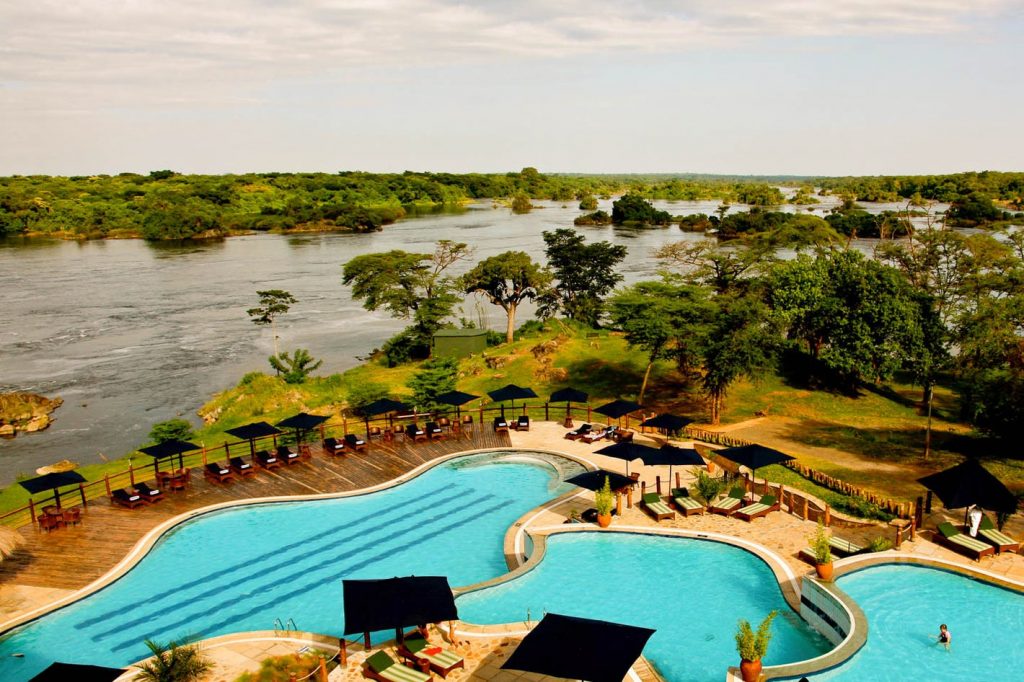
Guests at Chobe Safari Lodge can expect elephants, buffalo, Rothschild’s giraffes, lions, and hippos on game drives and Nile boat cruises, with chimpanzee trekking and rhino tracking available as day trips.
- Game drives on the northern delta circuit. Morning and afternoon drives cover the open savanna north of the Nile, where sightings typically include elephant, buffalo, Rothschild’s giraffe, Uganda kob, lion, and less predictably leopard. This section of Murchison Falls National Park is known for wide-open sightlines that make spotting easier than in denser terrain further south.
- Nile boat cruise to the base of the falls. A three-hour cruise upriver brings guests close to hippo pods, Nile crocodiles, and dense riverine birdlife, ending near the base of Murchison Falls itself, where the Nile is compressed through a gorge only a few meters wide before dropping roughly 43 meters.
- Hike to the top of the falls. For travelers who want to feel the power of the water rather than just see it, a guided hike leads to the clifftop viewpoint directly above the gorge, reachable either as part of a longer excursion or combined with the boat cruise as a one-way trip.
- Sport fishing on the Nile. Karuma Falls, roughly 20 minutes from the lodge, is a well-known spot for fishing Nile perch, and the lodge can arrange guided fishing excursions for anglers wanting a change of pace from game viewing.
- Chimpanzee trekking at Budongo Forest. A day trip south of the park reaches Budongo Forest Reserve, one of Uganda’s most accessible chimp-trekking sites, and a natural add-on for guests who want a primate encounter without the logistics of a full Bwindi extension.
- Rhino tracking at Ziwa Rhino Sanctuary. Roughly on the route between Kampala and the lodge, Ziwa is Uganda’s only wild rhino population and the country’s sole spot for tracking southern white rhino on foot, usually visited as a stop en route rather than a dedicated day from the lodge.
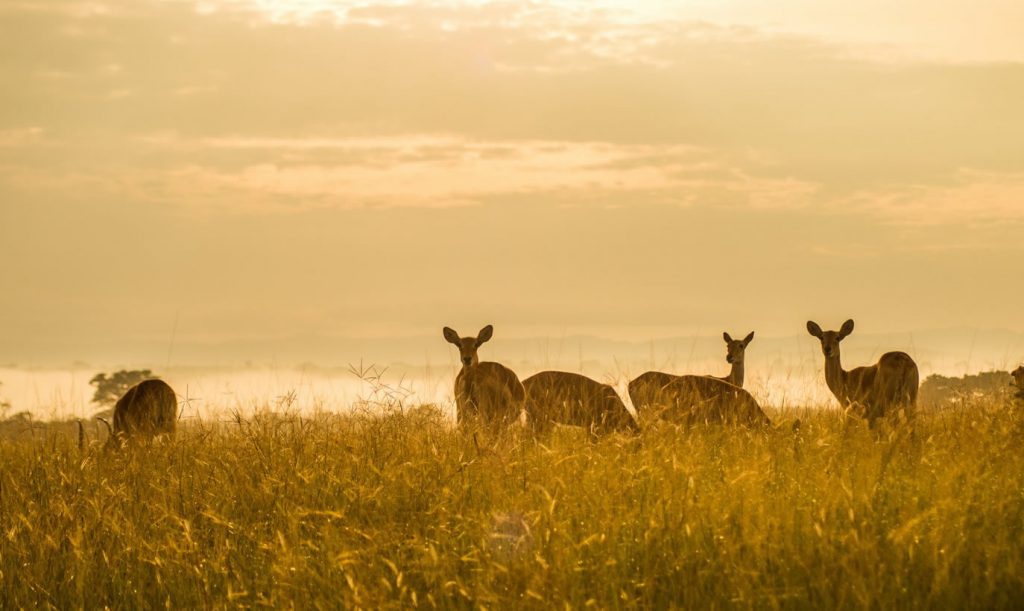
Birdlife across the wider park is exceptional even by East African standards, with the shoebill stork reliably seen in the Lugogo swamp area near Ziwa, the species most photographers specifically travel for. Guiding at Chobe Safari Lodge is provided by park-licensed ranger-guides working alongside the Uganda Wildlife Authority’s own rangers on boat cruises and drives; as with every lodge we book, our team vets guide quality directly with the property before confirming a stay for our guests.
Who Should Stay at Chobe Safari Lodge
Chobe Safari Lodge suits honeymoon couples, families, and first-time Africa travelers particularly well, thanks to its resort-scale infrastructure; serious wildlife photographers may prefer a smaller, more exclusive camp deeper in the park.
- Honeymoon and romantic couples. The riverside setting, sundowner terraces, and Presidential Cottage make Chobe Safari Lodge a genuinely romantic base, particularly as an extension to a Serengeti honeymoon safari or wider honeymoon itinerary.
- Families with children. With no minimum age restriction on the property itself (unlike gorilla trekking, which requires guests to be 15 or older) and the option of interconnecting rooms, Chobe Safari Lodge is one of the more straightforward Murchison Falls bases for multi-generational travel. Read our family safari planning guide for how we typically structure these trips.
- Solo travelers. The lodge’s scale and steady flow of group departures make it a comfortable, sociable base for solo guests, with communal dining areas and a bar that see regular use throughout the evening.
- Wildlife photographers. Chobe Safari Lodge’s open savanna setting rewards photographers working with long lenses on game drives, though those prioritizing total exclusivity and unmarked wildlife encounters may prefer a smaller camp elsewhere in the park; talk to our photography safari specialists about which Murchison Falls property best matches your shot list.
- First-time safari travelers vs. repeat Africa visitors. First-timers benefit from the lodge’s full amenities and gentle logistics; repeat visitors who’ve already done a classic Serengeti-Ngorongoro circuit often choose Chobe Safari Lodge specifically because Murchison Falls’ landscape, history, and river-based activities feel genuinely different from Tanzania’s plains parks.
Is Chobe Safari Lodge worth the price?
At roughly $290–$530 per person per night, Chobe Safari Lodge sits in the upper-mid tier of Uganda’s safari lodges, not as expensive as Uganda’s newest ultra-luxury camps, but well above budget or midrange options. For that price, guests are paying primarily for location and infrastructure rather than the plunge-pool-and-private-guide exclusivity of a smaller camp; for most first-time visitors and families, we think that trade is good.
Best Time to Visit Chobe Safari Lodge
The best time to visit Chobe Safari Lodge is during Uganda’s dry seasons, June through September and December through February, when game-drive tracks are firm and wildlife concentrates along the Nile.

| Period |
Season |
What to Expect |
| June – September |
Dry season (peak) |
Firmest game-drive conditions; wildlife concentrates near permanent water; highest lodge rates and demand |
| December – February |
Dry season (secondary) |
A second reliable dry window, popular for combining with a festive-season Tanzania safari |
| March – May |
Long rains |
Lush scenery and thinner crowds, but muddier tracks and a higher chance of drives being adjusted for weather |
| October – November |
Short rains |
Intermittent afternoon showers with generally good value and lower rates than peak season |
Because Murchison Falls sits at lower altitude and further north than Uganda’s forested gorilla parks, it runs warmer and drier overall, and rain rarely disrupts a full day’s activities the way it can in Bwindi. Wildlife viewing along the river corridor is strong nearly year-round, since animals concentrate near the Nile regardless of season, which is part of why the riverside location of Chobe Safari Lodge pays off even outside the driest months. Green-season travelers should expect noticeably lower rates and quieter game drives in exchange for occasional muddy patches on the northern delta tracks.
Conservation & Community at Chobe Safari Lodge
Chobe Safari Lodge sits inside a national park managed by the Uganda Wildlife Authority, whose park fees directly fund ranger patrols, anti-poaching work, and community revenue-sharing across Murchison Falls National Park.
Every guest’s park entry fee at Murchison Falls National Park contributes to the Uganda Wildlife Authority’s conservation and anti-poaching budget, and a share of park revenue is returned to communities bordering the park under Uganda’s long-standing revenue-sharing policy. The park’s elephant population, once severely reduced by poaching during the political instability of the 1970s and 1980s, has recovered substantially over recent decades, a recovery that mirrors Chobe Safari Lodge’s own history, since the lodge itself was largely destroyed during that same period and rebuilt only once the park stabilized.
Nearby, Ziwa Rhino Sanctuary represents one of Uganda’s clearest conservation success stories: the country’s rhino population was hunted to extinction by the early 1980s, and the animals guests track on foot at Ziwa today descend entirely from a handful of individuals reintroduced from Kenya starting in 2005. Choosing a lodge like Chobe Safari Lodge, inside a national park that funds this kind of recovery work directly through tourism revenue, is as close as a Murchison Falls stay comes to an explicitly conservation-linked choice.
Planning Your Stay: Practical Travel Tips for Chobe Safari Lodge
Pack light layers for Murchison Falls’ warm, dry climate, confirm yellow fever vaccination before travel, and budget for park fees, tips, and drinks separately from your room rate.
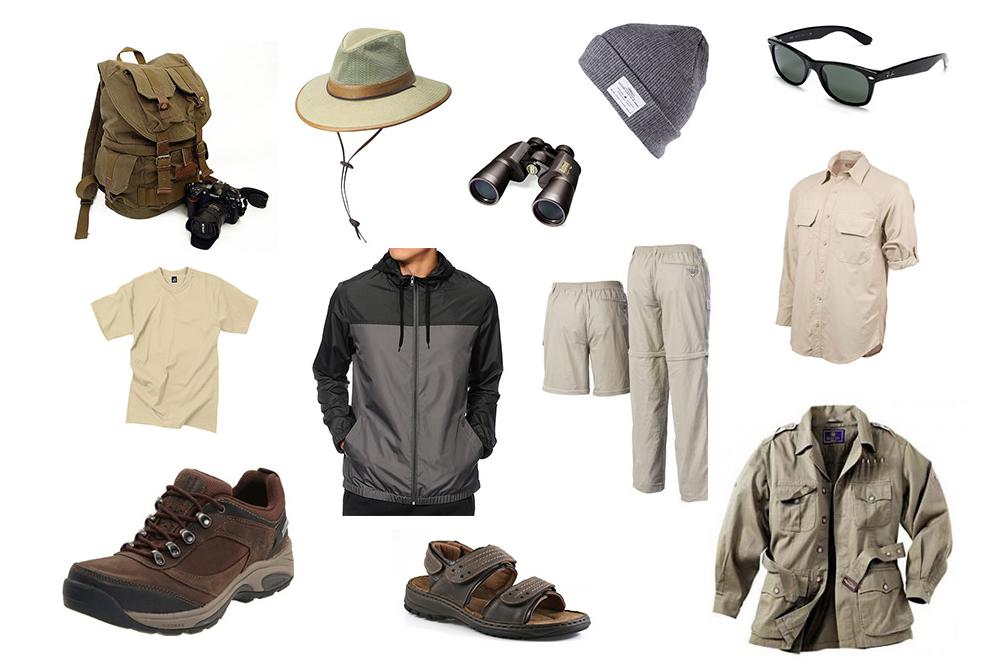
What to Pack
- Lightweight, breathable clothing in neutral tones for warm, dry-savanna daytime temperatures
- A light layer for early-morning game drives and boat cruises, when river air can be cool
- Sun protection: hat, sunglasses, and high-SPF sunscreen Murchison Falls sits close to the equator at relatively low altitude
- Binoculars and a zoom lens, given the open sightlines on the northern delta circuit
- Swimwear for the lodge’s three-tier pool
Health & Vaccination Notes
Uganda requires proof of yellow fever vaccination for entry, and malaria prophylaxis is strongly recommended for travel to Murchison Falls National Park; consult your doctor at least six weeks before departure. As an ATOL-protected operator, we build in the standard travel-insurance guidance for every Uganda extension we plan.
Payment, Tipping & What’s Included
Room rates at Chobe Safari Lodge typically cover accommodation and meals on a full-board basis, with park entry fees, activities such as boat cruises and fishing, drinks, and tips charged separately. USD cash is widely accepted for tips and incidental purchases; guides and boat crews are customarily tipped per day, and we provide guests with specific, current tipping guidance as part of every tailor-made itinerary we confirm.
Combining Chobe Safari Lodge with Other Parks
Because Chobe Safari Lodge flies in and out of Entebbe, it combines naturally with Uganda’s primate parks to the southwest. Many of our guests pair a Murchison Falls stay with gorilla trekking in Bwindi Impenetrable Forest or a shorter Uganda gorilla trekking extension that also covers Mgahinga Gorilla National Park, and travelers building a wider multi-country trip often continue on to gorilla trekking in Rwanda’s Volcanoes National Park or a broader Rwanda safari. For guests whose main trip is built around Tanzania, Murchison Falls is typically flown in as a dedicated 3–4 day extension before or after the Great Wildebeest Migration, a Kilimanjaro trek, or a closing stretch on Zanzibar’s beaches. Our combined multi-country safari itineraries page shows how these routes typically fit together.
Start Planning Your Chobe Safari Lodge Stay
Tell us your travel dates, and we’ll build a private, tailor-made itinerary around Chobe Safari Lodge and the rest of your East Africa journey, with flights, permits, and transfers included.
Talk to a Safari Expert →
Frequently Asked Questions About Chobe Safari Lodge.
Where is Chobe Safari Lodge located?
Chobe Safari Lodge is located on the eastern bank of the Victoria Nile inside Murchison Falls National Park in northwestern Uganda, near Kamdini and roughly 20 minutes’ drive from Karuma Falls. It sits directly above a stretch of Nile rapids on the park’s eastern boundary, which puts it closest to the northern delta game-drive circuit and the route to the top of Murchison Falls. It should not be confused with the differently owned Chobe Safari Lodge on the Chobe River in Kasane, Botswana.
How do I get to Chobe Safari Lodge from Entebbe?
Most guests fly from Entebbe International Airport to one of the airstrips inside Murchison Falls National Park. Chobe Safari Lodge has its own private airstrip beside the property, a flight of roughly 45 to 60 minutes. The overland alternative is a 5- to 6-hour road transfer via Masindi, often broken up with a stop at Ziwa Rhino Sanctuary for rhino tracking on the way north.
How many rooms does Chobe Safari Lodge have?
Chobe Safari Lodge is generally reported to offer around 62 accommodations in total: approximately 36 standard guest rooms, 21 luxury tents, 4 suites, and one presidential cottage, though third-party sources vary and round this figure to roughly 60 rooms.
What is the price range at Chobe Safari Lodge?
Third-party rates for Chobe Safari Lodge generally start at around USD $290 to $530 per person per night on a full-board basis, though prices vary by room category, season, and whether park fees and activities are included. As with any Uganda lodge, we recommend confirming current-season pricing directly as part of a tailor-made itinerary rather than relying on any single published rate.
What wildlife can I see from Chobe Safari Lodge?
Game drives on Murchison Falls National Park’s northern delta circuit near Chobe Safari Lodge regularly turn up elephant, buffalo, Rothschild’s giraffe, Uganda kob, and lion, with leopard sightings less frequent but possible. Nile boat cruises add hippo and Nile crocodile, along with dense riverine birdlife, while the shoebill stork, one of Africa’s most sought-after birds, is more reliably seen further south near Ziwa Rhino Sanctuary’s Lugogo swamp.
Is Chobe Safari Lodge particularly suitable for families?
Yes. Chobe Safari Lodge’s resort-scale layout, on-site pool, and lack of a minimum age restriction on the property itself make it one of the more straightforward family bases in Murchison Falls National Park, particularly compared with smaller, more remote tented camps. Families should confirm current interconnecting-room availability and any activity age restrictions directly with the lodge when booking, as individual excursions such as fishing or longer boat cruises may have their own guidance.
Can I combine Chobe Safari Lodge with gorilla trekking?
Yes, and it’s one of the most common ways our guests build a Uganda itinerary. Chobe Safari Lodge pairs naturally with a fly-in extension to Bwindi Impenetrable Forest National Park or Mgahinga Gorilla National Park in Uganda’s southwest, and travelers with more time often continue into Rwanda’s Volcanoes National Park for a second primate encounter. Because both regions are most efficiently reached by air via Entebbe, we typically sequence a Murchison Falls stay either directly before or after the gorilla-trekking leg of the trip.
What is the best time to visit Chobe Safari Lodge?
The best time to visit Chobe Safari Lodge is during Uganda’s two dry seasons, June through September and December through February, when game-drive tracks are firmest and wildlife concentrates predictably along the Nile. The long rains from March to May bring lush scenery, thinner crowds, and lower rates at the cost of muddier roads, while October and November see intermittent short rains and generally excellent value.
Does Chobe Safari Lodge have a swimming pool?
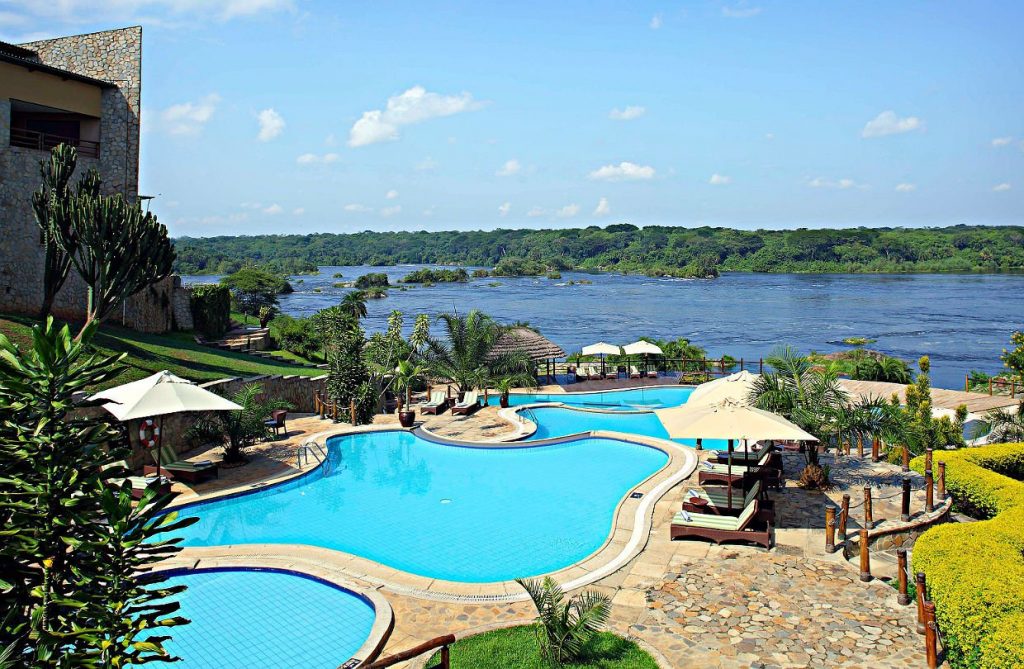
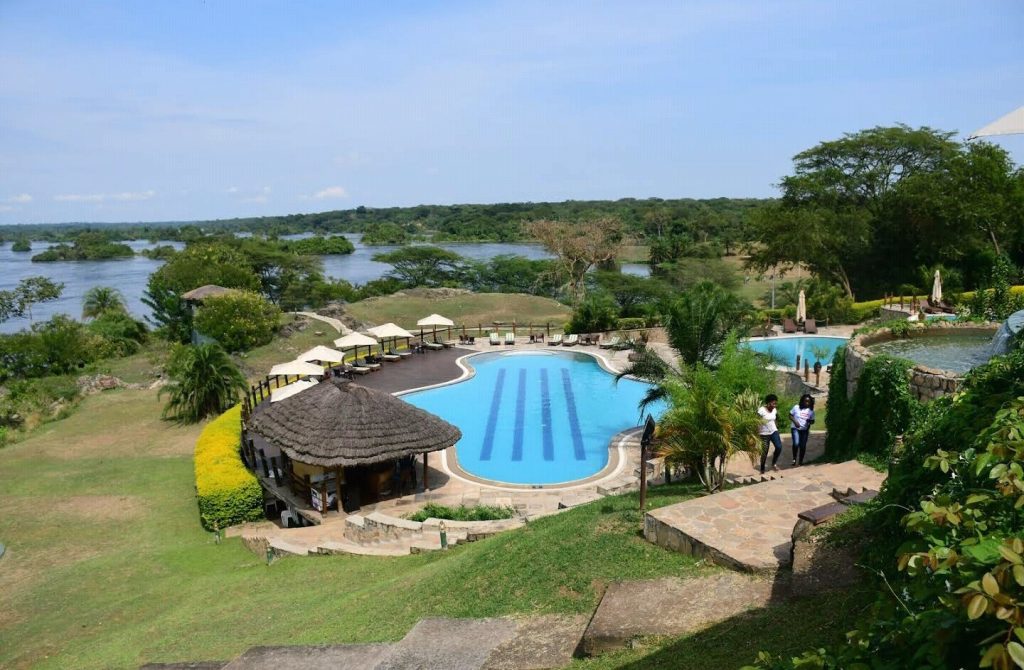
Yes. Chobe Safari Lodge’s three-tier swimming pool is built into the riverbank terracing and faces the Nile, making it one of the property’s signature features alongside the dining terrace. It’s a genuine differentiator from Murchison Falls’ smaller tented camps, most of which do not offer a swimming pool at all.
Is Chobe Safari Lodge suitable for a honeymoon?
Chobe Safari Lodge works well for honeymooners who want a romantic riverside setting with full resort amenities, particularly in the Presidential Cottage or one of the suites. Couples wanting maximum privacy and a smaller, more exclusive-use property may prefer a boutique tented camp elsewhere in the park, so it’s worth discussing your priorities with a safari specialist before choosing between the two styles.
What is included in the room rate at Chobe Safari Lodge?
Room rates at Chobe Safari Lodge typically cover accommodation and meals on a full-board basis, while park entry fees, guided activities (such as boat cruises and game drives), drinks, and tips are generally charged separately. Exact inclusions vary by rate plan and season, so we always confirm the specific breakdown for our guests as part of booking a tailor-made itinerary rather than assuming a standard package.
Who manages Chobe Safari Lodge?
Chobe Safari Lodge is operated by Marasa Africa, the hospitality division of Uganda’s Madhvani Group, which also manages Paraa Safari Lodge inside Murchison Falls National Park and Mweya Safari Lodge in Queen Elizabeth National Park. The lodge was originally built in the 1950s, fell into disrepair during Uganda’s political instability in the 1970s, and was substantially rebuilt from 1986 onward under the current ownership group.