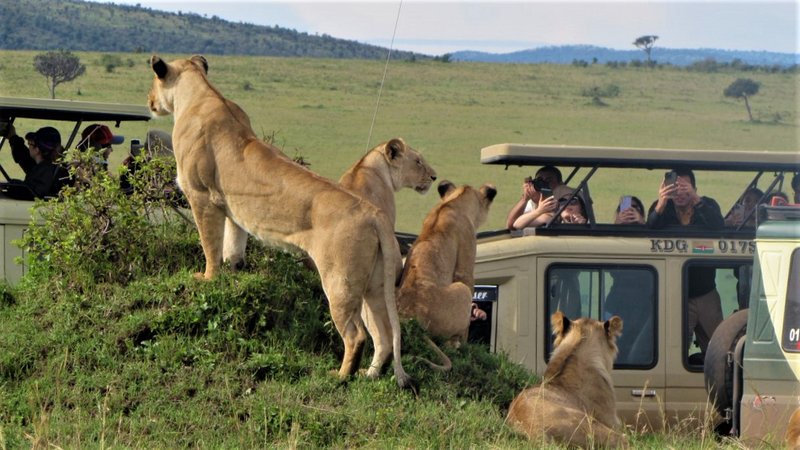
Game drives and guided walking safaris form the core of the activity program at Migration Camp, supplemented seasonally by hot air balloon flights and, during the migration months, some of the most reliable river-crossing access in the northern Serengeti.
Game Drives
Morning and afternoon game drives run in open 4×4 safari vehicles with a professional guide, covering the camp’s private access to the surrounding Lobo area as well as excursions further afield when the migration or a particular sighting warrants it. Full-day drives with a packed lunch are ideal for guests who want to head north toward the Mara River crossing points during peak season, and night drives can be arranged on request for a chance to see nocturnal species like leopards, hyenas, and bushbabies. Guides here are trained Serengeti specialists, with the kind of detailed tracking and interpretive knowledge that turns a sighting into a genuine understanding of the animal’s behavior, not simply pointing out what’s in front of the vehicle.
Walking Safaris

Guided walking safaris, led by an armed ranger and a naturalist guide, offer a completely different register of experience from the vehicle-based drives: tracking, smaller wildlife, birdlife, and the ecosystem’s smaller details that are often overlooked or missed from a moving 4×4. This scenario is where the camp’s location pays off in a different way, since the Lobo area’s varied terrain of kopjes, riverine woodland, and open grassland gives walking guides plenty to work with.
Hot Air Balloon Safaris
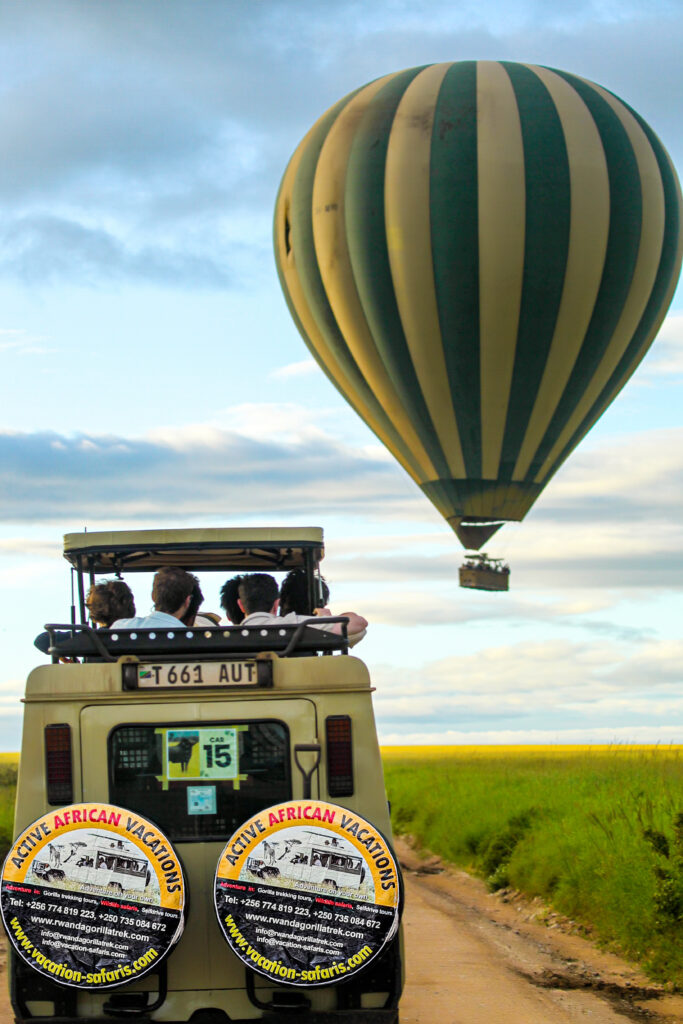
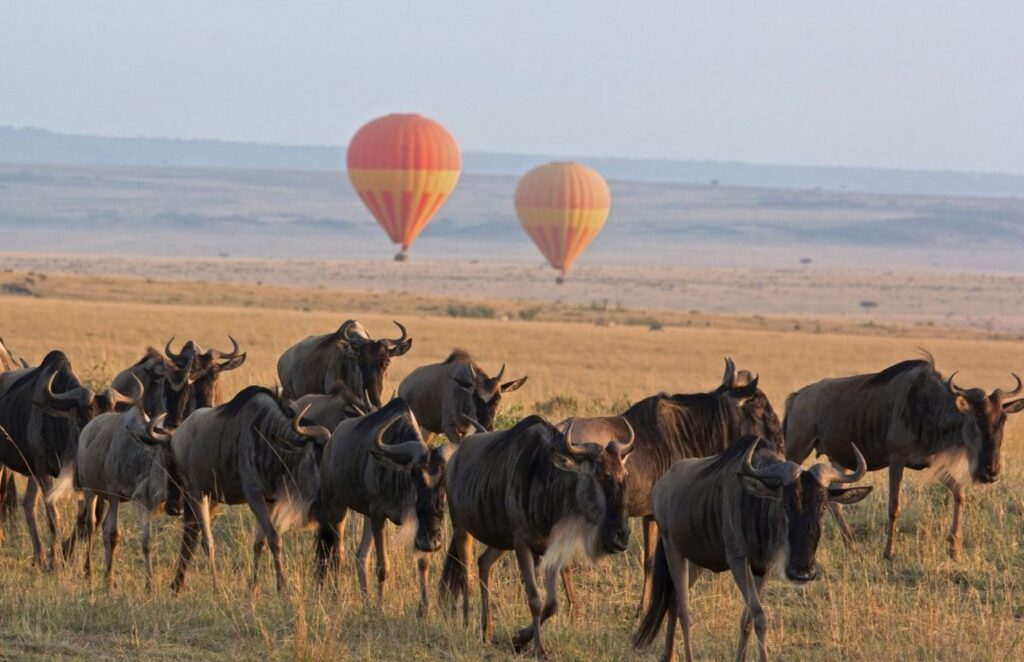
A sunrise hot air balloon flight over the plains, followed by a bush breakfast with champagne on landing, is one of the signature Serengeti experiences and can be arranged from Migration Camp through the same operators serving the wider park. Explore our dedicated guide to hot air balloon safaris in Serengeti for what to expect and how to book. It is worth noting that ballooning is generally the one activity excluded from full-board and fully-inclusive rate plans, so budget for it as an add-on.
Wildlife Visitors Can Expect
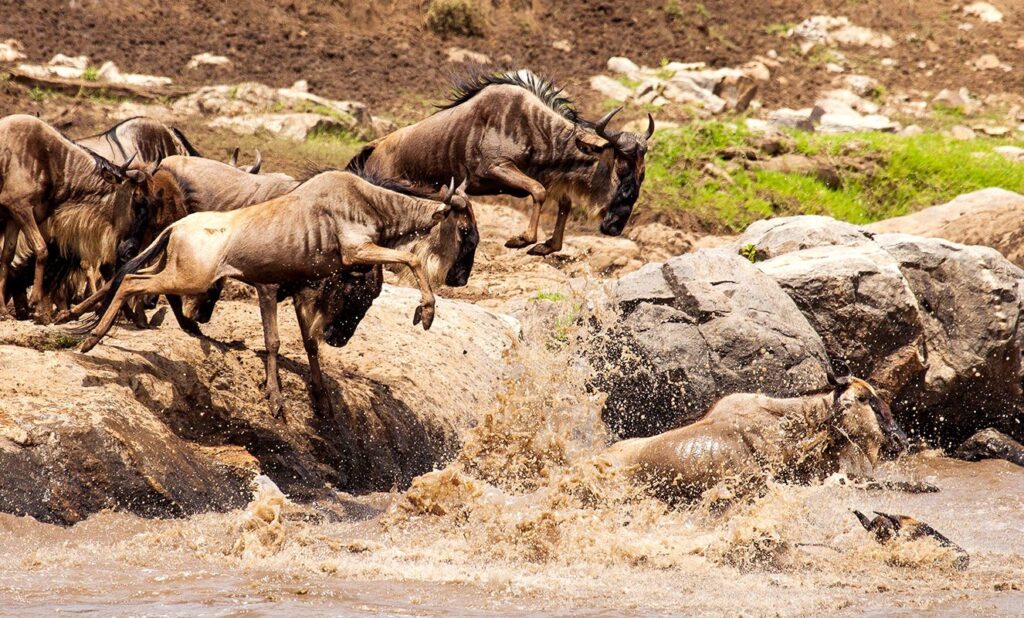
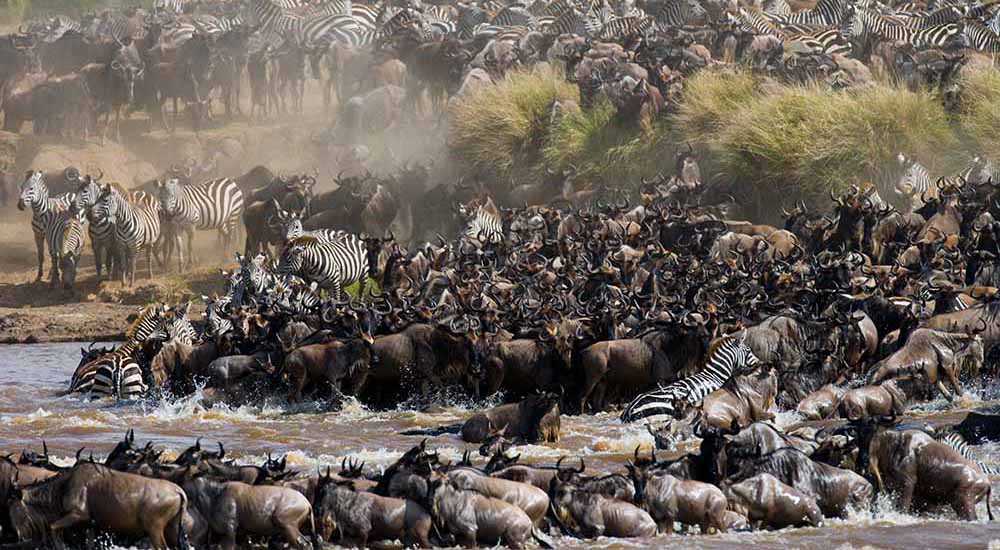
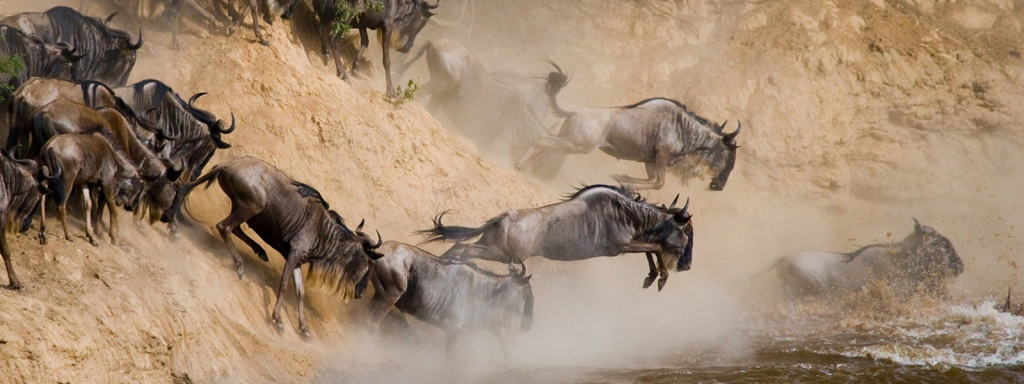
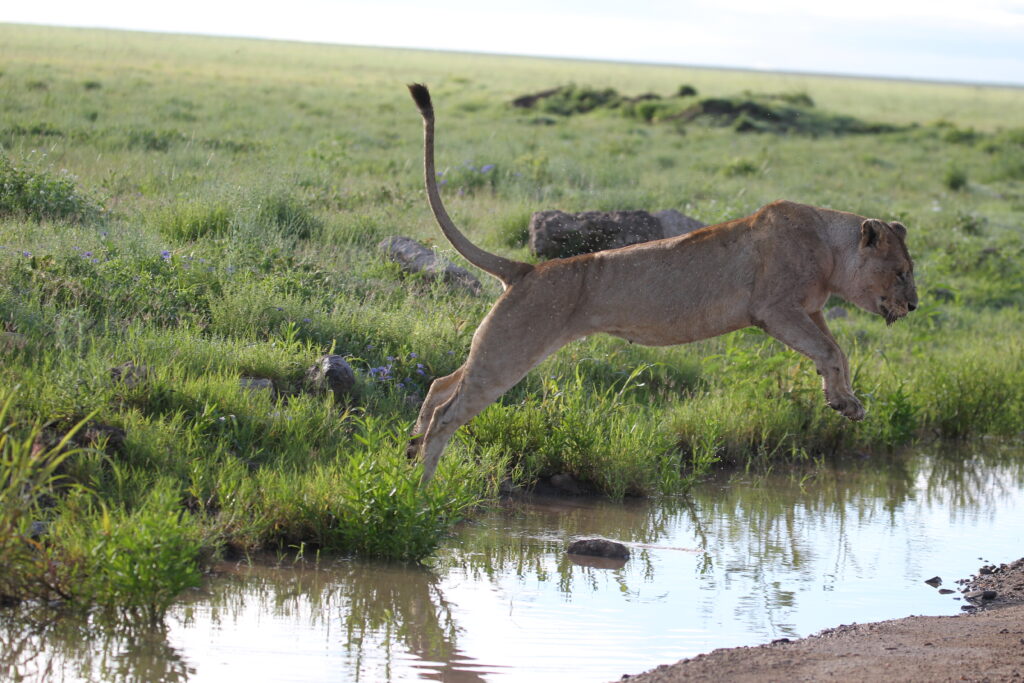
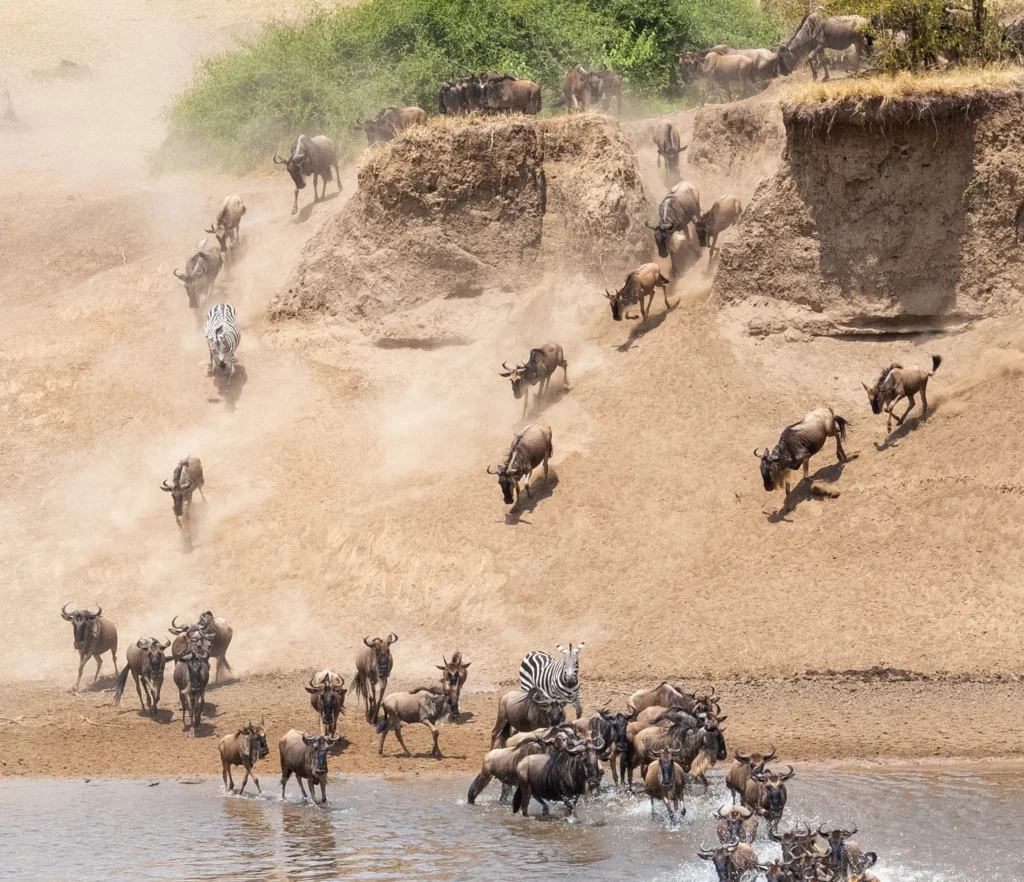
The camp’s position inside the Serengeti-Mara Ecosystem puts guests in reach of the full Big Five: lion, leopard, elephant, African buffalo, and the more elusive black rhino, alongside resident hippos and Nile crocodiles in the Grumeti River directly below the camp. Serengeti National Park overall holds one of Africa’s highest lion densities, along with cheetah, spotted hyena, and African wild dog, and more than 500 recorded bird species, from martial eagles to lilac-breasted rollers. During the Great Migration, the resident wildlife is joined by immense herds of wildebeest, zebra, and gazelle passing directly through the Lobo area as they move north toward Kenya’s Masai Mara and back south again later in the year.
Who Should Stay at Elewana Serengeti Migration Camp
Elewana Serengeti Migration Camp equally suits honeymooners, families, photographers, and first-time safari travelers, thanks to a combination of a private honeymoon suite, genuine family accommodation, elevated photography-friendly verandas, and an accessible, sociable camp layout.
Honeymoon & Romantic Couples
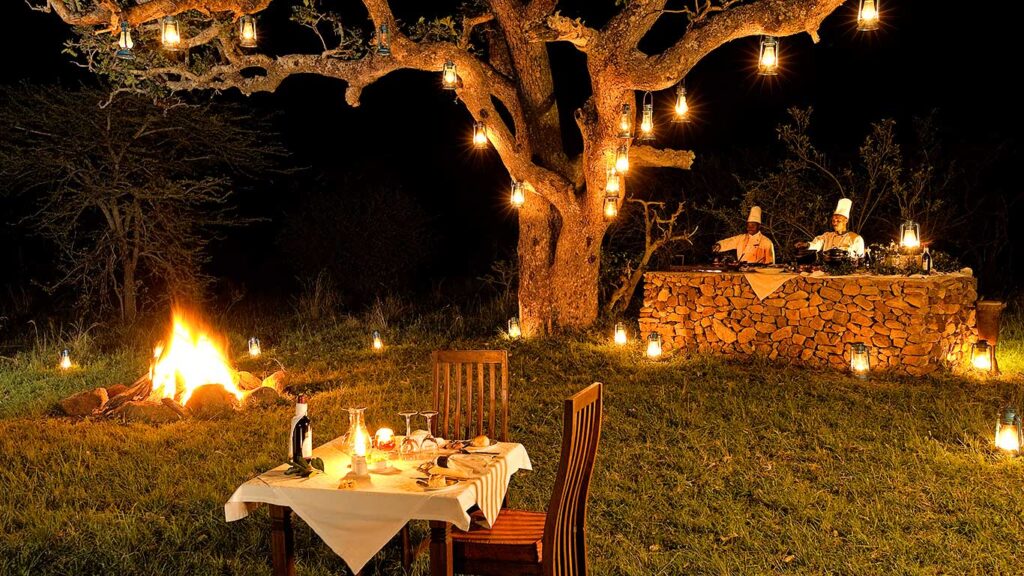
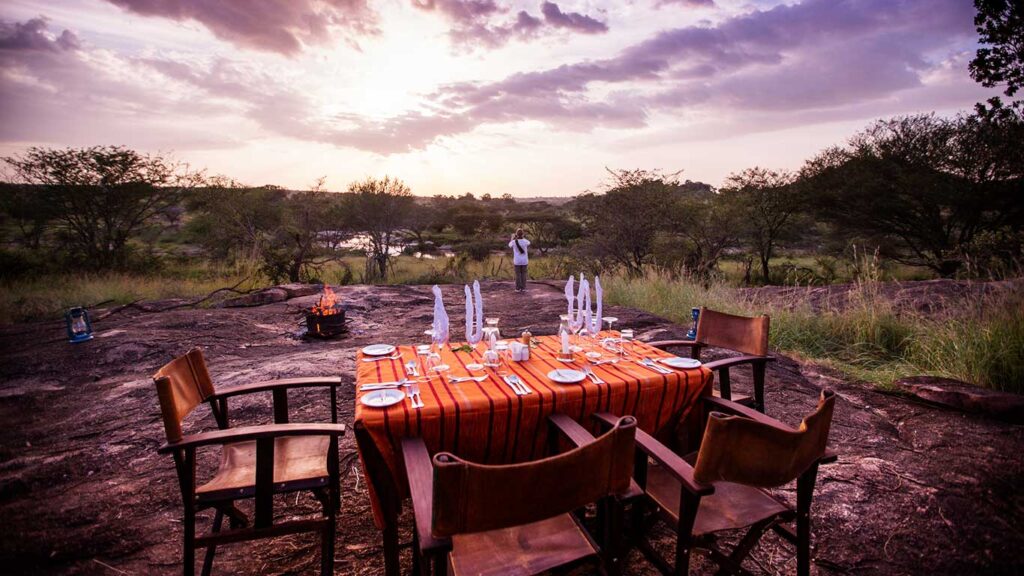
Between the secluded honeymoon suite with its private open-air spa bath, nightly sundowners on the viewing deck, and the option of a private bush dinner under the stars, this location is a genuinely strong honeymoon pick, particularly for couples who want the drama of the migration corridor without an overly formal, adults-only atmosphere.
Families With Children
The dedicated family tent (two interleading Migration Camp Tents sharing a bathroom, sleeping up to six), the option of an extra bed for a child in standard tents, and available cots and high chairs make this one of the more genuinely family-friendly camps in the northern Serengeti.
Solo Travelers
The sociable central mess tent, communal dining, and library-lounge setup make Migration Camp a comfortable choice for solo travelers who want company in the evenings without being pushed into a group itinerary. During the day, the camp typically runs game drives on a private vehicle basis rather than shared safari trucks.
Wildlife Photographers
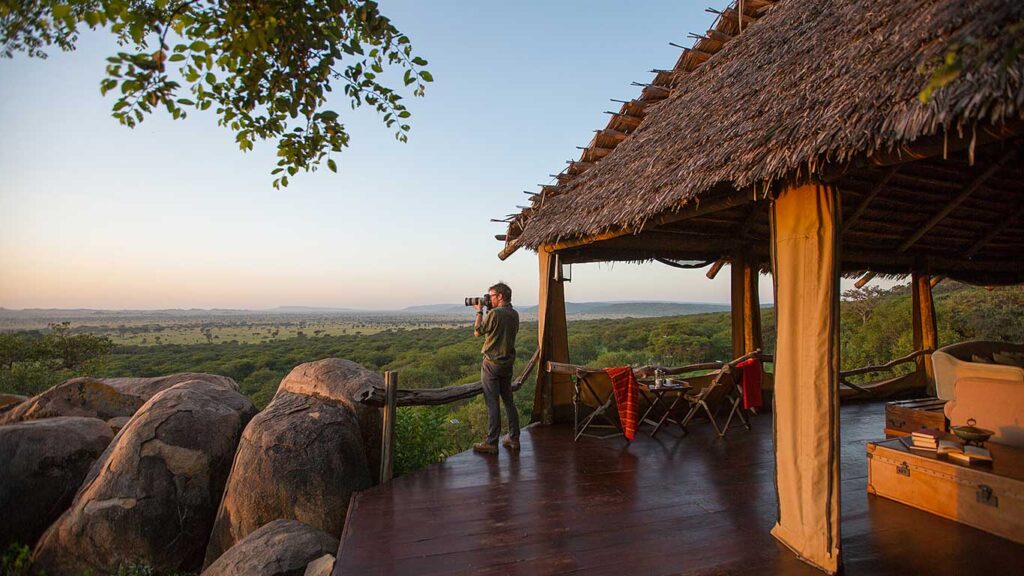
Elevated tents with unobstructed 360-degree verandas, a camp built directly on a game-rich stretch of the Grumeti River, and proximity to the migration’s northward and southward passages make this location a strong base for serious photographers, particularly those chasing river-crossing images without wanting to commit to a mobile camp for the entire season.
First-Time Safari Travelers vs. Repeat Africa Visitors
First-time visitors get a classic, well-run introduction to the Serengeti with excellent resident game, a comfortable and unintimidating camp layout, and knowledgeable guides who are used to explaining the basics without talking down to anyone. Repeat Africa visitors, meanwhile, tend to appreciate precisely what makes this camp different from the crowded central circuit: a quieter position, strong resident wildlife outside migration season, and direct access to the less-visited Lobo area.
Is it Worth the Price?
At roughly US$500 to US$1,400-plus per person per night depending on the season, Migration Camp sits in the mid-to-upper luxury tier for the Serengeti below the region’s most exclusive private-villa properties but well above budget lodges. Given the full-board rate structure, professional guiding, and a location that genuinely earns its migration-corridor billing, most travelers find it strong value within the luxury category, particularly in shoulder season when rates drop without a corresponding drop in game quality.
Best Time to Visit Elewana Serengeti Migration Camp.
The single best window to stay at Migration Camp is June through November, when the dry season concentrates game around the Grumeti River and the northward migration passes directly through the Lobo area, though resident wildlife makes the camp a worthwhile stop in any month.

| Months |
Conditions & Wildlife Highlights |
Crowds & Pricing |
| January – February |
Short dry spell; strong resident game around camp; migration herds mostly further south near Ndutu and Ngorongoro |
Moderate crowds; mid-range pricing |
| March |
Onset of the long rains; lush, green landscape; excellent birding |
Low crowds; lowest or near-lowest rates |
| April – May |
Peak green season; frequent afternoon rain; herds moving through the western and central Serengeti toward the north |
Lowest crowds; lowest rates of the year |
| June |
Dry season begins; herds start crossing the Grumeti River en route north, often visible from camp. |
Rising demand; rates increasing |
| July – August |
Peak dry season; herds concentrate in the northern Serengeti near Lobo and Kogatende; possible Mara River crossings within reach |
High season; peak crowds and rates |
| September – October |
Continued northern concentration and crossings; excellent predator activity |
High season; peak crowds and rates |
| November |
Short rains begin; herds start moving south again through the Lobo corridor. |
Shoulder season; moderate rates |
| December |
Short rains continue; herds head toward the southern plains for calving; strong resident game remains near camp. |
Holiday-period demand: rates rise around the festive period. |
Outside the migration months, Migration Camp’s resident lion, leopard, elephant, and buffalo populations plus the Grumeti River’s hippos and crocodiles keep game drives rewarding year-round, which is precisely the advantage of choosing a camp built for permanent residence in a game-rich corridor rather than one that only comes alive for a few months a year.
Conservation & Community at Elewana Serengeti Migration Camp
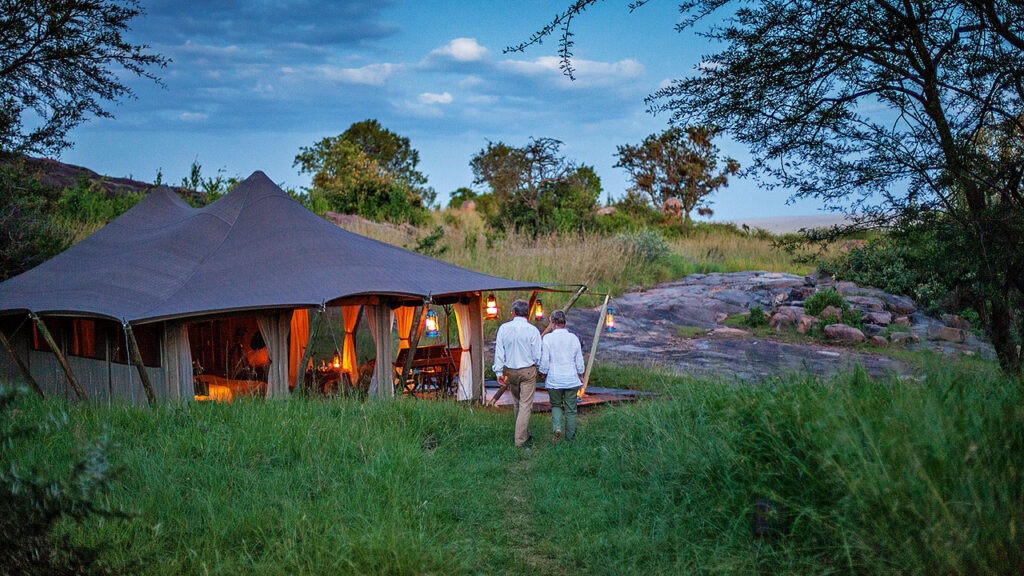
Elewana Serengeti Migration Camp operates within the broader conservation framework of Serengeti National Park, a protected UNESCO World Heritage Site since 1981, and contributes to it through park conservation fees, solar-powered infrastructure, and local employment.
What the Camp Does for Conservation
The camp’s tents rely on solar-generated power for round-the-clock hot water, reducing dependence on diesel generators that many older-style camps still use. Every guest’s stay also contributes indirectly to conservation funding through Serengeti National Park’s conservation and concession fees, which underwrite anti-poaching patrols, habitat management, and research across the wider ecosystem that sustains the migration itself.
Community Employment and Education
The camp draws much of its workforce from communities around Mugumu and the wider western Serengeti area, providing employment, training, and a steady income stream in guiding, hospitality, and camp operations for people living adjacent to the park. As with most established camps in the Elewana Collection, daily operations include staff training programs and local sourcing where feasible, though guests wanting specifics on current community initiatives should ask their guide directly during their stay. Camp staff are typically the best source for up-to-date, on-the-ground detail.
Why Staying Here Is a Considered Choice
Choosing a permanent, well-run camp built to minimize its physical footprint on a single rocky outcrop rather than a series of shifting mobile sites is a genuinely lower-impact way to experience the migration corridor, and the revenue it generates through park fees and local employment provides one of the more direct economic incentives for keeping this stretch of the Serengeti protected.
Planning Your Stay: Practical Travel Tips.
A stay at Elewana Serengeti Migration Camp calls for the same practical preparation as any northern Serengeti safari: layered clothing for cool mornings and warm afternoons, standard East African travel health precautions, and an itinerary that makes the most of the fly-in access this camp is built around.
What to Pack
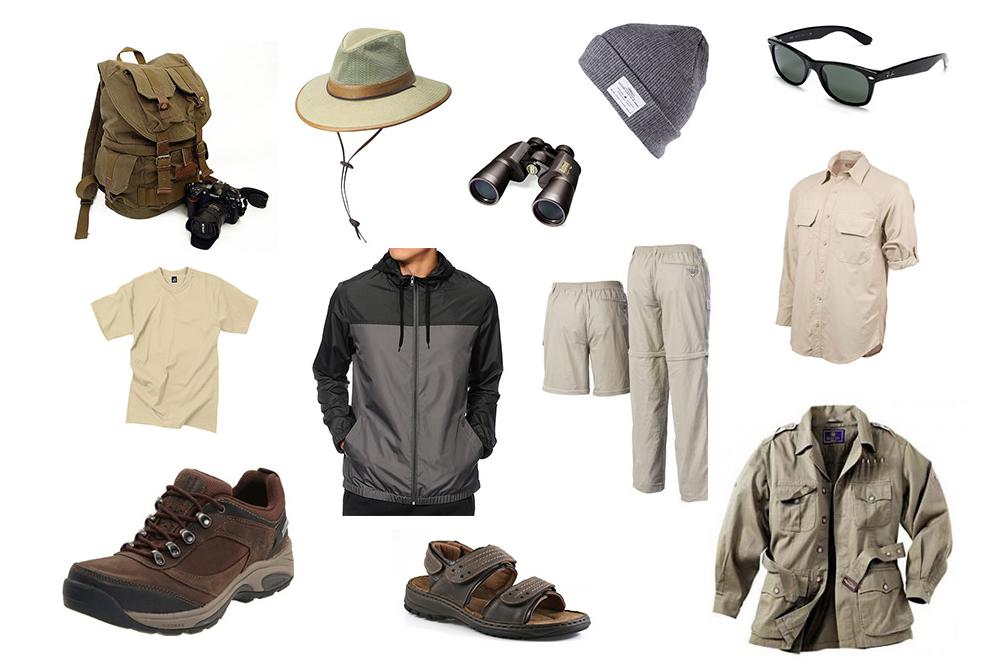
Days here swing from cool, sometimes chilly mornings the camp sits at roughly 1,500 to 1,700 meters to warm, sun-exposed afternoons, so layering is essential: a fleece or light jacket for early drives, breathable neutral-toned clothing (khaki, olive, and tan; avoid bright colors and dark blue, which attracts tsetse flies), a wide-brimmed hat, sunglasses, and high-SPF sunscreen. Comfortable, closed walking shoes are worth packing for the guided walks, along with binoculars, a camera with a reasonable zoom lens, and a light rain jacket in the green season. Bush flights carry strict soft-bag luggage limits, so pack a duffel rather than a hard-shell case.
Health and Vaccination Notes
The Serengeti sits within a malaria zone, so consult a physician or travel clinic about antimalarial medication before departure, and pack insect repellent for evenings around camp. Tanzania requires proof of yellow fever vaccination for travelers arriving from at-risk countries; check current entry requirements with a travel clinic or Tanzanian embassy ahead of the trip, since rules can change. Comprehensive travel insurance, including medical evacuation coverage, is strongly recommended for any remote safari location.
Payment, Tipping, and What’s Included
Full-board and fully-inclusive rate plans typically cover accommodation, meals, and a selection of drinks; park conservation fees, hot air balloon flights, premium spirits, spa treatments, and gratuities are usually charged separately, so confirm inclusions for your rate category at booking. Tipping is customary in Tanzania’s safari industry and typically given in cash (US dollars are widely accepted), with guides and camp staff tipped separately; ask Luxury Safaris Tanzania for current guideline amounts, since expectations vary by group size and length of stay.
How to Combine With Other Parks
Migration Camp’s northern Serengeti position makes it a natural fit for itineraries that also take in Ngorongoro Conservation Area, central Serengeti’s Seronera area, or a flight onward to Tarangire National Park or Lake Manyara National Park on the classic northern circuit. Travelers wanting to extend the trip further can add a few days on Zanzibar at the end of the safari or combine it with Kilimanjaro trekking beforehand for a more active start to the holiday. Our Combined Safaris guide outlines several ways to link these destinations into a single seamless itinerary.
Want help weaving Migration Camp into a full Tanzania itinerary?
Start Planning With Our Experts →
Frequently Asked Questions About Elewana Serengeti Migration Camp
Where exactly is Elewana Serengeti Migration Camp located?
Elewana Serengeti Migration Camp sits on a rocky outcrop above the Grumeti River in the Lobo area of north-central Serengeti National Park, within the broader Serengeti-Mara ecosystem. This position places it north of the central Serengeti area and south of the far northern Kogatende sector, on the corridor the wildebeest migration follows as it moves between the western and northern Serengeti each year.
How many rooms does Elewana Serengeti Migration Camp have?
The camp has 20 elevated luxury tents in total, comprising standard Migration Camp Tents, one secluded honeymoon suite with a private open-air spa bath, and one two-tent family configuration that sleeps up to six guests across a pair of interleading rooms sharing a bathroom.
What is the nearest airstrip to Elewana Serengeti Migration Camp?
Lobo Airstrip is the nearest airstrip, roughly a 40 to 45-minute road transfer from camp. Scheduled flights connect Lobo to Arusha Airport several times daily, with a total flight time of approximately 1 hour 20 minutes depending on the number of stops the aircraft makes along the way.
When is the best time to see the wildebeest migration from Elewana Serengeti Migration Camp?
The herds typically pass through the camp’s Lobo-area corridor as they move north around June, with the northern Mara River crossings further northward near the Kogatende building through July, August, and September. The migration usually passes back south through the same corridor around November, making June to November the strongest overall window for viewing it from this camp.
Is Elewana Serengeti Migration Camp good for families with children?
Yes. The camp offers a dedicated family tent configuration sleeping up to six guests, can add an extra bed for a child in standard tents, and can arrange cots and high chairs on request. Families should confirm the current minimum age policy for game drives and walking safaris directly with Luxury Safaris Tanzania when booking, since these policies can change by season.
Does Elewana Serengeti Migration Camp have Wi-Fi?
Wi-Fi is available in the central lounge and communal areas but not piped into individual tents, and mobile signal in this part of the northern Serengeti is generally weak or absent. Most guests treat the stay as a deliberate break from connectivity rather than planning to work from their tent.
What is included in the room rate at Elewana Serengeti Migration Camp?
Full-board and fully-inclusive rate plans typically include accommodation, all meals, and a selection of drinks, with game drives and walking safaris usually bundled into game-inclusive packages. Park conservation fees, hot air balloon flights, premium spirits, and gratuities are generally charged separately
Is Elewana Serengeti Migration Camp good for a honeymoon?
Yes. The camp’s secluded honeymoon suite includes a private open-air spa bath screened by a wild fig tree, and the wider camp offers nightly sundowners, the option of a private bush dinner, and a genuinely romantic river-and-plains setting that suits honeymooners and anniversary trips particularly well.
What animals can I expect to see at Elewana Serengeti Migration Camp?
Resident wildlife includes lions, leopards, elephants, African buffalo, and the rarer black rhino, alongside hippos and Nile crocodiles in the Grumeti River directly below camp. During migration season, wildebeest, zebra, and gazelle pass through the surrounding Lobo corridor in large numbers, drawing higher concentrations of predators with them.
How do I get to Elewana Serengeti Migration Camp from Kilimanjaro or Arusha?
Most guests fly from Arusha Airport to Lobo Airstrip, a journey of roughly 1 hour 20 minutes depending on routing, followed by a 40 to 45-minute road transfer to camp. Travelers arriving via Kilimanjaro International Airport typically connect through Arusha for the onward bush flight. A direct road transfer from Arusha is possible but takes six to eight hours and is usually not the most efficient option this far north in the park.
Is Elewana Serengeti Migration Camp all-inclusive?
Rate plans are typically offered as full-board or as a more comprehensive, fully inclusive package that bundles in-game drives and select beverages; the exact inclusions vary by rate category, so it is worth confirming precisely what is and is not covered, particularly hot air balloon flights and premium drinks, which are usually excluded before booking.
What is the camp’s elevation and typical climate?
The camp sits at approximately 1,500 to 1,700 meters, which keeps early mornings and evenings cool even in the warmer months, while daytime temperatures on the plains climb comfortably into the warm range. Pack layers rather than relying on either extreme.
Can I combine Elewana Serengeti Migration Camp with other parks in Tanzania?
Yes. Its northern Serengeti position pairs naturally with Ngorongoro Conservation Area, central Serengeti, and onward travel to Tarangire or Lake Manyara National Parks on the classic northern circuit, and many itineraries extend afterward to Zanzibar’s beaches or combine with a Kilimanjaro trek.
Is a walking safari available at Elewana Serengeti Migration Camp?
Yes. Guided walking safaris led by an armed ranger and naturalist guide are available, offering a slower, more detailed look at the ecosystem’s tracking signs, smaller wildlife, and birdlife than a vehicle-based game drive typically allows.
Who operates Elewana Serengeti Migration Camp?
The camp is owned and operated by the Elewana Collection, a portfolio of individually designed luxury camps and lodges across Tanzania and Kenya, each built to reflect its specific setting, and is the same collection behind Tarangire TreeTops by Elewana.