The wildlife draw of staying at Arusha Safari Lodge comes almost entirely from its proximity to Arusha National Park, which is roughly 25 kilometers (15 miles) from Arusha town and is one of the most accessible parks in the country. Because the lodge itself sits outside any reserve, the staff arrange activities as excursions from the property rather than drives that start at the front door.
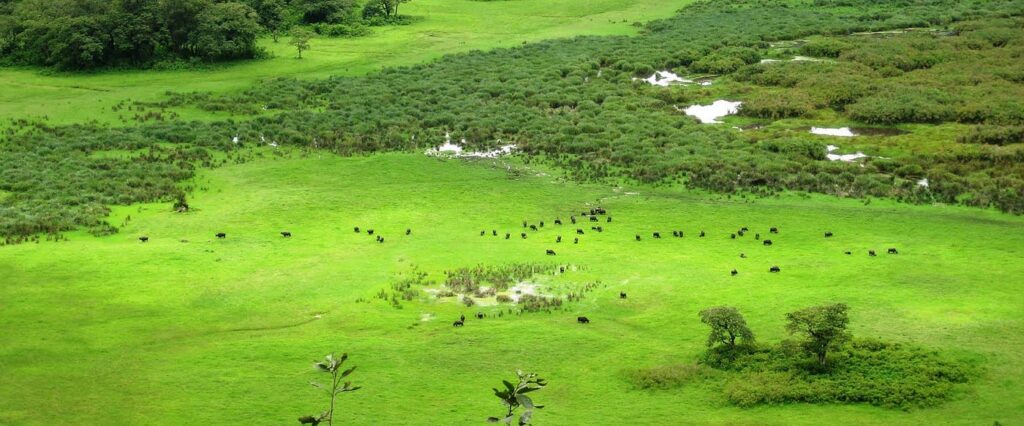
- Game drives in Arusha National Park: open-roof 4×4 drives through the park’s savannah, including the grasslands known locally as “Serengeti Ndogo” (Mini Serengeti) and the routes toward Momella Lakes and Ngurdoto Crater, typically running around four hours. See our full Arusha National Park guide for the complete route breakdown
- Walking safaris with an armed ranger: one of Arusha National Park’s signature experiences and rare in East Africa’s larger reserves, where walking is generally restricted for safety reasons
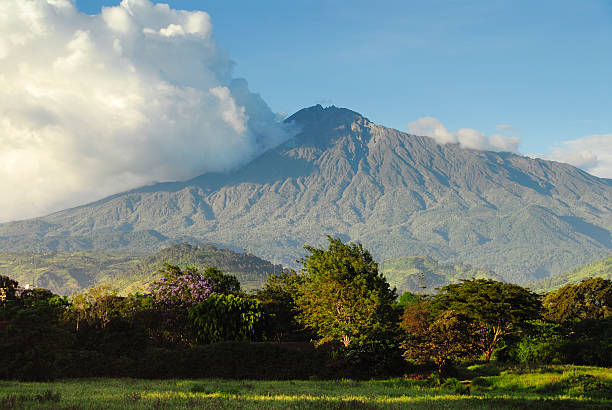
- Mount Meru trekking: a three- to four-day climb up Africa’s fifth-highest peak, often used as acclimatization before Kilimanjaro; see our Mount Meru trekking guide for route and preparation details
- Canoeing on Momella Lake: a guided paddle past hippos, flamingos, and waterbirds along the shallow alkaline lakeshore
- Birding: With more than 400 recorded species, Arusha National Park is one of Tanzania’s strongest birding destinations; see our dedicated birding safaris in Tanzania guide
- Horseback riding: available along several of the park’s trails for guests wanting an alternative to a vehicle-based game drive
- Lodge-based downtime: the on-site pool and tennis court give guests a genuine reason to build a half-day of rest into an otherwise packed northern-circuit itinerary
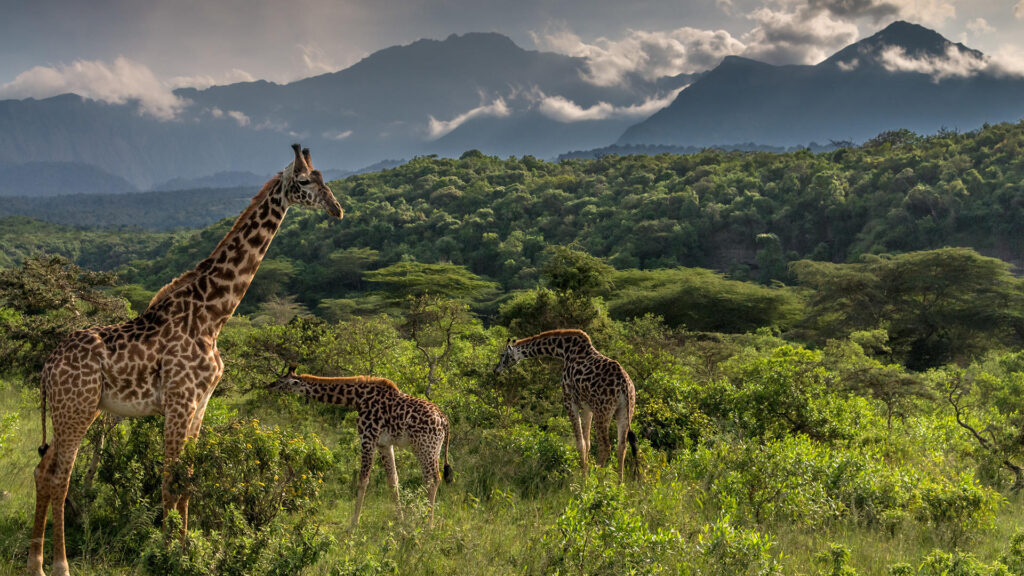
Species commonly sighted in Arusha National Park include giraffes, Cape buffalo, zebras, warthogs, bushbucks, waterbucks, large troops of olive baboons, and black-and-white colobus monkeys leaping through the montane forest canopy, plus seasonally, thousands of lesser and greater flamingos on the Momella Lakes. Note that Arusha National Park is not a Big Five destination in the conventional sense: lions are absent and leopard sightings are rare, which is precisely why the park rewards close-range, unhurried wildlife watching rather than a predator checklist. Guides arranged through Luxury Safaris Tanzania are drawn from the company’s network of TATO-registered, professionally trained local guides.
Who Should Stay at Arusha Safari Lodge
Arusha Safari Lodge suits travelers who need a genuinely comfortable, well-placed Arusha base more than it suits guests chasing a singular luxury splurge, and being honest about that distinction upfront leads to happier guests.
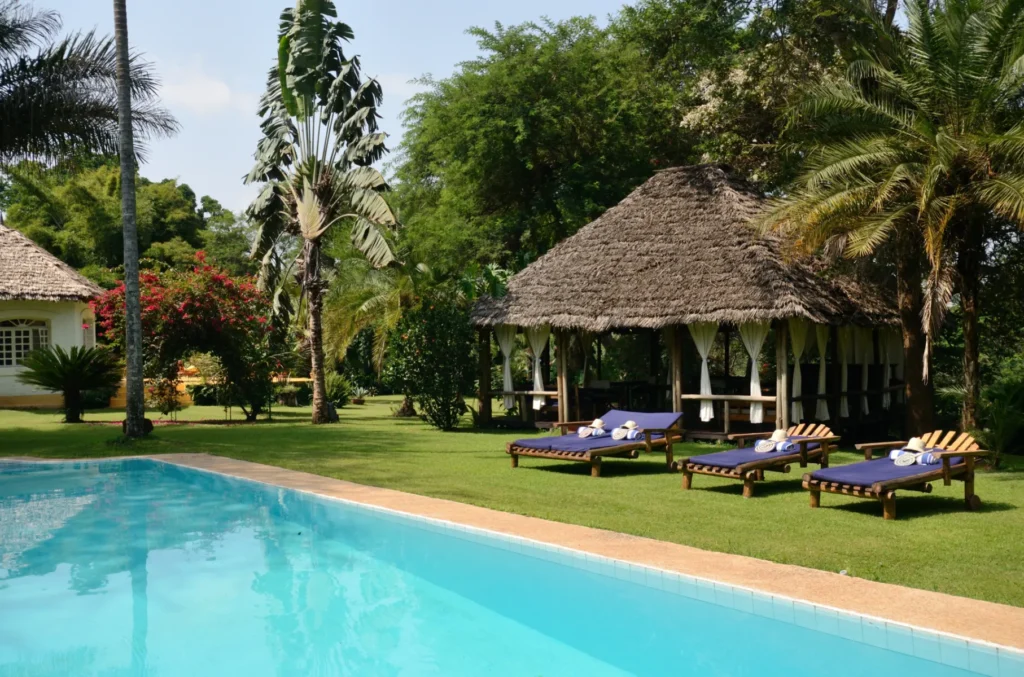
- Honeymoon and romantic couples: the garden cottages and pool make for a quiet, private soft landing before or after the safari, though couples wanting the candlelit, crater-view honeymoon moment should plan that for a flagship property later in the itinerary rather than expect it here
- Families with children: complimentary cribs, babysitting at a surcharge, a pool, and a tennis court all work in the lodge’s favor; confirm any minimum age policy directly before booking.
- Solo travelers: the property’s small-scale nine cottages make for a manageable, personal stay rather than an anonymous hotel experience
- Wildlife photographers: a convenient base for early-morning Arusha National Park game drives and Momella Lakes birdlife, but photographers prioritizing Big Five density and dramatic light should treat Arusha as a logistical stopover, saving their photographic priority for the Serengeti or Ngorongoro legs of the trip
- First-time safari travelers: an easy, low-stimulation first night to acclimatize to Tanzania before the pace picks up further along the circuit
- Repeat Africa visitors: many will prefer to treat Arusha purely as a transit night and move straight into the bush the following morning, which the lodge accommodates well given its proximity to the airport road
Regarding value: given its positioning as a modest, well-run boutique property rather than a luxury flagship, Arusha Safari Lodge is fairly priced for what it delivers, a comfortable overnight base rather than a splurge experience in its own right. Most travelers get the best value from it when it is booked as one stop within a broader tailor-made Tanzania itinerary rather than as a standalone getaway.
Not sure whether Arusha Safari Lodge fits your trip?
Ask a Luxury Safaris Tanzania specialist. →
Best Time to Visit Arusha Safari Lodge.
The best months to stay at Arusha Safari Lodge are June through October and late December through February, Tanzania’s two dry seasons, when low rainfall means clearer views of Mount Meru and Mount Kilimanjaro and easier road transfers to and from the airport.

- June–October (peak dry season): the most reliable weather for game drives and walking safaris in Arusha National Park, with cooler, drier highland air in the evenings; pack a warm layer
- December–February (short dry season): warm days and generally clear skies, popular with travelers timing their trip around the Serengeti’s calving season further west
- November (short rains): brief afternoon showers are common but rarely disruptive; the gardens around the lodge are at their greenest
- March–May (long rains): the wettest months, with April and May bringing the heaviest downpours and occasional muddy access roads; this is also the quietest and least expensive time to stay, and the pool and tennis court become useful ways to fill an indoor-leaning afternoon
Because the lodge holds only nine cottages, it rarely feels crowded regardless of season. The bigger seasonal variable for guests is transfer time from Kilimanjaro International Airport, which can lengthen in heavy rain.
Travelers timing a stay around a specific wildlife event further into the circuit, the Serengeti’s calving season in the south around February and March, or the Mara River crossings between roughly June and October should book Arusha Safari Lodge as the entry or exit point around those dates rather than the other way around. The lodge itself has no strong seasonal wildlife calendar of its own; the giraffes, buffalo, colobus monkeys, and birdlife at Momella Lakes in Arusha National Park are reliably present in every month of the year, which makes the lodge unusually easy to schedule around the rest of a trip.
Conservation & Community.
Arusha Safari Lodge itself does not publish a documented conservation program or certification in the sources available for this article. Its indirect conservation contribution comes through the Arusha National Park entrance fees paid by guests on game drives and walking safaris, which fund the Tanzania National Parks Authority’s (TANAPA) conservation and anti-poaching work across the park system.
On the operator side, Luxury Safaris Tanzania works only with vetted, personally visited partners, and the company holds TATO (Tanzania Association of Tour Operators) membership and IATA accreditation, alongside a stated commitment to responsible tourism that supports rather than depletes the landscapes it sells. Travelers wanting a stay built explicitly around conservation and community programs, anti-poaching partnerships, employment, and education initiatives documented on the property’s own materials should look to a purpose-built conservation lodge later in the itinerary, such as &Beyond Ngorongoro Crater Lodge, where these programs are an established part of the guest experience.
More broadly, choosing Arusha as a gateway rather than skipping straight from the airport to the first bush camp has a modest conservation upside of its own: Arusha National Park’s entrance fees are a meaningful funding stream for a park that, unlike the Serengeti or Ngorongoro, receives comparatively few visitors relative to its ecological value, and every game drive or walking safari booked from the lodge contributes directly to that funding base.
Planning Your Stay: Practical Travel Tips
Arusha sits at roughly 1,400 meters above sea level, giving it a mild highland climate that is markedly cooler than Zanzibar or the coast, so pack accordingly.
What to Pack
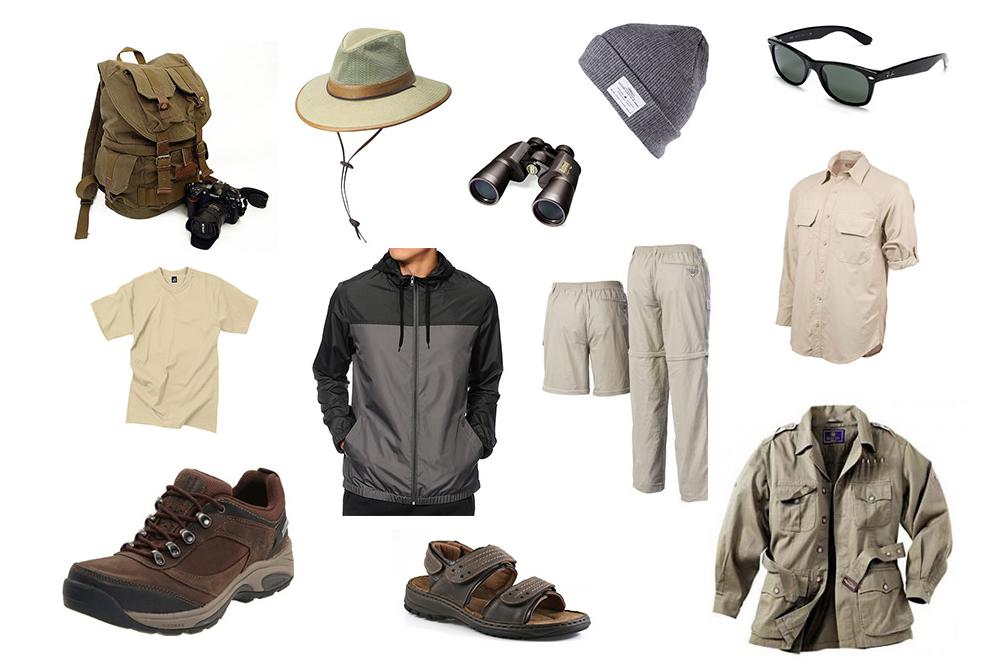
- Light layers for warm days and a fleece or light jacket for cool mornings and evenings
- Comfortable closed walking shoes for Arusha National Park’s walking safaris
- Swimwear for the lodge pool and appropriate footwear if using the tennis court
- Neutral-colored clothing for game drives (avoid bright white and dark blue, which attracts tsetse flies in parts of northern Tanzania)
- Sun protection hat, sunglasses, and high-SPF sunscreen, even on overcast highland days
Health and Vaccination Notes
No vaccination is legally required to enter Tanzania, but yellow fever proof may be requested if arriving from a country with a risk of transmission, and malaria precautions are generally advised for the region. Consult your physician or a travel clinic well ahead of your trip.
Payment, Tipping, and What’s Included
Breakfast is typically included in the room rate at Arusha Safari Lodge; drinks, spa treatments (where available), and excursions such as the Mount Meru trek or a day trip into Arusha National Park are generally arranged and charged separately. Tanzania’s on-arrival tourist visa costs 100 USD for most nationalities, with an online e-visa option available in advance. Tipping is customary for lodge staff and safari guides across Tanzania; ask your Luxury Safaris Tanzania consultant for current per-day guidance appropriate to your itinerary.
Combining Arusha Safari Lodge With the Rest of Your Safari
Arusha Safari Lodge works best as a bookend rather than a standalone destination. Popular pairings include the 10-Day Northern Tanzania Exclusive Safari for travelers chasing the wildebeest migration river crossing, the 10-Day Kilimanjaro Trekking Northern Circuit Route for climbers wanting a comfortable base before and after the mountain, and the 5-Day Fly-in Serengeti Safari for guests who want one comfortable ground night before flying deeper into the Serengeti.
Frequently Asked Questions About Arusha Safari Lodge.
Where is Arusha Safari Lodge located?
Arusha Safari Lodge is located on Old Moshi Road on the eastern edge of Arusha, Tanzania, outside the town center and within easy reach of Lake Duluti and the gates of Arusha National Park. It sits on Tanzania’s northern safari circuit, the region that also includes the Serengeti, Ngorongoro Crater, and Mount Kilimanjaro, making it a practical base for travelers arriving through Kilimanjaro International Airport before heading out on safari.
Is Arusha Safari Lodge close to Arusha National Park?
Yes. Arusha National Park is the closest major landmark to the lodge, roughly 25 kilometers (15 miles) from Arusha town, and Arusha Safari Lodge’s position on Old Moshi Road puts it within a manageable drive of the park gates. Guests typically arrange a half-day or full-day excursion into the park for game drives, walking safaris, or Mount Meru trekking directly from the lodge.
How far is Arusha Safari Lodge from Kilimanjaro International Airport?
Reported drive times vary across sources, ranging from roughly 56 minutes to as long as 85 minutes depending on traffic and the specific route taken. Guests booking through Luxury Safaris Tanzania are met at the airport by a private driver-guide, who can give an accurate, up-to-date transfer estimate for the day of arrival.
How many rooms does Arusha Safari Lodge have?
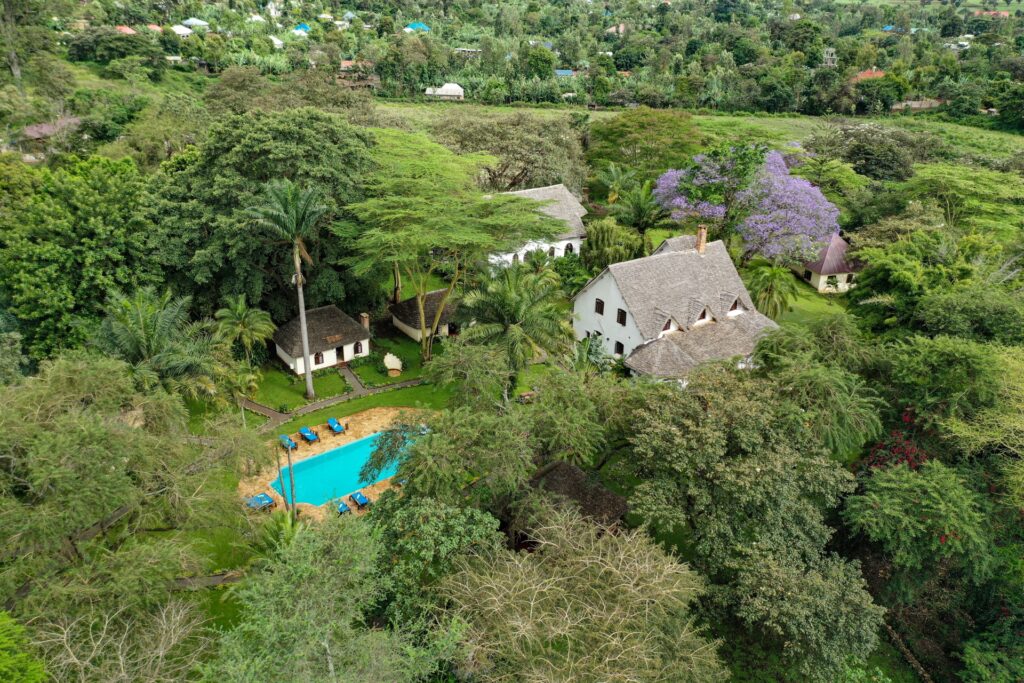
Arusha Safari Lodge is a small property with nine garden cottages, each set apart within the lodge’s tropical grounds. This makes it a considerably more intimate stay than a typical Arusha hotel, though travelers should confirm the current room count and any newer categories directly with the property or their safari consultant before booking.
Does Arusha Safari Lodge have a swimming pool?
Yes, Arusha Safari Lodge has an outdoor swimming pool on-site, along with an outdoor tennis court, both unusual inclusions for a lodge of this size. They give guests a genuine reason to build rest time into an Arusha stopover rather than simply passing through on the way to the parks.
Is Arusha Safari Lodge suitable for families with children?
Arusha Safari Lodge offers complimentary cribs and infant beds and babysitting services at a surcharge, which makes it workable for families traveling with young children. A specific minimum age policy for the pool or tennis court was not documented in available sources, so families should confirm directly with the lodge or their safari consultant before booking.
What is the best time to visit Arusha Safari Lodge?
The best months are June through October and late December through February, Tanzania’s two dry seasons, which bring clearer skies, easier road transfers, and the best conditions for game drives and walking safaris in nearby Arusha National Park. The long rains from March to May are the quietest and least expensive period, though transfer times can lengthen in heavy downpours.
Can I combine a stay at Arusha Safari Lodge with a Serengeti or Ngorongoro safari?
Yes, this is how most guests use the lodge. Arusha Safari Lodge works well as a first or last night before heading deeper into the northern circuit and pairs naturally with itineraries such as the 10-Day Northern Tanzania Exclusive Safari or a fly-in Serengeti safari. Luxury Safaris Tanzania builds these pairings into fully tailor-made itineraries rather than fixed packages.
Is Arusha Safari Lodge a suitable choice for a honeymoon?
Arusha Safari Lodge can work well as a quiet, private first or last night for honeymooners thanks to its garden cottages and pool, but it is not positioned as an ultra-luxury honeymoon destination in its own right. Couples wanting a signature romantic splurge, a crater-rim suite, or a private bush dinner should plan that experience for later in the itinerary at a flagship property such as &Beyond Ngorongoro Crater Lodge.
What is the check-in and check-out time at Arusha Safari Lodge?
Based on available booking data, check-in typically begins around midday (12:00 PM), with a minimum check-in age of 18, and check-out is generally around 10:00 AM.
Is Wi-Fi available at Arusha Safari Lodge?
Free Wi-Fi is available in the lodge’s public areas. Whether it extends reliably into every garden cottage has not been independently confirmed, so guests who need dependable in-room connectivity should check with their safari consultant ahead of arrival.
What activities can I do near Arusha Safari Lodge?
The main activities are based in nearby Arusha National Park: guided game drives, walking safaris with an armed ranger, Mount Meru trekking, canoeing on Momella Lake, birding among more than 400 recorded species, and horseback riding. At the lodge itself, guests can use the swimming pool and outdoor tennis court between excursions.
Do I need a visa to stay at Arusha Safari Lodge and travel in Tanzania?
Most nationalities can obtain a Tanzania tourist visa on arrival for 100 USD or apply online in advance through the government’s e-visa system. No vaccinations are legally required for entry, though yellow fever proof may be requested depending on your travel history, and malaria precautions are generally recommended. Consult a travel health professional before your trip.
What should I pack for a stay at Arusha Safari Lodge?
Pack light layers for warm days and a fleece or light jacket for cool Arusha evenings, given the town’s roughly 1,400-meter elevation. Add comfortable closed shoes for walking safaris, swimwear for the pool, neutral-toned clothing for game drives, and strong sun protection, since highland sun remains intense even on overcast days.