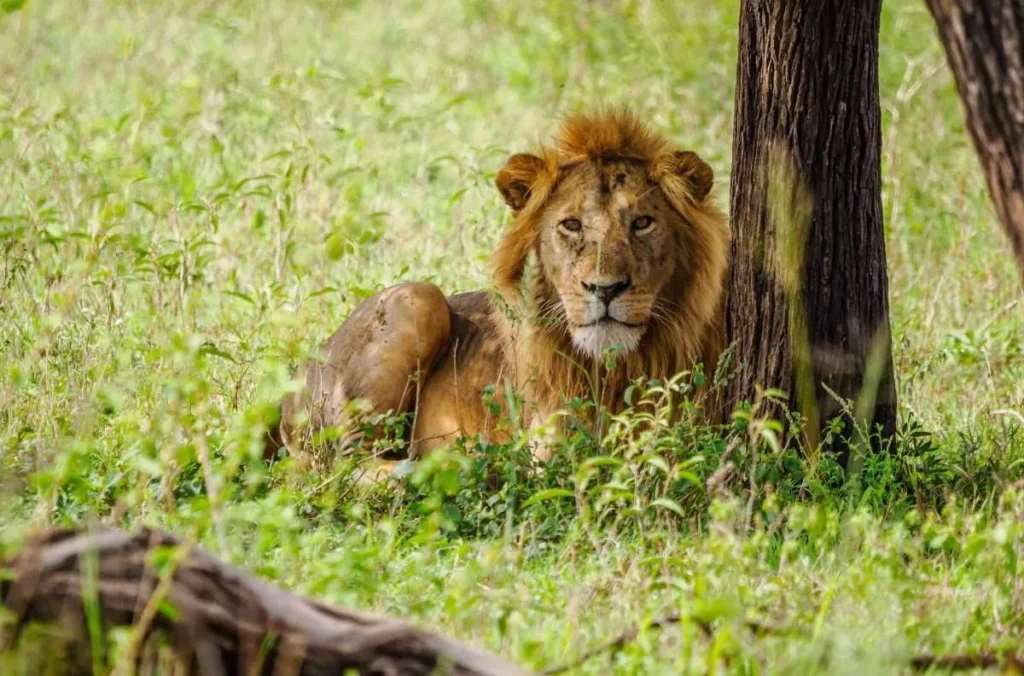
Guests staying at Fairmont The Norfolk can watch wild lions, rhinos, and giraffes within an hour of the lobby. The hotel arranges city tours and wildlife visits, and our private guides can build a full day around any of them.
Nairobi National Park Game Drive
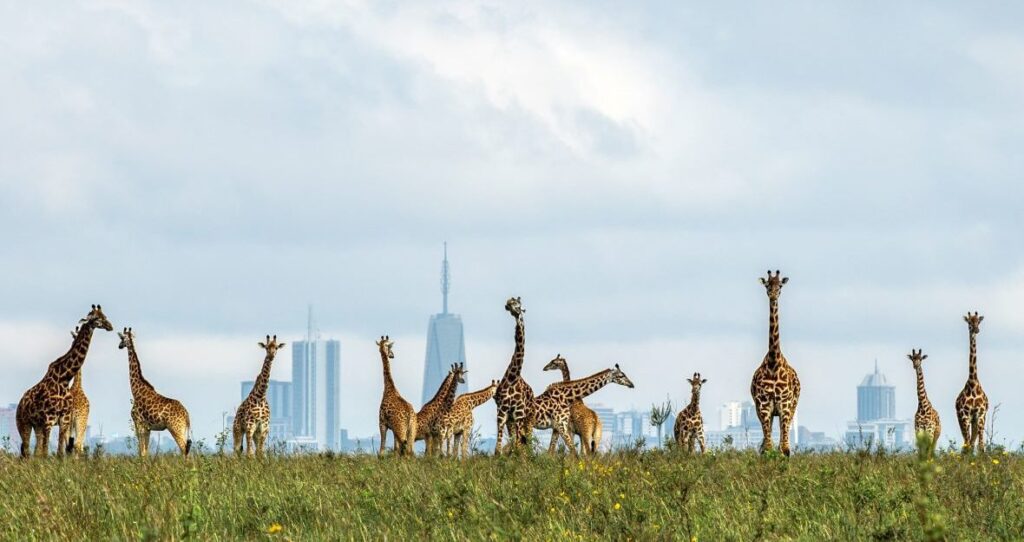
Nairobi National Park is an unusual reserve that borders a major capital, and it offers game drives against a skyline backdrop. Expect lion, leopard, buffalo, black rhino, Masai giraffe, zebra, hartebeest, eland, and more than 400 bird species; elephants are not resident. Go at dawn for the best light. Read more on our Nairobi National Park guide.
Giraffe Centre and David Sheldrick Wildlife Trust
The Giraffe Centre in Karen lets you feed endangered Rothschild’s giraffes from a raised platform. The David Sheldrick Wildlife Trust runs the famous elephant orphanage, where keepers bring rescued calves out for visitors during a daily public viewing hour. Both sit a short drive from the hotel, and our clients usually combine them in a half day.
Karen Blixen Museum and Nairobi Culture
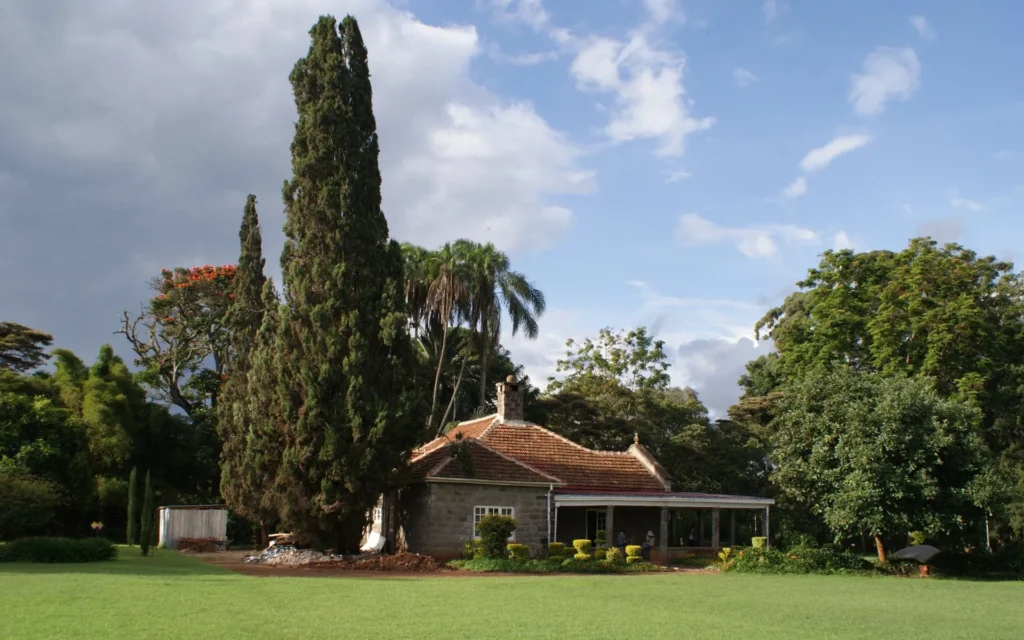
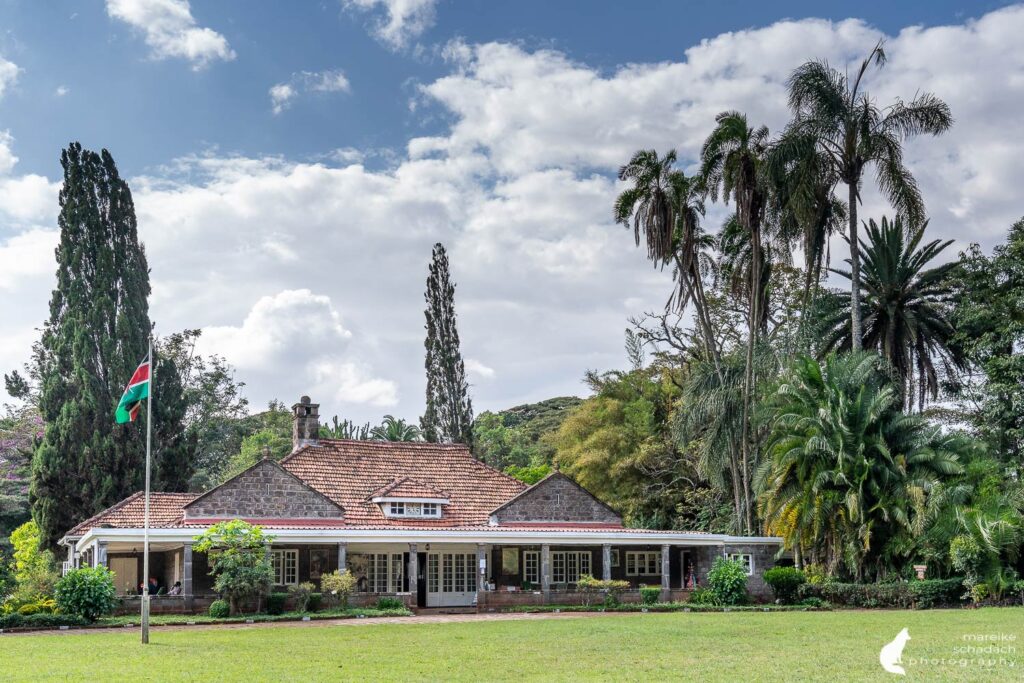
The Karen Blixen Museum preserves the farmhouse of the author of Out of Africa, who lived in Kenya from 1914 to 1931. The hotel also points guests to local art, fashion pop-up markets, and the National Museums of Kenya.
City Tours and Nairobi’s Cultural Scene
The hotel promotes guided city tours, art and fashion pop-up markets, and a lively evening scene. Our private guides add markets, craft shops, and a lunch in Karen, then return you in time for sundowners at Cin Cin.
A Sample Day From the Hotel
Leave at dawn for a two-hour game drive in Nairobi National Park, return for the Lord Delamere Terrace breakfast buffet, and then visit the Giraffe Centre and the elephant orphanage before lunch in Karen. Spend the afternoon at the Pambo Spa or by the pool, and finish with dinner at Tatu. It is a full introduction to Kenyan wildlife without a single flight.
Spa, Pool, and Fitness
Pambo Spa offers massages, aromatherapy and facials, and the hotel lists a gym, sauna and steam rooms. The heated outdoor pool, with a swim-up bar, makes a perfect recovery stop after a long-haul flight.
Guide Quality
Our Nairobi guides are English-speaking, wildlife-trained drivers who brief guests at airport pick-up and stay with them throughout their stay. Qualification levels vary by guide, so please ask us about the specific accreditation of your guide.
Who Should Stay Here
Fairmont The Norfolk suits travellers who want comfort, history, and convenience on either end of a safari. It is less suited to guests seeking total wilderness isolation.
- Honeymoon and romantic couples: the hotel offers a Honeymooners’ Getaway package, listed at 20% off the best available rate. Book a verandah room and dinner at Tatu.
- Families with children: family rooms, a playground, and a Family Stay offer make it practical.
- Solo travellers: the central location, active bars, and secure grounds make it easy to feel comfortable alone.
- Wildlife photographers: dawn game drives in Nairobi National Park give a skyline-and-lion frame that no other capital offers.
- First-time safari visitors: a gentle introduction, with expert briefings before the bush.
- Repeat Africa visitors: the historic bar and terrace trade on the atmosphere that returning guests appreciate.
Is it worth the price? For a one- or two-night stopover, it is worth it. You are paying for location, service, and heritage, not wilderness. If your budget is tight, spend the savings on an extra night in the Mara rather than a higher room category here.
Best Time to Visit
The best time to visit Fairmont The Norfolk is June to October and January to February, when Nairobi’s dry weather supports clear game drives and seamless transfers. The hotel is open all year, so the real question is the safari you attach to it.

| Months |
Conditions in Nairobi |
Wildlife and safari context |
Crowds and pricing |
| Jan–Feb |
Warm, mostly dry |
Good game viewing; calving in the southern Serengeti |
Busy; high-season rates |
| Mar–May |
Long rains, humid |
Lush landscapes, fewer visitors; some camps closed |
Green season, lowest prices |
| Jun–Oct |
Cool, dry, clear |
The Great Migration reaches the Mara (roughly July to October). |
Peak season, book early. |
| Nov–Dec |
Short rains, showers |
Green plains, migratory birds, festive season rise |
Shoulder pricing, peak at year-end |
Month-by-Month Guide
- January: hot, dry, and bright; strong game viewing across Kenya and calving season in the southern Serengeti.
- February: the driest, warmest stretch of the year; clear mornings in Nairobi National Park.
- March: the long rains begin; showers build, and camp availability starts to thin.
- April: peak rains and muddy tracks; the lowest rates, with some Mara camps closed.
- May: rains ease late in the month; green landscapes and very few visitors.
- June: cool and dry; the best months of the year begin, and the first migration herds move north.
- July: cold nights in Nairobi and golden grass; migration herds arrive in the Mara.
- August: peak season; dramatic Mara River crossings and the highest demand for rooms.
- September: the crossings continue with slightly thinner crowds and excellent photography light.
- October: the dry season fades; herds begin turning south, and showers return late in the month.
- November: short rains refresh the plains; lower prices and excellent birding.
- December: green scenery and festive demand; book rooms and flights early.
Check the migration timing in our Wildebeest Migration guide. Rain seasons shift from year to year, so treat these months as a guide. Nairobi nights in July and August can drop to the low teens Celsius, so pack a jacket.
Conservation & Community
Fairmont The Norfolk is a city hotel, not a conservancy, so its conservation role is operational rather than field-based. Its sustainability credentials rest on a third-party certification and Accor’s group programs.
The hotel holds Green Globe certification. Fairmont and its parent Accor have committed to removing single-use plastic from guest experiences and to science-based emissions targets. One tour operator reports waste sent to landfill cut by 95% through recycling. A safari-trade profile adds energy-efficient lighting, water conservation, and community education projects. We do not have published figures on staff numbers or community donations, so please reach out to the hotel directly if this information is important to you.
Nairobi National Park itself plays a notable role in protecting black rhinos close to a major city, and every game drive fee supports that work. Anti-poaching work is not part of the hotel’s remit. The ethical case for staying here is simpler: your visit supports a major local employer, and the safari that follows funds the parks. Please let us know if you would like us to link your stay to a specific conservation project, such as the elephant orphanage.
Planning Your Stay: Practical Travel Tips
Plan one or two nights at Fairmont The Norfolk is on either side of your safari; travel light and confirm entry and health requirements before departure. Our team handles the logistics through our safari planning guide.
What to Pack
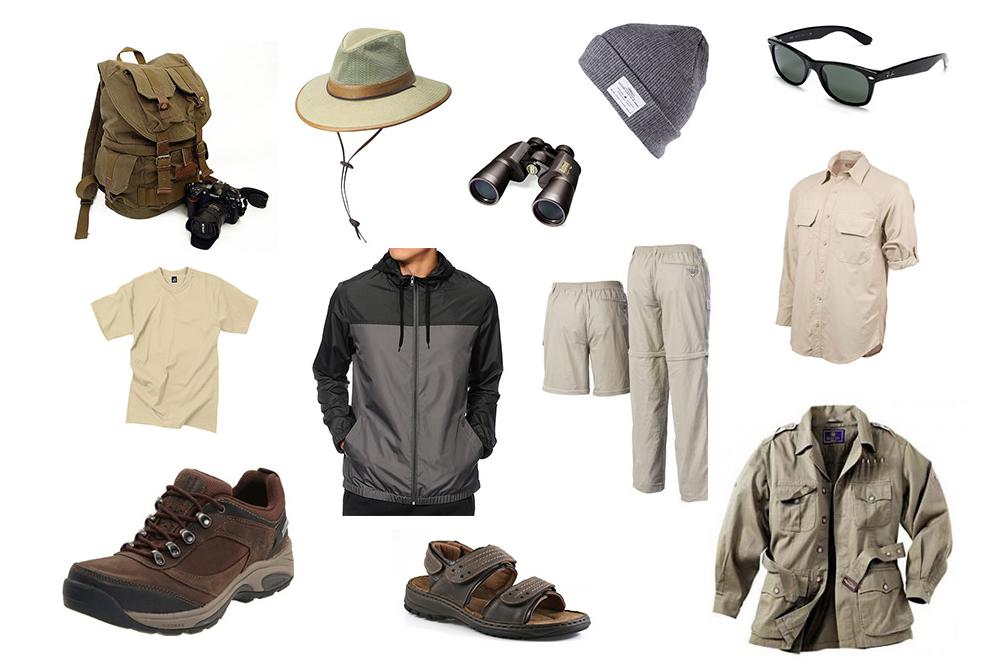
Nairobi sits at roughly 1,800 meters, so daytime highs are pleasant and evenings cool. Pack layers, a light waterproof sun protection, and smart-casual evening wear for Tatu and Cin Cin. For the bush, choose neutral colors and avoid blue, which attracts insects. Soft bags are required on most small safari aircraft.
Health and Vaccination
Kenya does not require vaccinations for most arrivals, but a yellow fever certificate applies if you come from an endemic country. Hepatitis A, typhoid, and tetanus are commonly advised. Malaria risk is low in central Nairobi but present in many safari areas. See a travel clinic six to eight weeks before departure.
Payment, Tipping, and What Is Included
Kenya uses the Kenyan shilling, and the hotel accepts major cards. Tipping norms vary, so ask us for current guidance for guides, drivers, and hotel staff. Breakfast is included on all rates. Our packages include airport transfers, game drives, and park fees. Kenya’s electronic travel authorization applies to most visitors.
Combining Nairobi With Other Parks
Fairmont The Norfolk fits easily into multi-country journeys. Pair it with the Maasai Mara, Amboseli, and Lake Nakuru, then cross into Tanzania for the Serengeti and Ngorongoro. Our combined African safari hub shows more routes, including gorilla trekking in Bwindi or Volcanoes National Park. Add a beach finish on Zanzibar if you like.
Frequently Asked Questions About Fairmont The Norfolk
Is Fairmont The Norfolk worth it?
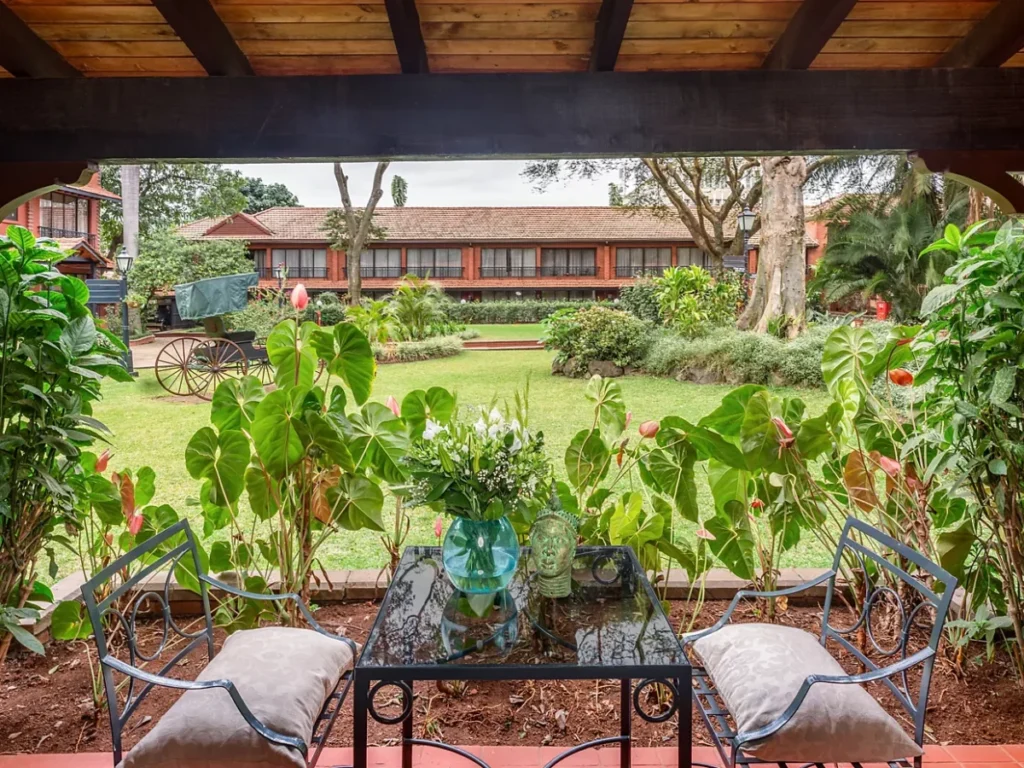
Yes, for most safari travellers. Fairmont The Norfolk gives you five-star comfort, a garden setting, and over a century of Kenyan history in the city center. You pay for location, service, and atmosphere rather than wilderness. We recommend one or two nights before or after your safari, ideally in a Deluxe Verandah or Courtyard room, and dinner at Tatu for the full effect.
How many rooms does Fairmont The Norfolk have?
Fairmont’s official site lists 125 rooms and suites: 108 rooms and 17 suites, including the Fairmont Gold level. Some older third-party sources quote 170 rooms, which reflects an earlier configuration. We use the official figure of 125 in this guide and recommend confirming at booking, because room totals can change after renovations. Family rooms and signature suites sit within that total, and some rooms connect for larger groups.
When was Fairmont The Norfolk built?
The hotel opened on 25 December 1904, making it Nairobi’s first luxury hotel and Kenya’s oldest grand hotel. Additional rooms followed in 1913, and Abraham Block bought it in 1927. After the 2004 centenary, Fairmont took over management, and the property is now more than 120 years old. A 1937 building gives its name to a suite category.
How far is Fairmont The Norfolk from Jomo Kenyatta International Airport?
The hotel describes itself as about ten minutes from the airport, but Nairobi traffic can stretch the journey to 30 to 60 minutes. We schedule a private transfer for every client and meet you in the arrivals hall. For domestic safari flights, Wilson Airport is typically closer to the hotel than JKIA.
Is Fairmont The Norfolk Nairobi safe?
The hotel is a managed, secured property with on-site parking and attentive staff, and our guests stay without issue. Nairobi, like any large city, rewards sensible habits: use pre-arranged transfers, avoid walking at night, keep valuables in the room safe, and check your government’s current travel advice before departure. Your private guide will brief you on arrival.
Does Fairmont The Norfolk have a swimming pool?
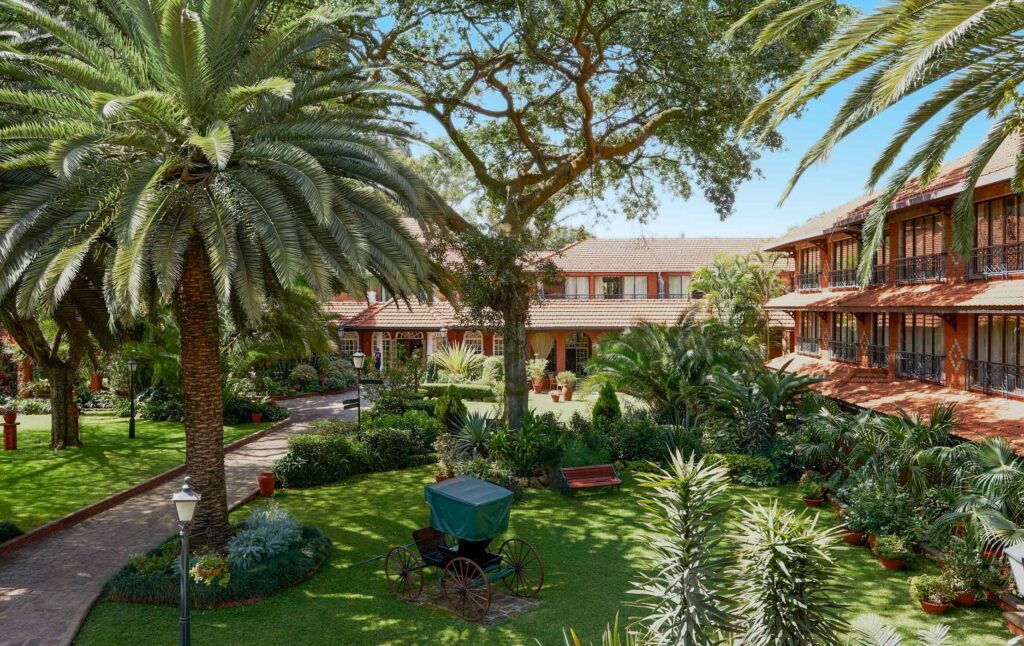
Yes. The hotel has a heated outdoor pool set among gardens, with sun loungers and a swim-up bar. The Pool Restaurant serves light international dishes, cocktails, and smoothies beside the water. The pool is a popular recovery spot after long flights, and the setting stays peaceful because the property is shielded by mature trees.
Does Fairmont The Norfolk have a spa?
Yes. Pambo Spa offers massages, aromatherapy, and facials, and the hotel promotes spa packages through its official offers. A health club with a gym is on site, with a sauna and steam rooms. Book spa treatments in advance, especially for couples’ sessions, and ask about resident rates before you arrive.
What restaurants are at Fairmont The Norfolk?
The hotel has Tatu (steaks, seafood, and vegetarian dishes), Lord Delamere Terrace (all-day Pan-African dining and a breakfast buffet with live stations), Cin Cin Bar (tapas, whiskies, and live jazz), the Pool Restaurant (casual comfort food), and a high tea lounge. Special evenings include Taste of Italy on Tuesdays and the Chef’s Table.
Is Fairmont The Norfolk family-friendly?
Yes. The hotel offers Fairmont Family Rooms and Deluxe Family Rooms with interconnecting spaces, a children’s playground, and babysitting for a fee. Its Family Stay offer gives 50% off the second room on selected dates. Children are welcome in the pool and dining rooms, though we suggest confirming spa age limits before booking.
Can you see wildlife near Fairmont The Norfolk?
Yes. Nairobi National Park, home to lions, black rhinos, buffalo, giraffes, and zebras, is a short drive from the hotel, and a dawn game drive is easy to arrange. You can also visit the Giraffe Centre and the David Sheldrick Wildlife Trust elephant orphanage nearby. You won’t see wildlife inside the hotel grounds, but birdlife is abundant.
What is the best time to visit Nairobi for a safari?
The best time is June to October and January to February, when conditions are dry and roads are reliable. July to October coincides with the Great Migration in the Maasai Mara, so book flights and lodges well ahead. March to May brings long rains and lower prices, and November to December brings short showers and green landscapes.
Does Fairmont The Norfolk offer airport transfers?
With us, a private guide meets you at the airport, handles luggage, and drives you to the hotel, which removes all transfer stress. We can also arrange Wilson Airport connections for your safari flight and return transfers when you finish your stay.
How many nights should I stay at Fairmont The Norfolk before a safari?
One night suffices for most itineraries, but two nights let you recover from jet lag and add a morning in Nairobi National Park or a visit to the elephant orphanage. If you arrive late, schedule an early start the next day. For a post-safari stay, one night is plenty to shower, shop, and relax before your flight home.