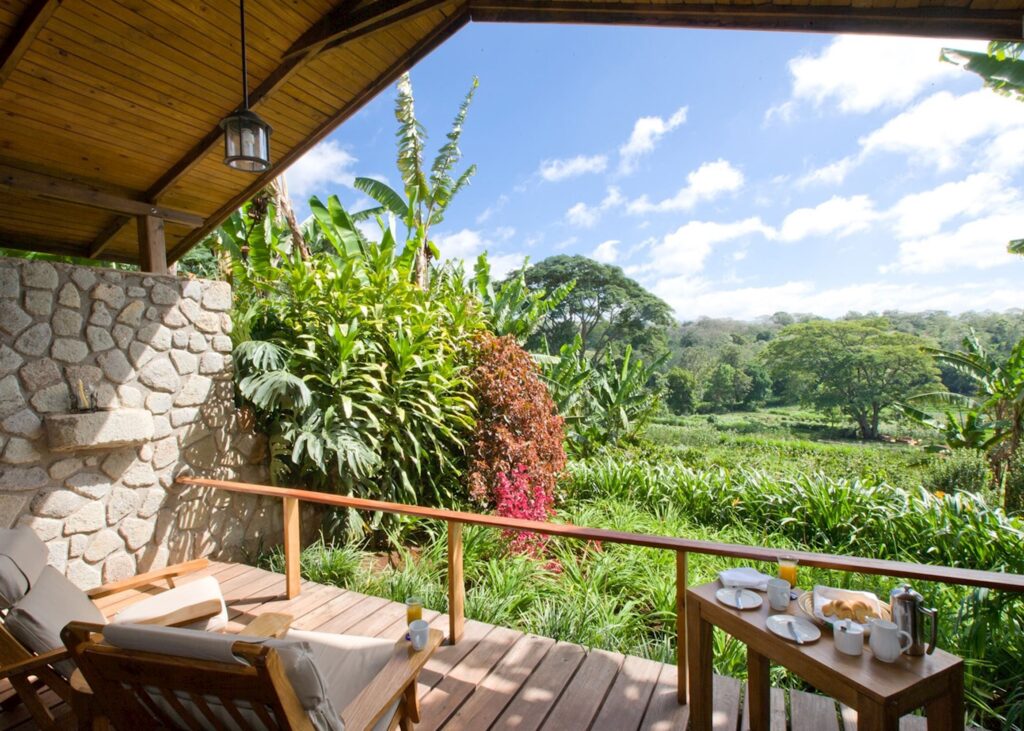
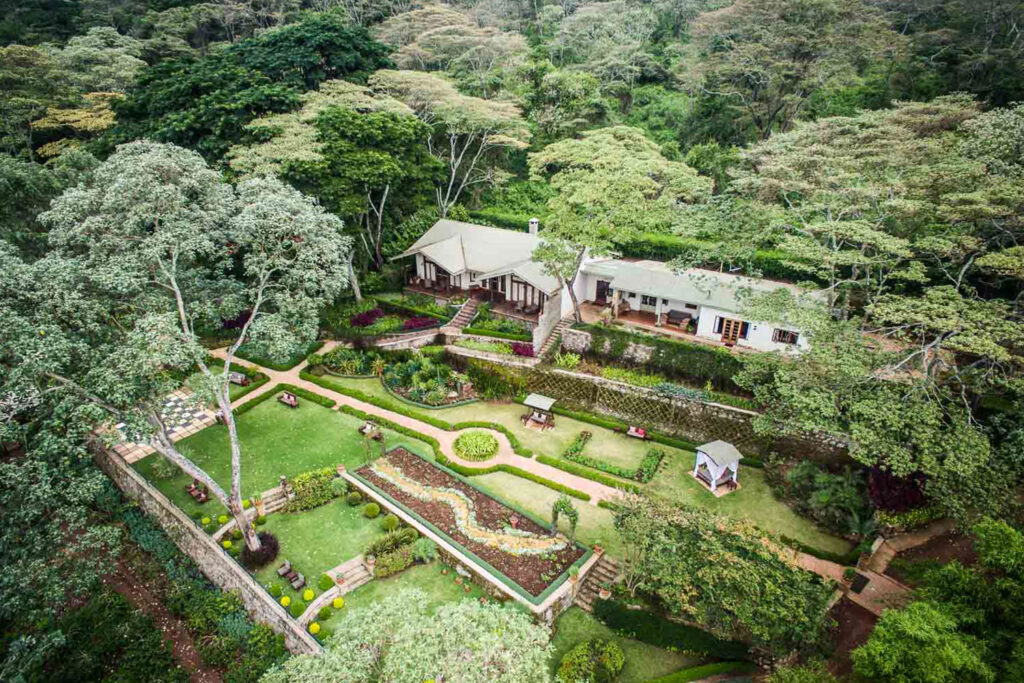
Gibb’s Farm combines hands-on farm activities and forest walks on site with game drives into Ngorongoro Crater and Lake Manyara National Park. Most guests split their stay between the crater or Manyara in the early mornings and the farm and wellness in the afternoons. Here is what to expect.
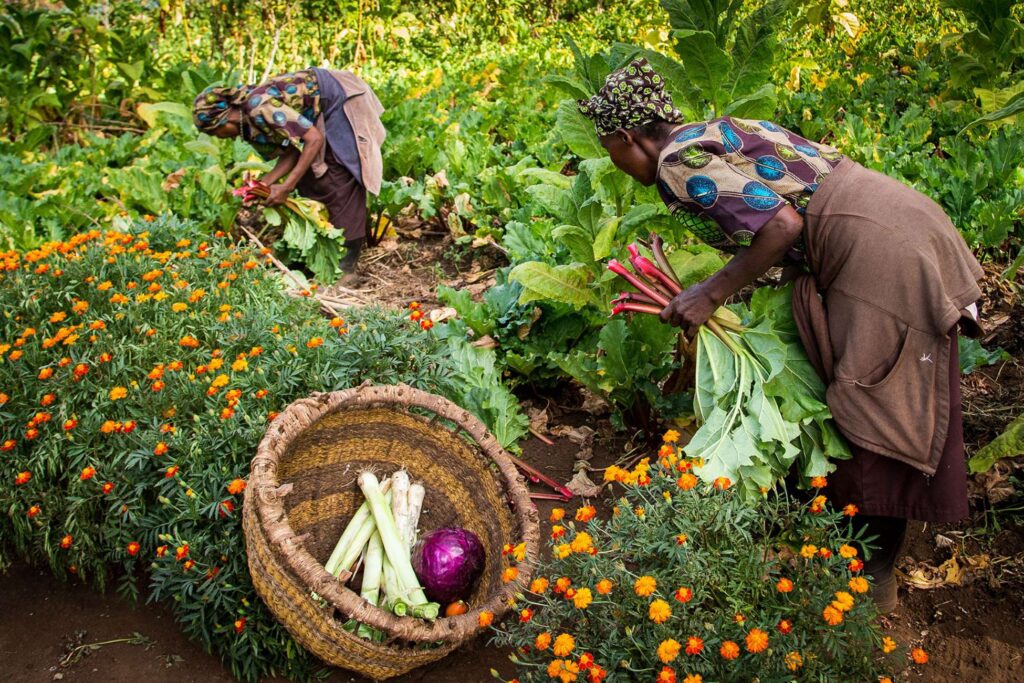
- Private farm tour. A guide walks you through the 10-acre vegetable garden and the coffee fields, and you learn how organic methods work at this altitude. The tour is included in your rate.
- Coffee roasting. You watch the beans move from plantation to pan to cup. From the boutique, many guests take home a bag of Gibb’s Farm Arabica.
- Bread making and kitchen garden harvest. Join the bakers, pick vegetables with the gardeners, and eat your work at lunch. Children love it.
- Milking, feeding, and egg collection. Meet the dairy cows, pigs, and chickens. It is the easiest way to keep younger guests entertained between drives.
- Ngorongoro forest walk and elephant caves. A farm naturalist leads a roughly two-hour walk through the forest edge to caves where elephants have dug for salt. Walks stay on foot, so expect birds, plants, and tracks, not close encounters.
- Waterfall walk. A gentle trail drops through the coffee plantation to a waterfall. It makes a lovely late-afternoon stroll.
- Village and school visits. A walk to nearby Tloma village, a Karatu town tour, and a school visit show daily rural life. Your guide arranges them with the community.
- Cycling and mountain biking. Ride the back roads of Karatu, or take a longer bike trip to Rhotia for something more adventurous.
- The farm records more than 200 bird species, so early walks with a naturalist pay off.
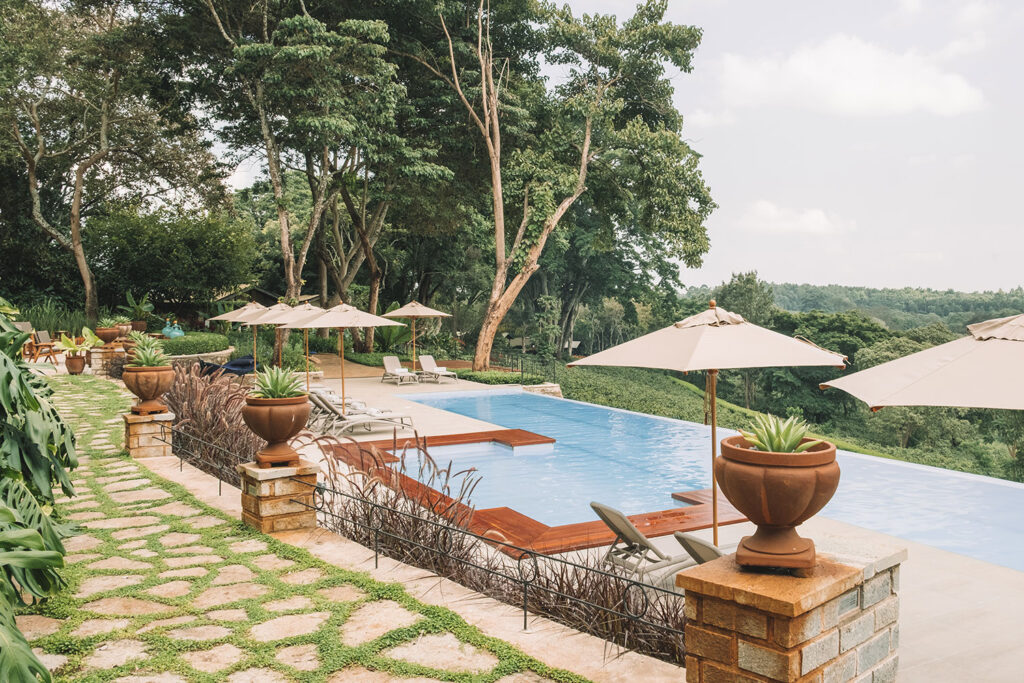
- Wellness and spa. The African Living Spa offers treatments based on traditional Maasai healing techniques, and you can have them in your cottage. A garden pool completes the picture.
- Ngorongoro Crater game drive. A full day on the crater floor, about 260 km² and roughly 600 m deep, delivers lions, elephants, and buffalo and is one of the best chances in Tanzania to see a black rhino.
- Lake Manyara game drive. A shorter excursion to the groundwater forest and soda lake, famous for tree-climbing lions, elephants, and flamingos.
- Lake Eyasi and cultural visits. The Hadzabe and Datoga communities lie within reach, and our 8-day Tanzania cultural tour builds them into a longer journey.
- Tarangire and Serengeti extensions. Lodge guests often continue to Tarangire National Park for elephant herds and baobabs or on to the Serengeti.
Wildlife You Can Expect
On the farm itself, expect colorful birdlife and the sound of elephants in the forest above. Leopards live on the forested slopes but rarely show. In Ngorongoro Crater, part of a conservation area that UNESCO credits with some 25,000 large animals, look for lions, spotted hyenas, elephants, buffalo, hippos, zebras, wildebeests, flamingos on Lake Magadi, and endangered black rhinos. At Lake Manyara, tree-climbing lions, baboons, and hundreds of bird species take the stage. Together, the crater and Manyara give you a strong shot at the Big Five.
Guides and Qualifications
Farm naturalists lead the walks, and your game drives run with one of our certified, English-speaking driver-guides in a private 4WD. Our expert-led team has worked this circuit for more than 12 years, and we match each guide to your interests, whether that is birds, photography, or family-friendly storytelling.
Who Should Stay at Gibb’s Farm
Gibb’s Farm suits honeymooners, families, photographers, repeat Africa visitors, and anyone who wants culture and food alongside wildlife. It suits less well those who want to sleep inside a park or on the crater rim. Here is how it works for each type of guest.
Honeymoon and Romantic Couples
Couples get fireside evenings, outdoor showers under the stars, spa treatments, and a quiet, private veranda. It makes a warm, intimate pause between a Serengeti leg and the beach. For a romantic itinerary, read about our Serengeti honeymoon safari and then ask us to add Karatu as the soft landing, or pair the farm with our 11-day Tanzania safari and Zanzibar beach holiday.
Families with Children
Children of all ages are welcome, and the farm activities suit them perfectly. While the farm has limited facilities for kids, the animals and gardens provide plenty of entertainment. The 12-day luxury family safari and Zanzibar beach holiday demonstrate how we structure a family journey, despite our farm having limited facilities for kids.
Solo Travellers
The single supplement is 50% of the per-person rate based on the 2026 rack rates. Solo guests enjoy the communal farmhouse, where the library, bar, and dining rooms make it easy to meet other travelers, and they appreciate the farm’s unhurried rhythm.
Wildlife Photographers
Early mornings on the crater floor give you soft light and big predators, while the farm offers birds, landscapes, and portraits. For a dedicated lens, see our luxury safari with a personal photographer. Gibb’s Farm gives you a calm base to charge batteries and back up files.
First-Time Safari Travellers vs. Repeat Africa Visitors
First-timers love it as the perfect gentle start, with the Crater as the headline. Repeat visitors value the depth: culture, cooking, walks, and spa instead of another list of animals.
Is Gibb’s Farm Worth the Price?
Gibb’s Farm is worth it if you value atmosphere, food, and recovery as much as game viewing. A cottage costs US$518 to US$683 per person per night at 2027 rack rates and includes all meals, Wi-Fi, a farm tour, and cultural activities. Game drives, drinks, and transfers cost extra. That is a different value proposition from an ultra-luxury rim lodge, which sits in a higher price tier and sells views and butler service. If you want that, see the alternatives at the end of this guide. If you want a memorable, human, well-fed stop that costs less, Gibb’s Farm delivers. drinks,
Add Gibb’s Farm to Your Tanzania Safari
Tell us your dates, your group and the pace you like. We will build a private, tailor-made journey with expert guides, the right nights at Gibb’s Farm and every transfer arranged.
Speak to a safari expert →
Best Time to Visit Gibb’s Farm
The best time to visit Gibb’s Farm is June to October, when the dry season brings clear skies, firm roads, and straightforward game viewing in the crater and at Lake Manyara. The lodge stays open all year, though, and each season has its own character.

Month-by-Month at Gibb’s Farm
| Month |
Conditions |
2026 rate season |
Highlights |
| January |
Warm, green, and mostly dry |
Shoulder (peak 1 to 5 Jan) |
Crater is lush; Serengeti calving season starts at Ndutu. |
| February |
Warm, short dry spell |
Shoulder |
Calving season continues; quiet roads |
| March |
Rains build |
Shoulder |
Green landscapes, few visitors |
| April |
Long rains at their heaviest |
Green |
Lowest prices; some muddy tracks |
| May |
Rains ease; lush |
Green |
Great value, fresh scenery |
| June |
Dry, cool, and clear |
Peak |
Start of prime game viewing |
| July |
Dry and cool |
Peak |
Busy crater; Serengeti crossings begin |
| August |
Dry and cool |
Peak |
Prime season; book early. |
| September |
Dry and warming |
Shoulder |
Excellent game viewing, fewer vehicles |
| October |
Dry; short rains may start late in the month. |
Shoulder |
Good light, calmer crowds |
| November |
Short rains (vuli) |
Green |
Green season value, dramatic skies |
| December |
Warm; rains fade. |
Green to 18 Dec, then peak |
Festive crowds from 19 Dec |
Wildlife Highlights by Season
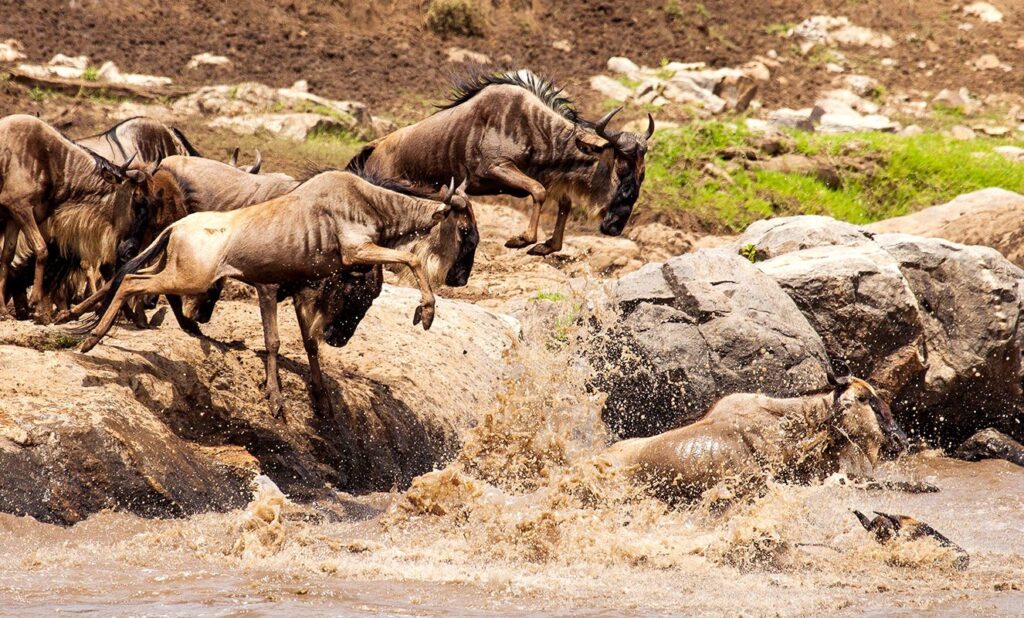
Ngorongoro Crater’s resident wildlife shows up in every month, so a crater day works year-round. Lake Manyara’s flamingo numbers vary and are difficult to predict. The Great Wildebeest Migration dictates the Serengeti calendar: calving around Ndutu in January and February and river crossings in the north from roughly July to October. Gibb’s Farm sits on the way to both.
Crowds and Pricing
Peak season (June to August and 19 December to 5 January) brings the highest rates and the busiest crater. Green season (April, May, November, and early December) offers the lowest prices, and the farm is at its most vivid. Shoulder months (January to March and September and October) strike the best balance for many guests, with good weather and lower rates.
Conservation & Community at Gibb’s Farm
Gibb’s Farm runs on sustainable, organic farming and invests in the Karatu community through education, water, and environmental projects. That makes it an ethical choice for guests who want their money to stay local.
Conservation Practices
The farm protects its land through organic cultivation, solar water heating, and grey-water recycling. It has also supported Mazingira Bora Karatu, an initiative that plants native trees and restores degraded land around the town. Anti-poaching does not apply here, because Gibb’s Farm is a private farm outside the park. Your crater fees, however, go to the Ngorongoro Conservation Area Authority, which manages the park.
Community Employment and Programs
Local families have helped shape the farm for generations, and the lodge employs people from the surrounding villages. Guests visit schools and village projects, meet the artist-in-residence, and learn from a Maasai healer about forest medicine. In the past, the farm has received recognition as a finalist in the 2012 Condé Nast Traveler World Savers Award for its work in education, ecology, and health. The conservation area is also home to Maasai communities, and land-use questions there are ongoing. We choose community visits that the people involved have agreed to.
Why Staying Here Is an Ethical Choice
Your stay supports organic farming, local jobs, and community projects, and you spend your days learning rather than consuming. To see how we plan a personal journey around your priorities.
Planning Your Stay: Practical Travel Tips
Pack layers, book two nights, and combine Gibb’s Farm with a crater day and one other park. The details below keep your trip smooth.
What to Pack for a Highland Farm
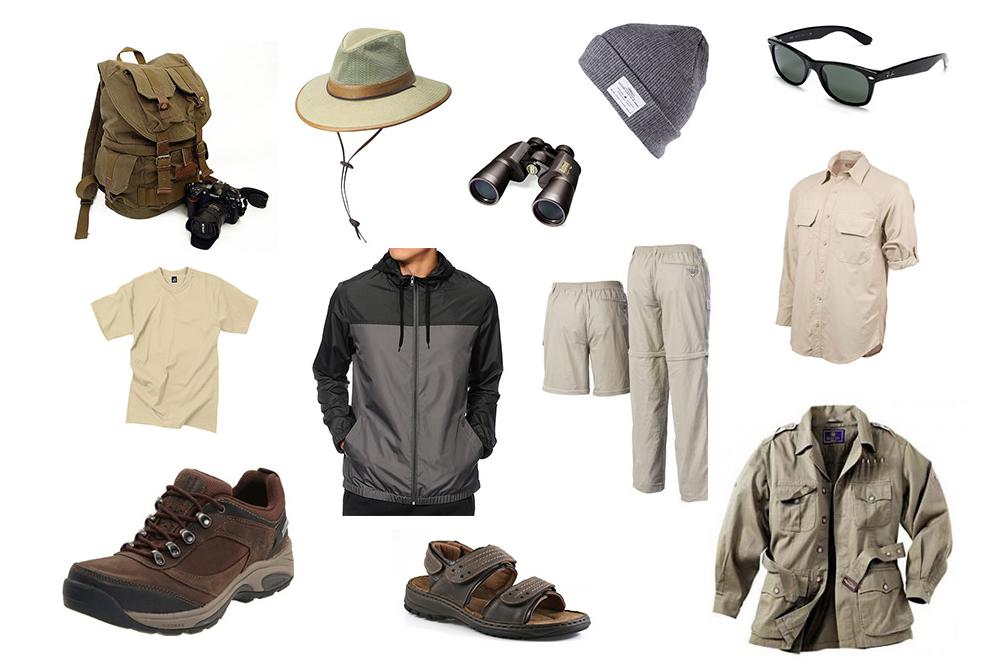
Karatu sits at highland altitude, so evenings turn cool and the lodge lights fire in the cottages. Bring a fleece and a light jacket, a rain layer from November to May, sturdy closed shoes for farm and forest walks, a sun hat, sunscreen, insect repellent, binoculars, and a camera. Pick neutral colors for game drives and avoid blue and black, which attract tsetse flies. Cover shoulders and knees on village visits. Use soft-sided bags on bush flights.
Health and Vaccinations
Tanzania requires no vaccinations by law for most travelers, but you need a yellow fever certificate if you arrive from an endemic country. We recommend malaria prophylaxis and routine vaccines, and we suggest seeing your doctor or a travel clinic at least six weeks before departure. Our safari FAQs cover visas and health in more detail.
Payment, Tipping, and What Is Included
- Included: accommodation, all meals on full board, afternoon tea, sundowner drinks, Wi-Fi, a private farm tour, and local cultural activities.
- Not included: drinks beyond the supplement, laundry, transfers, game drives, park and conservation fees, items of a personal nature, and the 1% tourism levy.
- Currency: Rates are in US dollars and include 18% VAT and 5% service charge.
- Tipping: We suggest about US$15 to US$25 per day for your driver-guide, plus a shared staff box at the lodge.
How to Combine Gibb’s Farm with Other Parks
Gibb’s Farm slots into almost any northern circuit route. A classic pattern is Tarangire, then Gibb’s Farm, then the Serengeti: see our Tarangire National Park and Serengeti National Park guides. Our 4-day Tarangire and Ngorongoro Crater safari shows the shape of a short loop, and our 10-day northern Tanzania safari stretches it across the circuit. Finish on the coast with a Zanzibar beach holiday, or add a climb through our Kilimanjaro trekking routes for a bigger adventure.
Get a Tailor-Made Quote for Karatu and Beyond
We have more than 15 years of experience designing private northern circuit safaris. Send us your dates and wish list and we will shape the route, lodges and pace around you.
Request a tailor-made itinerary →
Frequently Asked Questions About Gibb’s Farm
Where is Gibb’s Farm located?
Gibb’s Farm is in Karatu, northern Tanzania, on the outer slopes of the Ngorongoro highlands. It sits a few kilometres from Karatu town, midway between Lake Manyara National Park and Ngorongoro Crater, and borders the Ngorongoro Conservation Area. Arusha lies about 140 km away, roughly a three-hour drive on a paved road. The nearest airstrip is Lake Manyara Airstrip.
How much does Gibb’s Farm cost per night?
On 2027 rack rates, a farm cottage costs US$518 per person per night in green season, US$624 in shoulder season, and US$683 in peak season, full board and sharing. Bustani House runs from US$2,448 to US$3,060 per night, and Deutsches House from US$2,213 to US$2,825. Rates include VAT, service charge, Wi-Fi, a farm tour, and cultural activities. Drinks, transfers, and game drives cost extra.
Is Gibb’s Farm worth it?
Yes, if you want atmosphere, organic food, and a recovery stop between game drives. The farm activities, cultural visits, spa, and fireside evenings give you a rich experience beyond wildlife, and the rate includes all meals. It works less well if you want a rim-edge crater view or a tented bush camp. Most guests stay two nights and use the farm as a base for the crater and Lake Manyara.
How far is Gibb’s Farm from Ngorongoro Crater?
Ngorongoro Crater lies about 40 km from Gibb’s Farm, so most guests set off at dawn for a full crater day and return in the afternoon. Lake Manyara National Park is closer, at about 25 km. The farm borders the forested edge of the Ngorongoro Conservation Area, but the crater floor itself requires a game drive with a driver-guide.
How do you get to Gibb’s Farm from Arusha or Kilimanjaro Airport?
From Arusha, drive about 140 km on a paved road, which takes two and a half to three hours. From Kilimanjaro International Airport, the drive takes roughly three to four hours. Many guests prefer to fly from Arusha to Lake Manyara Airstrip, a 30 to 45-minute flight, followed by a drive of up to an hour. We arrange private road and air transfers.
What is the nearest airport to Gibb’s Farm?
The nearest airstrip is Lake Manyara Airstrip, about 30 to 60 minutes by road from Gibb’s Farm. It handles daytime flights only. The nearest international gateway is Kilimanjaro International Airport, and Arusha Airport handles many domestic and charter flights. Flying in saves several hours on the road and works well with our fly-in itineraries.
How many rooms does Gibb’s Farm have?
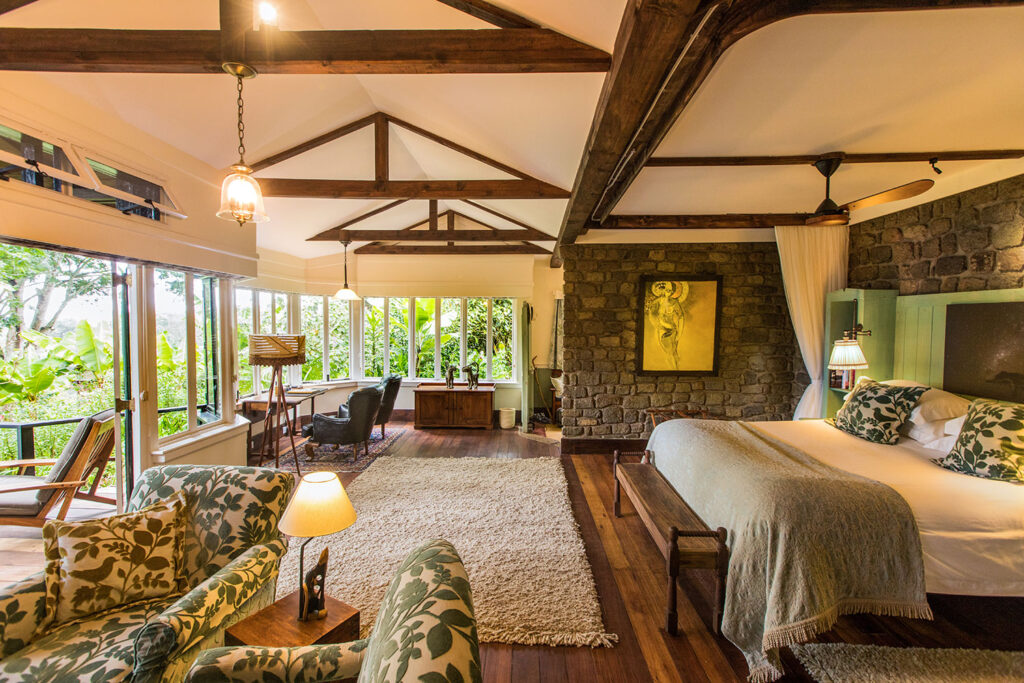
Gibb’s Farm has 19 private units: 17 one-bedroom farm cottages and two 2-bedroom farm houses, Bustani and Deutsches. Some third-party sites list 20 or 21 rooms because they count bedrooms or use older figures. Each cottage has a veranda, a fireplace, and an outdoor shower, and the small scale keeps service personal. Confirm the latest count with us at booking.
Is Gibb’s Farm good for families with children?
Yes. The lodge welcomes children of all ages, and the working farm entertains them with cow milking, pig feeding, and egg collecting. Cots and high chairs are available. Children aged 0 to 5 stay free when sharing, while those aged 6 to 15 pay US$94 a night at 2027 rack rates. Bustani and Deutsches Houses give families two bedrooms and a lounge.
Is Gibb’s Farm good for a honeymoon?
Yes. The cottages offer private verandas, fireplaces, big baths, and outdoor showers, and the lodge arranges spa treatments in your room. Evenings are quiet and intimate. Many couples stay two nights between a Serengeti stay and a Zanzibar beach finale. Tell us about your occasion, and we will request a special touch or a celebration dinner.
Does Gibb’s Farm have Wi-Fi, a spa, and a pool?
Yes to all three. Wi-Fi is included in the room rate, the African Living Spa offers treatments inspired by Maasai healing traditions, and a garden pool adds a place to unwind. You can take spa treatments in your cottage. We recommend confirming current spa and pool details at booking, so your plans match what the lodge offers on your dates.
What is included in the Gibb’s Farm rate?
Rack rates include accommodation, all meals on full board, afternoon tea, sundowner drinks, Wi-Fi, a private farm tour, and local cultural activities. They exclude the 1% tourism levy, drinks beyond the supplement, laundry, transfers, game drives, and park fees. We add game drives and transfers to your private itinerary so you see one clear price.
How many nights should I stay at Gibb’s Farm?
Two nights is the sweet spot. That gives you one full crater day and one relaxed farm day, or a Lake Manyara morning and a spa afternoon. A third night suits families, honeymooners, and anyone who wants a slower pace. Because Karatu sits on the road to the Serengeti, the stop fits any northern circuit.