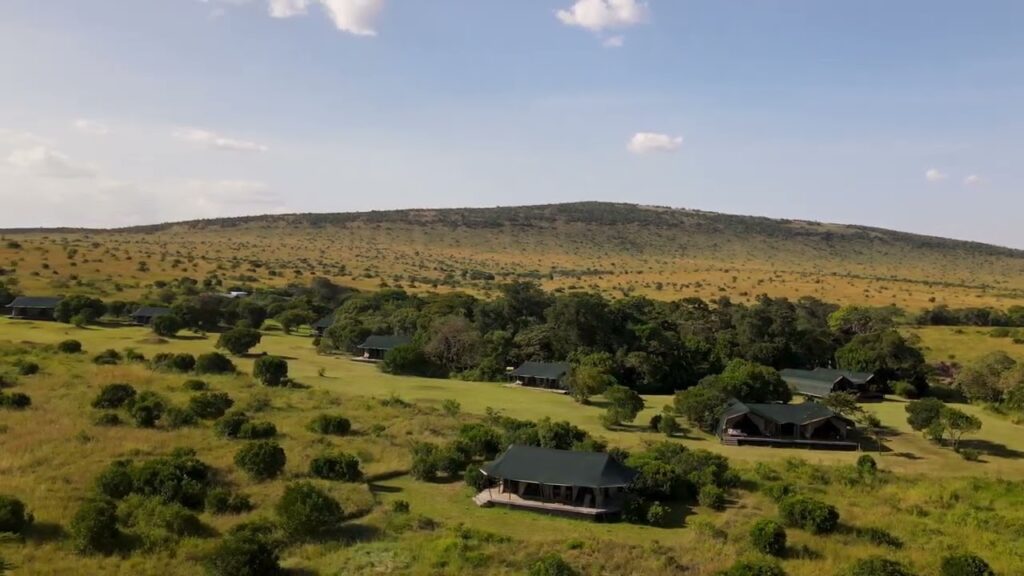
Enkewa Camp’s activity list benefits directly from its position inside a community conservancy rather than the strict national reserve boundary, which allows for night drives and walking safaris that the core Maasai Mara National Reserve itself does not permit.
- Day and night game drives: conducted in 4×4 vehicles with both a driver and a Maasai spotter, covering both the camp’s private concession and, with the right permits, the wider reserve. Day drives track the Big Four reliably, while night drives reveal a different, more nocturnal side of the ecosystem.
- Guided walking safaris: led by Maasai guides deeply versed in local plant life and tracking, walking safaris here move at a slower, more observational pace than a vehicle-based drive.
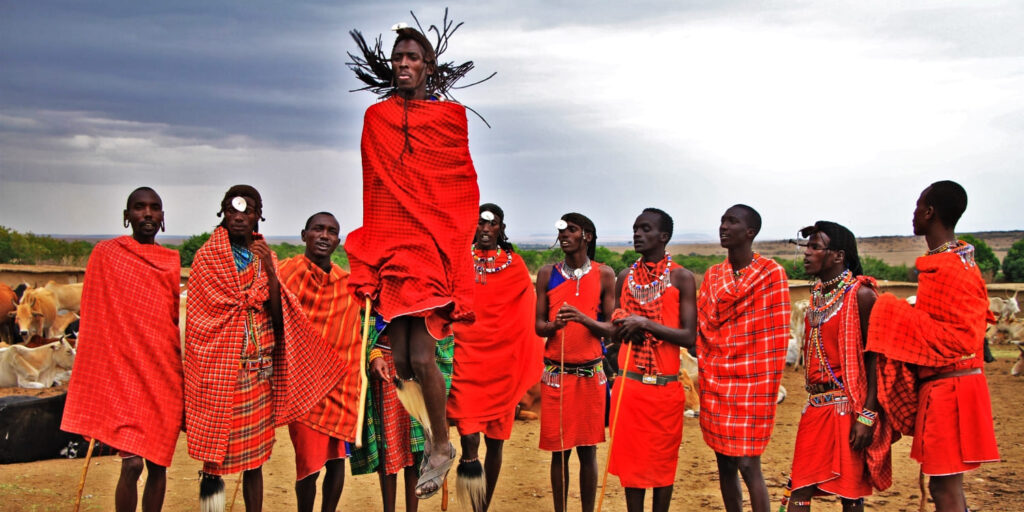
- Maasai village and market visits: guided cultural visits to a nearby Maasai village and local market, hosted by Enkewa’s own Maasai staff, offer genuine insight into community life rather than a staged performance.
- Community project visits: guests can visit the local community projects the camp supports, tying tourism revenue directly back to the surrounding Olderkesi community.
- Sand River waterfalls excursion: a scenic outing to the Sand River’s waterfalls, a feature unique to Enkewa’s corner of the ecosystem and rarely visited by camps based further north or west in the reserve.
- Hot air balloon safaris: an optional add-on that can be arranged for guests who want an aerial view of the Mara-Serengeti plains at sunrise.
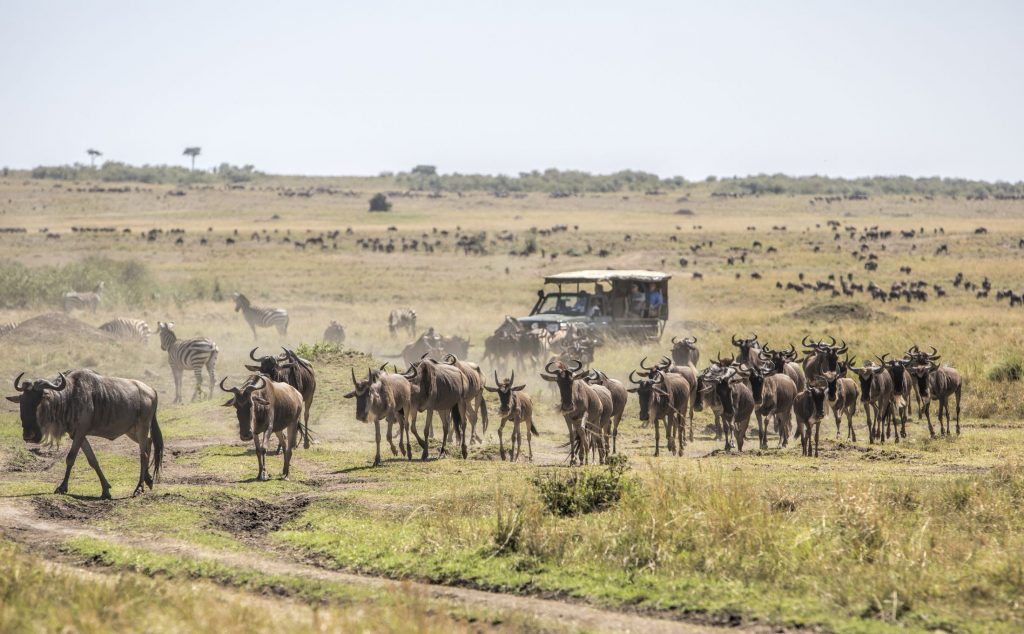
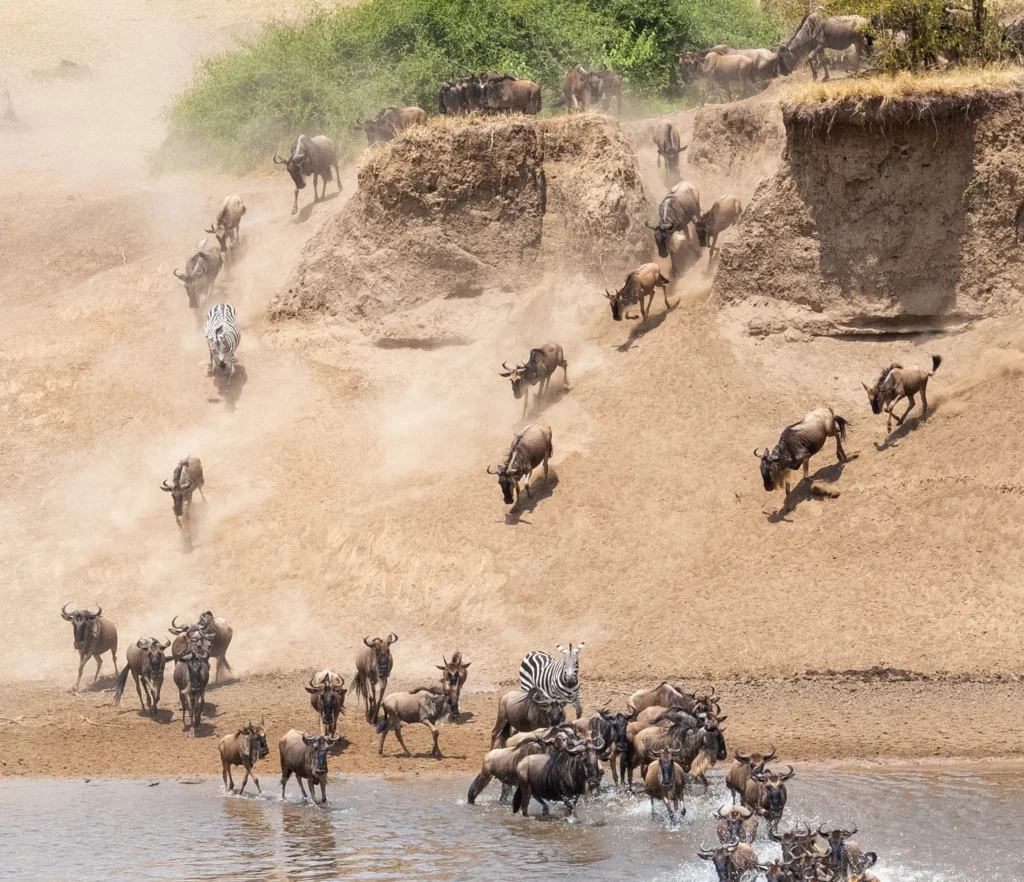
Wildlife around Enkewa Camp centers on strong, reliable sightings of elephant, buffalo, lion, and leopard, with cheetah also present on the more open plains nearby. Black rhino, while technically part of the wider Maasai Mara National Reserve’s Big Five population, are concentrated mainly in the reserve’s western and central sections rather than the Olderkesi corner, so travelers whose primary goal is a rhino sighting should set expectations accordingly. What this part of the ecosystem does offer reliably is a front-row seat to the Great Wildebeest Migration’s arrival from the Serengeti each year, alongside healthy populations of zebra, topi, and Thomson’s gazelle, and birdlife drawn from the reserve’s recorded checklist of more than 470 species, including vultures, marabou storks, secretary birds, and the lilac-breasted roller. Guides are experienced Maasai trackers and spotters, some of whom are also well versed in photography guiding and tailoring vehicle positioning specifically for guests working with cameras.
Who Should Stay at Enkewa Camp
Honeymoon & Romantic Couples
The camp’s small scale, genuine privacy, and quiet riverine setting make Enkewa Camp a strong choice for couples who want intimacy over spectacle, and it fits naturally into a wider honeymoon safari itinerary that continues on into the Serengeti or finishes with a Zanzibar beach extension.
Families with Children
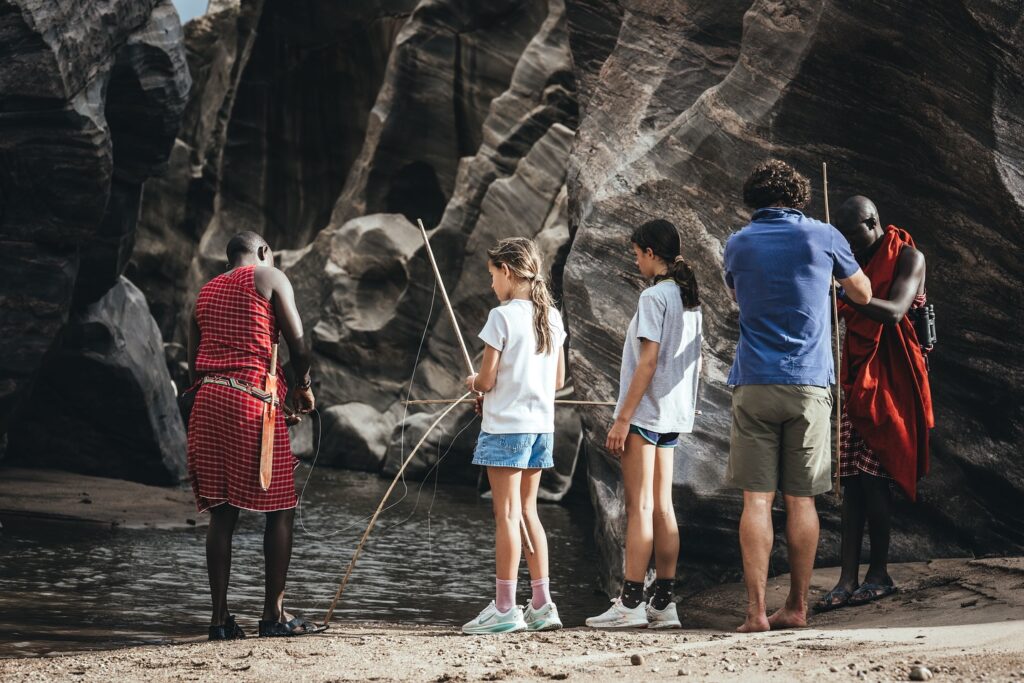
A visit to the Sand River waterfalls
Enkewa Camp is explicitly positioned as family-friendly, with a dedicated family tent and different activity programs available for children on request, making it a genuinely welcoming option for a family luxury safari without the strict minimum-age policies common at some smaller Mara camps. Families should still confirm current age policies and program details directly with their safari consultant before booking.
Solo Travelers
Solo travelers benefit from the camp’s intimate, family-run atmosphere, where shared meals and game drives make it easy to connect with other guests, and the option to book individual tents keeps the experience affordable relative to booking an entire small camp.
Wildlife Photographers
For a dedicated photography safari, Enkewa’s remote position and low vehicle density mean far fewer other safari trucks crowding a sighting, while guides experienced in photography guiding can position vehicles specifically for light and angle rather than simply for a clear view.
First-Time Safari Travelers vs. Repeat Africa Visitors
First-time visitors get a genuinely authentic, unpolished introduction to the Maasai Mara, closer to how the reserve felt before its central plains became heavily trafficked. Repeat Africa travelers, who have often already done the Mara’s more famous central conservancies, tend to choose Enkewa Camp specifically for its seclusion and for access to a genuinely different, less-visited corner of the ecosystem.
Is it Worth the Price?
With rates starting at around US $490 per person per night, Enkewa Camp is notably more accessible than the Mara’s flagship design-led lodges, some of which charge several times that rate. Enkewa offers strong value within the Maasai Mara ecosystem for travelers who prioritize seclusion and an owner-run, community-rooted experience over high design and extensive facilities.
Best Time to Visit Enkewa Camp
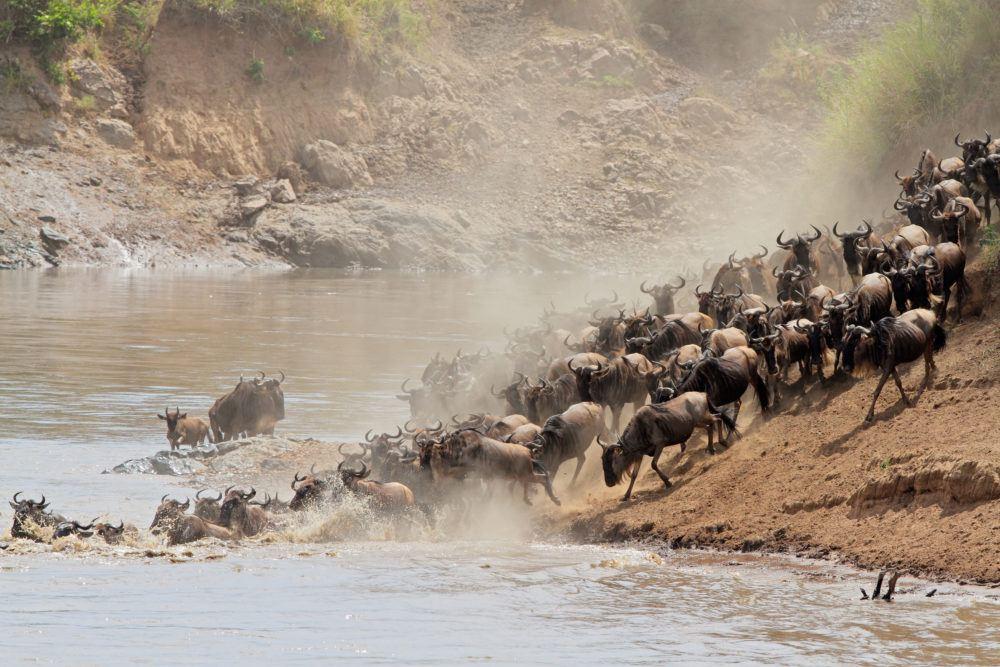
The single best window to visit Enkewa Camp is July through October, when the Great Wildebeest Migration pushes north out of the Serengeti and across the Sand River into the Maasai Mara ecosystem, bringing some of the densest wildlife concentrations of the year to the reserve’s southeastern reaches.

- July–October (Dry / Peak Migration Season): the wildebeest migration’s arrival, strong predator activity following the herds, and the driest, most reliable game-viewing conditions of the year. This is also the busiest and most expensive period on the reserve as a whole, though Enkewa’s remote location keeps crowds noticeably lower even now.
- November–December (Short Rains): greener landscapes, thinner crowds, and strong birdlife, as resident wildlife disperses more widely across the conservancy.
- January–March (Green Season): newborn wildlife, dramatic skies, and some of the most affordable rates of the year, offset by more dispersed game.
- April–June (Long Rains): the quietest and least expensive months, with resident wildlife still present around the Olepolos stream and camp waterhole area even as the wider plains empty out.
Conservation & Community at Enkewa Camp
Enkewa Camp operates within the Olderkesi Community Conservancy, part of Kenya’s broader conservancy model, in which local Maasai landowners lease grazing and wildlife rights directly to tourism operators. This structure gives the surrounding community a direct financial incentive to keep the land open for wildlife rather than converting it entirely to livestock grazing or agriculture, reinforcing the role of the Sand River corridor as a migration route between the Serengeti and the Mara.
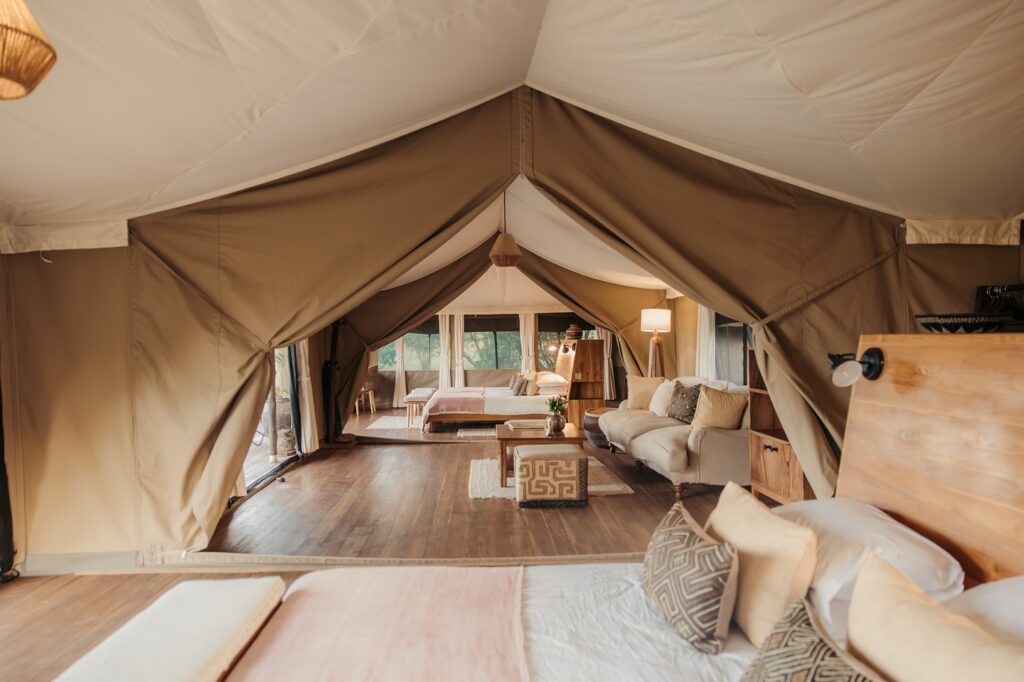
The camp’s entirely solar-powered operation, with no generators or water pumps, reflects a broader low-impact ethos built into its original design rather than retrofitted as a marketing point. Staffing drawn mainly from the local Maasai community, guided cultural visits, and direct visits to community-supported projects all tie tourism revenue back to the people who share this landscape with its wildlife, making a stay at Enkewa Camp a genuinely community-anchored choice within the wider Maasai Mara ecosystem.
Planning Your Stay: Practical Travel Tips
What to Pack
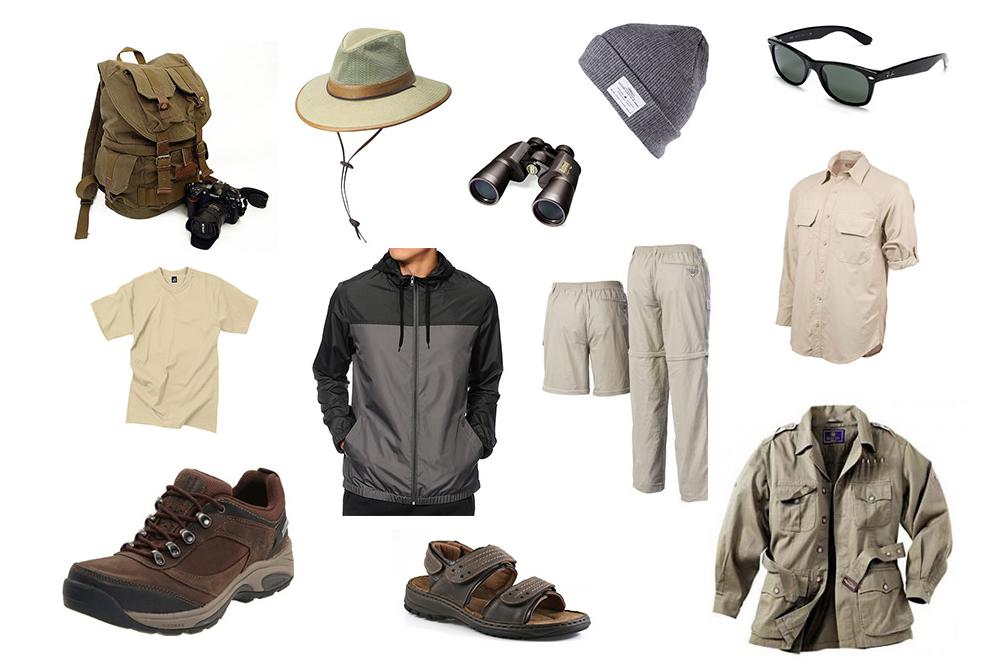
The Mara’s climate is warm and temperate for most of the year, with daytime temperatures typically in the mid-20s to high-20s Celsius and noticeably cooler mornings and evenings, especially on early game drives. Pack lightweight, neutral-colored layers, a warm fleece or jacket for dawn drives, sturdy closed shoes for walking safaris, a wide-brimmed hat, sunscreen, and insect repellent. Guests connecting via light aircraft should pack in a soft-sided bag, as most charter operators enforce a 15-kilogram luggage limit per person.
Health & Vaccination Notes
Vaccination is not a strict legal requirement to enter Kenya from most countries, but yellow fever and malaria prophylaxis are commonly recommended for travelers heading into the safari circuit, and a pre-trip consultation with a physician or travel clinic is the safest way to confirm what is appropriate for a given itinerary and travel history.
Payment, Tipping & What’s Included
US dollars are widely accepted alongside the Kenyan Shilling, and major credit cards are generally accepted for incidentals, though a small owner-run camp like Enkewa may have more limited card facilities than a larger lodge, so carrying some cash is worthwhile. Tipping guides and camp staff is a customary practice across Kenya’s safari industry, with many travelers budgeting in the region of US $15–20 per guest per day for guides as a general guideline. Enkewa Camp’s rate is typically full board and includes soft drinks, beer, and house wine alongside meals and scheduled game drives; premium drinks, gratuities, and scheduled charter flights are usually charged separately.
Combining With Other Parks
Given its position at the southeastern gateway of the greater Mara-Serengeti ecosystem, Enkewa Camp combines naturally with a stay across the border in Serengeti National Park and, further afield, the Ngorongoro Conservation Area. On the Kenyan side, many travelers pair a Mara stay with Amboseli National Park for its elephant herds and Kilimanjaro views, or Lake Nakuru National Park for its Rift Valley scenery, often starting or ending the trip with a night near Nairobi National Park. For travelers building a longer multi-country trip, the site’s combined African safaris guide outlines how Kenya and Tanzania itineraries can be woven together, and a dedicated fly-in safari approach is worth considering given how efficiently Keekorok Airstrip connects onward to other parks.
Frequently Asked Questions About Enkewa Camp
How many tents does Enkewa Camp have?
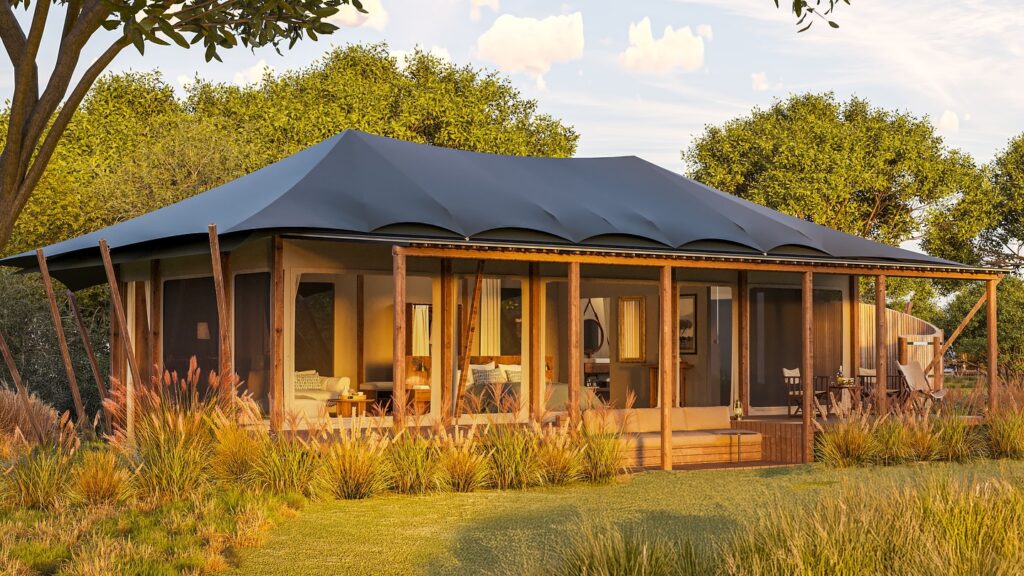
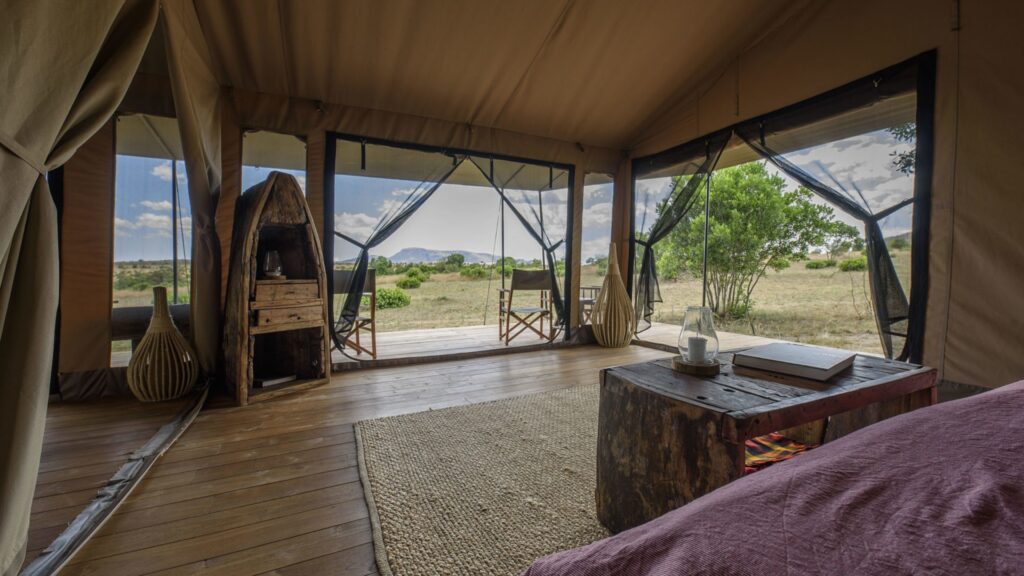
Enkewa Camp has nine tents in total: eight double tents and one dedicated family tent, all fully insect-proof with en-suite bathrooms. Some older listings describe a smaller five-tent configuration, so it is worth confirming the current tent count directly with the operator at the time of booking.
Where is Enkewa Camp located in the Maasai Mara?
Enkewa Camp sits on the southeastern boundary of the Maasai Mara National Reserve, inside the Olderkesi Community Conservancy and close to the Siana Springs Conservancy, near the Sand River and the Tanzania border. This is a notably quieter, less-visited corner of the reserve compared to the central and western sections most tourists reach first.
Is Enkewa Camp inside the Maasai Mara National Reserve or in a conservancy?
Enkewa Camp is based within the Olderkesi Community Conservancy, on the reserve’s southeastern boundary, rather than inside the core national reserve itself. That conservancy location is what allows the camp to offer night game drives and walking safaris, both of which are restricted within the Maasai Mara National Reserve’s own boundary.
What is the nearest airstrip to Enkewa Camp?
The nearest airstrip is Keekorok Airstrip, roughly 20 minutes’ drive from the camp. Scheduled flights connect Keekorok to Nairobi’s Wilson Airport in around an hour, and a direct road transfer from Nairobi is also possible, though it takes considerably longer.
How much does Enkewa Camp cost per night?
Rates at Enkewa Camp start from approximately US $490 per person per night on a full-board basis, though pricing varies by season and current promotions. Contact Luxury Safaris Tanzania for a current quote tailored to specific travel dates and group size.
Can you see the wildebeest migration from Enkewa Camp?
Yes. Enkewa Camp sits close to the Sand River, one of the access points where wildebeest herds first cross from Tanzania’s Serengeti National Park into Kenya’s Maasai Mara, typically from July onward. This makes it a strong base for witnessing the migration’s arrival into the ecosystem, distinct from the more famous Mara River crossings further north and west.
Is Enkewa Camp good for families with children?
Yes. Enkewa Camp is explicitly positioned as child-friendly, with a dedicated family tent and different activity programs available for children on request. This is a genuine point of difference from many smaller Mara camps that impose strict minimum-age policies.
Is Enkewa Camp good for a honeymoon?
Yes. The camp’s small scale, genuine seclusion, and quiet riverine setting on the Olepolos stream make it a strong choice for couples seeking privacy over spectacle, and it pairs naturally with a Serengeti or Zanzibar extension for a longer honeymoon itinerary.
What wildlife can you see at Enkewa Camp?
Expect reliable sightings of elephant, buffalo, lion, and leopard, with cheetah also present on nearby open plains. Black rhino are part of the wider reserve’s Big Five population but are concentrated mainly in the Mara’s western and central sections rather than this southeastern corner. Zebra, topi, Thomson’s gazelle, and more than 470 recorded bird species round out the area’s wildlife.
Does Enkewa Camp have electricity and WiFi?
Enkewa Camp runs entirely on solar power rather than generators, which keeps the bush quiet at night but also means WiFi and phone signal are limited to nonexistent in most tents. Many guests treat the situation as a deliberate, welcome disconnection from the wider world rather than a drawback.
What is the best time to visit Enkewa Camp?
July through October is the strongest window, coinciding with the wildebeest migration’s arrival from the Serengeti and the driest, most reliable game-viewing conditions of the year. The green season from January to March offers newborn wildlife, dramatic skies, and quieter, better-value stays for travelers less focused on peak game density.
How do you get to Enkewa Camp?
Most guests fly from Nairobi’s Wilson Airport to Keekorok Airstrip in around an hour, then transfer by road to the camp in roughly 20 minutes. A direct road transfer from Nairobi is also possible but takes considerably longer and is less commonly chosen given the reliability of scheduled Mara flights.
Is Enkewa Camp good for wildlife photography?
Yes. Enkewa Camp’s remote, low-traffic position means far fewer vehicles crowding any given sighting, and its Maasai guides, some of whom are experienced in photography guiding, can position the vehicle specifically for light and composition rather than simply for a clear view.
How many nights should I stay at Enkewa Camp?
Three to four nights is typical, giving guests time for both day and night game drives, a guided walking safari, and a cultural visit, without the stay dominating a broader itinerary that also includes the Serengeti or other Kenyan parks.