Designing Your Kenya Tanzania Safari Around the Migration Season.
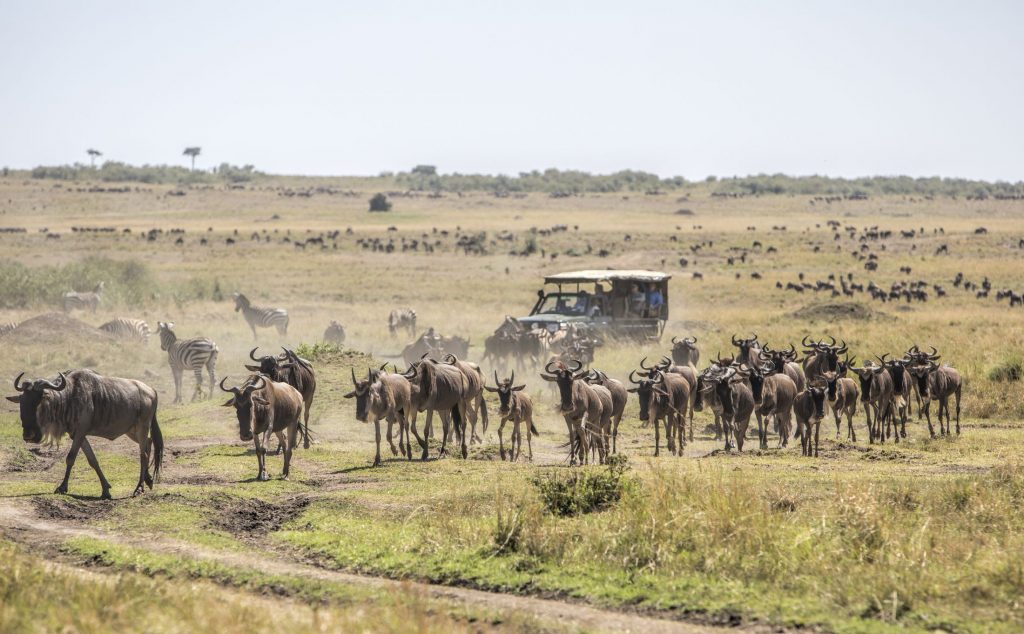
The single most important planning decision in any Kenya-Tanzania safari is timing, and timing on this circuit means understanding where the Great Migration is not the wildebeest migration in general, but the specific herds in the specific locations during your specific travel window. The migration is not a single event. It is a continuous, year-round circular movement of approximately two million animals around a 1,800-kilometer circuit driven by rainfall, grass quality, and instinct accumulated across tens of thousands of years of evolutionary refinement.
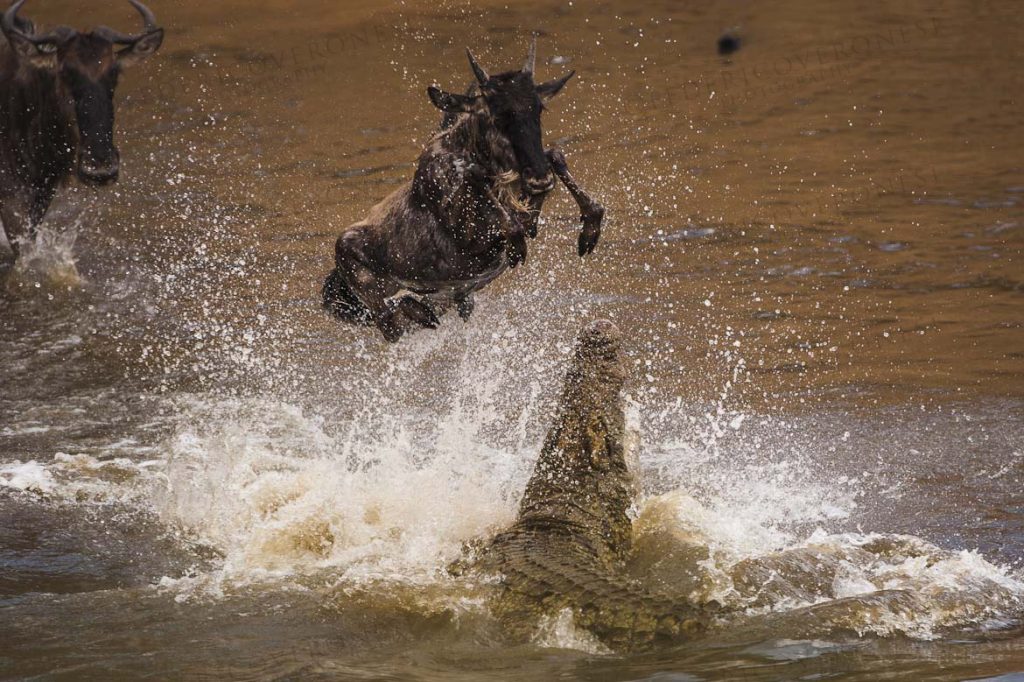
In the dry season, between June and October, the herds are in the northern Serengeti and the Maasai Mara National Reserve, and the river crossings at the Mara River are the iconic event of this period. In the wet season, between December and March, the calving season in the southern Serengeti around Ndutu is the defining spectacle. In the shoulder months of April-May and November, the herds are in transit, and the experience is different again. The Serengeti is quieter, the vegetation is lush from recent rains, and the light for photography is often more dramatic than in the dry season. Any of these windows produces a deeply satisfying Kenya Tanzania safari; they simply produce different ones. Our planning conversations ensure you understand the specific travel dates and their potential, allowing us to precisely calibrate your expectations and exceed them.
Beyond the Migration: What a Kenya Tanzania Safari Delivers Year-Round
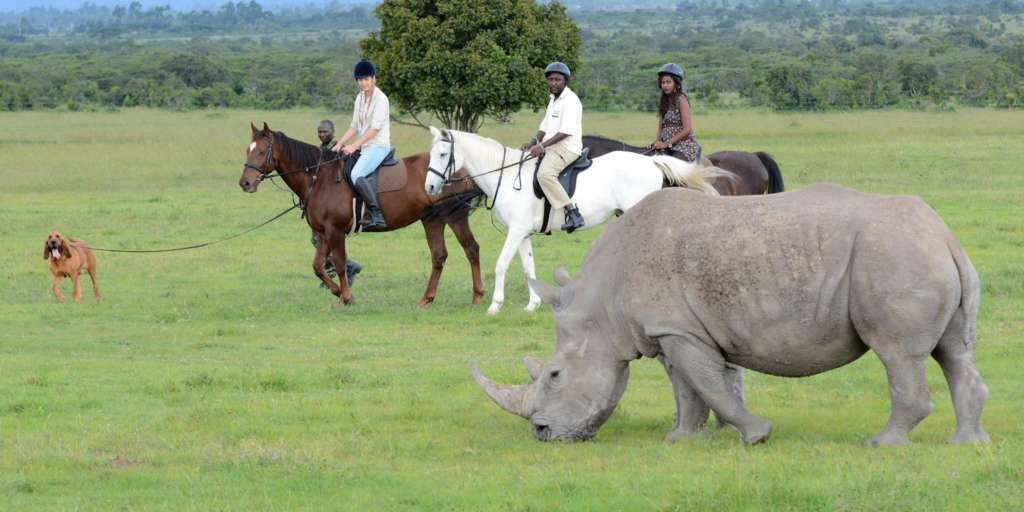
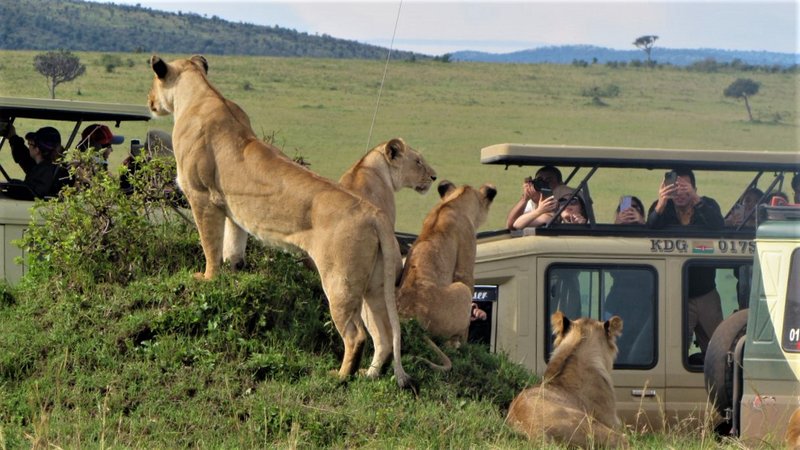
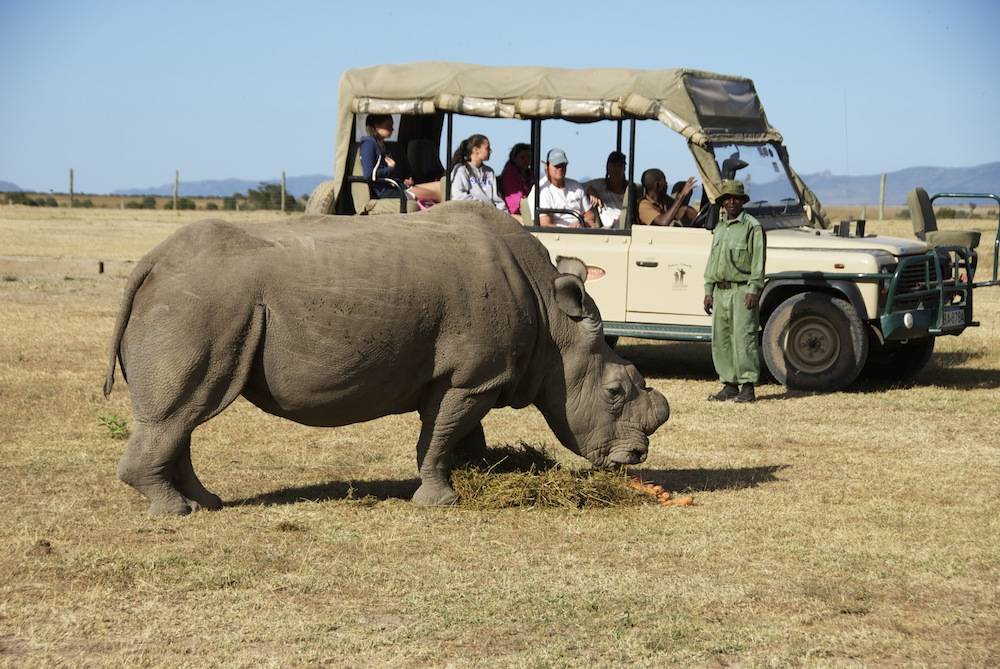
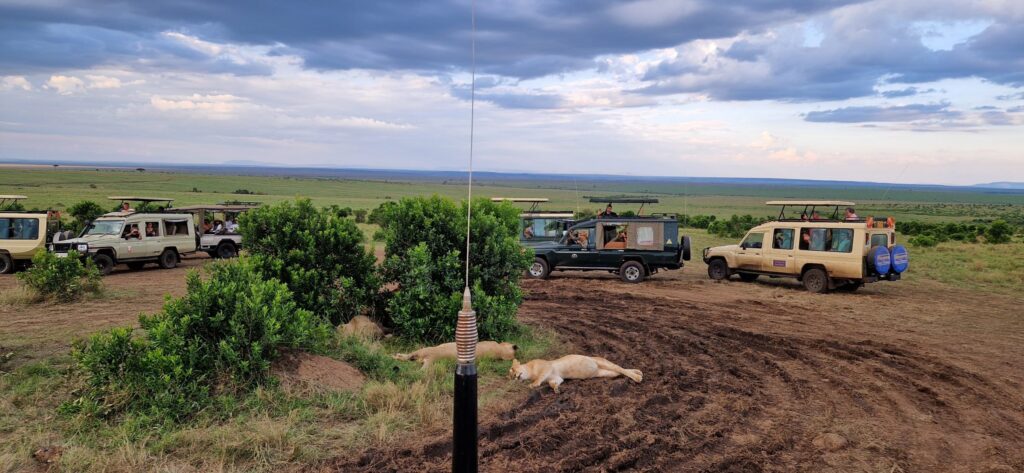
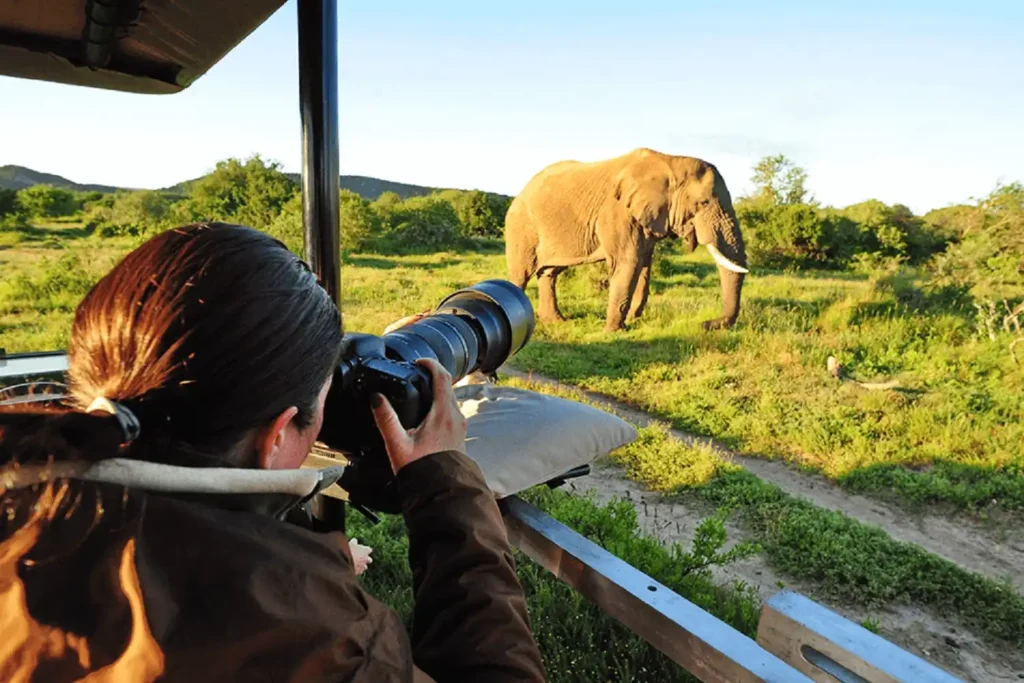
The Kenya-Tanzania safari experience extends well beyond the wildebeest migration, and a successful itinerary recognizes these factors. Ngorongoro Crater is exceptional regardless of the month; the resident wildlife populations are stable, the big cats are there year-round, and the black rhino sightings that the crater offers are available on any day of any season. Ol Pejeta’s rhinos are always present. The July-October dry season sees the highest concentration of elephants in Tarangire, yet the park consistently offers compelling game viewing year-round. And the Maasai Mara, even in a month when the wildebeest herds are elsewhere, maintains resident populations of lion, leopard, elephant, and cheetah that produce outstanding game drives in any conditions.
For guests who want to combine the Kenya-Tanzania safari with gorilla trekking in Uganda or Rwanda, our combined East African safari packages create seamless multi-country itineraries that cover the full breadth of what this region offers. And for those who want to extend the Tanzania leg with time in the country’s more remote southern parks, Ruaha National Park or Nyerere National Park, we design those extensions with the same level of detail and private access that characterizes everything else we do.
What is the best time of year for a Kenya-Tanzania safari combining the Maasai Mara and the Serengeti?
The peak period for the classic Kenya-Tanzania safari combining both sides of the Mara-Serengeti ecosystem with the Great Migration runs from July to October. During this window, the herds are in the northern Serengeti and the Maasai Mara simultaneously, and the famous Mara River crossings are most likely to occur. This period coincides with Kenya and Tanzania’s dry season, which also means good roads, lower vegetation density for easier game viewing, and excellent conditions for photography. December through March is a compelling alternative: the herds are in the southern Serengeti for the calving season, predator activity is intense, and the short grass of the southern plains makes for exceptional visibility. The shoulder months of April-May and November bring lower visitor numbers and lower prices, with the trade-off of more variable road conditions and longer grass. We plan every itinerary with your specific travel window and priorities in mind.
What is the Great Wildebeest Migration, and is it really worth building a Kenya Tanzania safari around?
The Great Wildebeest Migration is the largest overland movement of animals anywhere on Earth; approximately 2 million wildebeest, along with hundreds of thousands of zebras and gazelles, move in a continuous annual circuit around the Serengeti-Mara ecosystem following rainfall and grass quality. The famous Mara River crossings, which occur roughly between July and October at the northern extent of the circuit, are the most dramatic single wildlife spectacle in Africa: tens of thousands of animals plunging simultaneously into a crocodile-filled river in a chaos of hooves and spray and sound that defies comparison with anything else in nature. The calving season in the southern Serengeti between January and March is equally extraordinary in a different register. The sheer concentration of predator activity around half a million vulnerable newborn calves produces some of the most intense wildlife observation possible anywhere in the world. Whether you build your Kenya-Tanzania safari around the crossings or the calving, the answer to whether it is worth it is, simply, yes.
How does a private Kenya-Tanzania safari differ from a group visit, and is the price difference justified?
A private Kenya-Tanzania safari differs from a group tour in several fundamental ways. You travel in your own dedicated vehicle with your private guide, which means your schedule is entirely flexible; you stay longer at sightings that interest you, leave earlier when conditions change, and move through the landscape at your own pace. Your guide’s interpretation is calibrated entirely to your knowledge level and interests. You have access to activities like night drives, walking safaris, and off-road driving that group tours in shared vehicles typically cannot offer because coordinating these activities for large groups is operationally impractical. And your accommodation, often at smaller, more intimate camps specifically selected for your itinerary, is typically in locations with better wildlife proximity and less infrastructure noise than the large lodges that group tour operators favor for their capacity. For most experienced travelers, the question is not whether the difference is justified but how they ever tolerated the group tour alternative.
Can a Kenya-Tanzania safari be combined with gorilla trekking in Uganda or Rwanda?
Absolutely, and for the traveler with sufficient time, this combination produces one of the most comprehensive wildlife itineraries available in Africa. The logical geography works well: starting in Nairobi, doing the Kenya portion of the circuit, crossing to Tanzania for the Serengeti and Ngorongoro leg, and then flying north to Entebbe for gorilla trekking in Uganda’s Bwindi Impenetrable Forest or extending into Rwanda’s Volcanoes National Park for a two-country gorilla experience. Alternatively, beginning with gorillas and moving south into Tanzania for the migration circuit creates a different but equally satisfying narrative arc. We have extensive experience designing these multi-country itineraries and handle all permit acquisition, logistics, and cross-border transitions as part of our full-service planning process.
What should I know about accommodation on a Kenya-Tanzania safari, and how do private camps differ from standard lodges?
The accommodation landscape on a Kenya Tanzania safari ranges from large, hotel-scale lodges on the boundaries of national parks sometimes accommodating two or three hundred guests simultaneously to small, remote tented camps with eight to twelve tents that are, in some cases, positioned inside the wildlife areas rather than on their margins. The distinction matters enormously. A small camp inside Serengeti National Park that operates on a semi-permanent basis during the migration season will have guests waking to wildlife sounds, walking to breakfast past animals grazing outside the tent lines, and beginning game drives before any vehicle from a boundary lodge has reached the gate. The experience is categorically more immersive. At Luxury Safaris Tanzania, we select accommodation based first on location and proximity to wildlife, then on the quality of service and comfort, and we avoid the large-scale lodges that prioritize capacity over intimacy. On this Kenya Tanzania safari, you will never be sharing a campfire with fifty other guests or waiting for a table at dinner. The camps we use feel like private residences in the wilderness, which is precisely what they should be.
Your Kenya Tanzania Safari Begins With One Conversation
The Serengeti at first light. The crater floor is emerging from the morning cloud. A river crossing that builds over two days and erupts in ten minutes of pure chaos. The last two northern white rhinos in the world. A Maasai elder explaining the history of his people on a walking safari as the sun sets behind the Mara hills. These are not abstract travel promises; they are specific, documented, repeatable moments that we have been delivering to our guests for over twelve years, across thousands of miles of East African wilderness.
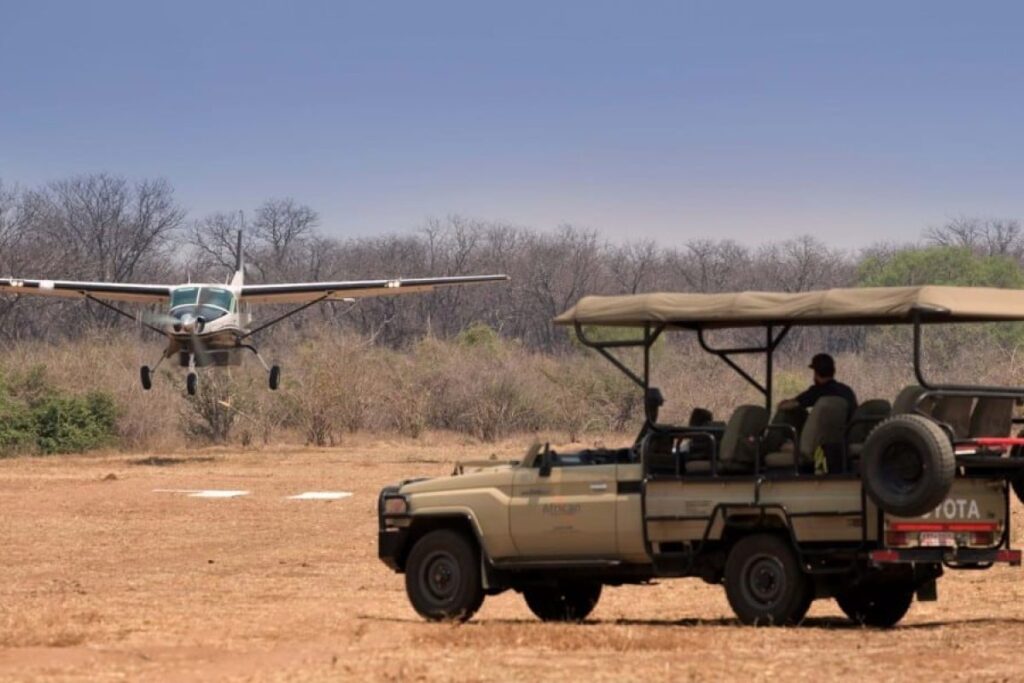
We build every Kenya-Tanzania safari privately, from the first planning conversation to the last transfer to the airport. We handle gorilla permits, internal flights, border crossings, seasonal camp positioning, and every logistical decision that stands between you and an uninterrupted two weeks of the greatest wildlife experience available on Earth.
The only thing we need from you is a date, a group size, and a sense of what matters most. We will take it from there.
Reach us through our contact page or via WhatsApp at +255 684 031 321. Our safari specialists are available seven days a week and typically respond within a few hours.
Start Planning Your Custom Kenya Tanzania Safari Now →