The core activities at Four Seasons Safari Lodge Serengeti are game drives, hot-air balloon safaris, guided walking safaris, and photography excursions, with the Seronera Valley’s resident predators as the main draw. Park fees and premium activities usually sit outside the nightly rate.
Game drives
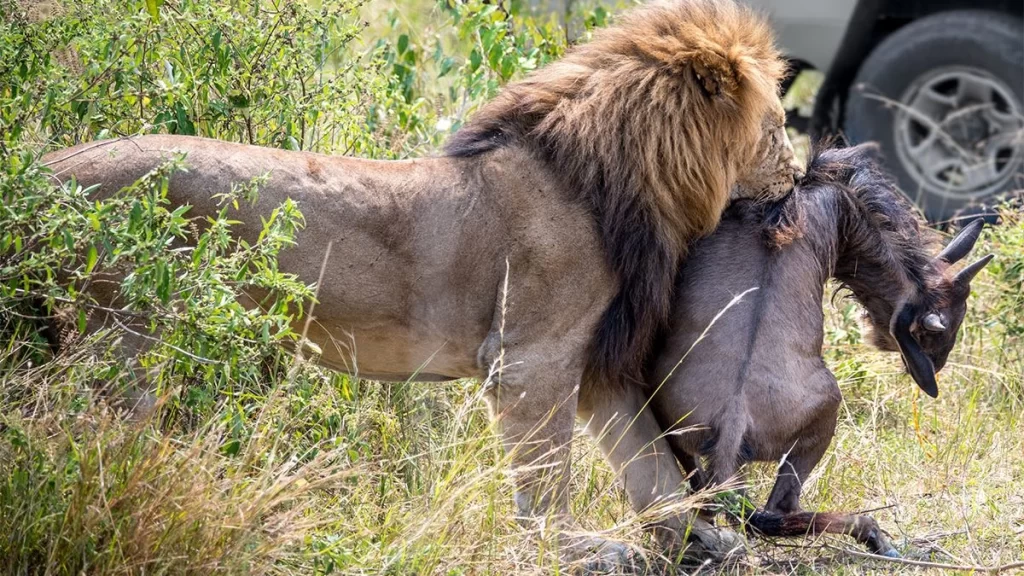
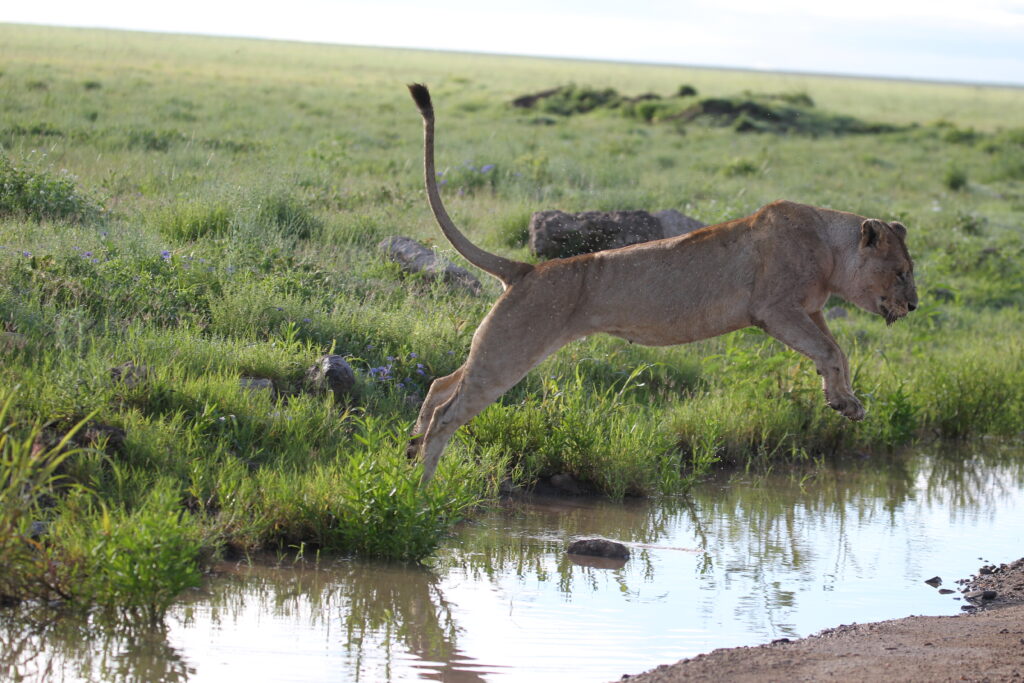
Dawn and late-afternoon drives take you into the Seronera Valley and across the surrounding plains. Guides track lion prides, leopards resting in sausage-tree branches, cheetahs on kopjes, and the herds of zebra, topi, Thomson’s gazelle, and wildebeest that anchor the food chain. Some game drives may run as shared scheduled drives, while we can arrange private vehicles through our itineraries.
Hot-air balloon safari
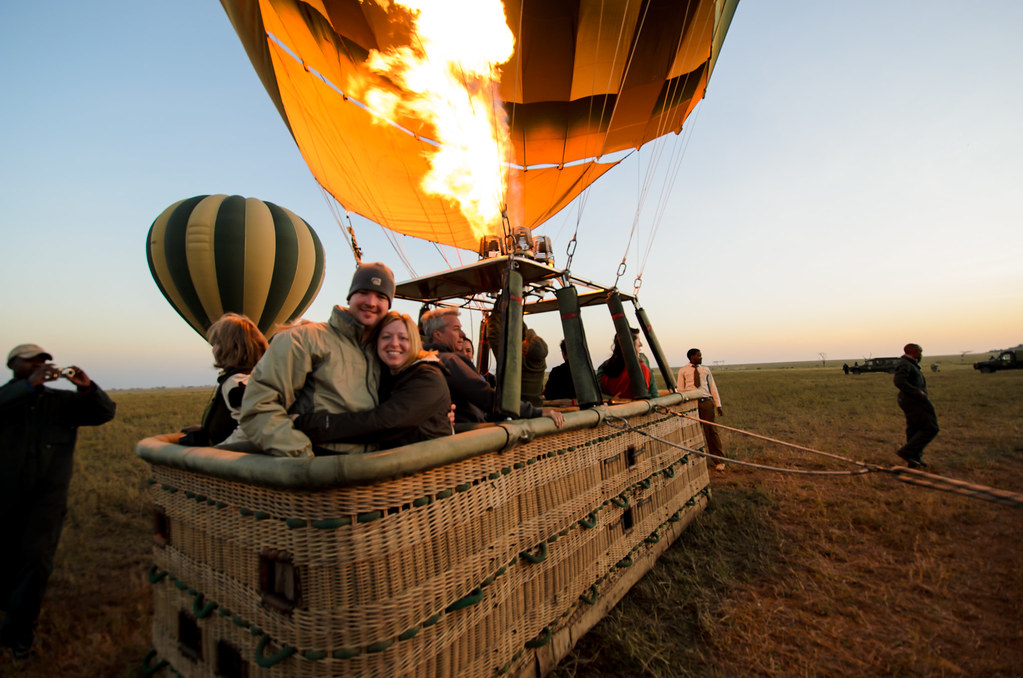
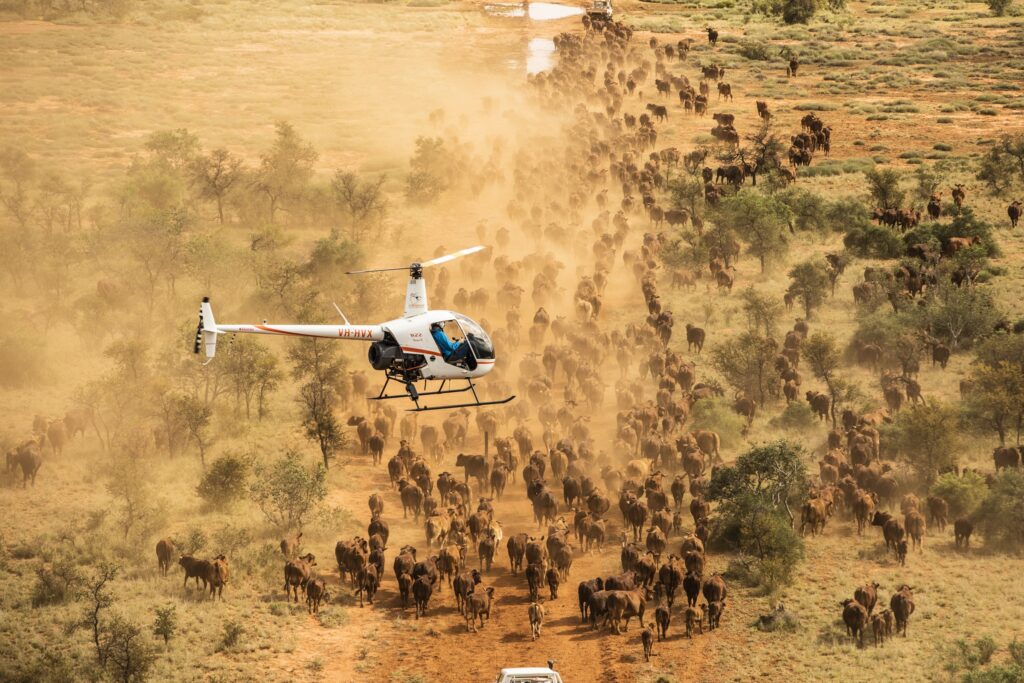
A balloon flight at sunrise lasts about an hour and ends with a Champagne breakfast in the bush. Children aged 7 and over can fly. Our guide to hot-air balloon safaris in the Serengeti covers costs, weather, and booking windows. For an even more dramatic aerial view, our helicopter safari over the Serengeti page explains that option.
Walking safari

The lodge offers a 90-minute walking safari led by a resident Maasai naturalist, Maasai guides, and park rangers, including a chance to help set a camera trap. Walks focus on tracks, dung, plants, and insects rather than big game, and they teach you how the savannah works.
Photography safaris
Four Seasons has run a private photo safari led by photographer Paul Joynson-Hicks for groups of two to six. If photography is your priority, our luxury safari with a personal photographer adds a dedicated photo guide and a vehicle configured for long lenses.
Discovery Centre and wildlife from the lodge
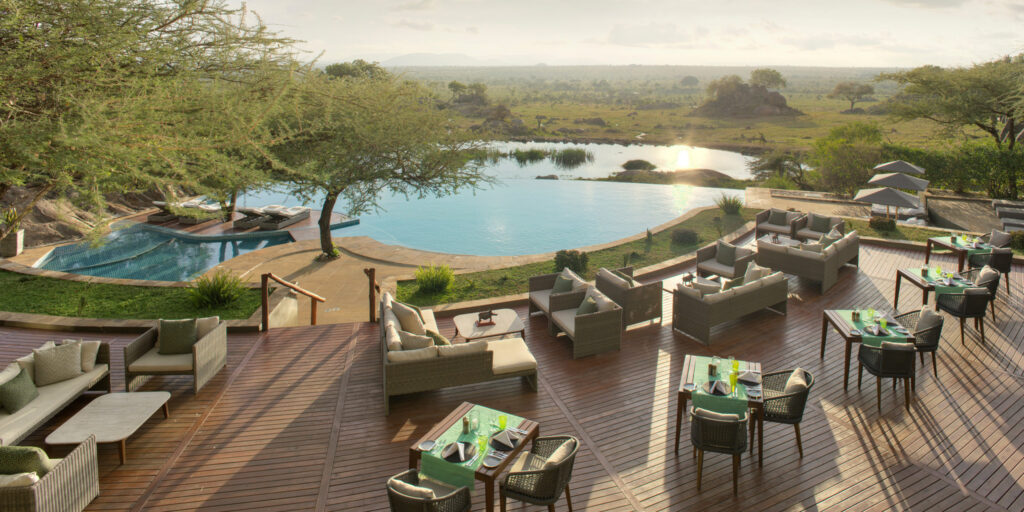
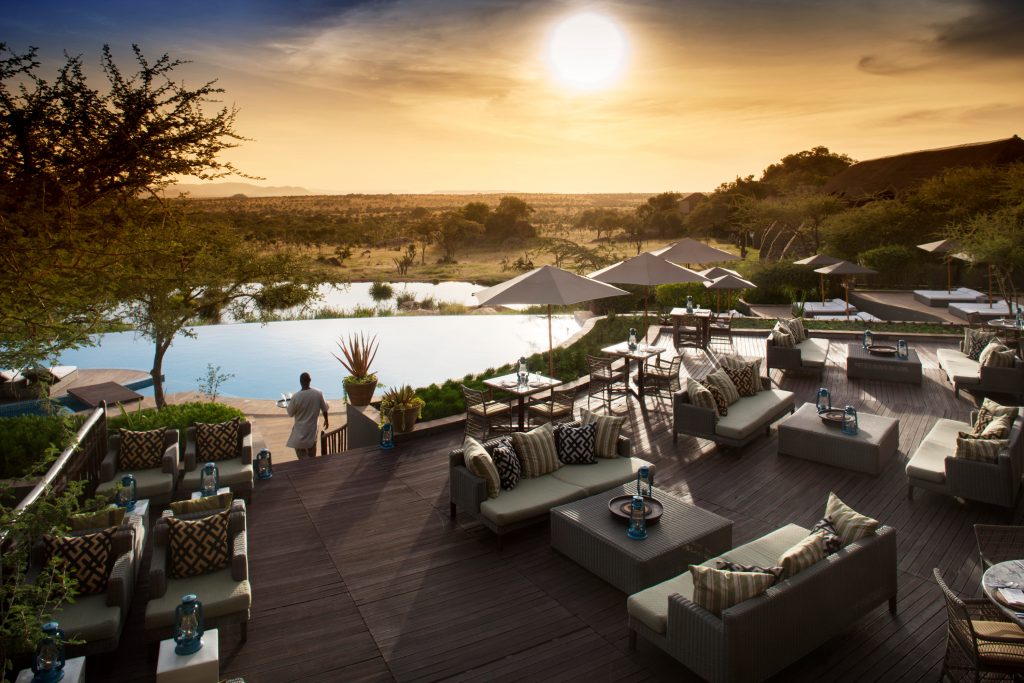
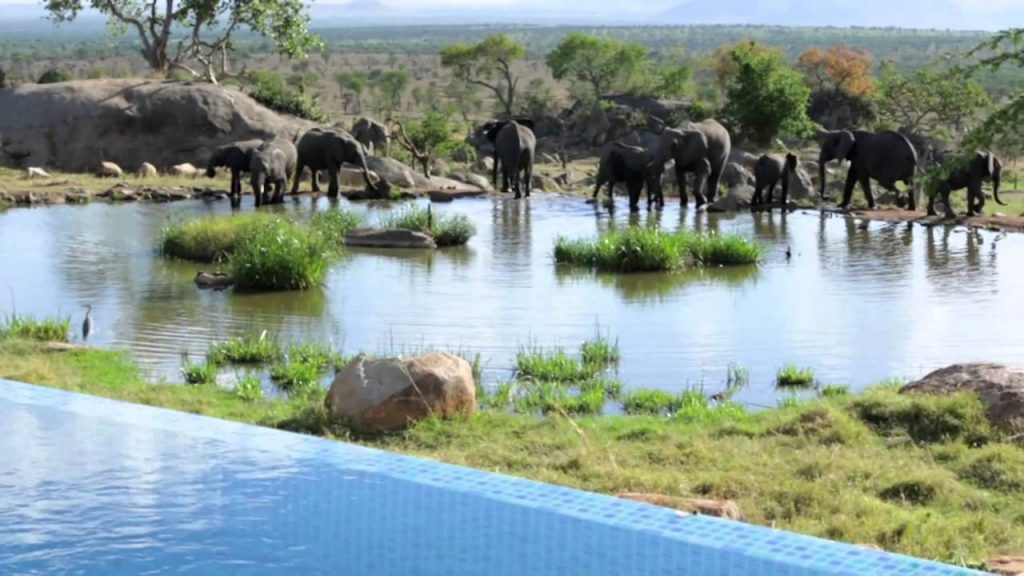
The Discovery Centre holds museum-quality exhibits and a lecture hall on local wildlife, environment, and culture. Between drives, guests watch the waterholes from the pool, terraces, and bar.
A typical day at the lodge
Most days follow a simple rhythm. Guests wake before sunrise for coffee and a light breakfast, then leave for a morning game drive while predators are still active and the light is soft. They return for a full breakfast or a bush breakfast, rest through the heat of midday by the pool or in the spa, and meet the guide again around mid-afternoon for a second drive. Sundowners at the Maji Bar or Sundowner Bar follow, then dinner at Kula’s Restaurant or the Boma Grill. Spend three nights, and you can add a balloon flight, a walking safari, and a slow day at the waterhole without rushing any of them. We recommend a minimum of three nights, because the central Serengeti rewards patience.
Wildlife you can expect
The central Serengeti holds all of the Big Five: lion, leopard, elephant, and buffalo are regular sightings, while black rhino remain rare and are usually seen only in specific areas. Other species include cheetah, spotted hyena, serval, giraffe, hippo, Nile crocodile, topi, eland, Grant’s gazelle, and more than 500 bird species, including lilac-breasted roller, secretarybird, and Kori bustard.
Guide quality
Resident naturalists, Maasai guides, and park rangers lead the walking safaris, and professional safari guides lead the drives. We request guide qualifications and languages when we book your stay, and we match photographers and families with the guides best suited to them.
Who Should Stay at Four Seasons Safari Lodge Serengeti
Four Seasons Safari Lodge Serengeti suits travelers who want hotel-grade comfort and reliable wildlife viewing in one place, particularly honeymoon couples, families, first-time safari guests, and photographers who value consistency. It is less well suited to purists who prefer small tented camps.
Honeymoon and romantic couples
A terrace suite with a plunge pool, a balloon flight, and a private dinner make a strong honeymoon package. Our guide to a honeymoon in Serengeti lays out the romance options, and we can add a beach finish through Zanzibar.
Families with children
The lodge welcomes children aged 2 and over, with adult supervision required for children under 4. The Kijana Klub runs daily from 10 am to 6 pm for children and teens, with arts and crafts, games, movie nights, a Serengeti Passport for tracking sightings, nature walks, Maasai beading, and Swahili lessons. Few Serengeti properties offer this level of programming.
Solo travellers
Solo guests receive the same service as couples, though most rates assume double occupancy and a single supplement may apply. A private guide solves the shared-vehicle issue.
Wildlife photographers
The waterhole, the pool, and the terraces give you wildlife photography without leaving the property, and the Seronera Valley gives you predators. Plan for dust, bring a beanbag for the vehicle, and book a private vehicle for flexibility.
First-time safari travelers versus repeat Africa visitors
First-timers gain the most. The lodge’s service, activities, and infrastructure ease them into the safari rhythm. Repeat visitors often prefer smaller camps or private concessions, which offer night drives, off-road driving, and fewer vehicles.
Is it worth the price?
At roughly US$1,100 to US$1,600 per person per night, sharing, the lodge sits in the premium bracket. You pay for service depth, facilities, and an in-park location. Park fees, premium drinks, balloon flights, walking safaris, and gratuities usually cost extra. For families and couples who want one reliable base, the value holds. For travelers who want a quiet private concession, the money works harder elsewhere.
Best Time to Visit Four Seasons Safari Lodge Serengeti
The best time to visit Four Seasons Safari Lodge Serengeti is June to October for dry-season game viewing, with January to March offering calving-season action on the southern plains and resident predators giving excellent sightings all year.

Month by month
- January to March: The herds calve on the southern plains and Lake Ndutu region, and predators follow. Central Serengeti stays green and quiet, with excellent lion and cheetah viewing. Rates fall in the shoulder period.
- April to May: Long rains arrive. The herds begin moving north and west, and the park is lush and empty of crowds. This is the lowest-rate period, with rates cheapest in April and May. Some roads become slow.
- June: The rains ease, the herds move through the central and western corridors, and the dry season begins.
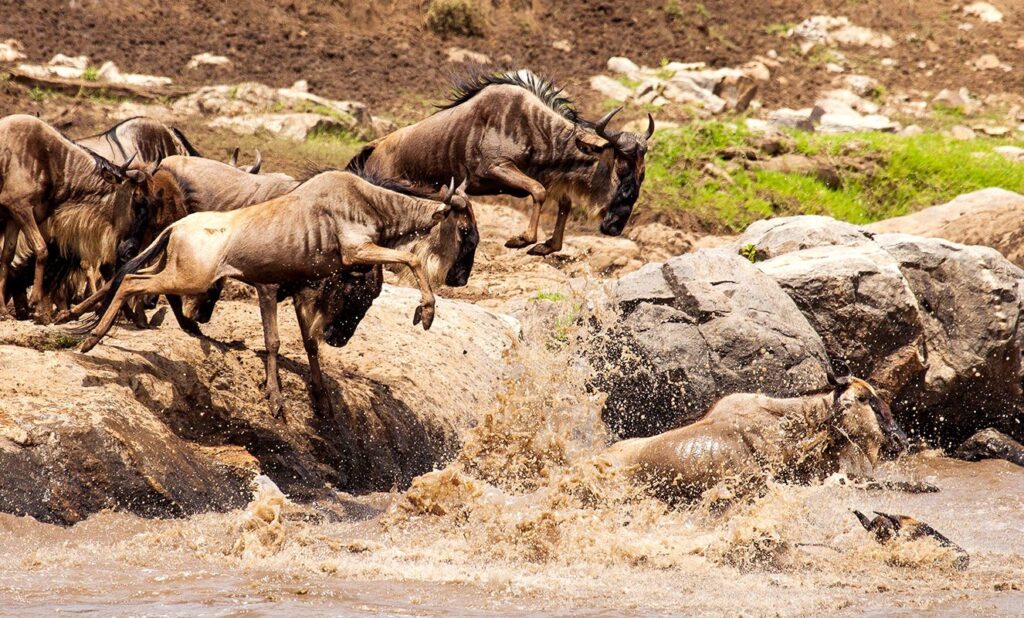
- July to October: Peak dry season. Wildlife concentrates around water, visibility is excellent, and the northern migration reaches the Mara River. Central Serengeti stays strong for predators, though rates and visitor numbers peak.
- November to December: Short rains return and the herds drift south again. The park turns green, and crowds thin before the holiday season.
Crowds and pricing
High season (roughly June to October and January to February) brings the highest rates and busiest tracks. Green season (April and May) brings the lowest rates and fewest vehicles.
Conservation and Community
Four Seasons Safari Lodge Serengeti operates inside a national park managed by Tanzania National Parks, so conservation enforcement and anti-poaching patrols fall to park authorities, while the lodge contributes through guest programs and community links. We list what we can confirm and flag the rest.
What the lodge does
The lodge belongs to Four Seasons’ corporate “Four Seasons for Good” program. Guest contributions from game drives, walking safaris, and select boutique items support community and wildlife projects. The Discovery Centre educates guests and staff on local wildlife and culture, and Maasai staff work as guides and protectors on walks.
Anti-poaching and park protection
Tanzania National Parks employs the rangers who patrol the Serengeti, and the lodge works within that framework rather than running its own anti-poaching unit. Your park fees, which we include in every quote unless you tell us otherwise, fund that enforcement directly. Guests also help by following ranger instructions, keeping distance from animals, and staying on designated tracks.
Community employment
The lodge employs local staff across hospitality, guiding, and maintenance. We ask the lodge for current numbers and training programs and add them to your pre-departure notes.
Staying in the Serengeti supports the park economy through fees and jobs. Larger properties leave a bigger footprint than small tented camps, so we encourage travelers to travel responsibly, avoid single-use plastics, and respect wildlife distances. The park itself is a UNESCO World Heritage Site, and park revenue funds its protection.
Planning Your Stay: Practical Travel Tips
Plan for warm days, cool mornings, and dusty tracks; bring neutral clothing; check health requirements with your doctor; and budget for park fees and tips on top of the nightly rate. The central Serengeti sits at roughly 1,500 meters elevation, so mornings can be chilly.
What to pack
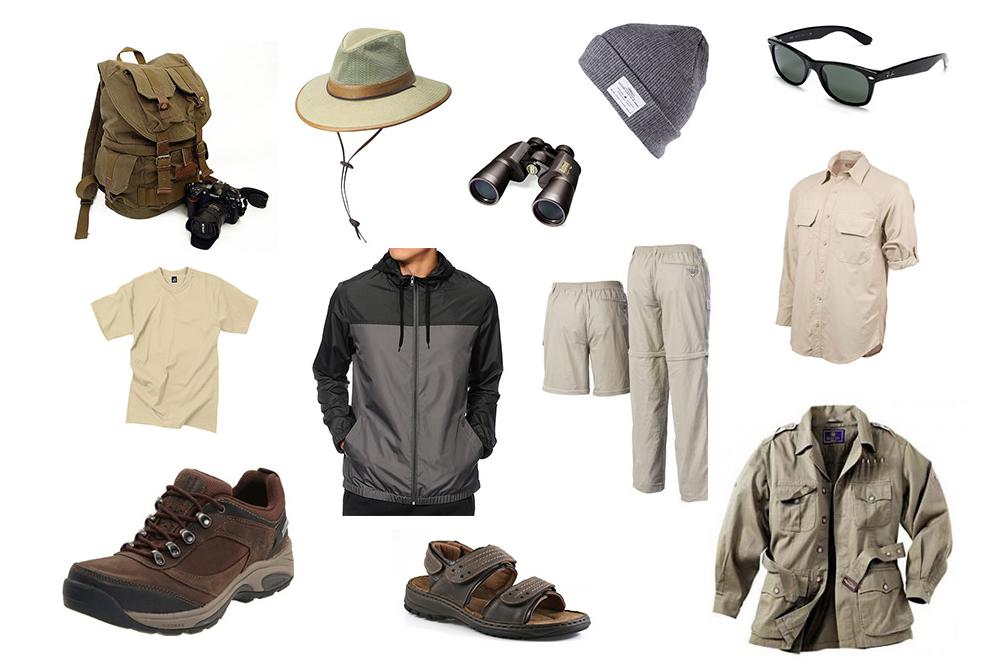
- Neutral layers (khaki, olive, and tan), a fleece for dawn drives, and a light rain jacket
- Wide-brimmed hat, sunglasses, and high-SPF sunscreen
- Binoculars (8×42 is a good standard) and camera gear with dust protection
- Closed shoes for walks and sandals for the lodge
- Insect repellent and a small first-aid kit
Health and vaccinations
See your doctor or a travel clinic 6 to 8 weeks before travel. Malaria prophylaxis is advised for Tanzania, and a yellow fever certificate may be required if you arrive from an endemic country. Check current guidance from your health authority.
Payment, tipping, and what is included
The nightly rate typically covers accommodation and meals and may include some drinks and shared game drives. Park entry fees, the tourism development levy, premium drinks, balloon flights, walking safaris, spa treatments, and gratuities usually cost extra. We provide a clear inclusions list on every quote. Tipping guidance varies, and we give a recommended range in your trip dossier.
Combining with other parks
A typical luxury route combines the Serengeti with the Ngorongoro Crater, Tarangire National Park, and a beach finish. For culture, add a visit to our cultural experiences in Tanzania. Our plan for your safari guide explains how we sequence parks, and our custom-built private safari itineraries show the flexibility available.
Frequently Asked Questions About Four Seasons Safari Lodge Serengeti
How many rooms does Four Seasons Safari Lodge Serengeti have?
Four Seasons Safari Lodge Serengeti has 77 accommodations: 60 guest rooms, 12 suites, and 5 freestanding villas. Every category includes private outdoor space, such as a terrace, balcony, or sundeck. Suites add plunge pools, and the villas have private swimming pools and a personal attendant. The scale is larger than a typical tented camp, which brings more facilities but also more guests.
Where is Four Seasons Safari Lodge Serengeti located?
Four Seasons Safari Lodge Serengeti sits in the central Serengeti, inside Serengeti National Park, close to the Seronera Valley. The location places guests within reach of the park’s densest predator populations and beside two active watering holes on the property. The nearest airstrip is Seronera, roughly 45 to 50 minutes by road from the lodge.
How much does Four Seasons Safari Lodge Serengeti cost per night?
Published third-party rates range from about US$1,100 to US$1,600 per person per night, sharing, depending on the season and room type. April and May cost least, and January to February and June to October cost most. Park fees, the tourism development levy, premium drinks, extra activities, and gratuities usually sit outside the rate. We confirm exact pricing when we quote your itinerary.
How do you get to Four Seasons Safari Lodge Serengeti?
Most guests fly to Seronera Airstrip from Arusha, Kilimanjaro, or Dar es Salaam and drive about 45 to 50 minutes to the lodge. Flights from Arusha take roughly one to one and a half hours. Driving from Arusha takes most of a day, usually via the Ngorongoro Conservation Area. We arrange flights, transfers, and park fees as part of your itinerary.
Is Four Seasons Safari Lodge Serengeti good for families?
Yes. The lodge welcomes children aged 2 and over, with adult supervision for under-4s. The Kijana Klub runs daily and offers crafts, games, movie nights, nature walks, Maasai beading, and Swahili lessons. Children aged 7 and over can join a hot-air balloon safari. The two-bedroom villa suits families who want private space and a pool.
What is the best time to visit Four Seasons Safari Lodge Serengeti?
June to October brings the driest weather and the best wildlife concentrations, and January to March suits travelers who want the calving season on the southern plains. Central Serengeti keeps resident lions, leopards, and cheetahs all year. April and May bring rain, fewer visitors, and lower rates. Match your dates to your priorities: herds, predators, price, or quiet.
Does Four Seasons Safari Lodge Serengeti have a swimming pool?
Yes. An infinity-edge pool overlooks an active watering hole frequented by elephants. The Terrace Suites have private infinity-edge plunge pools, and the villas have private swimming pools. Guests often watch wildlife from the water, so bring a camera in a waterproof pouch or keep it dry on the deck. Adult guests can use the pool all day, while children should swim with an adult nearby.
Is there Wi-Fi at Four Seasons Safari Lodge Serengeti?
Yes. The lodge provides high-speed internet to guests, and rooms are equipped for connectivity. Speeds in remote locations can vary, so we suggest downloading maps, films, and documents before you arrive. Many guests choose to disconnect, since the waterhole and the plains offer better entertainment than a screen. Ask us about phone coverage if you must stay reachable for work.
Can you see the Great Migration from Four Seasons Safari Lodge Serengeti?
Sometimes. The central Serengeti sees large herds as they pass through, mainly around April to June and again in November to December, though movements shift year to year. For dependable river crossings, travelers usually move north to the Mara River from July to October. We often pair the lodge with a northern camp to cover both.
Is Four Seasons Safari Lodge Serengeti worth it?
For travelers who want five-star service, strong facilities, and reliable wildlife in one location, yes. It particularly rewards families, honeymooners, and first-time safari guests. For travelers who want off-road driving, night drives, or an intimate tented camp, a private concession will give you more for the same budget. We help you choose based on your priorities.
What activities does Four Seasons Safari Lodge Serengeti offer?
Activities include game drives, hot-air balloon safaris with a champagne bush breakfast, a 90-minute guided walking safari, photography excursions, bush picnics, and spa treatments at the Serengeti Kani Spa and the Discovery Centre. The Kijana Klub entertains children. Balloon flights, walks, and spa treatments usually cost extra, so we list them separately on your quote.
Can you combine Four Seasons Safari Lodge Serengeti with Ngorongoro Crater and Zanzibar?
Yes. Many of our guests spend two to three nights at the lodge, continue to the Ngorongoro Crater for a full-day game drive, and finish with a beach stay in Zanzibar. We handle all flights and transfers, and we tailor the sequence to your dates and pace. A typical split is three nights in the Serengeti, one or two near the crater and four on the coast.