Private Conservancy Access Exclusive to Your Kenya Safari
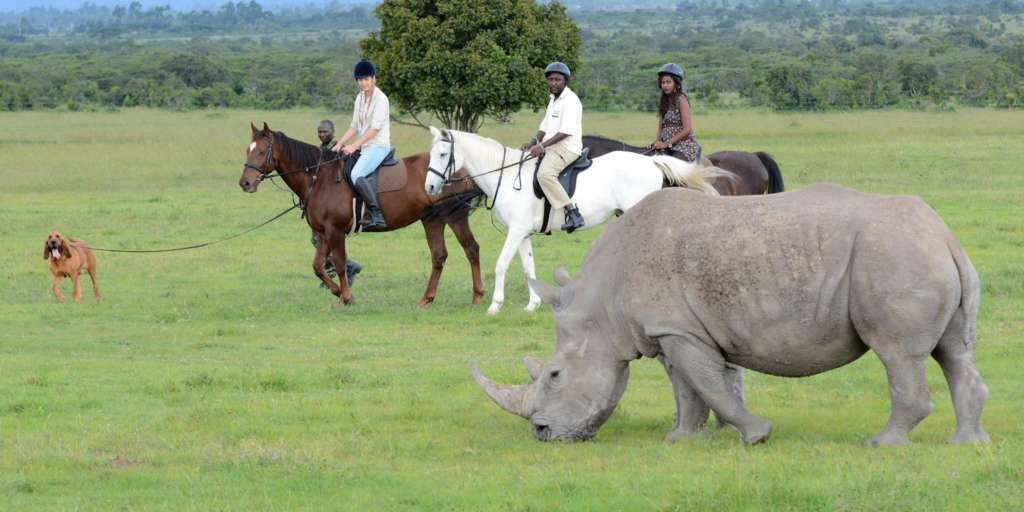
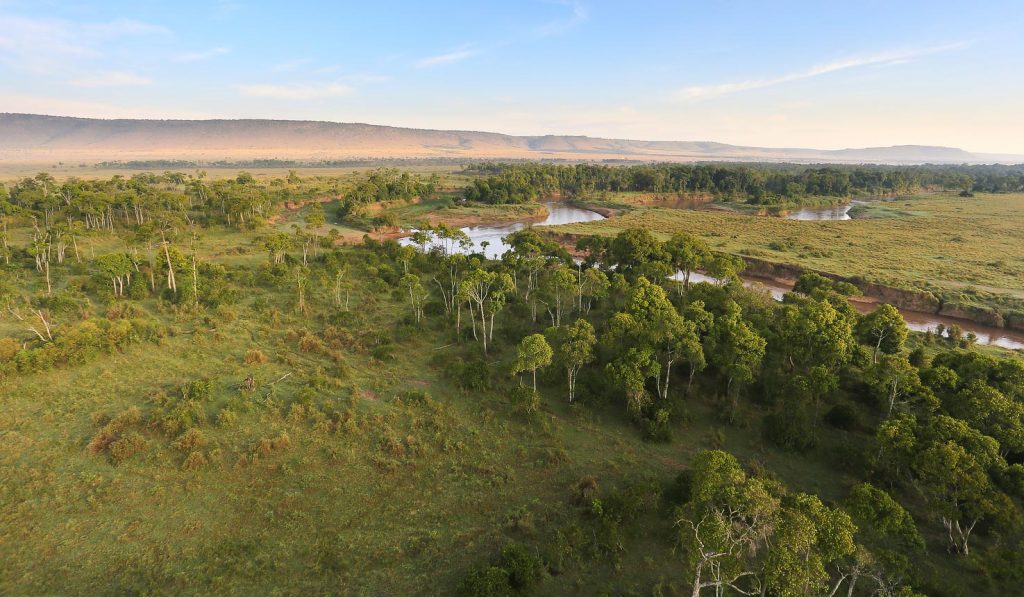
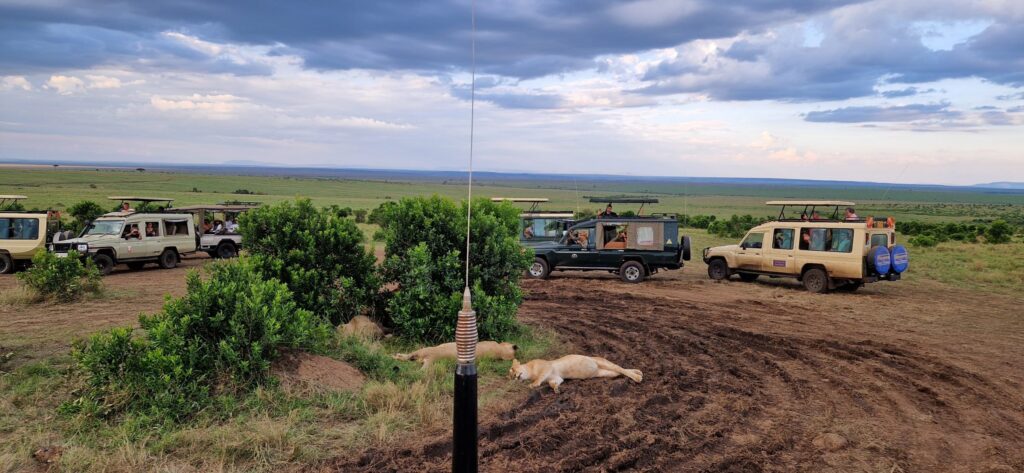
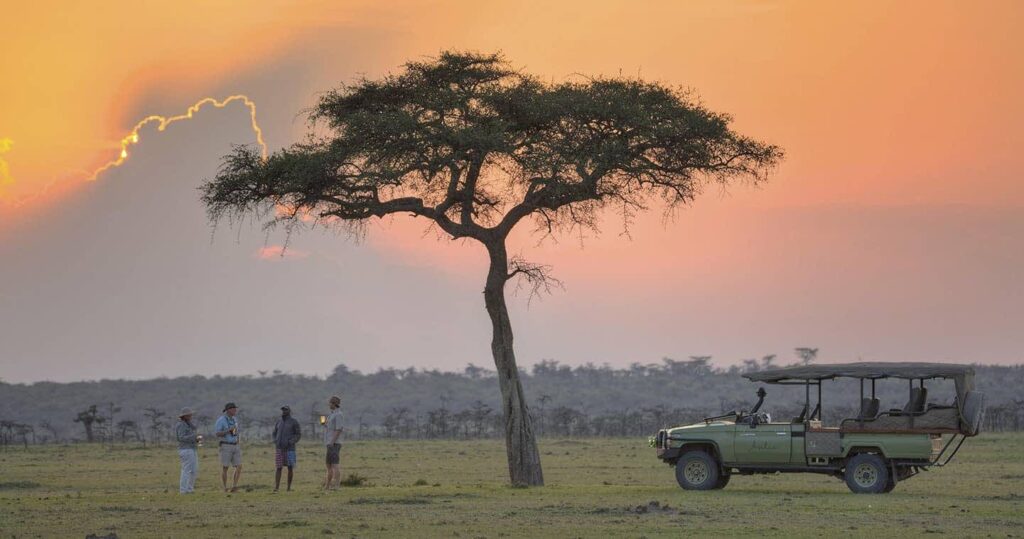
The decision to anchor this Kenyan safari within private community conservancies rather than national parks is not merely logistical; it is philosophical. On private conservancies, the rules that constrain national park visitors simply do not apply. Night drives, off-road exploration, guided walks on foot, bush meals, and private ranger talks are all part of the standard program here. More importantly, your presence on the conservancy generates direct income for the Samburu, Maasai, and other communities who chose to protect their land rather than fence it for agriculture. Every night you spend in these camps is a vote for a model of conservation that works.
Expert-Led Kenya Safari Guiding That Goes Beyond the Game Drive
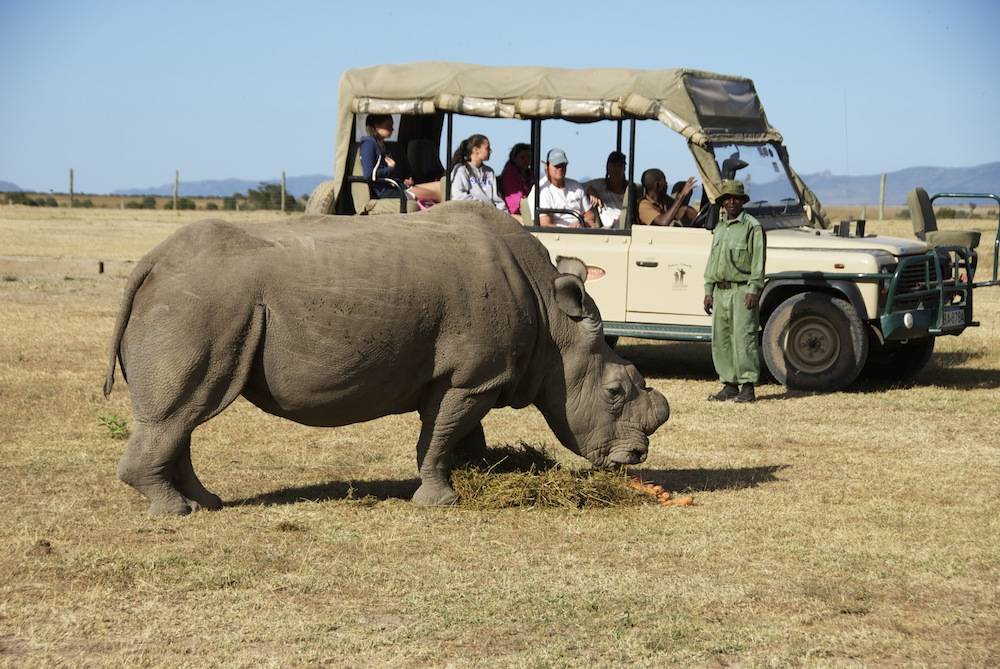
Our guides, who have spent years, not months, in these specific landscapes, lead every private Kenya safari we operate. They are naturalists, trackers, storytellers, and problem-solvers, fluent in the ecology of each conservancy and personally connected to the conservation projects you will visit. They do not read from a script. They have sat with the Reteti keepers during night feeds. They know which Ol Pejeta pride has cubs this season. They understand what you are going to feel when you stand ten metres from Fatu and Najin, and they know exactly how to make room for it.
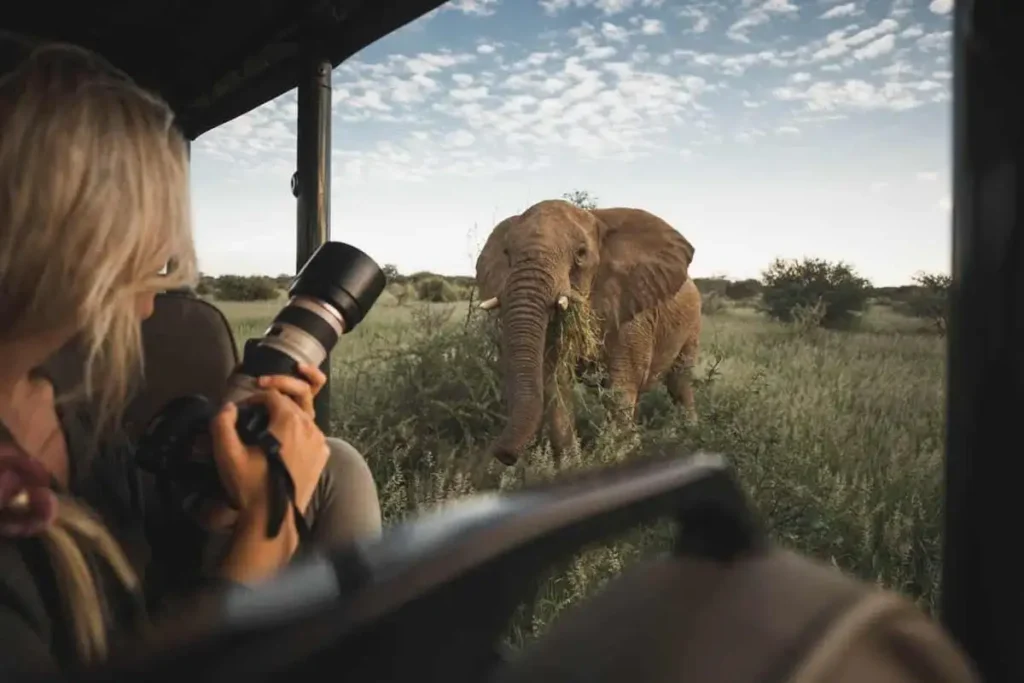
For photographers specifically, your guide is versed in field craft and light management, positioning the vehicle for the best angle, reading animal behavior to anticipate the decisive moment, and helping you capture images that match the quality of the experience.
Fully Customisable Kenya Conservation Safari Design
This 12-day program is a starting point, not a fixed route. We build every itinerary from scratch around your group, whether that means adding a hot-air balloon sunrise over the Mara at dawn (one of East Africa’s outstanding bucket-list experiences), incorporating a helicopter transfer across the Laikipia Plateau for an aerial perspective of the landscape, or extending into Tanzania for a continuation through the Serengeti and Ngorongoro Crater. We can also adjust the conservancy mix based on the season, the current wildlife patterns, and what your particular group finds most compelling.
If you are traveling with family, our Kenya family safari program includes specialist junior guides, age-appropriate conservation education, and camp facilities designed for children who have never seen anything wilder than a city park and who are about to discover they love it.
What is the best time of year for a Kenya conservation safari?
Kenya’s private conservancies offer outstanding wildlife viewing year-round, which is one of their key advantages over Tanzania’s more seasonally concentrated parks. The dry seasons, January to March and July to October, are generally considered the finest time to visit, with short grass, concentrated wildlife around water sources, and predictably clear weather. The Maasai Mara’s wildebeest migration peaks between July and October, when hundreds of thousands of animals cross the Mara River in one of nature’s magnificent spectacles. That said, the green season (November to June) brings extraordinary birdlife, dramatically lush landscapes, and far fewer visitors to the conservancies, which is a real consideration for travelers who prioritize solitude.
Can I see all of the Big Five on this Kenya safari?
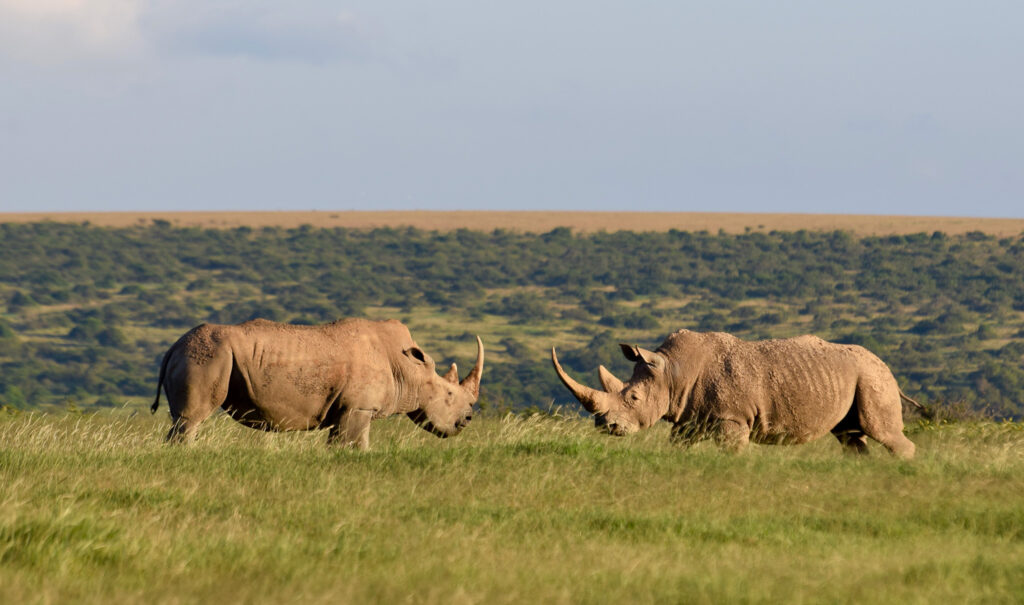
Yes. The combination of Nairobi National Park, Ol Pejeta Conservancy, and the Maasai Mara ecosystem provides consistent Big Five sightings (lion, leopard, elephant, buffalo, and rhino) across different environments. Ol Pejeta specifically offers some of Kenya’s highest overall predator densities, while the Mara is justly renowned for its lions. Rhino sightings at both Nairobi National Park and Ol Pejeta are considered reliable, which is far from the case across most of sub-Saharan Africa.
Who are the last two northern white rhinos, and why does meeting them matter?
Najin and Fatu, both female, are the only surviving northern white rhinoceroses on Earth. The subspecies cannot reproduce naturally; the males of their kind are gone. Scientists from Kenya, the Czech Republic, Germany, and Italy are collaborating on an ambitious assisted reproduction program, having successfully harvested eggs from both females and created viable embryos using frozen sperm from deceased males. The embryos await transfer to southern white rhino surrogate mothers. Meeting Najin and Fatu is not a zoo visit; it is a direct encounter with the consequences of the ivory and horn trade and with the extraordinary scientific effort to undo those consequences. The experience is sobering, hopeful, and unforgettable in equal measure.
What does a private Kenya safari on a conservancy cost, and what is included?
Pricing for a fully private Kenya conservation safari of this caliber varies depending on group size, season, and the specific camp configuration chosen. As a general guide, fully inclusive private programs like these, which include all internal charter flights, private camp accommodation, all meals and drinks, private guiding, conservancy fees, and exclusive access to activities, are among the most expensive options in the East Africa luxury safari market. We provide a detailed, transparent quote tailored to your exact group and travel dates. Use our contact page to begin the conversation.
How does this Kenya safari contribute to actual conservation?
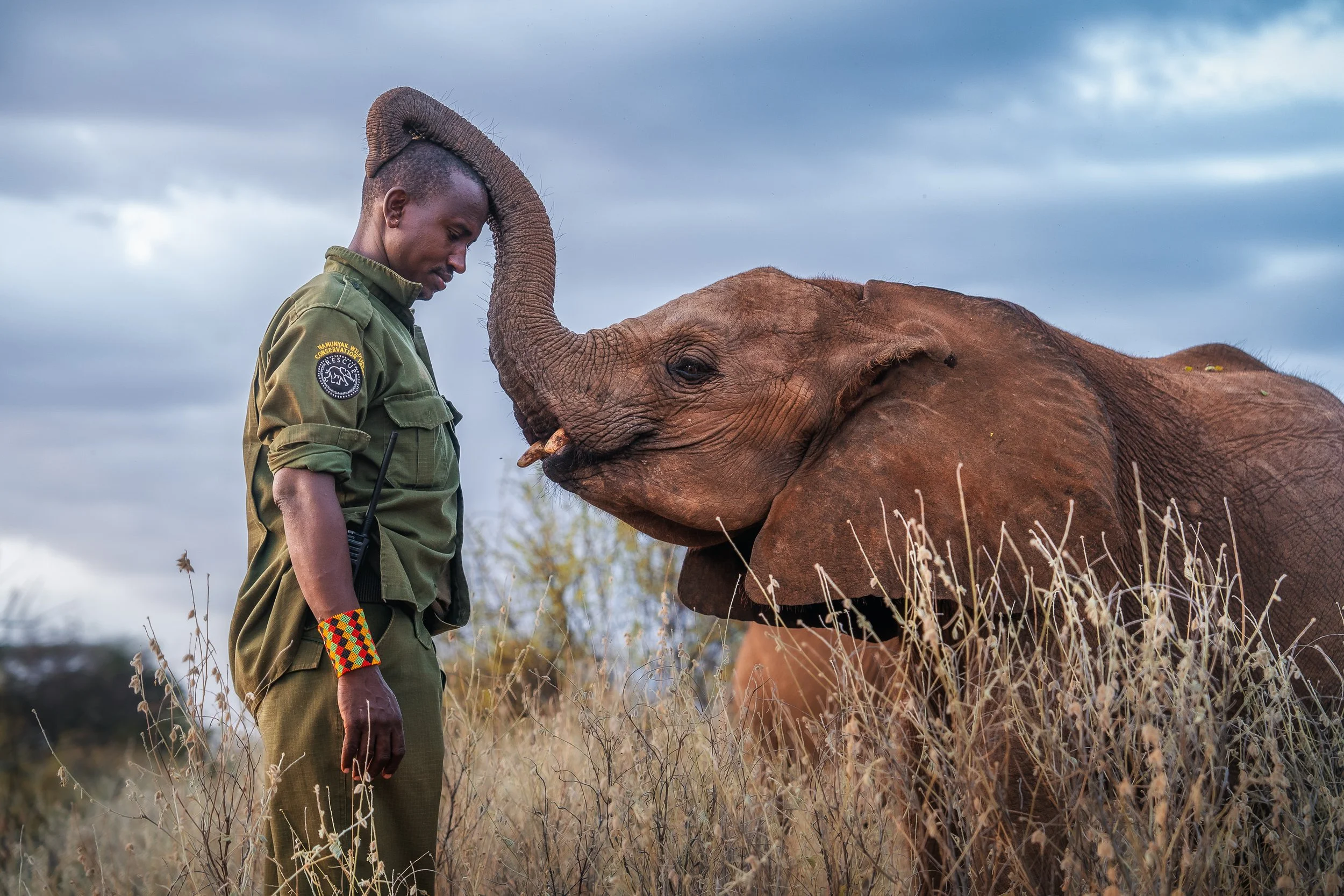
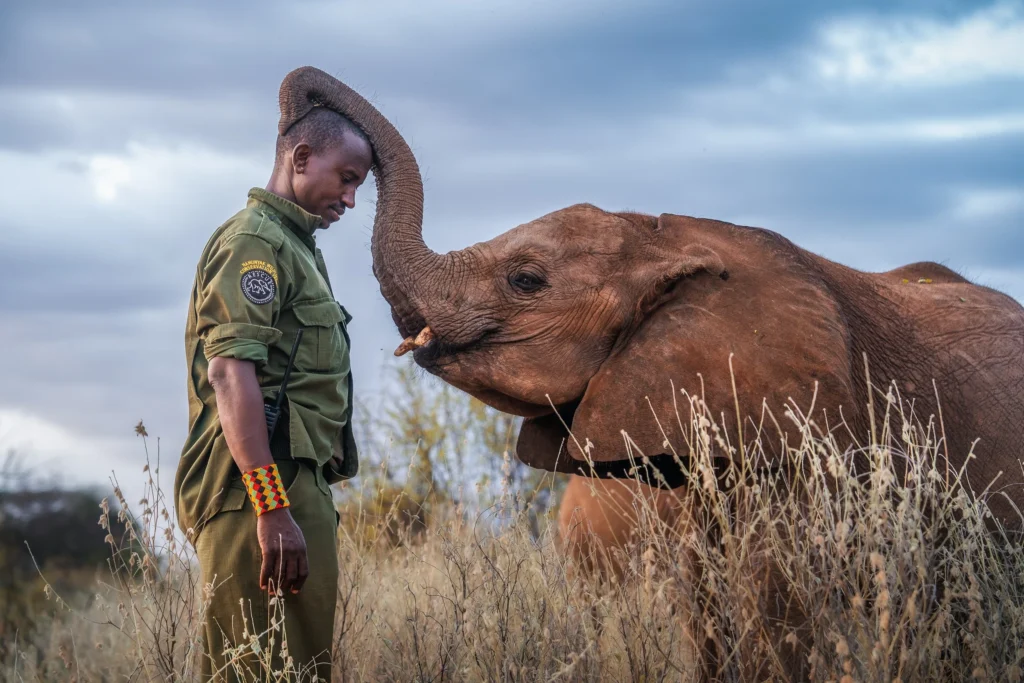
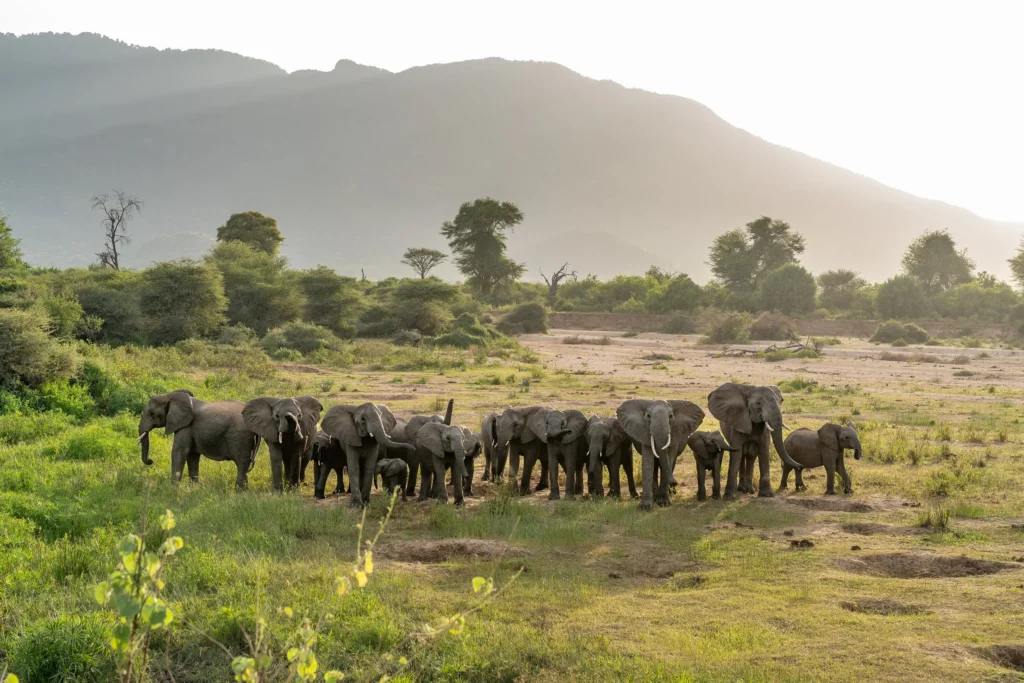
In several direct ways. Your conservancy fees at Ol Pejeta fund the 24-hour ranger teams protecting the northern white rhinos and supporting black rhino breeding programs. Your nights at the Namunyak camp generate income for the Samburu community that owns the conservancy, providing the economic incentive to maintain wildlife habitat rather than convert it to agriculture. Your Reteti visit supports the sanctuary’s operational expenses and the wages of the local keepers it employs. You can adopt an orphaned elephant at the Sheldrick Wildlife Trust, helping to pay for its rehabilitation. Travel of this kind is not neutral in its impact; it actively funds the work.
Can this Kenya conservation safari be extended into Tanzania?
Absolutely, and we would encourage it. The Maasai Mara and Tanzania’s Serengeti share a continuous ecosystem; the wildlife does not distinguish between them. A natural extension crosses into the Serengeti to experience the same wildebeest herds on the Tanzania side of the border, continuing to the Ngorongoro Crater, the world’s largest unflooded caldera and one of the highest concentrations of wildlife anywhere on the continent. Our Tanzania safari specialists handle the seamless cross-border transition. See our Serengeti and Ngorongoro safari page for details.
Is this Kenyan safari suitable for first-time Africa visitors?
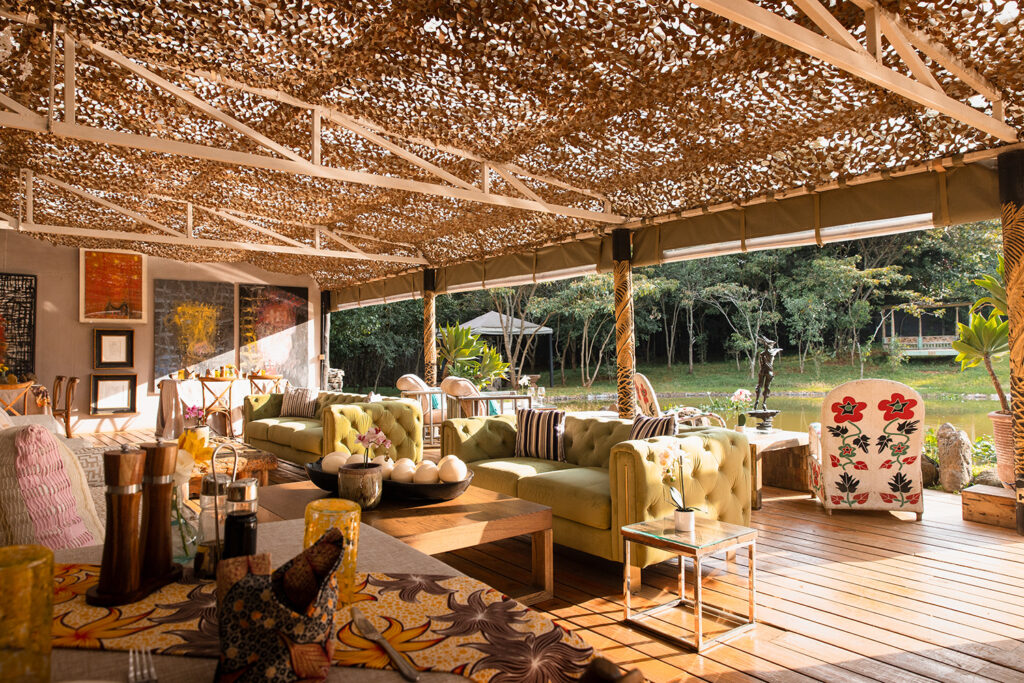
This itinerary is ideal for first-timers who want depth rather than breadth. The internal charter flights mean there is no long-haul road travel between destinations; the camps are comfortable and well-serviced; and the conservation context gives even seasoned travelers who have done Africa before something genuinely new. Your private guide will calibrate the pace and the depth of information to exactly where your group is, whether you are new to the bush or returning for the fifth time.
What physical fitness is required for this Kenya conservation safari?
This Kenya conservation safari has moderate physical demands. Game drives require no particular fitness. Guided bush walks are typically 1–3 hours on flat or gently rolling terrain and can be adjusted in length to suit your group. There is no climbing or strenuous activity involved unless you specifically request it. We recommend comfortable walking shoes, sun protection, and a reasonable tolerance for early mornings; the best game viewing in Africa always happens at dawn.
Begin Planning Your Kenya Conservation Safari Today
Kenya is not a country that does anything quietly. Its skies are too large, its animals too dramatic, its human stories too profound. The journey described above from the last northern white rhinos at Ol Pejeta to the Samburu keepers of Reteti, from the Laikipia wilderness to the lion-thick plains of the Mara, is one of the most complete safari experiences East Africa offers. At its heart, it’s a love story about the people who fight for the animals and the travelers who stand with them.

At Luxury Safaris Tanzania, we do not operate group departures or fixed itineraries. Every Kenya safari we design is built from scratch, for your group, around your dates, your interests, and the particular kind of experience you are chasing. Our consultants have spent time on the ground in every conservancy and sanctuary on this itinerary. They know what questions to ask and what details to get right. They will build you something better than anything you would find on a competitor’s shelf.
Contact our team today to begin the conversation. Tell us who you are traveling with, when you want to go, and what matters most to you. We will take it from there.
You can also explore our full collection of Kenya safaris, learn more about how we build custom safaris in East Africa, or read our guide to comparing Kenya and Tanzania for your first Africa safari to understand where this itinerary fits within the broader East Africa landscape.
The last two northern white rhinos on Earth are alive today because people decided they mattered. Your presence on this safari is an extension of that decision. We would be honored to help you make it.