What the Tanzania Great Migration Safari Actually Is
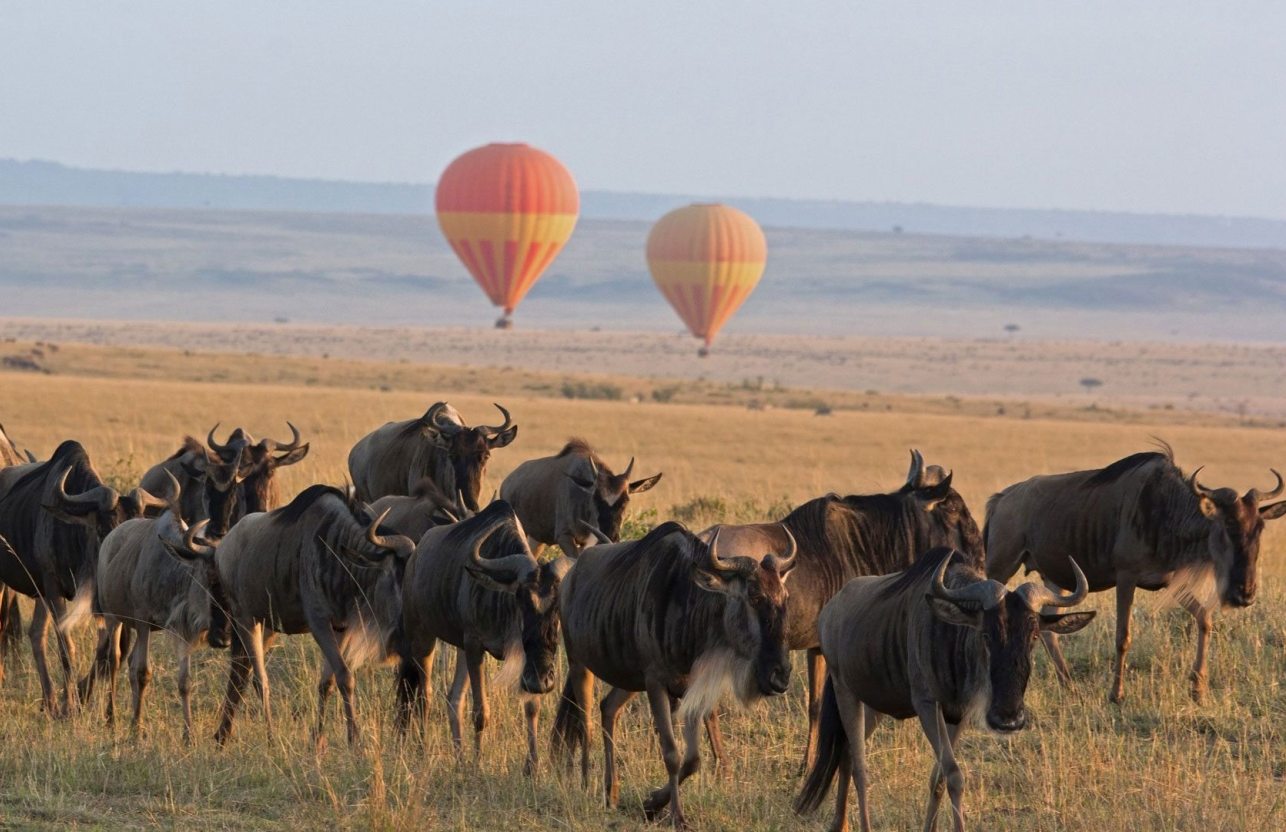
The Great Migration is neither a single event nor a predictable spectacle. It is a perpetual loop: a clockwise circuit across the Serengeti-Mara ecosystem driven entirely by rainfall and the green grass that follows it. In the southern Serengeti and Ndutu plains, the short rains of November and December produce a flush of nutritious new growth that draws the herds south from October onward. The calving season begins in late January and peaks through February, typically in the Ndutu area straddling the Serengeti and Ngorongoro Conservation Area, and for six weeks the plains are alive with hundreds of thousands of newborn wildebeest, their wobbly legs drawing every predator within range. It’s one of the least crowded and most photogenic times of the migration cycle.
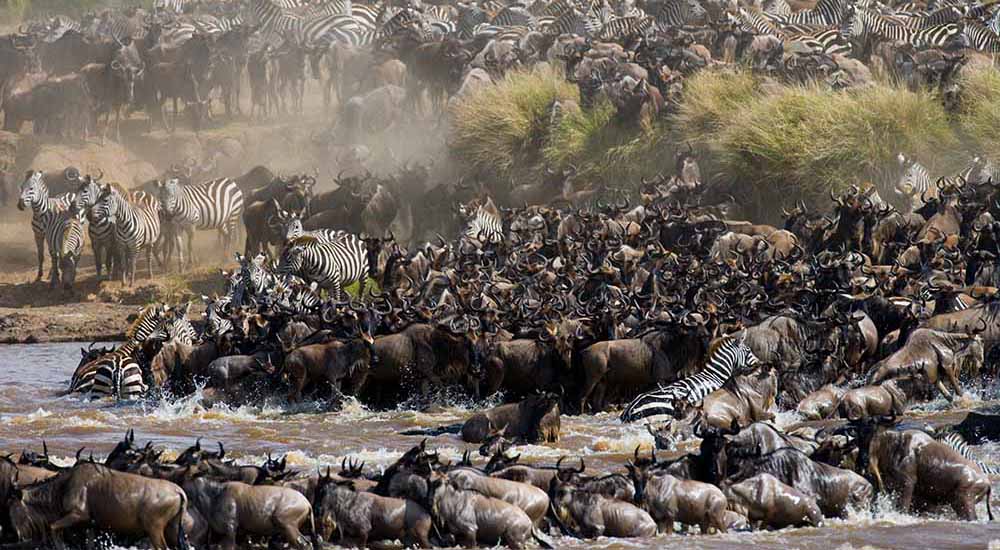
By March and April, the herds begin their northward drift, moving through the western corridor of the Serengeti toward the Grumeti River, where massive Nile crocodiles await their first crossings in June. The northern Serengeti, particularly the Lamai Wedge and Kogatende areas near the Kenyan border, hosts the famous Mara River crossings from July through October, as the herds push into the Maasai Mara and then swing back south before the short rains return. Every month of the year, there is exceptional wildlife viewing somewhere in this system. The question is never whether to go; it is where and with whom.
How the Serengeti Great Migration Safari Differs From What You Have Seen on Television.
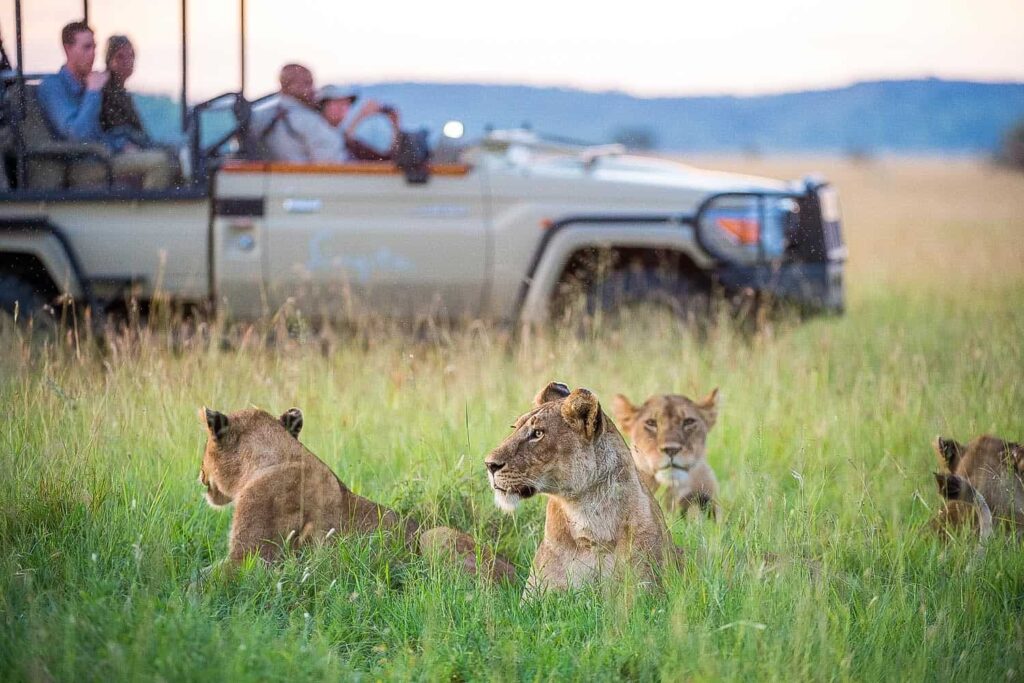
Television footage compresses months of movement into ninety dramatic minutes. What the documentaries cannot show you is the quality of silence between the crossings, the way a lion pride sleeps through the afternoon heat with the kind of absolute, boneless relaxation that only true apex predators possess, or the way a cheetah mother teaches her cubs to hunt on the open plain in the hour before sunset. The Tanzania Great Migration safari is as much about the in-between moments as the set pieces. It is about your guide reading the landscape, a vulture circling three kilometers away, a change in the wind, and the way the zebras have suddenly stopped grazing and repositioning before the drama unfolds so that you are there when it does.
Our itinerary builds in the time for these moments. We do not fill your schedule with compulsory activities. We trust our guides, trust the bush, and trust that if you give the Serengeti enough attention, it will always show you something worth remembering.
The Migration Intelligence Advantage on Every Tanzania Safari
Most Tanzania safari operators assign their guides a fixed itinerary in January and run it unchanged until December. The herds do not cooperate with fixed itineraries. Our model is fundamentally different: we maintain a real-time network of contacts across the Serengeti guides, rangers, and conservation researchers who report herd positions and crossing activity throughout the year. Before you depart, we brief you specifically. During your safari, if conditions change and a different section of the ecosystem offers dramatically better opportunities, we move the camp. Our mobile camp infrastructure exists precisely to enable this flexibility. The migration does not wait for you; your safari should be able to follow it.
Private Camp Positioning That No Lodge Can Match
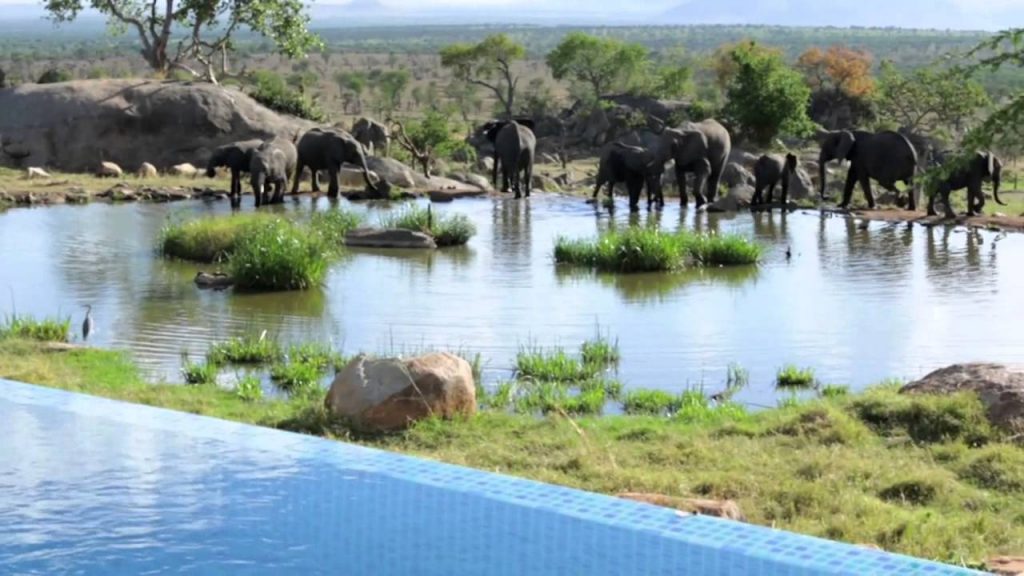
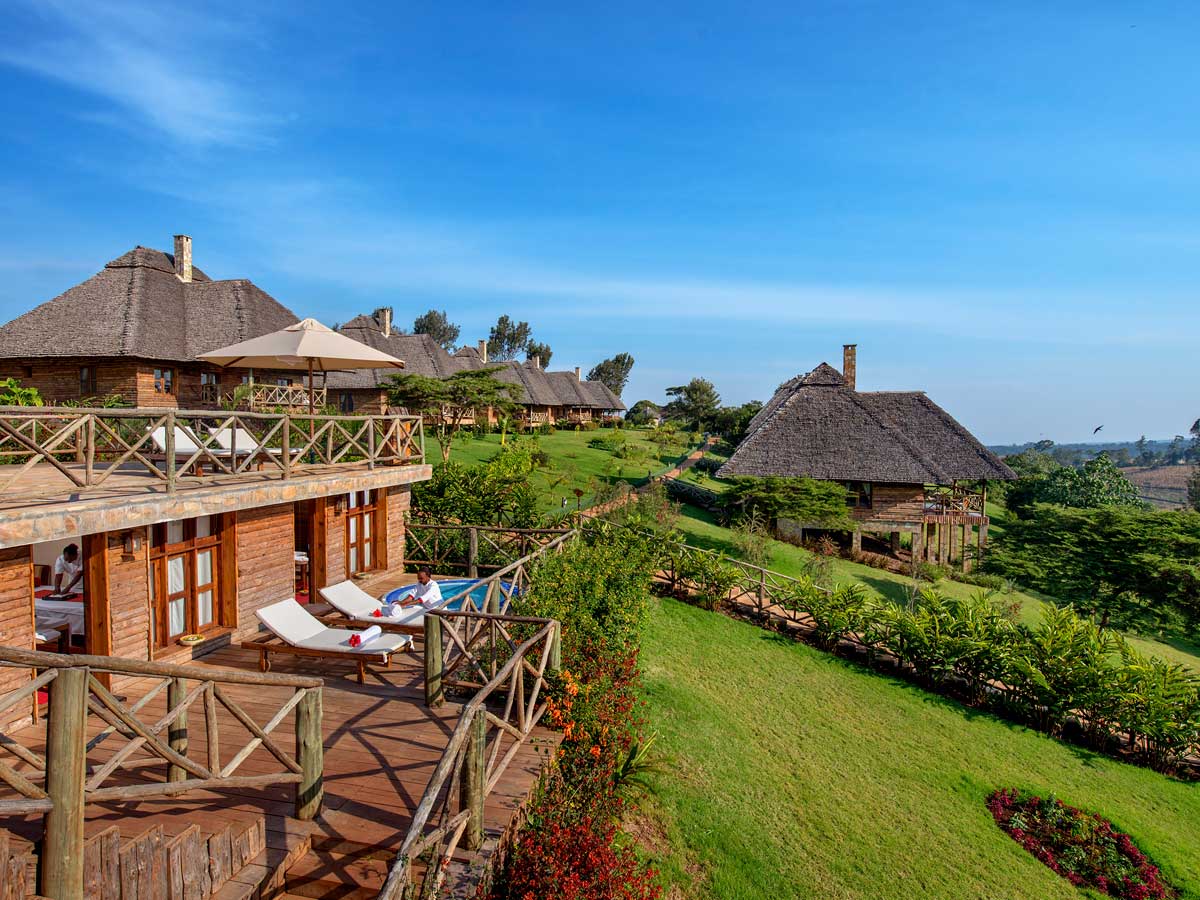
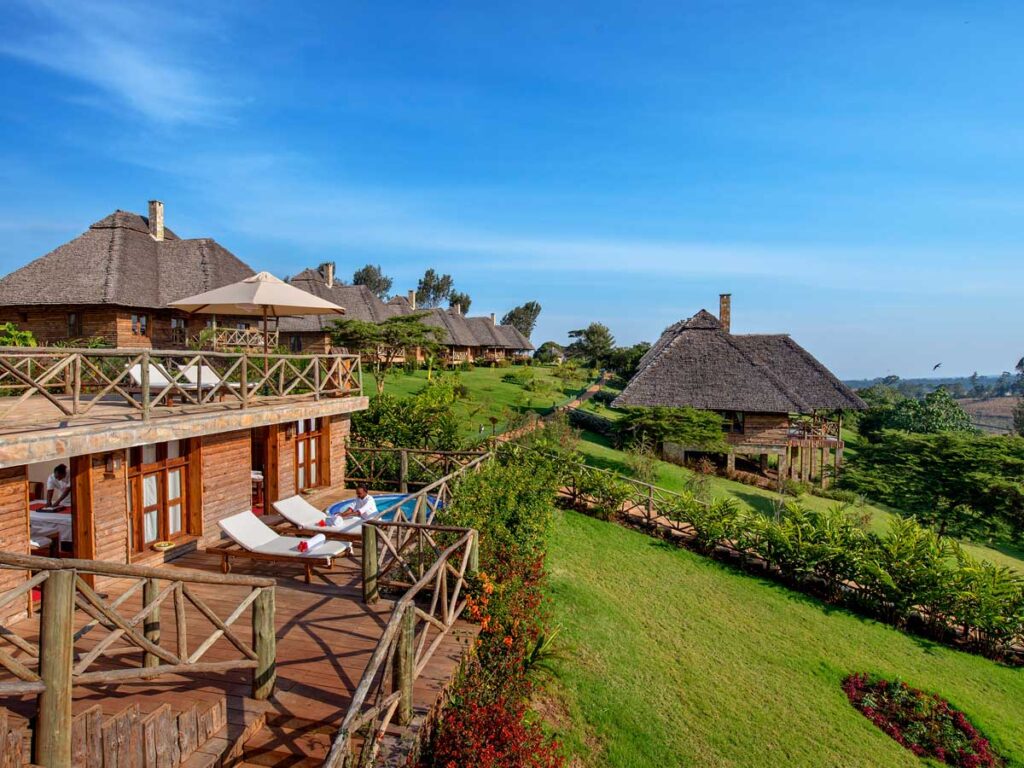
The Serengeti’s permanent lodges are built in fixed locations, which means their game-drive options are limited by how far a vehicle can reasonably travel and return in a single day. Our private mobile migration camp is positioned within the active migration zone itself, typically within two to five kilometers of where the herds are currently concentrated, and its position can shift between seasons as needed. Guests who stay in our Serengeti camp do not spend the first hour of every morning driving to find the wildlife; they open their tent and see it from the veranda. That spatial intimacy changes everything about the experience.
Small Group Size for the Tanzania Great Migration Safari Experience
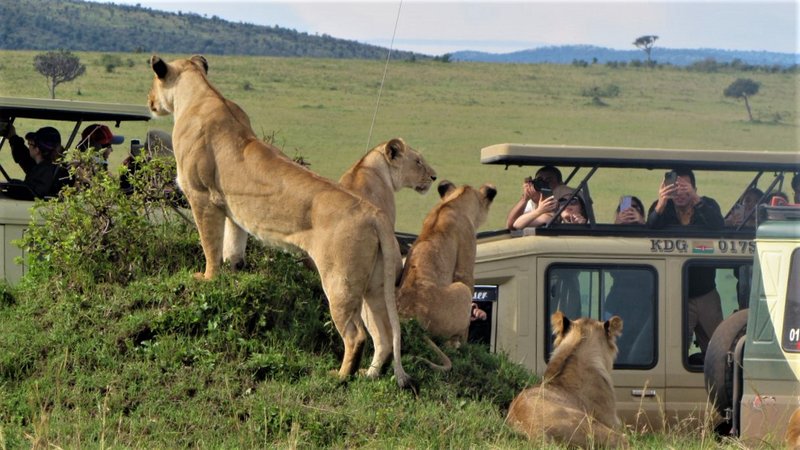
We operate all private programs with a maximum of six guests per vehicle, with no minimum if you are booking privately. This is not a marketing statement; it is the foundation of what makes the safari work. Six guests mean a vehicle that can position precisely, not circling with eleven other vehicles around the same lion, as happens in the national reserve’s public zones. It means your guide can read what you consider most intriguing and focus there. It means nobody misses a sighting because they were on the wrong side of the vehicle. We base our private Tanzania safari model on the understanding that sharing wildlife encounters with strangers does not enhance the experience.
Expert Tanzania Safari Guiding With Deep Serengeti Knowledge
Our lead guides have spent between ten and twenty years working the Serengeti ecosystem. They know the named lion prides of the central Serengeti, the specific kopjes where cheetah mothers raise their cubs in the dry season, and the crossing points on the Mara River that the crocodiles prefer and the ones the wildebeest use when the crocs are absent. This knowledge is not available from a guidebook or a briefing document; it is accumulated through thousands of hours in the field, and it is the single most important determinant of the quality of your safari.
Tanzania Great Migration Safari: Season by Season Guide
The Calving Season Tanzania Safari (January–February)

The southern Serengeti and Ndutu area. Up to half a million wildebeest calves born across six weeks. Lion prides, cheetah families, and hyena clans concentrated in the richest hunting grounds on Earth. Fewer international visitors than the July–October peak. The photography conditions of wide skies, low light, and open grassland are exceptional. This time of year is our most requested season for travelers combining the Tanzania Great Migration safari with Ngorongoro, because both areas are at their most spectacular simultaneously. See our calving season safari guide for the complete breakdown.
The River Crossing Tanzania Safari (July–October)
The northern Serengeti and the Mara River. The famous crossings happen between July and October as the herds push north into Kenya and return south again. Crossings are unpredictable; the wildebeest may stand at the riverbank for six hours before committing or plunge in within minutes of arriving. Your guide’s reading of the situation, watching the herd leaders, assessing the crocodile positions, and judging the water level determine where you position yourself and how long you wait. When the crossing happens, the noise, the movement, and the sheer biological intensity of it are beyond any description we could offer here. This period is the peak season for first-time Tanzania Great Migration safari visitors.
The Shoulder Season Tanzania Safari (November, March–June)
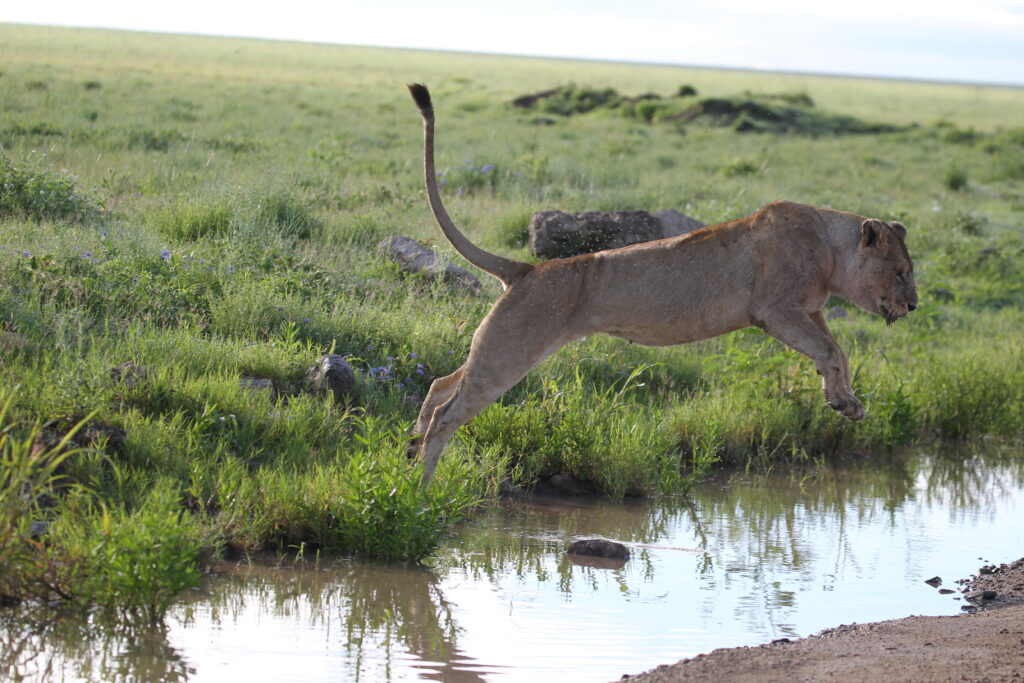
Often underrated. November brings the short rains, transforming the Serengeti into a vivid green, filling the pans and bringing migrant birds from Europe and Asia. March through May sees the herds moving north through the western corridor, with Grumeti River crossings beginning in June, less famous than the Mara crossings but no less dramatic and with a fraction of the visitor numbers. The shoulder season is ideal for travelers who prioritize solitude and value for money and who are willing to accept that the exact spectacle of their Tanzania safari will be slightly different from the peak-season version. Our complete Tanzania safari seasons guide covers every month in detail.
What exactly is the Great Migration, and why does it happen?
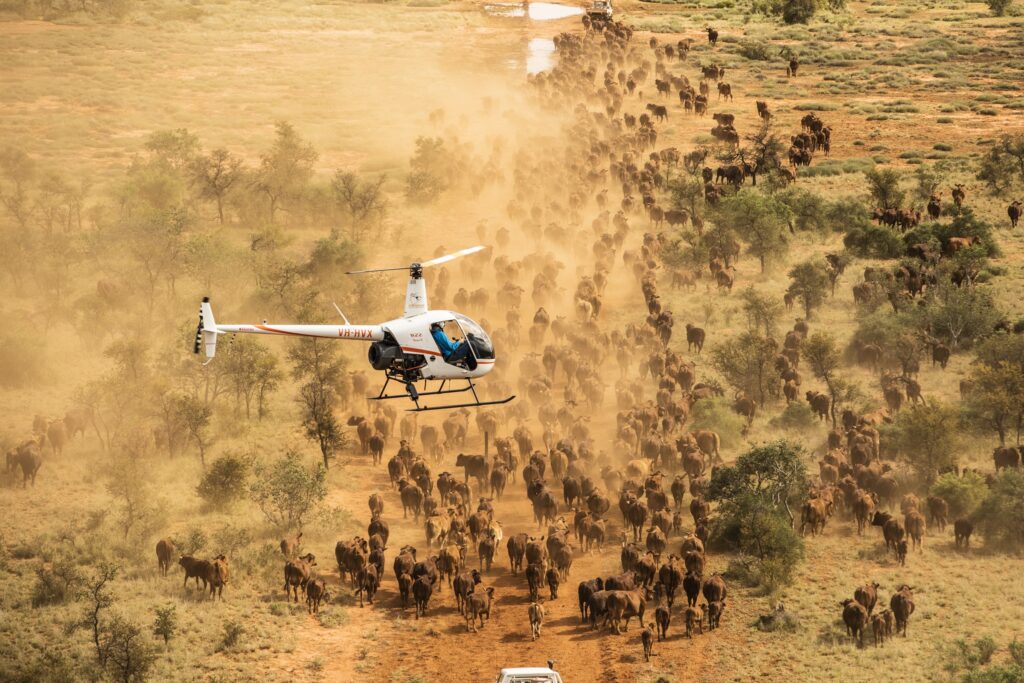
The Great Migration is the largest overland movement of large mammals on Earth: approximately 1.5 to 2 million wildebeest, along with around 200,000 zebras and 400,000 Thomson’s gazelles, moving continuously around a 1,800-kilometer circuit across Tanzania’s Serengeti and Kenya’s Maasai Mara. The movement is driven entirely by rainfall. Wildebeest follow the flush of new grass that sprouts after each seasonal rainfall, moving from the nutrient-rich short-grass plains of the southern Serengeti (January to March) northward through the western corridor (April to June) to the Mara River crossing zones (July to October) and back south again with the short rains (November to December). The migration is not a single annual event but a continuous, year-round cycle.
When is the best time to go on a Tanzania Great Migration safari?
There is no single best time; there is the best time for what you specifically want to see. For calving and the greatest predator activity, January and February in the southern Serengeti are unmatched. For dramatic Mara River crossings, July through October in the northern Serengeti is the classic choice. For fewer crowds and beautiful green landscapes, November and the March-June shoulder season offer exceptional value and intimacy. We build itineraries around your specific travel dates and ensure you are positioned in the area of the Serengeti that offers the highest-probability migration experience for your exact window.
How is a private Tanzania safari different from a group tour for the migration?
On a group tour you share a vehicle with people you have not met, follow a fixed itinerary that cannot adapt to real-time migration intelligence, and contend with the same crowded crossing points and lodges that every other operator uses. On a private Tanzania Great Migration safari with us, your vehicle carries only your group, your itinerary is designed and adjusted around current herd positions, your camp is positioned inside the migration corridor rather than beside it, and your guide’s attention is entirely directed at your group’s specific interests and pace. The difference in quality is not marginal; it is fundamental.
What is a Mara River crossing, and is it guaranteed to happen during my Tanzania safari?
A Mara River crossing occurs when a mass of wildebeest reaches the riverbank during the northern phase of the migration (July–October) and, after an often extended period of milling, hesitation, and leadership struggles, commits to crossing the crocodile-patrolled water to reach the grazing on the opposite side. Crossings are among the most dramatic events in the natural world: violent, noisy, unpredictable, and ecologically ancient. They are not, however, guaranteed. The herds cross when they choose, not when visitors prefer. A crossing can happen three times in a day, or a guide can wait for six days before the herds move. We manage this uncertainty by positioning you close to the most active crossing zones and maintaining daily contact with ranger networks tracking herd positions. Most guests who spend four or more days in the northern Serengeti during this season witness at least one crossing of significant scale.
Can a Tanzania Great Migration safari be combined with other destinations?
Absolutely. The most natural combinations are Zanzibar for a beach extension after the safari, which we arrange seamlessly from the Arusha departure; Tarangire National Park, which hosts its own extraordinary elephant congregation and significant resident wildlife; or a cross-border extension into Kenya’s Maasai Mara to follow the herds north during the July–October season. We also design integrated East Africa itineraries that combine a Tanzania Great Migration safari with our Kenya conservation safari for travelers who want the full range of East Africa’s wildlife experiences in a single journey.
What do I actually need to pack for Tanzania’s Great Migration safari?
The Serengeti requires very little and rewards light travel. Safari clothing in neutral earth tones like khaki, olive, and tan is practical rather than merely aesthetic; bright colors can disturb wildlife. A good pair of binoculars is the most important piece of equipment you can bring, at a minimum 8×42 magnification; 10×42 is preferred. Camera gear is a matter of personal ambition, but a lens of at least 300mm focal length will significantly improve your wildlife photography. The Ngorongoro rim requires a warm layer, as temperatures drop sharply at 2,400 metres altitude, particularly at night. Internal charter flights typically have a luggage allowance of fifteen kilograms per person in a soft bag. We brief all guests on these matters in detail before departure and arrange generous allowances wherever possible.
Is the Tanzania Great Migration safari suitable for children?
Yes, with the appropriate itinerary design. In our experience, most children who are genuinely interested in wildlife find the Serengeti to be one of the most captivating environments they have ever encountered. We recommend a minimum age of eight for vehicles on the migration circuit, and we can adapt the program to include shorter drives, more interactive activities, and age-appropriate interpretation from the guide. Our Tanzania family safari covers the specific design principles we apply when children are part of the group.
How do I ensure I see the actual river crossings on a Tanzania migration safari?
Position, timing, and patience are the three variables, and the first two are within our control. We monitor crossing activity in real time through our ranger and guide network and position the camp as close to active crossing zones as conditions allow. The third variable, patience, we have found, is something the Serengeti teaches efficiently. Guests who come expecting a schedule tend to find the crossings on the second or third day once they have relaxed into the bush’s own rhythms. Guests who allow the guide to read the situation and reposition as needed, without imposing a timeline, almost always find what they came for.
Begin Planning Your Tanzania Great Migration Safari
The Great Migration has been happening on these plains for millennia. It will happen whether you are there to witness it or not. The question is whether, when you finally stand at the bank of the Mara River with two hundred thousand wildebeest moving through the water around you, you are there because you booked the first thing that came up in a search or because someone who knows this landscape built you a journey worthy of it.
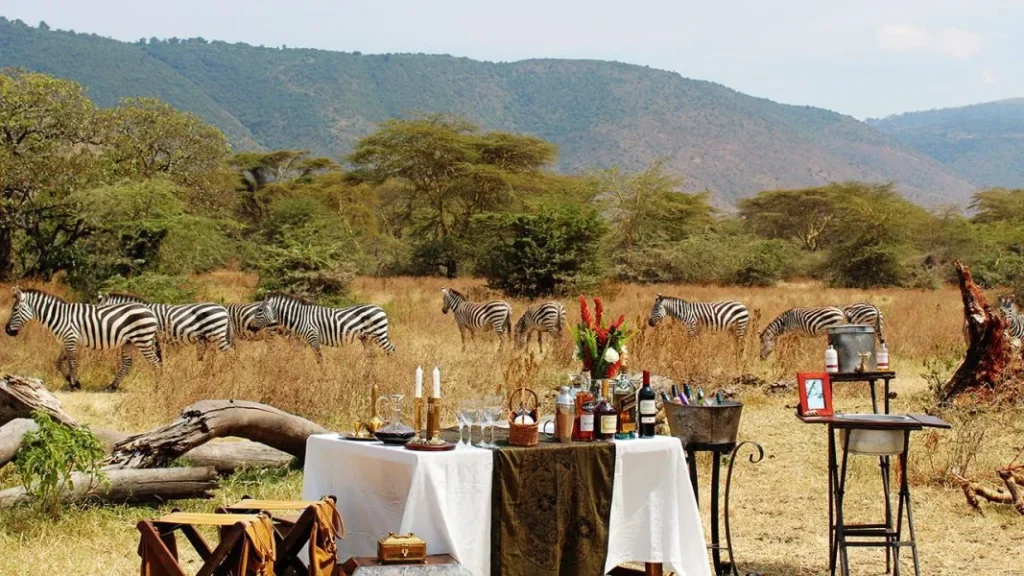
Luxury Safaris Tanzania does not operate group departures. Every Tanzania Great Migration safari we design is built from nothing around your travel dates, your group, the specific season’s migration intelligence, and the experiences that matter most to you. We have guides who have spent decades in the Serengeti. Our infrastructure for mobile camps follows the herds. We have relationships with Maasai communities, conservation researchers, and crater ecologists that allow us to offer access and insight our competitors simply cannot match.
Contact our team today and tell us when you want to go. We will tell you where the migration will be, what to expect, and how to get you there. The conversation costs nothing. The safari, done properly, is worth everything.
You can also explore our full range of Tanzania safaris, compare Tanzania and Kenya as safari destinations, or browse our Serengeti guides and expert insights to begin your research. We are available by email, phone, or WhatsApp, and we respond within one working day.
The wildebeest are already moving. The only question is whether you will be there when they do.