Extending the Uganda & Rwanda Gorilla Safari: Making It Even More.
Akagera National Park: Rwanda’s Big Five Safari
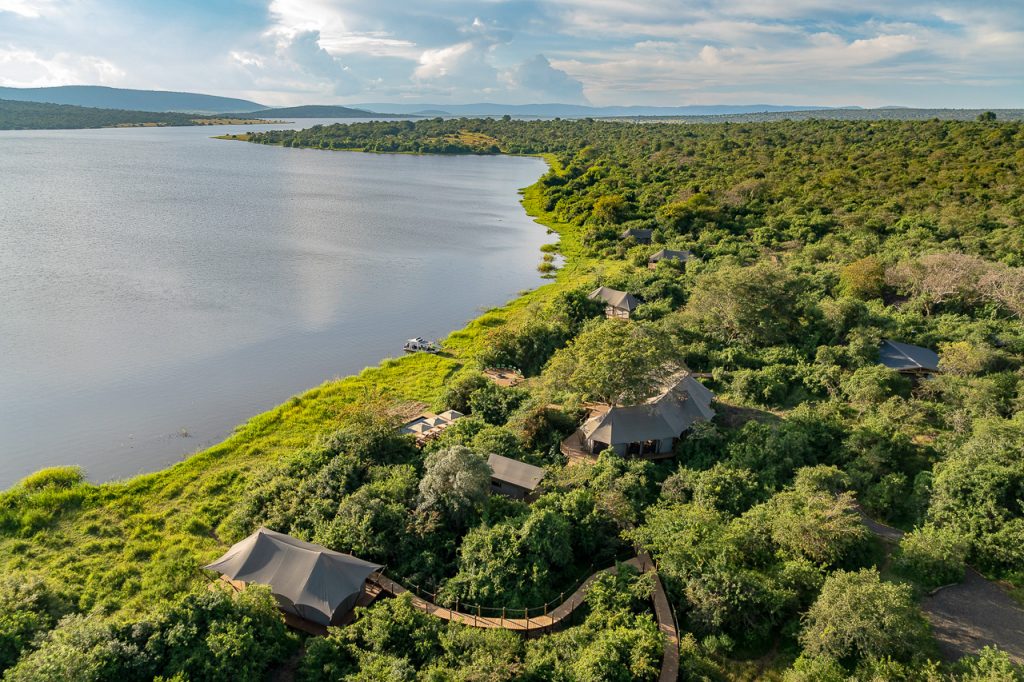
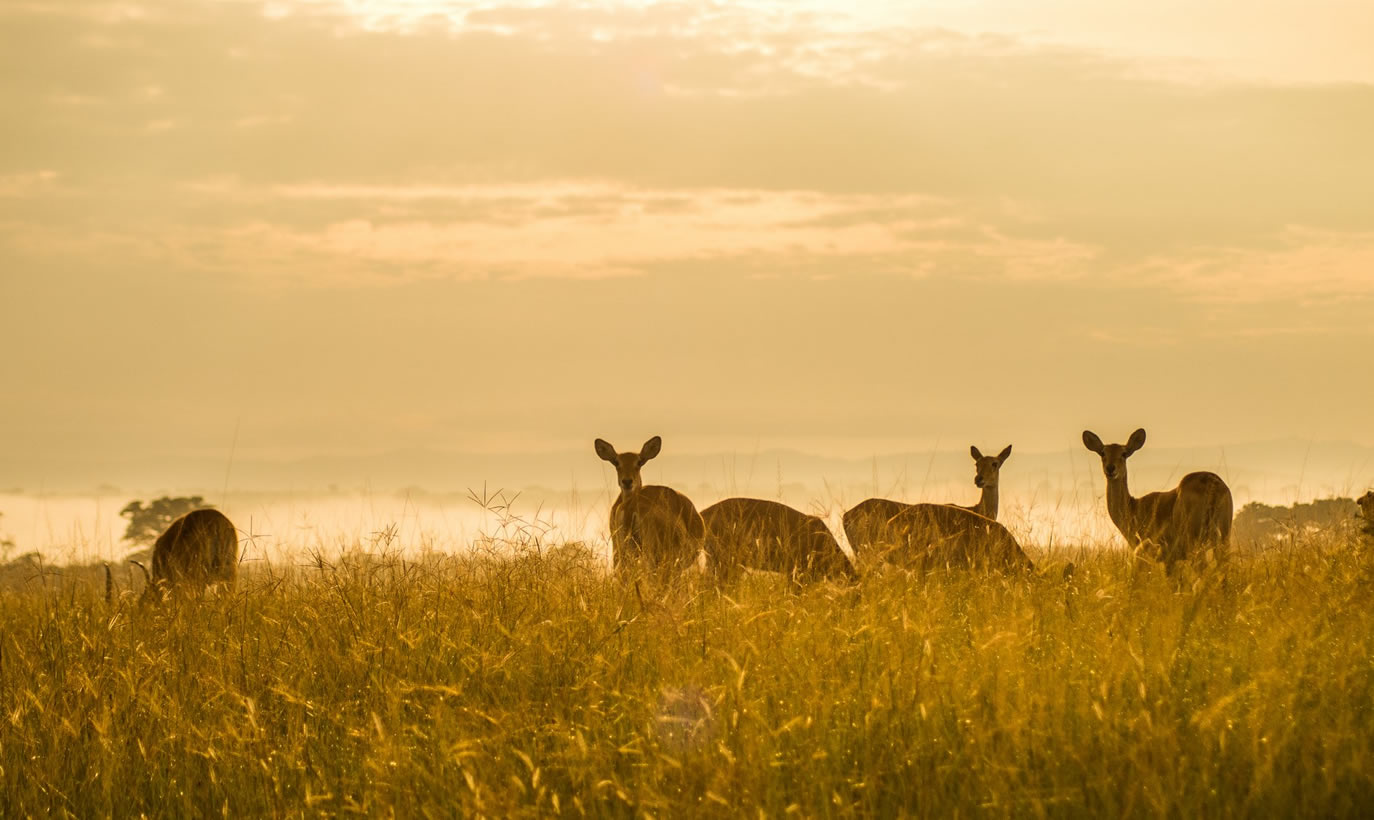
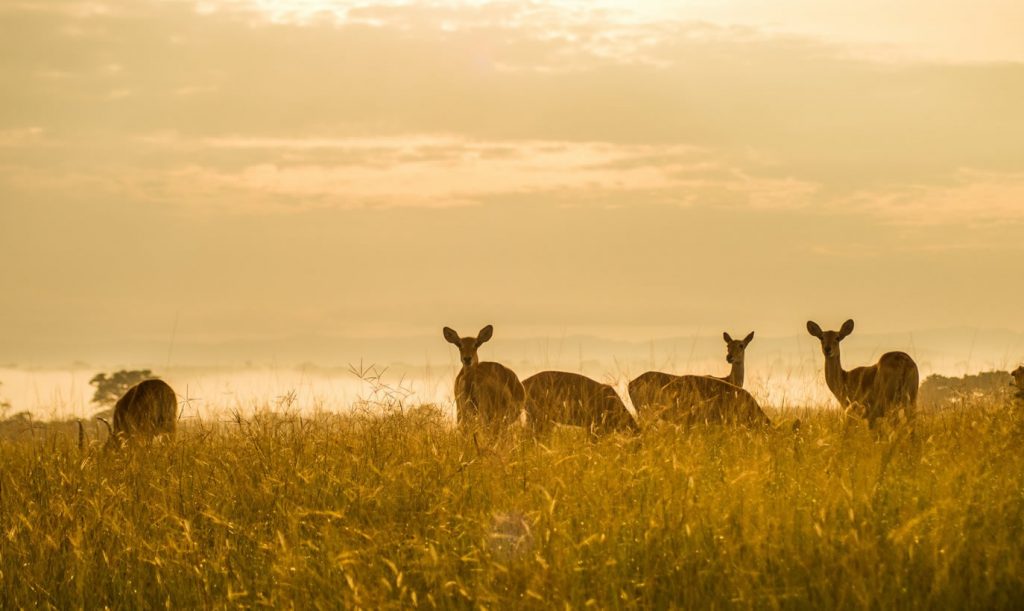
Akagera National Park in eastern Rwanda offers one of Africa’s most compelling conservation success stories and genuinely excellent game viewing for guests who want to round out their Rwanda experience with classic savannah wildlife before flying home. Lions were reintroduced in 2015 after an absence of several decades; black rhinos followed in 2017; and the park’s population of elephants, buffalo, zebra, topi, and various antelope species has been growing steadily under the management of African Parks. Set against a landscape of papyrus-fringed lakes and rolling savannah, it looks and feels more like Botswana than a country of a thousand hills, and the contrast with the forest ecosystem of Volcanoes NP is striking. A two-night extension adds an entirely different dimension to the Rwanda experience.
The Grand East African Circuit: Adding Tanzania
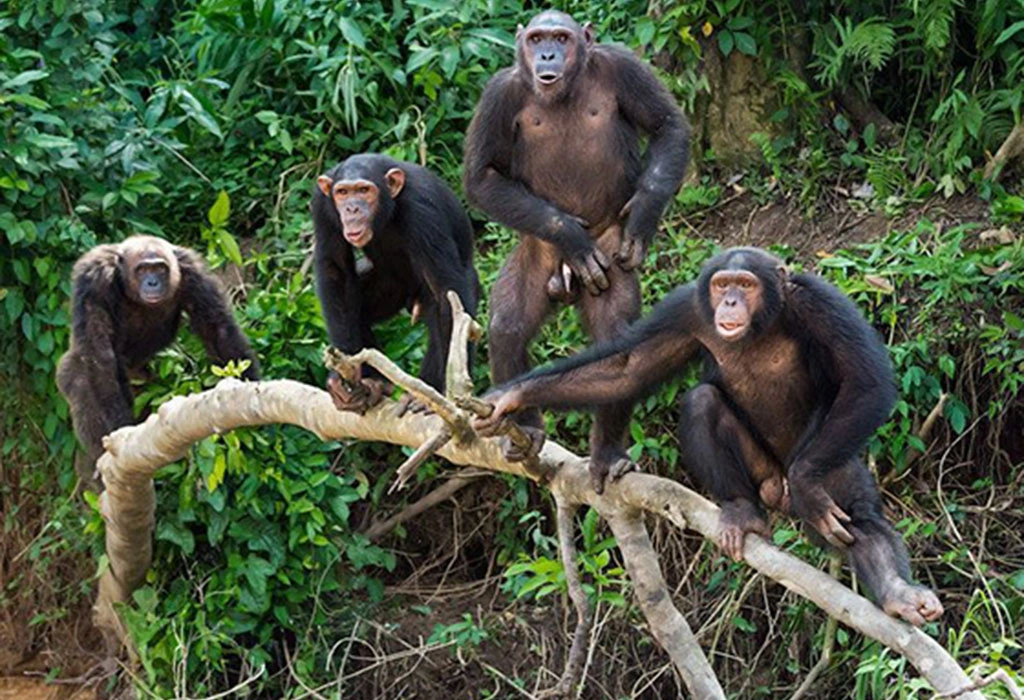
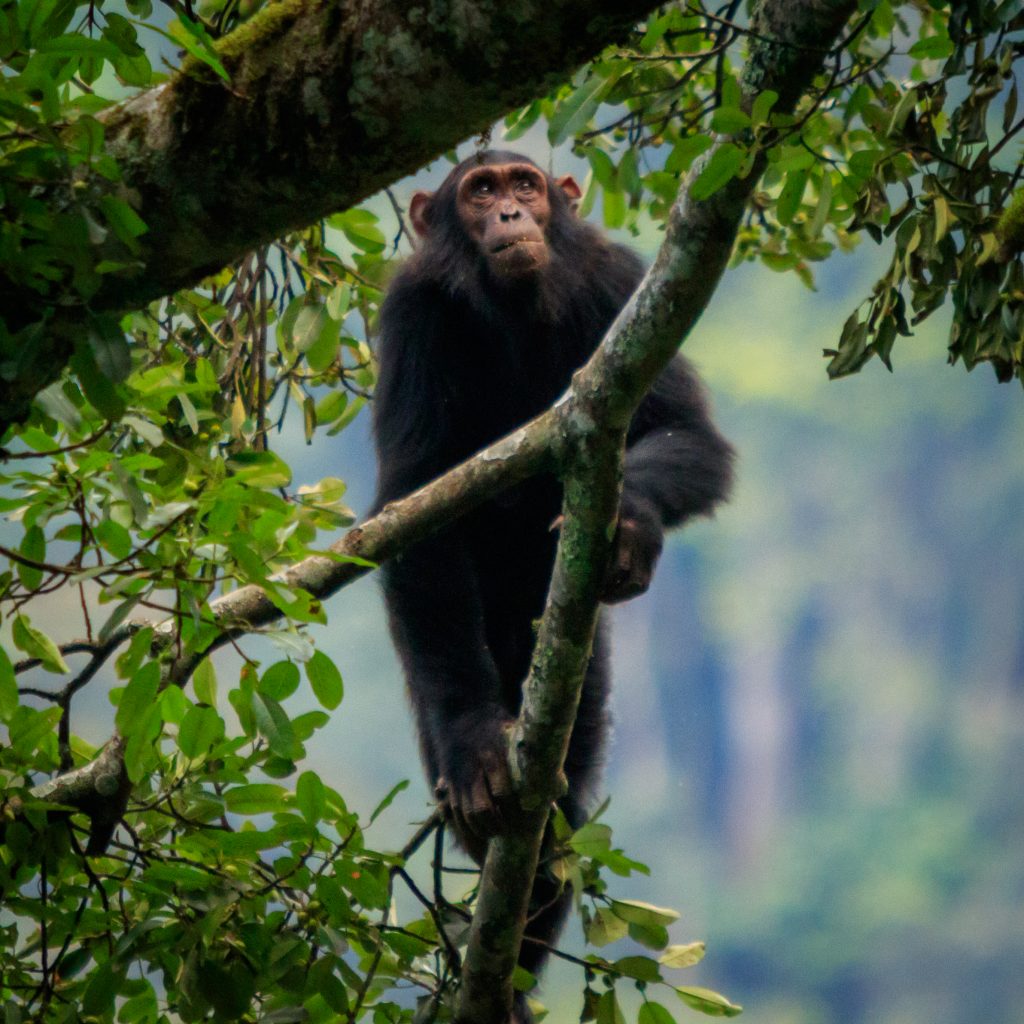
This Uganda-Rwanda primate itinerary works perfectly for travelers who have the time and want to see a lot of East African wildlife, especially when combined with a unique wildlife trip in Tanzania. The Serengeti National Park and Ngorongoro Conservation Area form the core of the classic Tanzania circuit, home to the legendary wildebeest migration, to all five members of the Big Five in extraordinary density, and to some of the most dramatic landscapes in Africa. For primate enthusiasts, Tanzania also offers its own remarkable chimpanzee experiences: Gombe National Park, where Jane Goodall’s foundational research began in 1960, and Mahale Mountains National Park on the shore of Lake Tanganyika, where some of the most habituated chimpanzee communities in Africa live in a setting of almost implausible beauty. Conclude with a restorative week on Zanzibar, and you have an itinerary that covers more of Africa’s essential experiences than most travelers see in a lifetime. We design our combined multi-country safaris to embody this ambitious and deeply satisfying approach.
Frequently Asked Questions About Uganda and Rwanda Gorilla Safaris
What is the difference between gorilla trekking in Uganda and Rwanda?
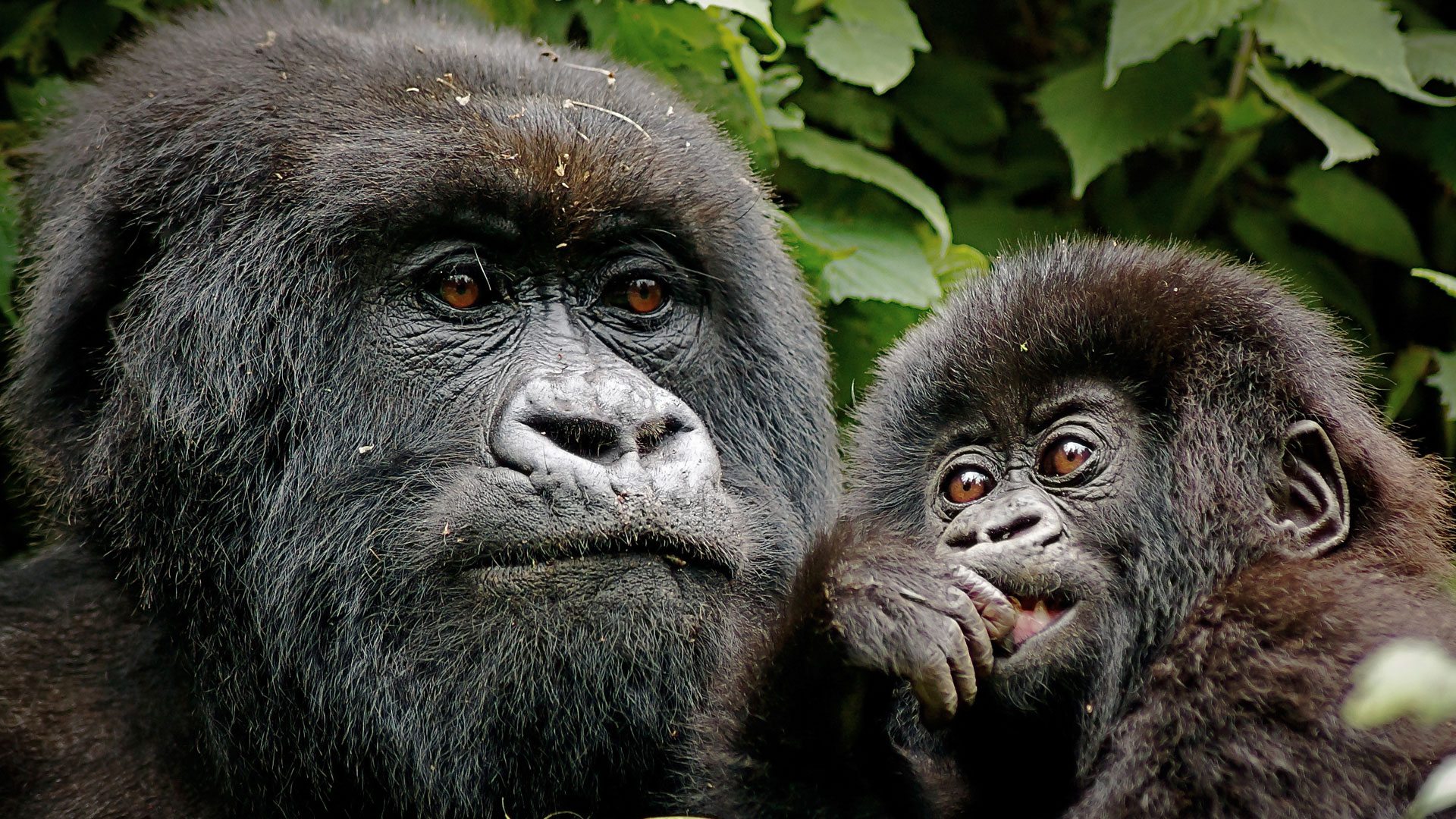
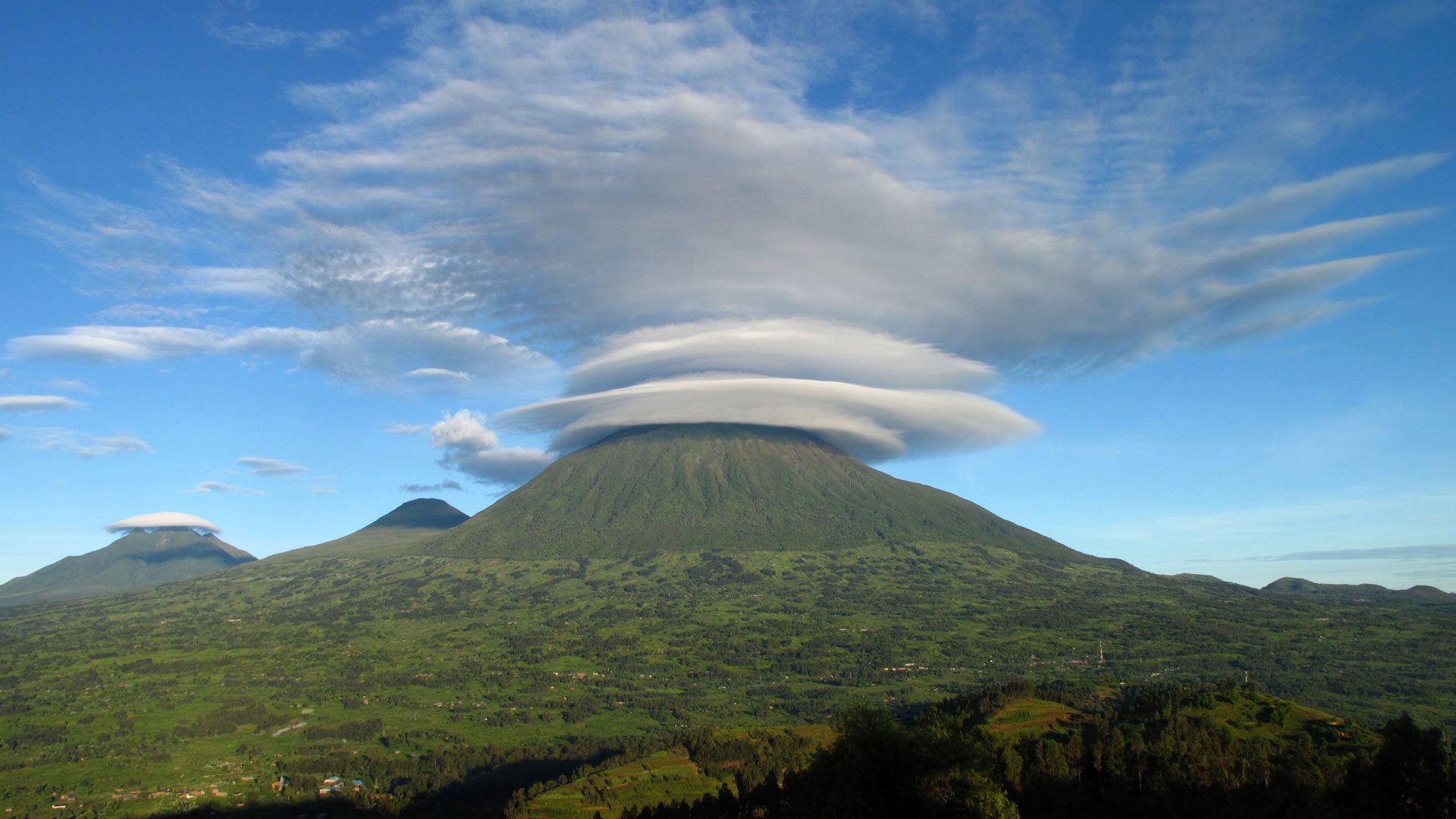
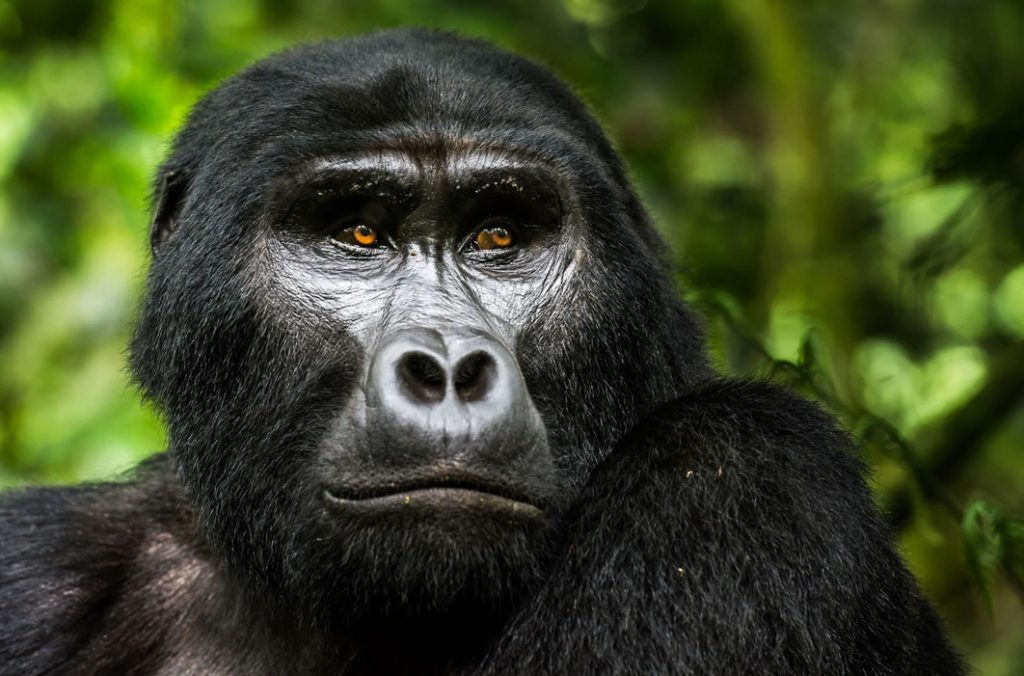
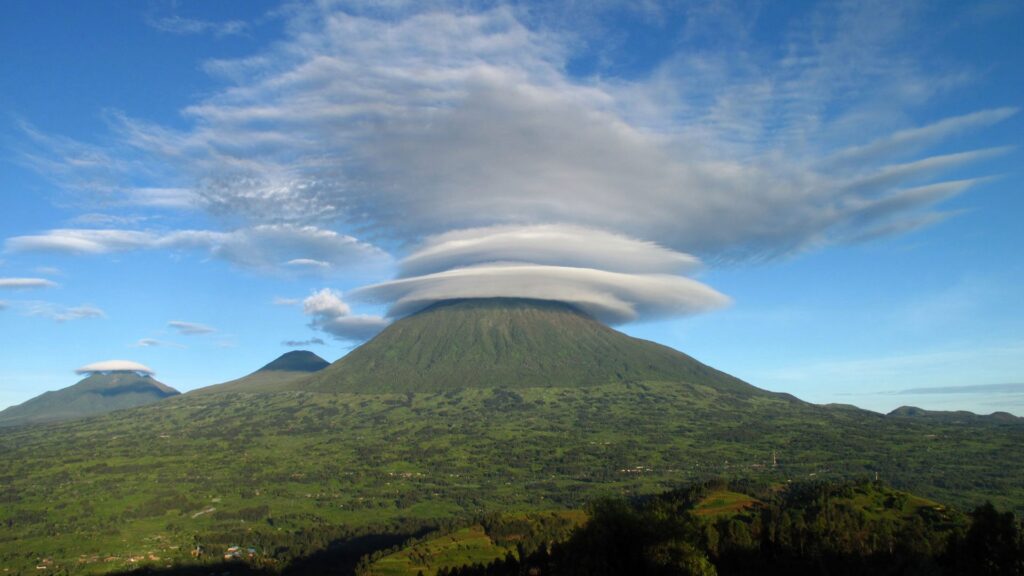
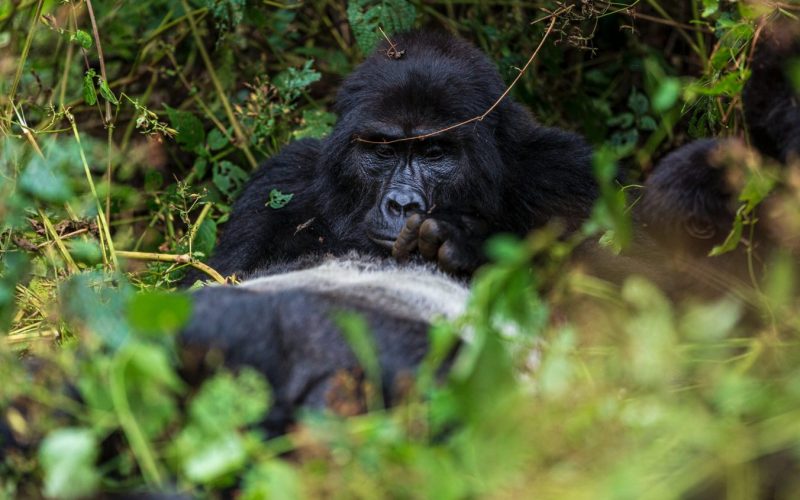
Mountain gorillas inhabit a single continuous ecosystem spanning the shared border of Uganda, Rwanda, and the Democratic Republic of Congo, so in one sense the animals are the same. In practice, however, the trekking experience differs meaningfully between the two countries. Uganda’s Bwindi Impenetrable National Park is denser, darker equatorial rainforest at lower altitude; tracking here can be more physically demanding, and the forest is more challenging to move through, but gorilla densities are higher, and the sense of true wilderness is pronounced. Rwanda’s Volcanoes National Park sits higher on the volcano flanks, with a more open bamboo and Hagenia forest ecosystem, easier accessibility from Kigali, and the added historical resonance of Dian Fossey’s research legacy. Rwanda’s permits (currently $1,500 USD per person) are pricier than Uganda’s ($700 USD), partly reflecting higher infrastructure investment and a smaller number of available permits. For the traveler with sufficient time, doing both provides a genuinely comparative experience that reveals the full scope of mountain gorilla habitat and behavior. This 13-day itinerary is specifically designed to achieve that.
What is the current population of mountain gorillas in the world, and is trekking safe for them?
Approximately 1,100 mountain gorillas remain in the wild, distributed across three countries: Uganda, Rwanda, and the Democratic Republic of Congo. This population has grown over the past twenty years from around 620 individuals in the late 1980s to over a thousand today thanks in large part to sustained, well-managed conservation tourism. Gorilla trekking permits directly fund national park management, ranger salaries, anti-poaching operations, and community benefit programs that give local populations an economic stake in the forest’s survival. The trekking rules are designed to minimize disease transmission risk (a significant concern given gorillas’ genetic proximity to humans): groups are limited to a maximum of eight visitors, encounters are capped at one hour, mandatory distances are maintained, face masks are worn throughout the encounter, and anyone showing signs of illness is excluded from trekking that day. Conservation tourism has not merely been compatible with gorilla population recovery; the evidence strongly suggests it has been one of its primary drivers.
How strenuous is gorilla trekking, and can older or less fit travelers do it?
Gorilla trekking ranges from a moderate forty-five-minute walk to a three-hour climb through steep, wet, sometimes genuinely difficult rainforest terrain. The difficulty of any specific trek is unpredictable in advance because the gorillas move daily, and the distance from the briefing point to the family’s location on any given morning depends entirely on where they have chosen to sleep. Travellers in reasonable health and capable of walking for several hours on uneven ground can typically manage it, particularly with the support of a local porter, a carrying assistant hired from the surrounding community who assists with bags, offers a supportive arm on steep ground, and provides an additional employment benefit to the local economy. Porters are highly recommended for all guests and are a standard feature of our private itineraries. For guests with specific physical concerns or mobility limitations, we discuss the available options carefully during the planning process and can match you to gorilla family permits that typically involve shorter, less demanding approaches. Trekkers must be at least fifteen years old; no upper age limit applies, provided general fitness is adequate.
What is the golden monkey, and why does it warrant an entire morning of the itinerary?
The golden monkey (Cercopithecus kandti) is a critically endangered Old World monkey endemic to the Albertine Rift, meaning it exists in the wild only in the volcanic forests of Uganda, Rwanda, and adjacent DRC. Its most distinctive feature, the vivid orange-gold coloration across its back and flanks contrasting with the jet-black face and limbs, makes it one of Africa’s most visually striking primates. A habituated community lives in the bamboo zone of Rwanda’s Volcanoes National Park, making it accessible to visitors, and the morning’s trek to observe them is typically shorter and less demanding than gorilla trekking. Golden monkeys spend much of their time in the bamboo canopy, and watching them move and feed at close range, occasionally descending to ground level to investigate fallen fruit or simply to take a more direct route through the group’s territory, is one of the genuine pleasures of the Virunga primate experience. Including a dedicated golden monkey trek, rather than treating it as an incidental add-on, reflects our philosophy that every encounter deserves to be done properly, with enough time and expert guidance to experience it on its terms.
Is Rwanda safe for tourists, and what should visitors understand about the Genocide Memorial?
Rwanda is consistently rated one of the safest countries in Africa for international visitors. Kigali, in particular, is clean, well-organized, and has an extremely low crime rate by any regional comparison. The country has undergone one of the most remarkable transformations in modern African history since 1994, and the stability and development visible today are, in context, extraordinary. Visitors are expected to be respectful of local customs and regulations, and certain prohibitions on plastic bags, for example, which are banned nationwide, are enforced seriously. Thousands of Rwandans and international guests visit the Kigali Genocide Memorial annually, actively commemorating the site. We include it in this itinerary because we believe that visiting Rwanda without engaging with its history is a disservice to both the country and the traveler’s understanding of what they are seeing. Your guide will provide context and support throughout the visit. Don’t rush through this experience.
Begin Planning the Safari That Stays with You for the Rest of Your Life
Four gorilla treks. Two countries. Three wild chimpanzee encounters. Golden monkeys at dawn on a Rwandan volcano. The full force of Murchison Falls from above and below. Kigali, and the story of a nation’s remarkable survival. Thirteen days accumulate into something that most people, when they think back on it months later, describe as the best thing they have ever done.

Gorilla permits for both Uganda and Rwanda are finite, in high demand, and must be secured well in advance, particularly for peak season travel in the dry months of June through August and December through February. If you have a travel window in mind, now is the right time to start the conversation.
Reach us through our contact page or directly via WhatsApp at +255 684 031 321. Tell us your dates, your group size, and what matters most, and we will design an itinerary that delivers it, fully privately, with every detail handled.
We look after twelve years of experience and ten thousand satisfied travelers. We look after your permits, your accommodation, your aircraft seats, your community experiences, and your border crossings. We look after you.
All you have to do is show up and be present for what the forest gives you.
Contact Us to Start Planning Your Custom Uganda-Rwanda Gorilla Safari →