Discover Tanzania’s ultimate elephant safari in Tarangire National Park. Experience vast herds, intimate behavioral encounters, and luxury camps near the Tarangire River. Tarangire National Park is an ideal destination for travelers who are seeking exceptional experiences focused on elephants.
Tarangire National Park stands as Tanzania’s undisputed elephant stronghold. While the Serengeti commands global attention for migration drama, Tarangire quietly delivers one of Africa’s most remarkable elephant experiences. For travelers who want to witness large herds, observe complex social behavior, and photograph elephants against ancient baobab backdrops, Tarangire offers unmatched focus.
An elephant-focused luxury safari in Tarangire combines strategic dry-season timing, carefully selected camps near the river system, and private vehicle flexibility. When structured correctly, it becomes one of the most rewarding wildlife experiences in northern Tanzania.
Why Tarangire Is Tanzania’s Elephant Capital.
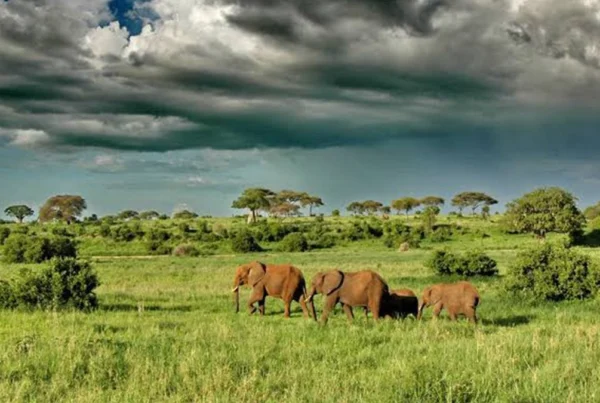
Tarangire supports one of the highest elephant densities in East Africa, particularly during the dry season between June and October. As seasonal water sources outside the park diminish, elephants migrate toward the permanent Tarangire River. This predictable movement concentrates large family groups within accessible viewing corridors.
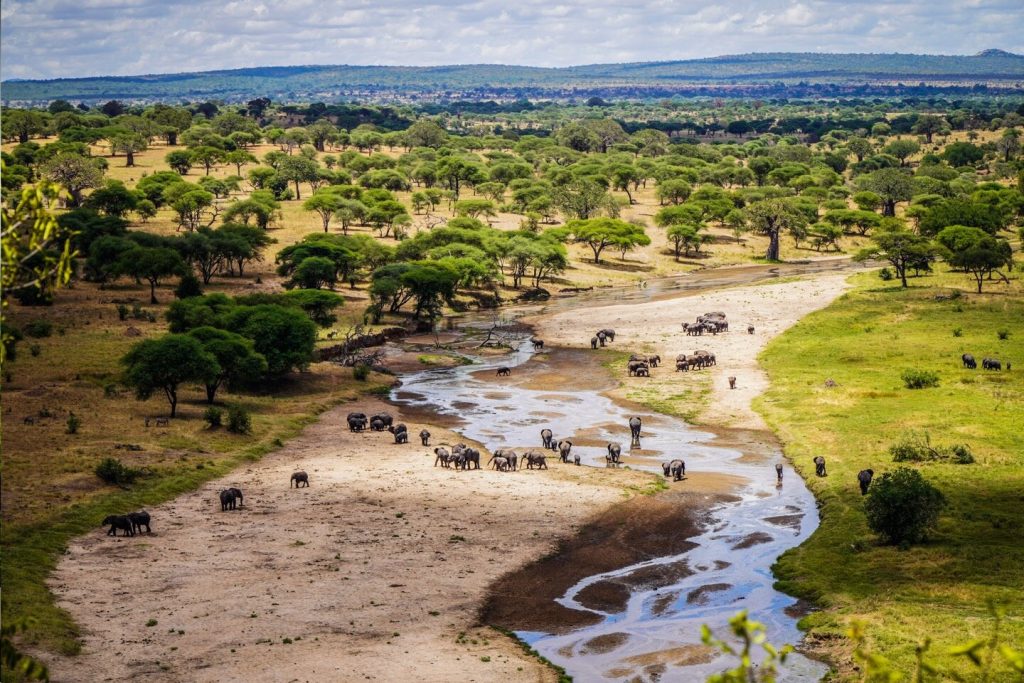
Tarangire River
You may encounter herds exceeding one hundred individuals moving together in layered formations. Mature bulls travel independently or form bachelor groups. Calves, which are young elephants, remain protected within the center of family units, guided by experienced matriarchs who lead seasonal movement decisions.
The consistency of these sightings makes Tarangire ideal for travelers who want more than a single elephant encounter. Here, elephants dominate the landscape.
Understanding Elephant Behavior in Tarangire
An elephant-focused safari goes beyond counting herd size. Tarangire allows time and space to observe behavioral detail. You may witness matriarchs checking the water depth before guiding younger members into the river. Calves often practice trunk coordination in shallow pools, while older juveniles spar playfully near the edges.
During dry months, dust bathing becomes common. Elephants coat themselves with red Tarangire soil to protect their skin from the sun and insects. These moments create striking photographic opportunities against the park’s golden light.
The presence of baobab trees adds visual drama. Elephants frequently strip bark from these ancient trunks, creating distinctive feeding scenes that feel uniquely Tarangire.

Elephant Herd in Tarangire National Park
A luxury itinerary allows time to remain at sightings long enough to appreciate these subtle interactions rather than moving quickly between encounters.
Designing the Ideal Elephant-Focused Itinerary
To maximize elephant viewing, positioning near the Tarangire River remains critical. Camps located within the park or along prime wildlife corridors reduce drive time and increase productive hours in the field.
A three- to four-night stay in Tarangire works best. Shorter stays may limit behavioral observation depth. Longer stays allow guides to track herd movement patterns and adjust daily routing strategically, which leads to a more comprehensive understanding of wildlife behavior and enhances the overall safari experience.
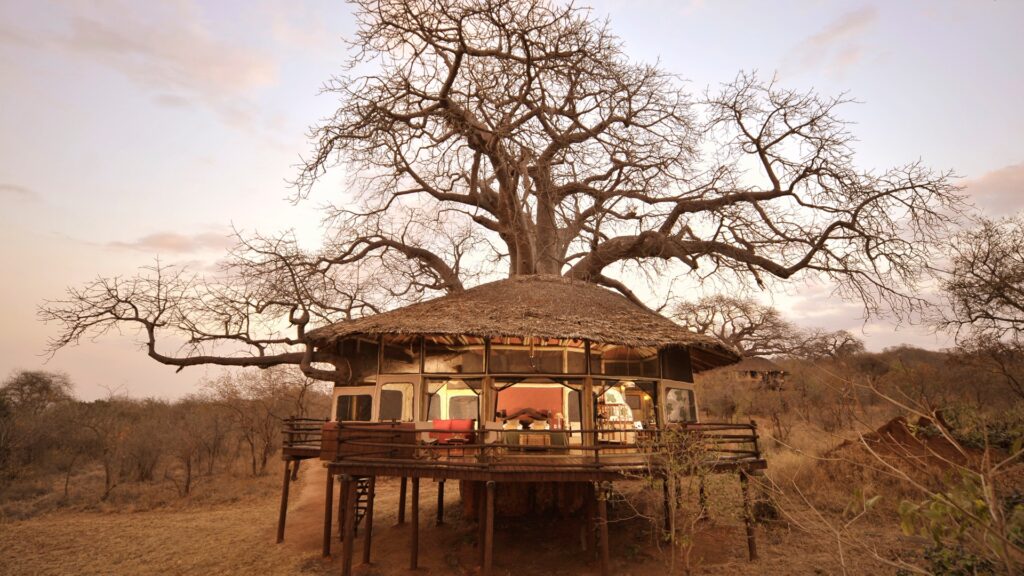
Where to stay in Tarangire National Park
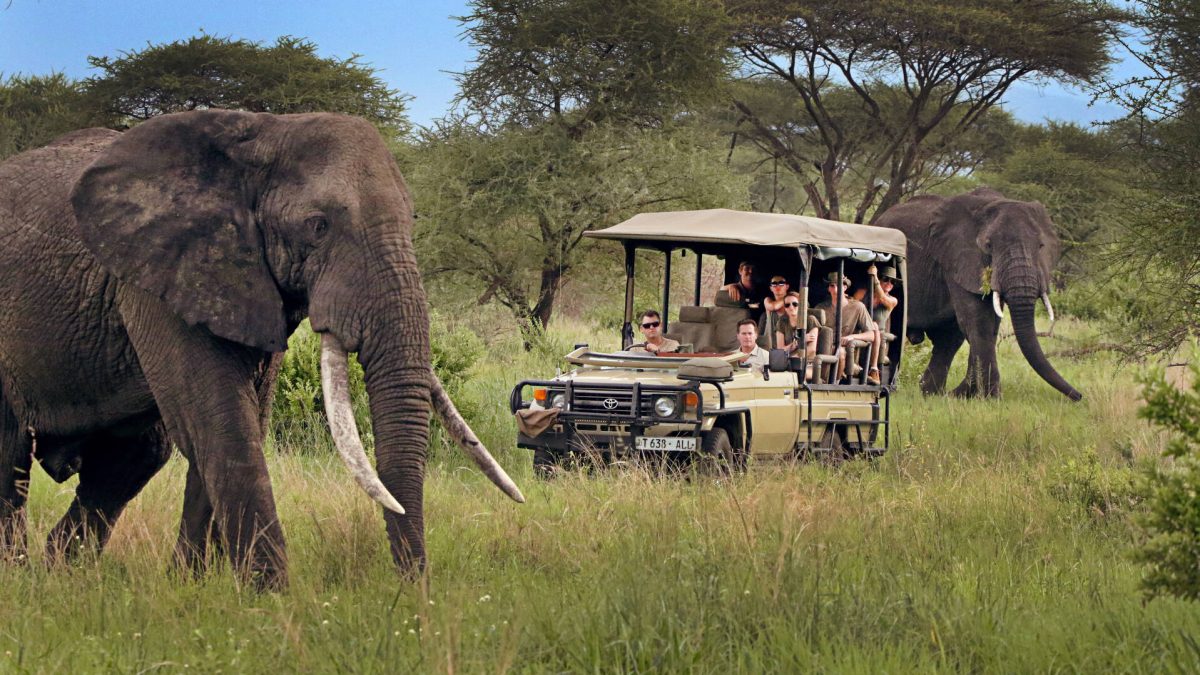
Incorporating a private safari vehicle significantly enhances the experience. You can spend extended periods observing family groups without pressure from shared schedules. Early departures before sunrise often position you at riverbanks ahead of other vehicles, creating quieter encounters.
Combining Tarangire with Ngorongoro and Serengeti works well, but if elephants remain your primary focus, Tarangire deserves meaningful time rather than a brief stopover.
Best Time for Elephant Viewing in Tarangire National Park.
The dry season between June and October delivers peak elephant concentration. Vegetation thins, visibility improves, and herds gather predictably near water sources. River crossings and dust bathing scenes become more frequent.
The green season from November through March offers lush scenery and scattered elephant movement across a wider landscape. While herds may disperse slightly, the photographic contrast of green vegetation and dramatic skies appeals to travelers who value scenic composition.
The late dry season is still the best time of year for tourists who value sheer herd volume and behavioral density.
Luxury Camp Selection for Elephant Positioning
Choosing the right luxury camp influences daily efficiency. Properties located inside Tarangire National Park or within adjacent private concessions near the river provide immediate wildlife access.
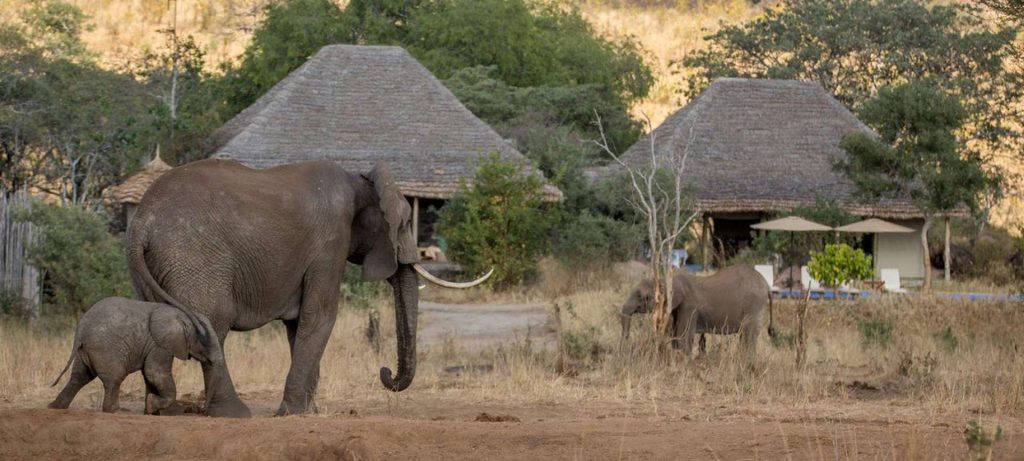
Luxury camps in Tarangire emphasize intimacy. Most operate with limited suites, ensuring privacy and strong staff-to-guest ratios. Spacious tented accommodations, private verandas, and open-air lounges allow wildlife viewing even during downtime.
After extended morning drives observing elephant herds, returning to a refined suite overlooking the bush maintains immersion without sacrificing comfort. Afternoon relaxation on a private deck may still include passing wildlife.
The right camp balances proximity to elephant corridors with refined service standards, ensuring that guests can enjoy both the wildlife experience and high-quality amenities during their stay.
Photography and Light Considerations.
Elephants in Tarangire present exceptional photographic subjects due to environmental texture. Baobab silhouettes, river reflections, and red earth dust create dynamic visual layers.
Early morning light softens landscape contrast and enhances skin texture. Late afternoon golden tones intensify dust scenes and silhouette opportunities. Private vehicle access allows repositioning according to light direction and background composition.
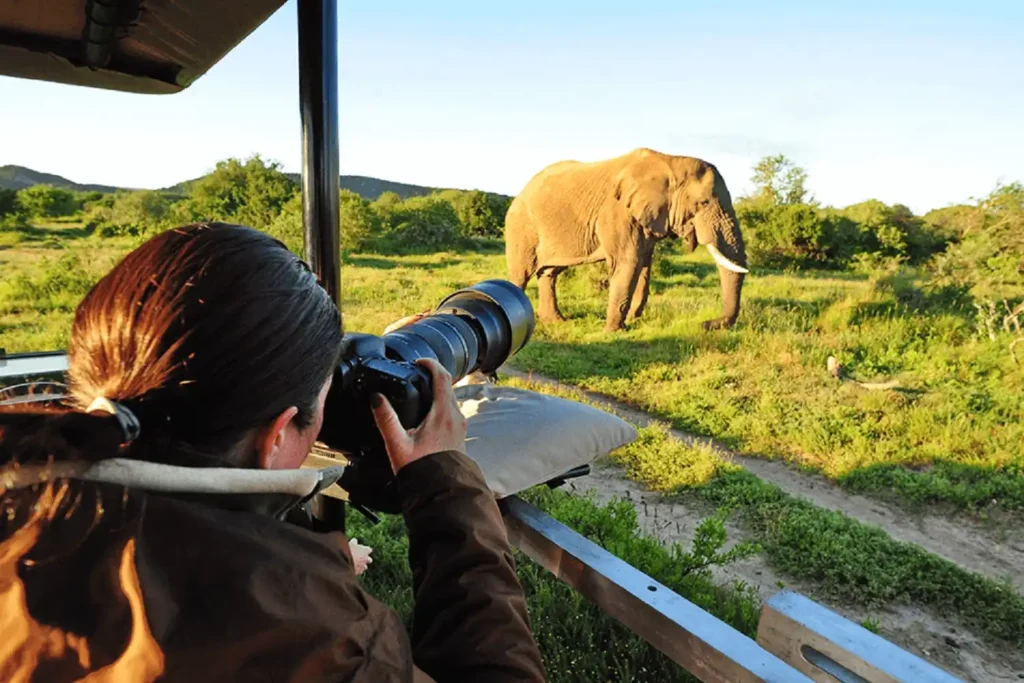
Elephant-Photographic Luxury Safari
Longer stays increase the chance of capturing varied behavioral moments rather than repetitive herd images, such as interactions between elephants and their environment or social behaviors within the herd.
Combining Elephant Focus with Broader Safari Experience.
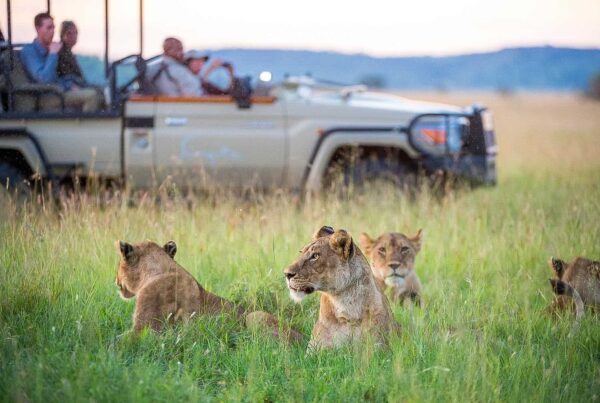
While elephants dominate Tarangire’s identity, the park also supports a strong predator presence. Lions often track herds near water sources. Leopards inhabit riverine trees. Large buffalo concentrations create layered savannah scenes.
An elephant-focused safari does not exclude broader wildlife encounters. Instead, it prioritizes elephant behavior while allowing natural predator interaction to unfold organically.
For travelers who appreciate ecological relationships rather than isolated sightings, Tarangire provides a holistic perspective.
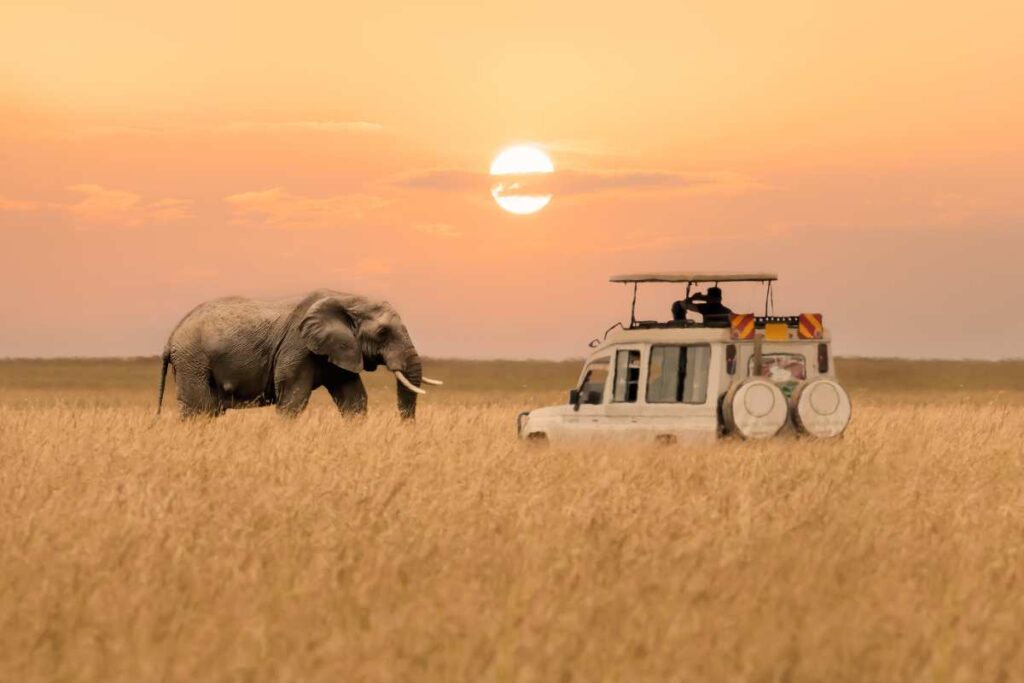
An elephant-focused luxury safari in Tarangire offers scale, intimacy, and behavioral depth. It replaces fleeting sightings with extended observation. It allows you to understand herd structure, migration rhythm, and environmental adaptation within one of Africa’s most visually distinctive landscapes.
For those who feel drawn to elephants specifically, Tarangire stands as Tanzania’s definitive destination.
Plan Your Luxury Travel Now With Us
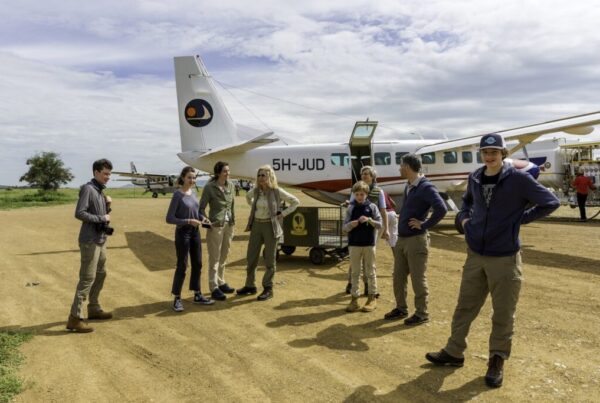
We design tailor-made elephant-focused luxury safaris in Tarangire, positioning you in the most productive river zones during peak season. We structure every element for maximum wildlife immersion, from private vehicle access and strategically located camps to seamless bush flight coordination across northern Tanzania.
Contact us today and let us craft your Tarangire luxury safari centered on extraordinary elephant encounters, refined comfort, and expert-guided precision.