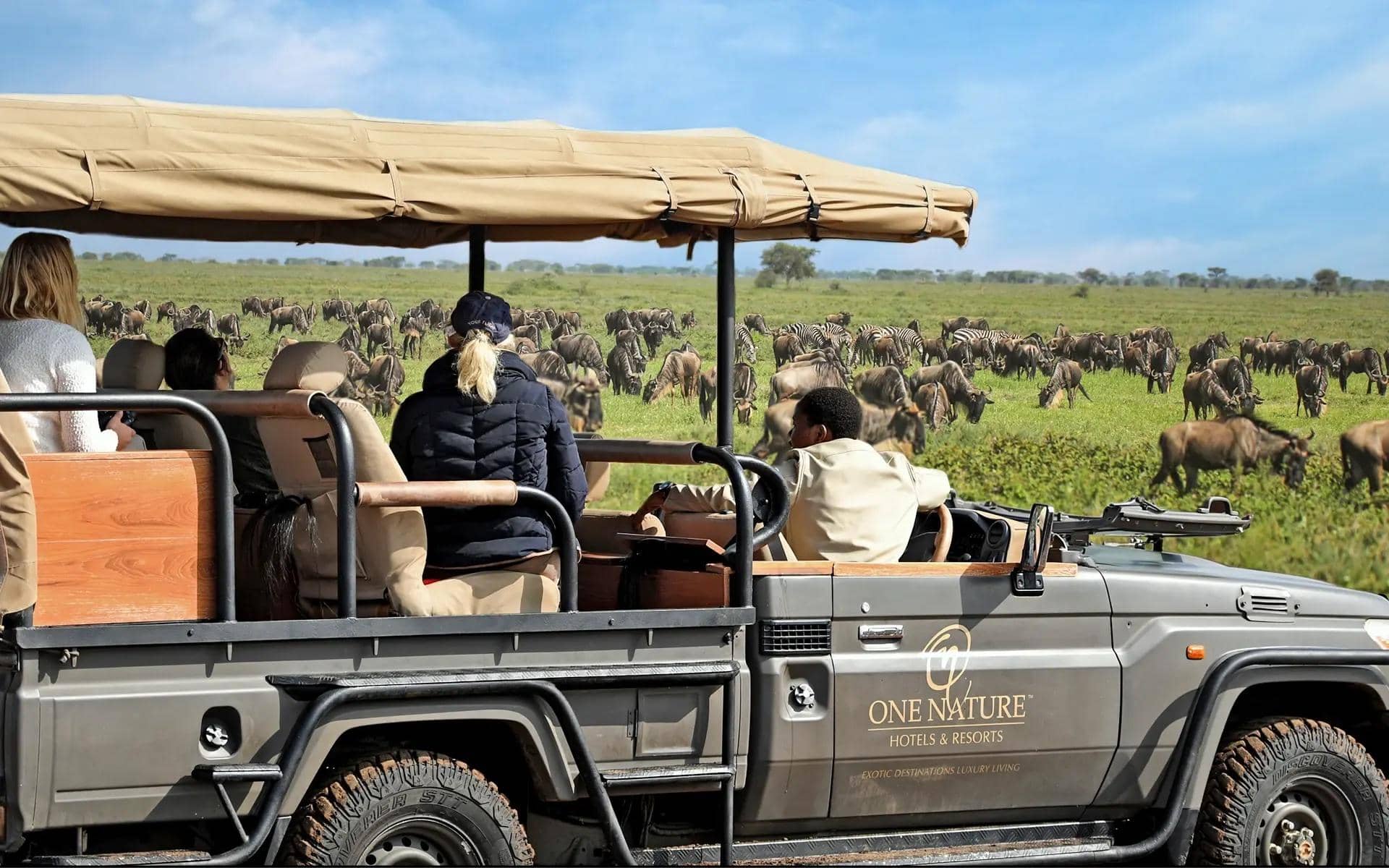
Discover the best time to experience the Serengeti’s Great Migration in luxury style. From calving season to Mara River crossings, explore when and where to go, top camps, and exclusive safari tips for an unforgettable journey.
The Great Migration in Serengeti National Park is often described as the “Greatest Show on Earth.” Over 1.5 million wildebeest, accompanied by zebras and gazelles, move in a continuous cycle across the Serengeti ecosystem in search of fresh grazing and water. For luxury travelers, this experience isn’t just about seeing wildlife; it’s about experiencing one of nature’s most dramatic spectacles in comfort, exclusivity, and style.
But timing is everything. The migration is not a single event; it’s a year-round cycle influenced by rainfall and seasonal patterns. Choosing the right month, the right region, and the right camp can transform your safari into a once-in-a-lifetime luxury adventure.
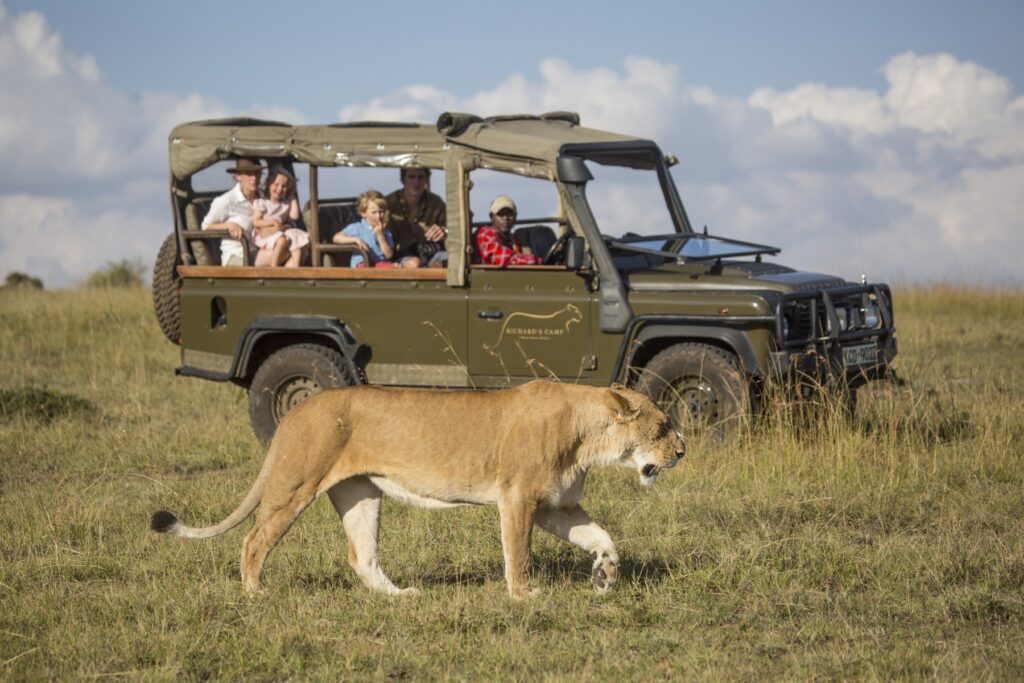
This guide will walk you through every phase of the migration, explaining what makes each season unique and how to experience it in true luxury style.
Understanding the Great Migration Cycle.
Unlike many wildlife events, the Serengeti migration doesn’t follow a strict calendar. Instead, it’s a continuous circular movement shaped by rains and grazing conditions. Luxury safaris are designed to track these movements with fly-in transfers and repositioned camps, ensuring you’re always in the heart of the migration action.
January to March: Calving Season in the Southern Plains (Ndutu Area)
- What Happens: Half a million wildebeest calves are born within weeks in the Ndutu and southern Serengeti plains.
- Why It’s Special: Predator-prey drama unfolds as lions, cheetahs, and hyenas target vulnerable newborns.

Great Wildebeest Calving Season
- Luxury Advantage: Ultra-luxury tented camps are positioned close to the herds, offering unobstructed views in wide-open landscapes. Vehicle congestion is minimal compared to river-crossing months.
- Photography Tip: The lush green season creates striking contrasts for wildlife photography.
April to May: The Green Season Transition (Towards Grumeti Reserve)
- What Happens: Herds begin moving northwest toward the western corridor. Rainfall is heavier, but landscapes are vibrant.
- Why It’s Special: This period is the shoulder season with fewer crowds, lower rates, and dramatic skies.
- Luxury Advantage: Camps are quieter, offering exclusivity and privacy. This season is ideal for those who prefer peace and quiet over intense excitement.

June to July: Western Corridor & Grumeti River Crossings
- What Happens: Herds reach the Grumeti River, facing crocodile-infested waters.
- Why It’s Special: While less famous than the Mara crossings, Grumeti crossings are intense and raw.
- Luxury Advantage: Private concessions like Grumeti offer off-road tracking and limited vehicle density, ensuring exclusivity.
July to September: Northern Serengeti & Mara River Crossings
- What Happens: The most iconic phase occurs when wildebeest gather at the Mara River and make chaotic crossings while crocodiles wait below.
- Why It’s Special: This is the pinnacle of migration drama, attracting global demand.
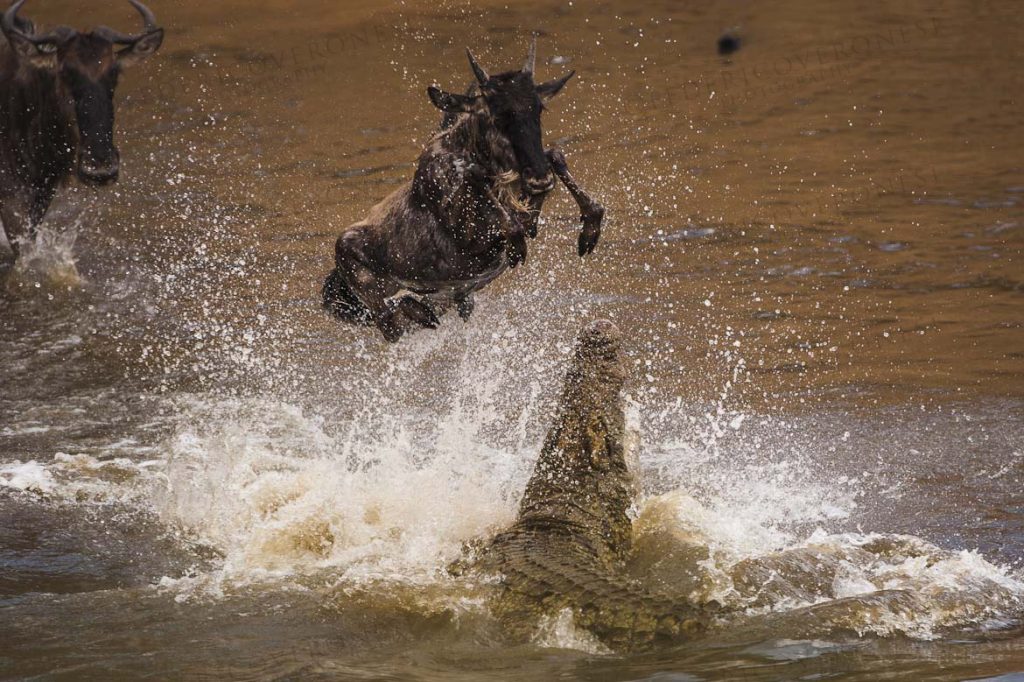
Mara River Crossing
- Luxury Advantage: Ultra-luxury tented camps with limited capacity provide distance from crowded viewing areas. Private guides ensure flexible positioning and patience during unpredictable crossings.
October to November: Return South
- What Happens: Herds begin their journey back south through central Serengeti.
- Why It’s Special: River crossings taper off, but predator sightings remain excellent.
- Luxury Advantage: Vehicle numbers decline, offering a balanced safari with fewer crowds and strong resident wildlife.
Choosing the Absolute Best Time in Luxury Style
There is no single “best” month. The ideal time depends on the type of migration moment you wish to witness.
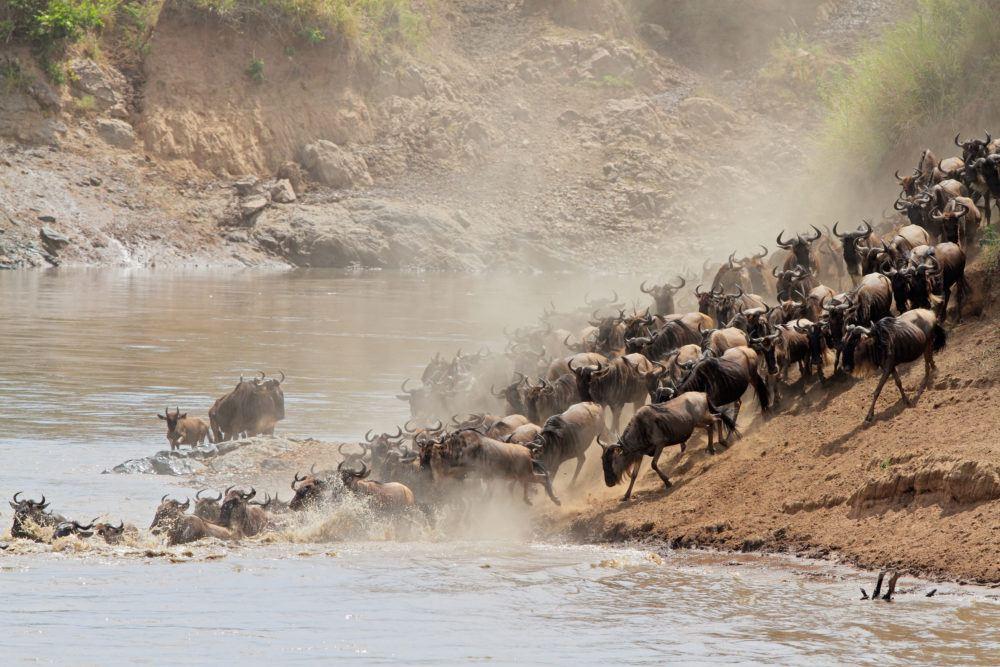
If your priority is dramatic river crossings, July–September in the northern Serengeti delivers peak intensity. If you prefer vast herds with newborn calves and high predator density in open landscapes, January to March in the south is exceptional. If exclusivity and reduced vehicle density matter most, April, May, or October can offer refined alternatives.
- For drama: July–September (Mara River crossings).
- For predator-prey action: January–March (calving season).
- For exclusivity: April–May or October (fewer crowds, lower rates).
In luxury style, the key is not only timing but strategic alignment. High-end itineraries often combine two regions to hedge against herd unpredictability, ensuring continuous wildlife engagement.
Structuring a Luxury Migration Safari
A well-designed luxury migration safari typically includes fly-in transfers between camps to reduce travel time and preserve energy for following the action. Guests may spend three nights in one migration zone before relocating to another sector depending on herd movement.
Private vehicles, expert guides, and carefully positioned camps ensure flexibility. The most successful itineraries are built around seasonal intelligence rather than rigid dates.
The Great Migration in the Serengeti National Park is a year-round phenomenon, but experiencing it in luxury style requires precise seasonal planning. From the drama of the calving season to the Mara River crossings and the more subdued transitional months, each stage of the migration has its own unique personality.
Personal priorities ultimately define the best time for travelers seeking exclusivity, comfort, and optimal wildlife positioning. The right region, camp, and expert logistical planning can transform any migration phase into an extraordinary luxury safari experience.