Discover the best luxury lodges in Serengeti National Park, including Singita Sasakwa, Four Seasons, Serengeti Bushtops, Lemala Nanyukie, and &Beyond Under Canvas. Detailed expert guide on locations, migration timing, privacy, and safari strategy
The Serengeti National Park is not simply Africa’s most famous safari destination. It is one of the last functioning large-scale ecosystems on Earth. Over 14,750 square kilometers of open plains, acacia woodland, river systems, kopjes, and predator territory operate in an ancient ecological rhythm.
Luxury in the Serengeti is not defined by thread count or marble finishes. It is defined by access.
- Access to migration corridors.
- Access to low vehicle density.
- Access to flexible guiding.
- Access to silence.
Where you stay in the Serengeti directly determines your wildlife density, vehicle congestion levels, travel logistics, and overall safari experience in Africa’s endless savannah plains.
This guide examines the most respected luxury lodges in the Serengeti ecosystem, not by marketing promises, but by geographic precision, migration positioning, privacy levels, and operational excellence.
Best Luxury Lodges in Serengeti National Park
Four Seasons Safari Lodge Serengeti
Singita Sasakwa Lodge
Serengeti Bushtops
Lemala Nanyukie Lodge
&Beyond Serengeti Under Canvas
Understanding Luxury in the Serengeti Ecosystem
Luxury in the Serengeti is defined by more than décor. It is shaped by location precision, wildlife positioning, guest-to-guide ratios, and operational excellence. The best properties are strategically located in wildlife-rich corridors, reducing drive time and maximizing meaningful sightings.
A defining feature of high-end Serengeti lodges is low guest density. With fewer suites and often private vehicles, guests enjoy flexible daily programs. Meals are curated rather than standardized, and service is attentive without being intrusive. Many top-tier properties also emphasize conservation, supporting anti-poaching initiatives and community development projects that sustain the ecosystem long term.
Before selecting a lodge, you must understand one strategic truth:
The Serengeti is seasonal.
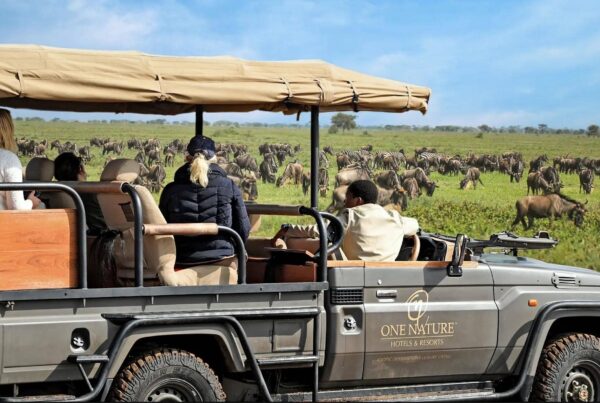
The Great Migration: Over 1.5 million wildebeest, accompanied by zebra and gazelle, move in a clockwise pattern annually.
-
January–March: Southern Serengeti calving season
-
April–June: Western corridor movement
-
July–September: Northern Serengeti river crossings
-
October–December: Central Serengeti transition
Another distinction lies in accessibility. Most luxury itineraries use scheduled bush flights or private charters to reach remote airstrips located minutes from the lodge. This approach minimizes road transfers and preserves time for safari activities.
Luxury properties fall into three operational categories:
-
Permanent lodges inside the national park.
-
Private concession lodges (e.g., Grumeti)
-
Mobile seasonal camps.
Each model offers a different safari philosophy.
Four Seasons Safari Lodge Serengeti
Four Seasons Safari Lodge Serengeti is positioned in the central Serengeti, one of the most reliable regions for year-round wildlife viewing. Central Serengeti’s Seronera Valley is known for its high density of resident predators, including large lion prides and frequently sighted leopards.
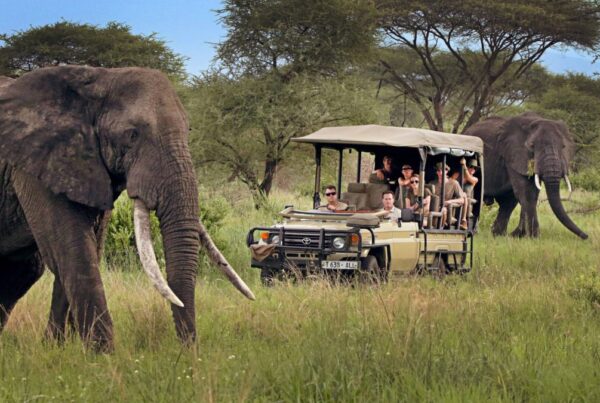
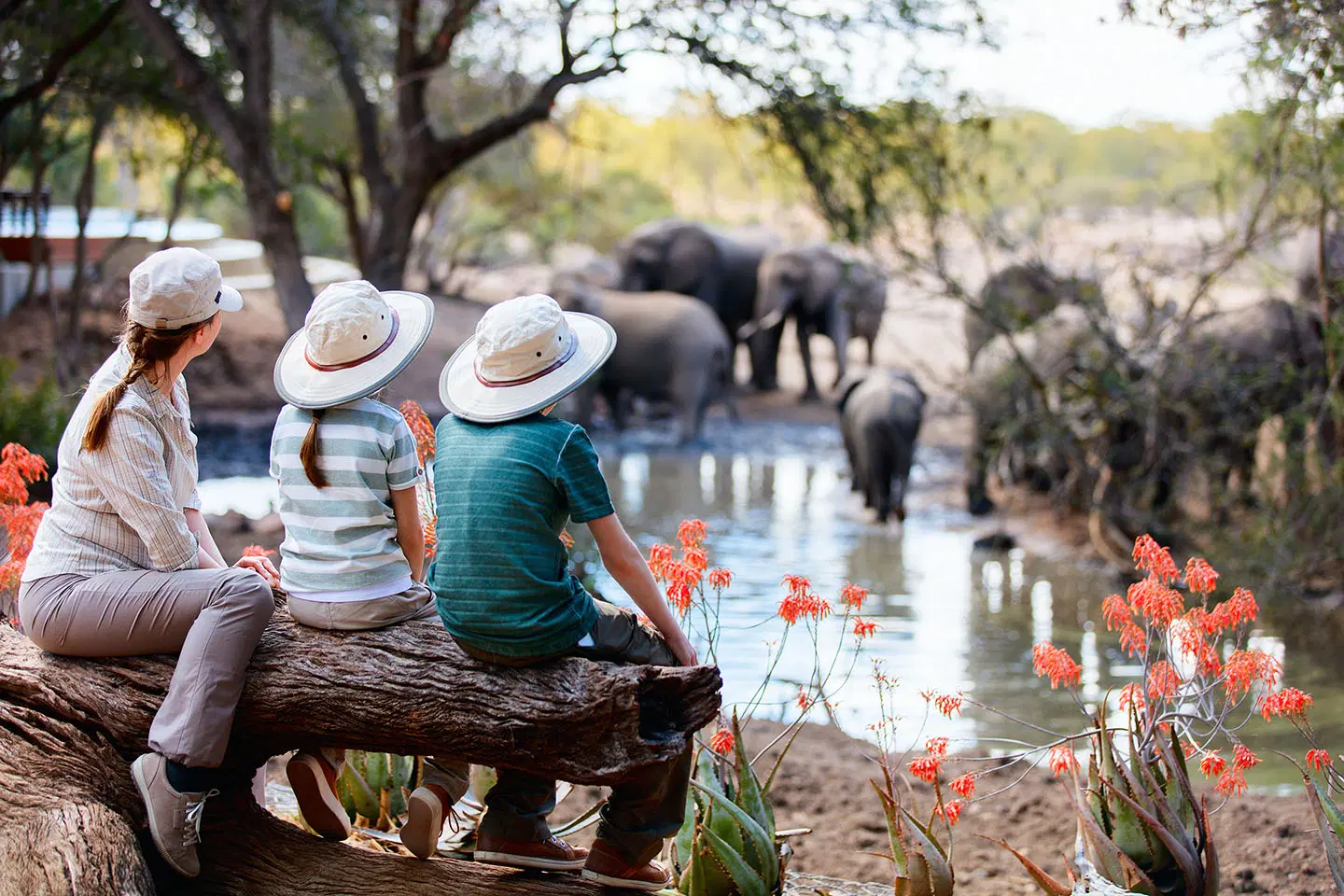
The lodge overlooks a natural watering hole that attracts elephants, buffalo, and antelope throughout the day. This means wildlife viewing continues even when guests are at rest, creating a seamless connection between comfort and wilderness.
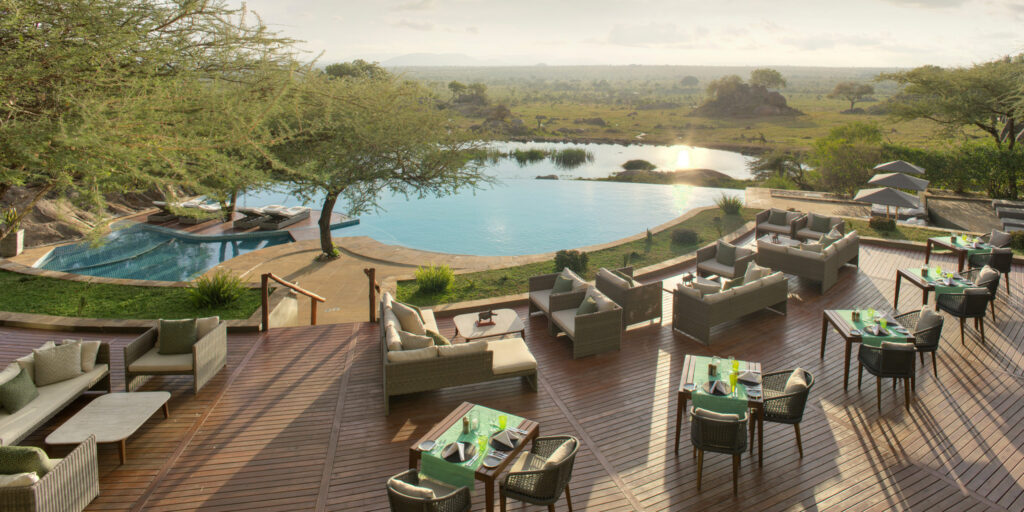
Four Seasons Safari Lodge, Serengeti
Four Seasons is ideal for:
-
First-time safari travelers
-
Families and multigenerational groups
-
Guests wanting resort amenities without sacrificing wildlife density
Facilities include a full spa, multiple dining venues, structured children’s programming, and private villas with plunge pools.
It offers polish and predictability, but it operates within the national park, meaning standard park regulations apply (no off-road driving).
Accommodation and Design
The lodge blends contemporary design with African influences. Rooms and suites feature private balconies oriented toward the savannah. For guests seeking heightened exclusivity, private villas include plunge pools and dedicated staff, providing a discreet and elevated stay
Singita Sasakwa Lodge
Singita Sasakwa Lodge is located in the private Grumeti Reserve adjacent to the Serengeti ecosystem. This setting transforms the safari dynamic. Vehicle density is significantly lower than in the main national park, and guests benefit from off-road driving and guided walking safaris.
The Grumeti region also plays a role in the western corridor of the Great Migration, which is the seasonal movement of large groups of animals, particularly during the early dry season when herds move through the area.
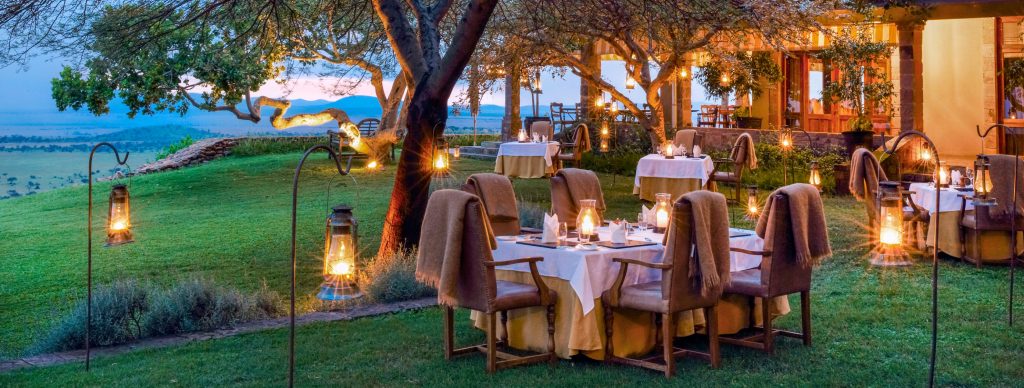
Singita Sasakwa Lodge
This is not just a lodge. It is a conservation model.
Located inside the private Grumeti Reserve bordering the Serengeti ecosystem, Sasakwa operates on land managed by the Grumeti Fund, a large-scale conservation initiative.
In private concessions:
-
Off-road driving is permitted
-
Night drives are allowed
-
Walking safaris are possible
-
Vehicle density is dramatically lower
That transforms the safari from observation to immersion.
Lodge Architectural Identity
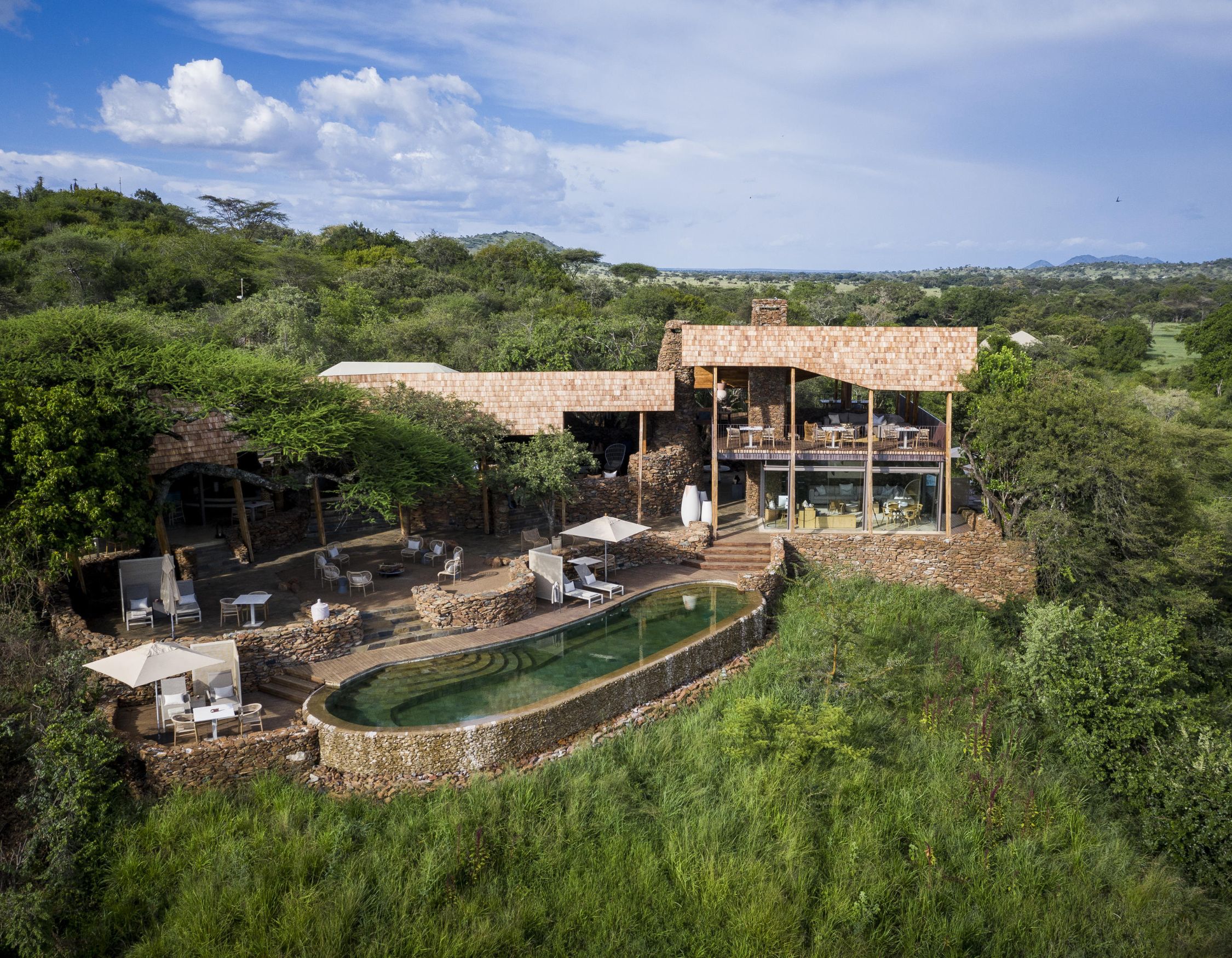
Sasakwa resembles an Edwardian manor set atop a hill with panoramic views. Each cottage includes:
-
Private plunge pool
-
Dedicated staff
-
Expansive living space
Singita’s wine cellar is one of Africa’s finest, and the guiding quality is exceptional. This lodge is for travelers who prioritize exclusivity, conservation credibility, and guiding depth over mainstream resort structure.
Serengeti Bushtops
Serengeti Bushtops is located in the northern Serengeti, an area particularly significant during the river crossing season of the Great Migration. Between July and September, the nearby Mara River becomes the stage for dramatic wildebeest crossings.
The lodge’s elevated location provides panoramic views across rolling plains, with wildlife frequently visible from private decks.
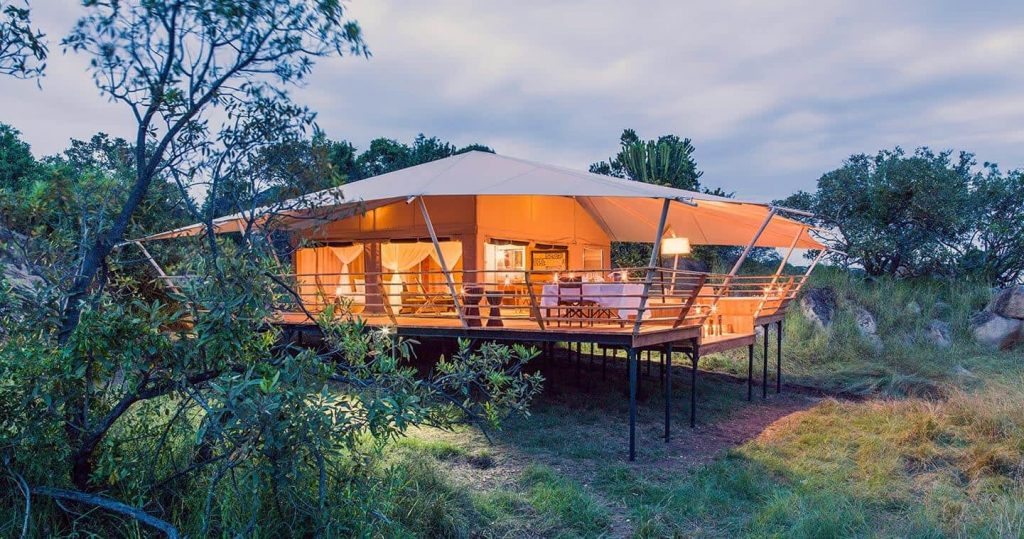
Serengeti Bushtops Camp
Positioned in the northern Serengeti near the Mara River, this lodge becomes strategically positioned between July and September.
The Great Migration Advantage
During river crossing season, wildebeest herds accumulate near the Mara River before dramatic crossings. Staying in the north reduces long drive times and increases early-morning positioning for wildebeest river crossings.
Accommodation
Each tented suite includes:
-
Expansive deck
-
Private hot tub
-
Butler service
It balances romance and spectacle, making it ideal for honeymooners or migration-focused couples. Outside migration months, wildlife density decreases relative to the central Serengeti; timing matters here.
Lemala Nanyukie Lodge
Lemala Nanyukie occupies a quieter section of the eastern central Serengeti, an area renowned for cheetah sightings and expansive plains. This region experiences less vehicle traffic while maintaining excellent predator density.
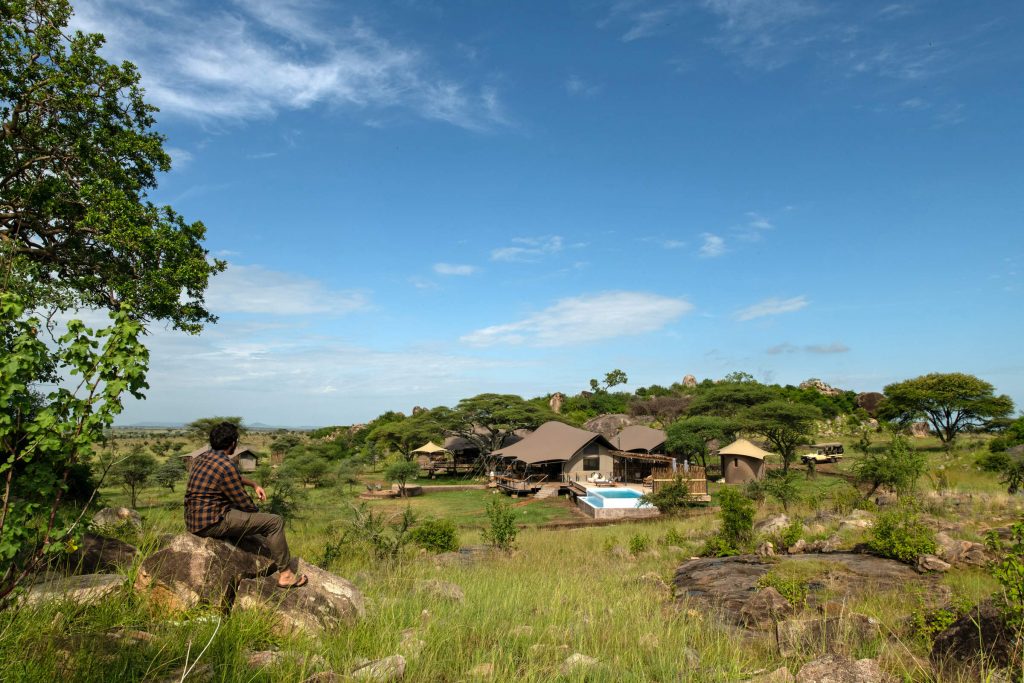
Lemala Nanyukie Serengeti Migration Camp
The lodge blends modern architecture with traditional tent designs. Suites feature glass-fronted walls that maximize natural light and allow uninterrupted wildlife viewing. Private plunge pools and expansive decks enhance the sense of space.
Located in the eastern-central Serengeti, this lodge occupies a slightly quieter predator-rich corridor.
Wildlife
This region is known for:
-
Cheetah sightings
-
Open plains visibility
-
Reduced vehicle traffic
The architecture uses glass-fronted suites that maximize natural light and wildlife visibility. It appeals strongly to photographers and repeat safari travelers who want lower congestion but consistent game density.
&Beyond Serengeti Under Canvas
&Beyond Serengeti Under Canvas offers a different type of luxury. Rather than remaining in a fixed location, this high-end mobile camp relocates seasonally to align with migration movements.
This mobility ensures guests remain close to wildlife action, whether in the southern calving grounds early in the year or near river crossings in the north later in the season.

&Beyond Serengeti Under Canvas
This is a mobile luxury camp that relocates seasonally to track migration movements.
Instead of asking wildlife to come to you, this camp follows it.
Seasonal Operations
-
Southern plains (calving season early year)
-
Western corridor (early dry season)
-
Northern river crossings (mid-year)
Suites are canvas but fully serviced with en-suite bathrooms and refined dining. This creates a refined yet authentic bush atmosphere. Dining is often arranged under lantern light, reinforcing the intimacy of the wilderness setting.
This camp suits migration-focused travelers who prioritize proximity to wildlife above resort-style facilities. This is for migration purists.
How to Choose the Right Luxury Lodge
Selecting among the best luxury lodges in Serengeti National Park depends on travel timing, wildlife objectives, and desired level of exclusivity. Central Serengeti lodges offer consistency year-round. Northern properties excel during river crossing season. Private concession lodges deliver the highest levels of privacy and flexibility.
Travelers seeking resort amenities may gravitate toward established permanent lodges. Those pursuing exclusivity and conservation alignment often prefer concession-based properties. Migration enthusiasts benefit from mobile or strategically positioned northern camps.
The Serengeti’s luxury lodges represent some of Africa’s finest safari accommodations. Each property offers a distinct balance of location, design, privacy, and guiding excellence. The most successful Serengeti safari is not determined solely by star rating but by how precisely the lodge aligns with wildlife movement, seasonal timing, and the traveler’s expectations.
The Serengeti is one of the last places on Earth where ecological scale still overwhelms human infrastructure. When lodge selection is handled with precision, accommodation becomes part of the ecosystem experience rather than a retreat from it.
Luxury here is not excess. It is proximity to lions at dawn, elephants at dusk, and the movement of one of the planet’s last great wildlife migrations.