
What Are the Best Africa Safari Experiences?
Few phrases get used as loosely as “Africa safari experiences,” as though every game drive, every lodge, and every itinerary across an entire continent were interchangeable. They are not. A dawn balloon flight over the Serengeti’s endless plains, a silent hour spent with a mountain gorilla family in Rwanda’s Volcanoes National Park, and a sundowner beside the Rufiji River in southern Tanzania are three entirely different kinds of journeys, each rewarding a different kind of traveler. Over more than 15 years of designing tailor-made private itineraries for over 10,000 travelers across Tanzania, Kenya, Rwanda, and Uganda, we’ve learned that the best safari experience is never the most generic one; it’s the one built specifically around what you actually want to see, feel, and remember. This guide walks through every major category of Africa safari experience we curate, so you can identify exactly which ones belong on your itinerary.
The best African safari experiences fall into several distinct categories: witnessing the Great Wildebeest Migration across the Serengeti-Mara ecosystem; tracking mountain gorillas and chimpanzees in Rwanda, Uganda, and western Tanzania; classic Big Five game drives through parks like the Ngorongoro Conservation Area and Maasai Mara; sunrise hot air balloon safaris; guided walking safaris; and beach-and-bush combinations pairing wildlife with Zanzibar’s coastline. For most first-time travelers, we recommend combining two or three of these experience types into a single tailor-made itinerary spanning 8 to 14 days, rather than trying to fit everything into one rushed trip.
Quick Facts: Africa Safari Experiences
| Countries covered | Tanzania, Kenya, Rwanda, and Uganda, plus multi-country combined itineraries |
| Signature experiences | Great Wildebeest Migration, gorilla and chimpanzee trekking, Big Five game drives, hot air balloon safaris, walking safaris, beach-and-bush combinations |
| Typical trip length | 5 to 16 days, depending on how many experiences and countries are combined |
| Price range | US $400–$2,000+ per person per night, depending on lodge tier and experience type |
| Best time to travel | Year-round, though timing varies significantly by experience |
| Ideal for | Couples, honeymooners, families, first-time visitors, repeat Africa travelers, and photographers |
| Booking lead time | 6 to 12 months ahead for peak season travel and gorilla trekking permits |
What Makes a Luxury Africa Safari Experience Different From a Group Tour?
A luxury Africa safari experience differs from a standard group tour primarily in three ways: private vehicles and guides rather than shared seats on a fixed-departure truck, tailor-made itineraries built around your specific interests rather than a one-size-fits-all route, and exclusive-use or low-density luxury lodges rather than large hotel-style camps. The result is a trip paced entirely around your preferences, whether that means lingering an extra hour at a leopard sighting or skipping a stop that doesn’t interest you.
As a protected operator, every itinerary we design is fully private: your vehicle, your guide, and your schedule, from the moment you land until your final departure. Our guides are expert-led professionals with deep regional knowledge, often specializing in specific ecosystems, whether that’s tracking predator movement along the Tarangire River or reading the subtle signs of gorilla family activity in Volcanoes National Park. This is the core difference between booking African safari experiences through a tailor-made specialist versus a mass-market operator: the former builds the trip around you; the latter fits you into a pre-set trip.
|
Ready to start building your own tailor-made Africa safari experience? |
The Great Wildebeest Migration: Africa’s Ultimate Safari Experience
The Great Wildebeest Migration is widely regarded as the single most spectacular wildlife event on the planet, involving well over two million wildebeest, zebra, and gazelle moving in a continuous, weather-driven circuit across the Serengeti-Mara ecosystem. Unlike a scheduled event, the migration has no fixed start or end date each year, since herd movement depends on rainfall patterns, meaning the exact best viewing location shifts month to month between southern Serengeti calving grounds, central Serengeti corridors, and the northern river crossings.
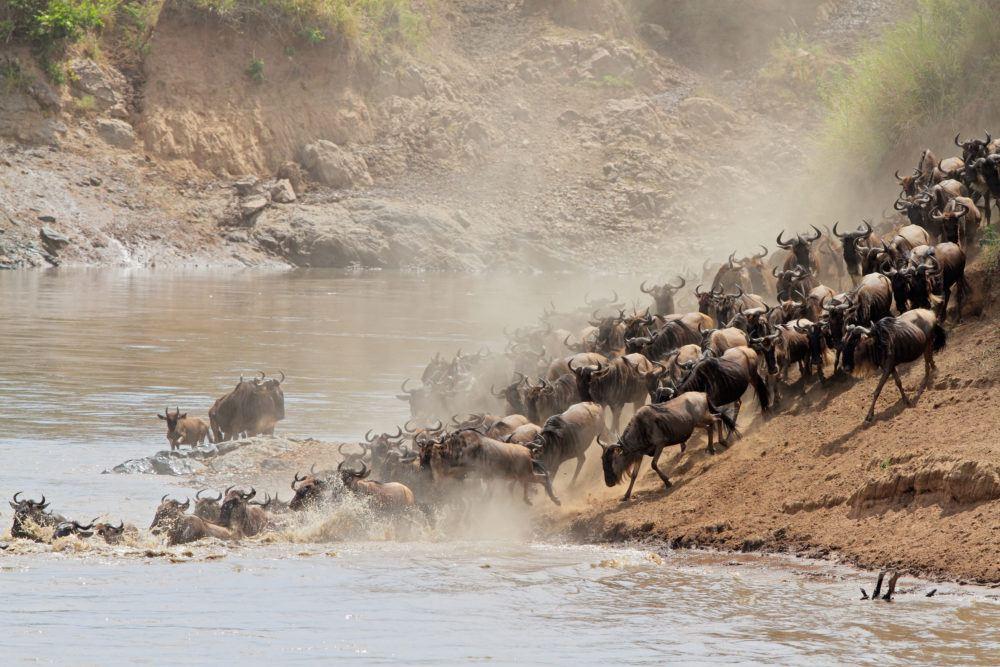
Calving season runs roughly January through March in the southern Serengeti National Park and adjacent Ngorongoro plains, when up to 8,000 wildebeest calves can be born in a single day, drawing intense predator activity from lions and cheetahs. The dramatic river crossings, where herds cross crocodile-infested waters at the Grumeti and Mara Rivers, typically peak between June and July heading north and again from late October through November heading south. Travelers focused specifically on this experience should look at our 13-day Kenya & Tanzania Wildebeest Migration Safari, our 8-day Wildebeest Migration River Crossing Safari, or our 10-day Northern Tanzania Exclusive Safari, each timed to different phases of the migration cycle.
Guests wanting to combine migration viewing with Kenya’s side of the ecosystem often add the Maasai Mara National Reserve to their itinerary, since the same herds cross into Kenyan territory during the northern leg of their journey each year. Our guides know precisely which sector of the ecosystem to prioritize based on your travel dates, since arriving in the wrong location during the wrong month, a common mistake among independent travelers, can mean missing the migration entirely despite being in the right country.
Gorilla and Chimpanzee Trekking: Africa’s Most Profound Wildlife Encounter
Gorilla trekking in Rwanda’s Volcanoes National Park or Uganda’s Bwindi Impenetrable Forest is widely considered the single most moving wildlife encounter available anywhere in Africa, offering a permitted hour spent within meters of a habituated mountain gorilla family in dense montane forest. Treks typically last between 30 minutes and several hours depending on where the gorilla family is located that day and require a moderate level of fitness given steep, often muddy terrain.
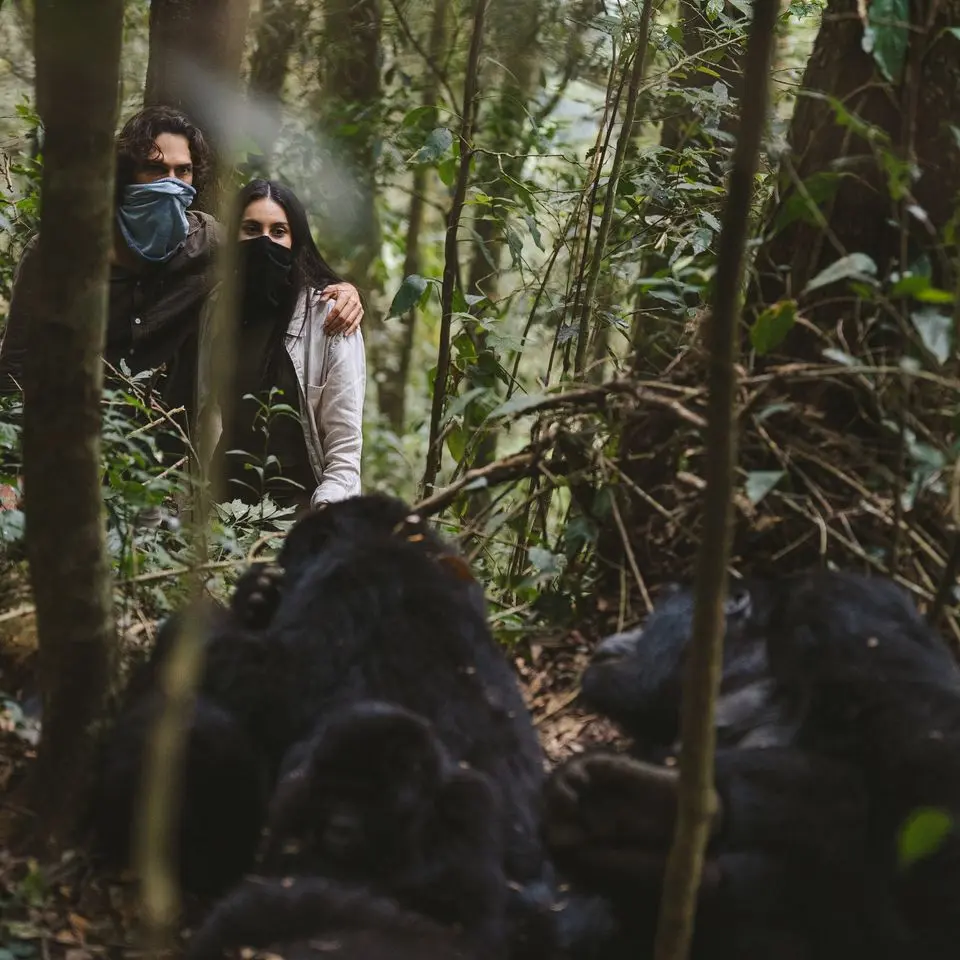
Chimpanzee trekking offers a faster-paced, more physically demanding alternative, with habituated chimp communities in Tanzania’s remote Mahale Mountains National Park and Gombe National Park, the very park where Dr. Jane Goodall conducted her pioneering research beginning in 1960. Both mountain gorilla and chimpanzee populations are strictly regulated, with daily limits on permits to reduce human impact on habituated groups, so it is essential to book well in advance, ideally six to twelve months ahead.
Rwanda has also become a leading destination for golden monkey trekking, a shorter, less physically demanding activity often paired with gorilla trekking on the same trip. Travelers wanting to combine primate trekking with other East African wildlife experiences should consider our 3-Day Rwanda Gorilla Trek & Golden Monkey Trek, our 7-Day Tanzania Wildlife and Chimp Trekking Safari through Katavi and Gombe, or our 16-Day Rwanda, Tanzania, and Zanzibar Safari for a complete multi-country journey. Our broader Rwanda safari guide covers permit logistics, fitness requirements, and the best lodges near both Volcanoes National Park and neighboring Akagera National Park in detail.
|
Interested in gorilla trekking, the migration, or both? Let’s build the right combination for you. |
Classic Big Five Game Drives Across East Africa
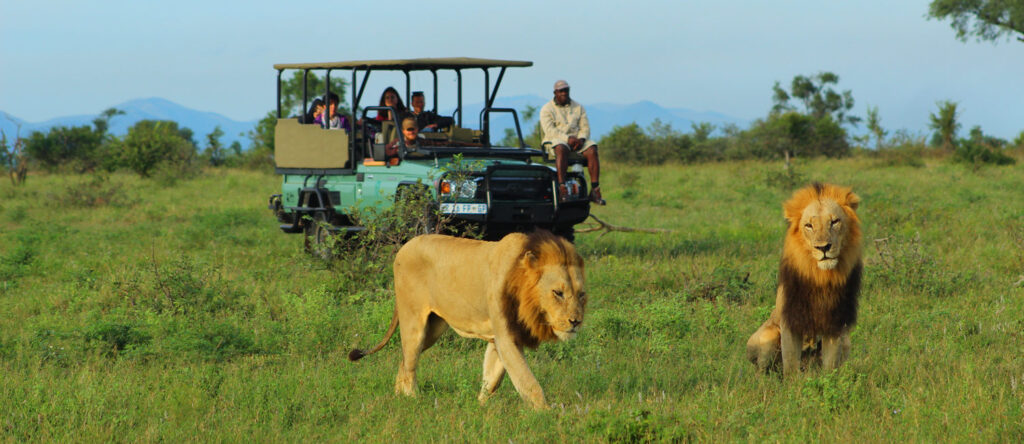
The Big Five game drives, tracking lion, leopard, elephant, buffalo, and rhinoceros, remain the foundation of most African safari itineraries, and East Africa offers several parks where sighting all five within a single visit is genuinely realistic. The Ngorongoro Conservation Area is particularly notable for black rhino sightings within its crater floor, one of the few reliable locations in East Africa to see this critically endangered species, alongside dense populations of lion and elephant in a contained, naturally walled ecosystem roughly 260 km² in size.
Big Five Safaris in Tanzania
Beyond Ngorongoro, Tarangire National Park has the highest elephant concentrations in Tanzania, with herds of 200 to 300 individuals common during the dry season. In contrast, Nyerere National Park and Ruaha National Park in the southern circuit have significantly lower visitor density, which means repeat travelers who have already experienced the busier northern parks have better chances of seeing predators in a more intimate, uncrowded setting.
Big Five Safaris in Kenya
Kenya’s Maasai Mara National Reserve remains one of Africa’s most productive Big Five destinations outside the migration season, thanks to its resident lion prides and consistently high leopard sighting rates. Amboseli National Park is famous specifically for its elephant herds photographed against the backdrop of Mount Kilimanjaro, while Tsavo East National Park and Tsavo West National Park together form one of the largest protected wildlife areas on the continent. Lake Nakuru National Park adds both black and white rhino sightings alongside its famous flamingo populations, and Nairobi National Park offers the unusual experience of Big Five wildlife viewing within sight of a capital city skyline, ideal for travelers with only a few hours between international flights.
Hot Air Balloon Safaris: Sunrise Over the Serengeti
A hot air balloon safari over the Serengeti is, for many of our repeat guests, the single most memorable hour of an entire multi-week trip, floating silently above herds of wildebeest, giraffes, and elephants as the sun rises over the plains. Flights depart before dawn, last approximately one hour depending on wind conditions, and are typically followed by a champagne breakfast set up in the bush immediately after landing, a tradition dating back to the earliest balloon safari operators in East Africa.

Because balloon flights depend entirely on wind and weather conditions, they are typically booked as an add-on to a Serengeti-based itinerary rather than a standalone experience and require an early 5 a.m. pickup from your lodge or camp. This is one of the easiest experiences to add to an existing safari itinerary, and we recommend it particularly to photographers and couples wanting a genuinely singular, non-repeatable moment during their trip.
Walking Safaris and Bush Immersion
Walking safaris offer an entirely different register of wildlife encounter than a vehicle-based game drive, trading speed and range for proximity, silence, and the kind of ground-level detail, animal tracks, dung, birdsong, and insect life, that a moving vehicle simply passes over. Every walking safari in East Africa is led by a licensed guide, and in most national parks, an armed ranger accompanies the group as a legal requirement, given the genuine, if statistically rare, risk of encountering dangerous game on foot.

Tanzania’s Arusha National Park is particularly well suited to walking safaris, since lions are essentially absent from the park, allowing more relaxed, extended walks through montane forest and grassland. Ruaha National Park in the southern circuit also offers excellent walking safari terrain across its remote, low-density wilderness. Keen birders combining walking safaris with dedicated birding time should also review our birding safaris guide, which covers East Africa’s richest birding destinations in detail.
Fly-In Safaris for Effortless Multi-Park Journeys
A fly-in safari replaces long overland transfers between parks with short bush-plane hops, typically 30 minutes to two hours, allowing travelers to cover Tanzania’s more remote ecosystems without sacrificing valuable safari time to driving. This structure suits honeymooners, executives with limited vacation time, and families wanting to minimize the strain of long road transfers between destinations, since a flight that takes 90 minutes by air can often mean six to eight hours by road across some of Tanzania’s more remote southern and western routes.
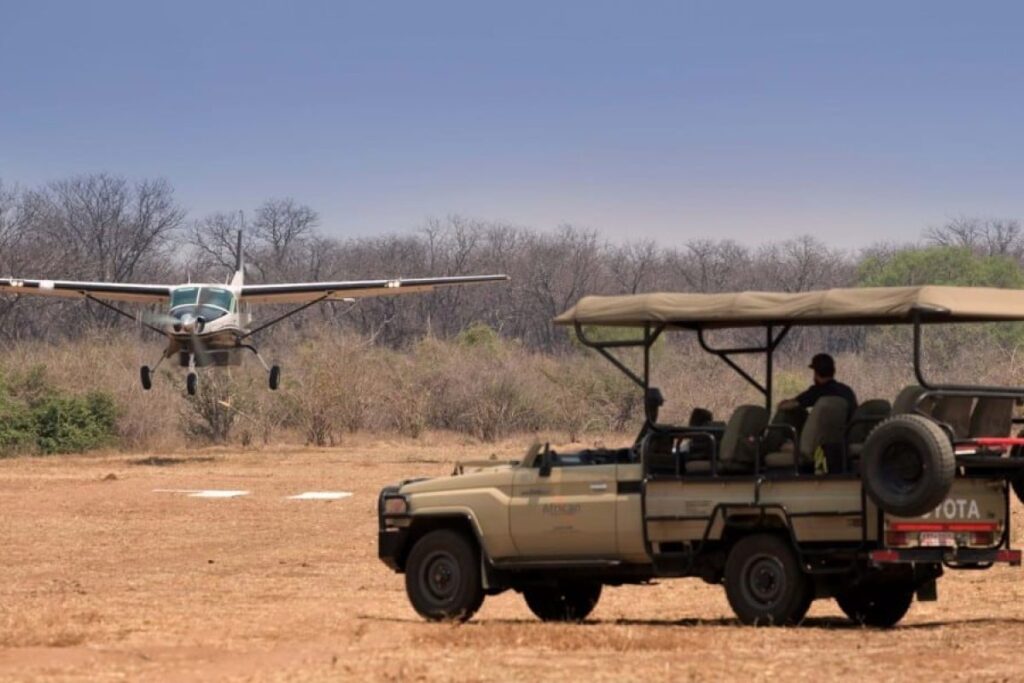
Our high-end fly-in safari packages guide explains how bush flights connect the Serengeti, Tarangire, Ruaha, and Nyerere, while our 5-Day Luxury Fly-in Serengeti Safari demonstrates exactly how a short, high-impact itinerary can be structured entirely around scheduled and private charter flights rather than road transfers.
Beach and Bush Combinations: Safari Meets Zanzibar
Pairing a wildlife safari with beach time on Zanzibar is one of the most popular combinations we design, and for good reason: after several days of early wake-up calls and dusty game drives, a few nights on Zanzibar’s white-sand beaches offers genuine, well-earned decompression before the long flight home. Zanzibar’s dry season runs roughly June through October, aligning conveniently with the northern circuit’s own peak dry-season wildlife viewing window.
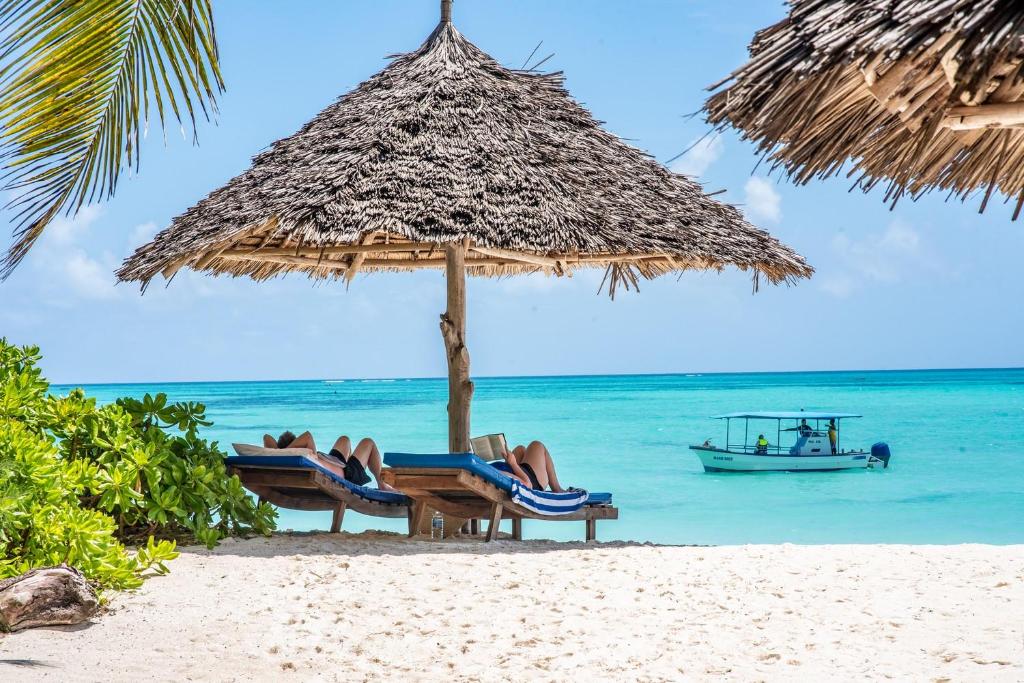
Beyond Zanzibar’s main beaches, Mafia Island and Pemba Island offer quieter, less-developed alternatives, particularly appealing to divers and travelers seeking greater seclusion, while Fanjove Island provides one of the most remote, exclusive-use private island experiences on Tanzania’s coastline. Culturally minded travelers should also build in time in Stone Town, Zanzibar’s UNESCO World Heritage old city; our 3-Day Zanzibar Stone Town Experience covers exactly this pairing of history, spice tours, and beach time.
|
Thinking about a beach-and-bush itinerary or a fly-in route? We’ll map the logistics for you. |
Mountain Trekking Experiences: Kilimanjaro and Meru
At 5,895 meters, Mount Kilimanjaro is Africa’s highest peak and the world’s tallest freestanding mountain, climbable via several established routes that range from five to nine days, depending on your acclimatization schedule and preferred level of comfort. Our 10-Day Kilimanjaro Northern Circuit Route traverses the mountain’s quieter, less-visited northern slopes, offering higher summit success rates thanks to its longer acclimatization profile compared to shorter routes.
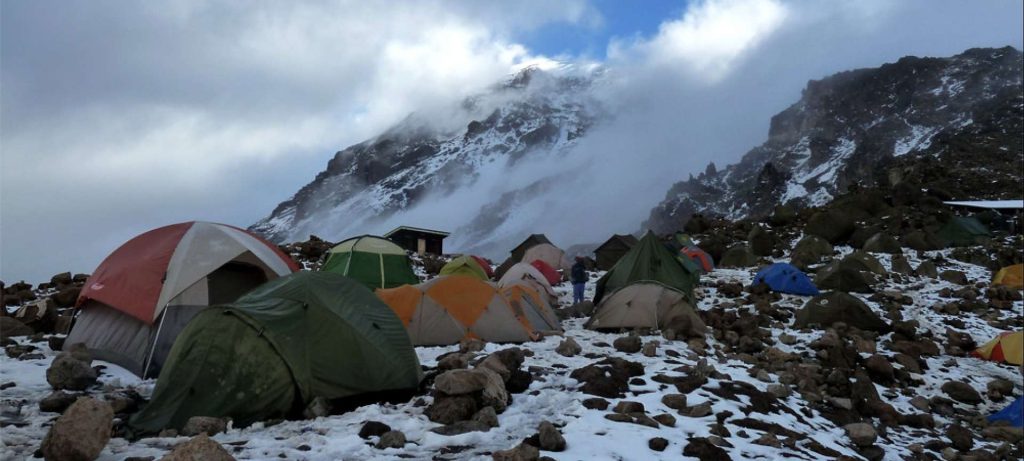
For travelers wanting a serious trekking experience without committing to a multi-day Kilimanjaro expedition, Mount Meru within Arusha National Park offers a shorter, three-to-four-day climb to 4,566 meters, often used as acclimatization ahead of a Kilimanjaro attempt but equally rewarding as a standalone trek through montane forest, heath, and alpine desert zones.
Combined Multi-Country African Safaris
Travelers with 14 or more days available frequently combine Tanzania with neighboring Rwanda, Uganda, and Kenya into a single seamless itinerary, weaving together entirely different wildlife experiences that no single country can offer alone. Our Combined African Safaris page outlines how we typically structure these multi-country journeys, coordinating flights, park permits, and border logistics so the transitions between countries feel seamless rather than fragmented.
Our Maasai Mara, Rwanda Gorillas, and Victoria Falls itinerary is one of our most requested multi-country routes, combining Kenya’s premier game reserve, Rwanda’s mountain gorillas, and Africa’s largest waterfall into a single 15-day journey. These combined itineraries suit repeat Africa travelers most naturally, since they typically presuppose some baseline familiarity with safari logistics and pacing.
Cultural Safari Experiences: Maasai Villages and Historic Stone Town
Wildlife is only one dimension of an authentic Africa safari experience; the continent’s living cultures add a layer of depth that pure game viewing alone cannot provide. Guided visits to Maasai villages near the Ngorongoro Conservation Area and Serengeti ecosystem truly reveal a pastoralist culture that has lived alongside East Africa’s wildlife for centuries, including demonstrations of traditional beadwork, cattle husbandry, and the adumu jumping dance performed by Maasai warriors.

On the coast, Zanzibar’s Stone Town offers an entirely different cultural register: a UNESCO World Heritage old town of narrow coral-stone alleyways, ornately carved wooden doors, and a trading history spanning Omani, Persian, Indian, and European influence. Travelers wanting to build cultural immersion into a broader itinerary should consider our 8-Day Tanzania Cultural Tour, which weaves Maasai community visits and Stone Town’s historic quarter together with classic game drives, giving equal weight to people and place alongside wildlife.
Why Tanzania Anchors Most of Our Africa Safari Experiences
While this guide covers experiences across Tanzania, Rwanda, Uganda, and Kenya, Tanzania itself anchors the majority of the itineraries we design for structural reasons rather than simple preference. No other single East African country combines the Serengeti’s share of the Great Migration, a walled, self-contained ecosystem as productive as the Ngorongoro Crater, and a white-sand archipelago like Zanzibar within one country’s borders, all reachable without an international border crossing between them.
Our detailed breakdown of why Tanzania leads Africa’s luxury safari industry goes further into the specific factors, protected land area, lodge quality, wildlife density, and infrastructure that consistently place Tanzania at the center of our multi-country itinerary designs, even when Rwanda’s gorillas or Kenya’s Mara are also included.
How to Choose the Right Africa Safari Experience for You
Choosing the right Africa safari experience comes down to five decisions: your primary wildlife goal, your country or region of choice, your available trip length, matching the experience to your travel style, and booking through a specialist who can weave everything into a single coherent itinerary. Working through these in order makes it much easier to choose from a continent’s worth of options.
Step 1: Define Your Primary Wildlife Goal
Decide what you most want to see: the Great Migration, mountain gorillas, the Big Five, or a broader mix of experiences. This single decision narrows your country and park options dramatically before you consider anything else.
Step 2: Choose Your Country or Region
Tanzania offers the greatest single-country diversity, spanning the Serengeti, Ngorongoro, Tarangire, and Zanzibar’s beaches within one itinerary. Rwanda and Uganda are essential additions for gorilla trekking, while Kenya’s Maasai Mara complements Tanzania’s Serengeti during migration season.
Step 3: Decide How Many Days You Have
A single-country Tanzania safari works well in 7 to 10 days; adding gorilla trekking in Rwanda or Uganda typically requires 12 to 16 days; multi-country combined itineraries spanning three or more nations generally need 14 days or more to avoid feeling rushed.
Step 4: Match the Experience to Your Travel Style
Couples and honeymooners often prioritize exclusive, low-density camps and romantic add-ons like hot air balloon flights; families benefit from shorter transfer times and family-friendly lodges; photographers should prioritize extended stays in fewer locations over covering more ground; first-timers generally do best with a focused single-country itinerary rather than an ambitious multi-country route.
Step 5: Book Through a Specialist Who Can Build the Full Itinerary
Because the best African safari experiences are rarely confined to a single park, the itinerary you build should account for realistic travel logistics between locations, park permit availability, and seasonal timing exactly the kind of planning a tailor-made specialist handles as standard practice.
Best Time of Year for Different Africa Safari Experiences
There is no single “best time” for an African safari experience, since the ideal timing depends entirely on which specific experience you’re prioritizing. The dry season from June to October offers the best general game viewing across most East African parks, as thinning vegetation and concentrated water sources make wildlife easier to spot, and this window also aligns with the migration’s dramatic northern river crossings and Zanzibar’s driest beach weather.

Gorilla trekking in Rwanda and Uganda is possible year-round, though the June-to-September and December-to-February dry spells make forest trails considerably less muddy. The Serengeti’s calving season, by contrast, falls squarely in the January-to-March green season, meaning travelers chasing newborn wildebeest and the resulting predator action should deliberately avoid the popular dry-season window entirely. For a full month-by-month breakdown specific to Tanzania, see our guide to the best time to visit Tanzania, and browse our wider safari destinations overview for a full regional comparison.
Africa Safari Experiences by Traveler Type
For Couples and Honeymooners
Our Serengeti honeymoon safaris combine exclusive tented camps with private game drives and add-on experiences like hot air balloon flights, while our 7-Day Zanzibar Honeymoon Holiday pairs a bush stay with beach time in Stone Town and Jozani Forest for couples wanting both wildlife and relaxation.
For Families
Our 12-Day Family Luxury Tanzania Safari and Zanzibar Beach Holiday is purpose-built for multi-generational travel, balancing game drives with beach downtime and family-friendly lodges throughout.
For First-Time Visitors
Our 3-Day Authentic Tanzania Safari covers the Serengeti and Ngorongoro’s most essential sights in a focused, easy-to-plan format, and our broader Ultimate African Safari Guide walks first-timers through everything from packing lists to visa requirements before departure.
For Photographers
Photographers generally benefit from longer stays at fewer, more exclusive properties; our overview of the most exclusive camps in the Serengeti highlights low-tent-count camps specifically suited to unhurried, repeat-visit game drives with flexible timing around the best light.
For Repeat Africa Travelers
Guests who have already covered the Serengeti and Ngorongoro often gravitate toward Tanzania’s more remote western and southern parks, including Katavi National Park, Mahale Mountains National Park, Gombe National Park, and Rubondo Island National Park, each offering considerably lower visitor density than the northern circuit’s more famous stages.
What to Expect: Costs, Planning Timeline, and Booking Your Safari
Luxury African safari experiences typically operate on an all-inclusive, per-person-per-night basis, covering accommodation, meals, house drinks, and shared game drives, with nightly rates ranging from roughly US $400 per person at solid mid-range camps to $2,000 or more per person at the continent’s most exclusive, low-tent-count properties. Park entry fees, gorilla or chimpanzee trekking permits, and any internal charter flights typically appear as separate line items from the base accommodation rate.
The best camps and lodges in Tanzania, Rwanda, Kenya, and Uganda have limited room counts to keep them exclusive, so booking four to twelve months in advance is standard, especially for travel during the July-through-September dry season and for gorilla trekking permits, which are limited each day by the Rwanda Development Board and Uganda Wildlife Authority. As an ATOL-protected operator with more than 15 years of relationships across the region’s top properties, we handle availability checks, permit applications, and multi-country logistics directly on your behalf, so you’re never left piecing together a complex itinerary alone.